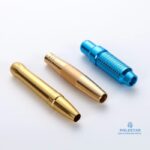
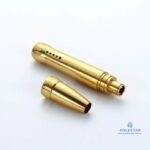
Reliable High Precision Machining Components CNC Machining Electronic Parts with Tolerances Down to ±0.002
Request a Quote
Enter the quantity you need and add to your quote list for pricing inquiries.
Product Details
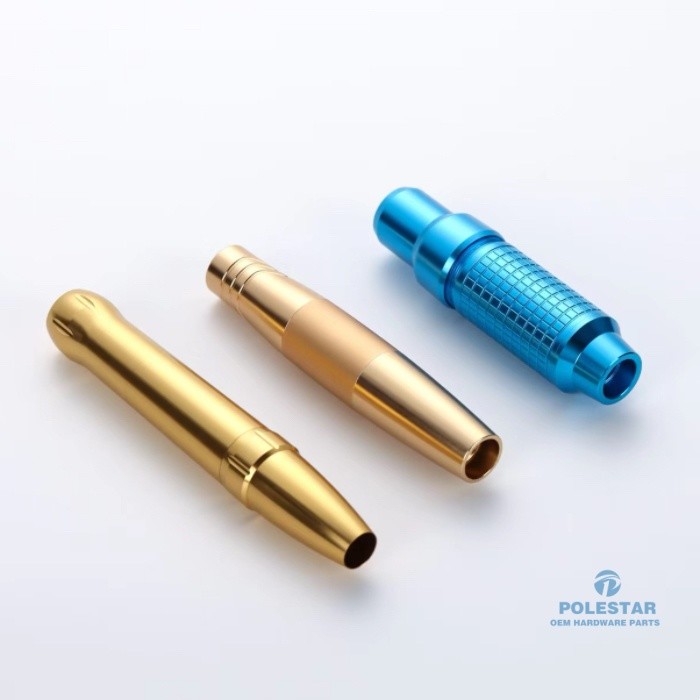
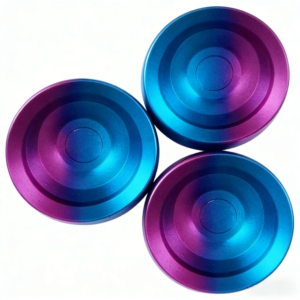
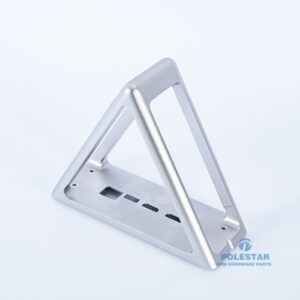
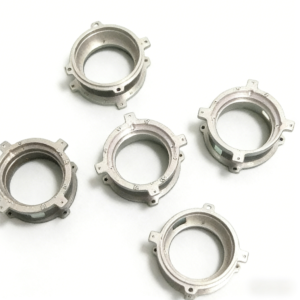
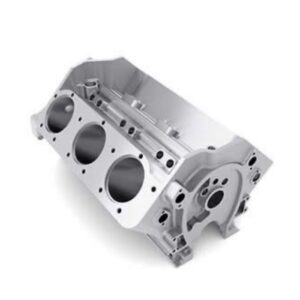
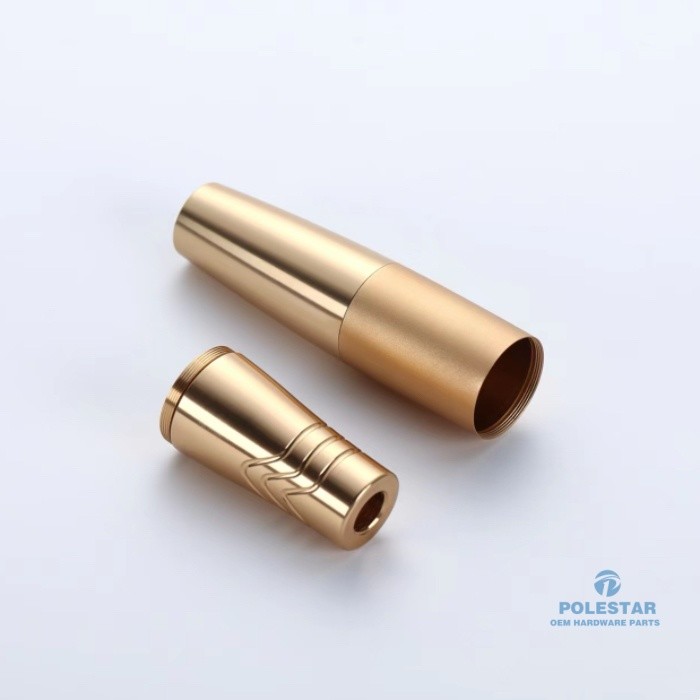
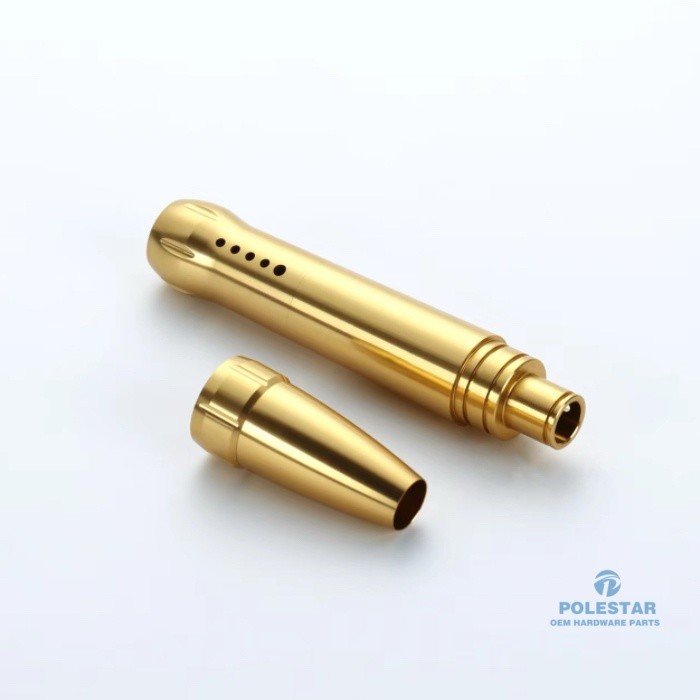
Machining components refer to precision-engineered parts produced through machining processes such as CNC turning, milling, drilling, and grinding. These components are crafted from various materials including metals like brass, aluminum, stainless steel, and engineered plastics. Machining components are characterized by their tight tolerances, complex geometries, and superior surface finishes. They serve as essential building blocks across industries such as electronics, automotive, aerospace, medical devices, and industrial machinery. Whether produced as prototypes or in high-volume production runs, machining components deliver the precision, consistency, and reliability required for critical applications.
Understanding Machining Components:
Machining components are precision-engineered parts produced through subtractive manufacturing processes. Unlike casting, forging, or additive manufacturing, machining begins with a solid block of material and removes unwanted material to achieve the exact shape, dimensions, and surface characteristics specified by engineering drawings.
The defining characteristics of high-quality machining components include:
Tight Dimensional Tolerances – Precision machining achieves tolerances ranging from ±0.005mm to ±0.01mm, with specialized capabilities for even tighter requirements. This level of accuracy ensures that components fit together perfectly and function as intended.
Complex Geometries – Advanced CNC machines can produce intricate features including threads, undercuts, micro-holes, contoured surfaces, and complex three-dimensional shapes that would be impossible or prohibitively expensive to create through other methods.
Superior Surface Finishes – Machined components achieve surface finishes that reduce friction, improve wear resistance, enhance aesthetics, and ensure proper sealing or electrical contact.
Material Integrity – Unlike processes that involve melting or chemical transformation, machining preserves the original material properties, ensuring that components deliver the strength, conductivity, or corrosion resistance specified by designers.
Material Selection for Machining Components:
The choice of material profoundly influences the performance, cost, and manufacturability of machining components. A comprehensive machining partner offers expertise across a wide range of materials.
Brass Machining Components:Brass remains one of the most widely used materials for precision components due to its exceptional machinability, excellent electrical conductivity, and natural corrosion resistance. Brass machining components are prevalent in electronics, plumbing, instrumentation, and decorative applications. Common brass alloys include C360, C260, and C464, each offering specific properties for different applications.
Aluminum Machining Components:Lightweight, strong, and highly machinable, aluminum is the material of choice for applications where weight reduction is critical. Aerospace components, automotive parts, electronic housings, and heat sinks frequently utilize aluminum alloys such as 6061, 7075, and 2024. Aluminum’s natural oxide layer provides corrosion resistance, while its thermal conductivity makes it ideal for heat dissipation applications.
Stainless Steel Machining Components:When applications demand exceptional strength, corrosion resistance, and durability, stainless steel is the preferred material. Stainless steel machining components serve critical roles in medical devices, food processing equipment, marine applications, and chemical processing environments. Common grades include 303 for improved machinability, 304 for general-purpose corrosion resistance, 316 for enhanced chemical resistance, and 17-4 PH for high-strength applications.
Plastic Machining Components:Engineering plastics offer unique properties that metals cannot provide. PEEK delivers exceptional chemical resistance and high-temperature stability, making it ideal for medical implants and semiconductor equipment. PTFE provides the lowest coefficient of friction of any solid material. Delrin offers excellent dimensional stability and wear resistance. Nylon combines strength with impact resistance. Precision machining of plastic components requires specialized tooling and techniques to achieve tight tolerances without introducing stress or deformation.
Specialty Alloys and Exotic Materials:For the most demanding applications, machining components are produced from specialty alloys including titanium, Inconel, Hastelloy, Monel, and various tool steels. These materials offer extreme temperature resistance, exceptional strength-to-weight ratios, and superior corrosion resistance but require advanced machining capabilities and specialized expertise.
Precision Machining Components Processes:
The production of high-quality machining components relies on advanced manufacturing processes that combine precision equipment with technical expertise.
CNC Turning – CNC lathes produce cylindrical components with exceptional concentricity and surface finish. Multi-axis turning centers enable the machining of complex features including threads, grooves, and cross-holes in a single setup, reducing handling errors and improving accuracy.
CNC Milling – CNC milling machines remove material using rotating cutting tools to create complex shapes, pockets, slots, and contoured surfaces. Our machining centers range from 3-axis to 5-axis configurations, allowing us to produce intricate parts with minimal setups and exceptional accuracy.
Multi-Axis Machining – For the most complex machining components, multi-axis machining centers combine turning, milling, drilling, and other operations in a single machine. This approach eliminates multiple setups, reduces fixturing errors, shortens lead times, and achieves the highest possible accuracy.
Precision Grinding – When surface finish and dimensional accuracy requirements exceed the capabilities of conventional machining, precision grinding provides the solution. Grinding achieves surface finishes measured in micro-inches and tolerances measured in millionths of an inch.
Secondary Operations – Comprehensive machining capabilities include secondary operations such as deburring, heat treatment, surface finishing, plating, and assembly. These value-added services ensure that components arrive ready for integration into your final product.
Industries Served by Precision Machining Components:
Precision machining components are essential across virtually every industry, each with unique requirements and standards.
Aerospace and Defense – Aerospace applications demand components that meet the highest standards of quality, reliability, and safety. We produce precision machined components for airframes, engines, landing gear, avionics, and interior systems. Our processes are compliant with AS9100 quality standards where required, and we maintain strict documentation and traceability for all aerospace components.
Medical and Dental – The medical industry requires components manufactured to exacting standards of precision, cleanliness, and biocompatibility. From surgical instruments and orthopedic implants to dental devices and diagnostic equipment, our medical machining components are produced with strict adherence to regulatory requirements and quality standards.
Electronics and Telecommunications – Miniaturization and precision are defining trends in electronics manufacturing. We produce small, intricate components including connectors, terminals, heat sinks, enclosures, and shielding for consumer electronics, telecommunications infrastructure, and industrial electronics applications.
Automotive and Transportation – The automotive industry demands high-volume production with consistent quality, competitive pricing, and reliable supply chains. Our automotive machining components include engine parts, transmission components, fuel system components, braking system components, and structural elements.
Industrial Equipment and Machinery – From heavy machinery to precision automation equipment, industrial applications require durable, reliable components. We produce custom machined parts for pumps, valves, hydraulic systems, pneumatic systems, and manufacturing equipment.
Oil and Gas – The energy industry demands components that withstand extreme pressures, temperatures, and corrosive environments. Our machining components for oil and gas applications are produced from specialty alloys with rigorous quality control and documentation.
Quality Assurance: The Cornerstone of Precision
Quality is not an inspection activity—it is an integral part of the manufacturing process. Our quality assurance program ensures that every machining component meets or exceeds customer specifications.
Material Certification – All materials are sourced from certified suppliers and accompanied by traceable documentation. Material certifications verify chemical composition and mechanical properties, ensuring that the foundation of each component is sound.
In-Process Inspection – Quality is monitored throughout the machining process. In-process inspection protocols include real-time dimensional checks, statistical process control, and operator verification at critical stages. This approach enables immediate correction of any deviation, preventing non-conforming parts from advancing through production.
CMM Verification – Coordinate Measuring Machines provide final verification of component dimensions. With measurement capabilities down to ±0.001mm, CMM inspection ensures that even the tightest tolerances are consistently achieved. Comprehensive inspection reports document conformance to specifications.
First Article Inspection – For new components or process changes, first article inspection provides complete dimensional verification before production begins. This critical step ensures that manufacturing processes are capable of meeting specifications before investment in full production.
ISO 9001:2015 Certification – Our quality management system is ISO 9001:2015 certified, demonstrating our commitment to consistent processes, continuous improvement, and customer satisfaction. This certification provides confidence that our quality systems meet international standards.
From Prototype to Production: Scalable Manufacturing Solutions
One of the key advantages of precision machining is scalability. Whether you require a single prototype for validation or millions of production parts for a global product launch, our manufacturing processes are designed to deliver.
Prototype Machining Components – Rapid prototyping allows you to validate designs, test functionality, and identify potential issues before committing to production tooling. We offer fast turnaround on prototype components, with design feedback to optimize for manufacturability and cost-effectiveness.
Low-Volume Production – For specialty applications, market testing, or products with limited demand, low-volume production runs provide the flexibility to produce exactly what you need without excess inventory or capital investment.
High-Volume Production – When your product launches successfully, we scale to meet demand. Our high-volume machining capabilities combine efficiency with consistency, delivering large quantities of components that meet the same exacting standards as prototypes.
Supply Chain Management – Beyond manufacturing, we offer supply chain services including inventory management, kanban delivery, and coordinated logistics. These services ensure that you have the components you need when you need them, without the burden of managing multiple suppliers.
Partnering with a Precision Machining Expert:
Choosing the right partner for machining components is a strategic decision that impacts product quality, cost, time-to-market, and ultimately, customer satisfaction.
Technical Expertise – Our team brings decades of experience in machining a wide range of materials for demanding applications. We understand the nuances of tool selection, cutting parameters, workholding, and process optimization that distinguish exceptional components from average ones.
Design for Manufacturability – We collaborate with customers during the design phase to optimize components for manufacturing. Early engagement often reveals opportunities to reduce costs, improve quality, and shorten lead times without compromising functionality or performance.
Responsive Communication – Time matters in manufacturing. Our responsive team provides fast quotes, clear communication, and proactive updates on project status. We understand that component supply is critical to your production schedule and customer commitments.
Competitive Pricing – Precision does not require premium pricing. Our efficient processes, continuous improvement culture, and strategic investments in equipment enable us to offer competitive rates without compromising quality.