Premium Liquid Cold Plate 300W to 2000W Cooling Range 95 Percent Thermal Efficiency ±0.03mm Flatness Control
Request a Quote
Enter the quantity you need and add to your quote list for pricing inquiries.
Product Details
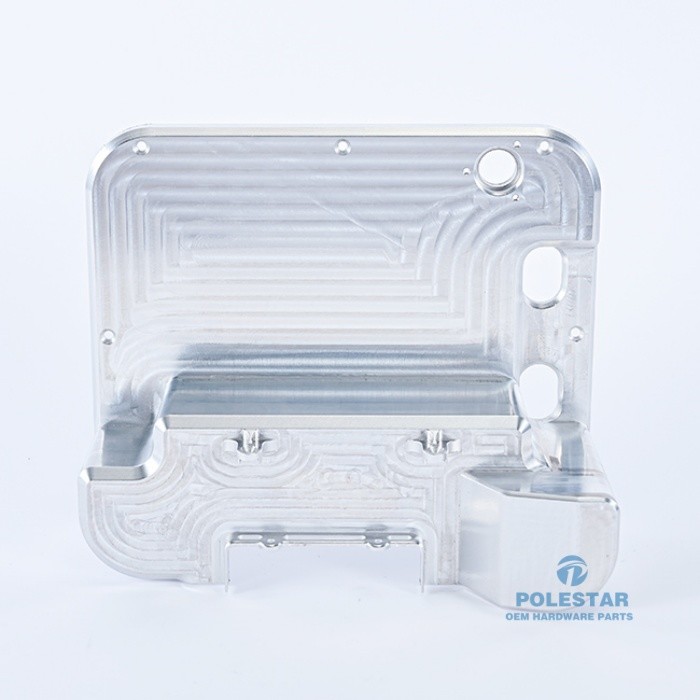
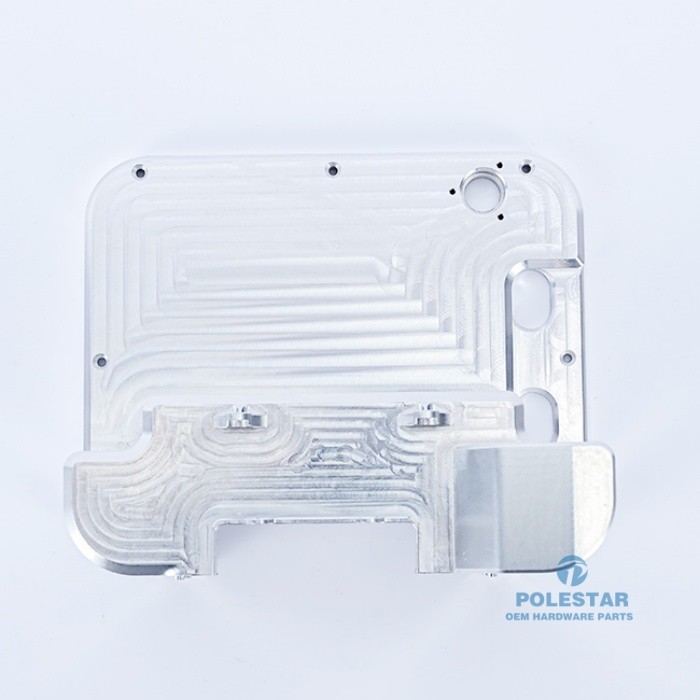
A liquid cold plate is a high-performance thermal management device designed to efficiently dissipate heat from high-power electronic components. Constructed from materials with excellent thermal conductivity such as copper or aluminum, it features internal fluid channels that allow coolant to flow through, absorbing and carrying away heat from sources like IGBT modules, lasers, CPUs, and power electronics. With capabilities including tight flatness tolerances, high heat flux removal, and precise temperature control, liquid cold plates are essential solutions for applications demanding superior cooling performance in data centers, electric vehicles, industrial inverters, and aerospace systems
What Is a Liquid Cold Plate?
A liquid cold plate is a thermal management device engineered to remove heat from high-power electronic components by transferring thermal energy to a flowing coolant. Unlike traditional air cooling systems that rely on convection and fins, liquid cold plates leverage the superior heat transfer properties of liquids to achieve significantly higher cooling densities and more precise temperature control.
The fundamental principle is straightforward yet highly effective. A liquid cold plate is constructed from materials with exceptional thermal conductivity, typically copper or aluminum. Internal channels are machined or formed within the plate, creating pathways for coolant to flow. When the cold plate is mounted against a heat-generating component, thermal energy conducts through the plate material into the coolant, which carries the heat away to a remote heat exchanger or radiator.
This approach enables liquid cold plates to handle heat fluxes that would overwhelm conventional air cooling systems, making them essential for modern high-power applications.
Key Performance Characteristics:
The effectiveness is determined by several critical performance parameters that define its ability to manage thermal loads.
High Heat Flux Removal:
They are capable of removing heat fluxes exceeding 500 W/cm², far beyond the capabilities of air cooling. This makes them suitable for the most demanding applications, including high-power lasers, IGBT modules, and advanced processors.
Tight Flatness Tolerances:
For optimal thermal performance, the contact surface between the cold plate and the heat source must be exceptionally flat. High-quality liquid cold plates achieve flatness tolerances of ±0.05mm or better, ensuring maximum thermal interface contact and minimizing thermal resistance.
Low Thermal Resistance:
Thermal resistance measures how effectively heat transfers from the component to the coolant. Premium liquid cold plates achieve thermal resistance values as low as 0.005°C/W, ensuring that heat is efficiently removed with minimal temperature rise.
Temperature Uniformity:
Maintaining consistent temperature across the entire component surface is critical for reliability and performance. Advanced liquid cold plate designs achieve temperature uniformity within 0.2°C or better, preventing hot spots that could compromise component lifespan.
Pressure Drop Optimization:
While coolant flow removes heat, excessive pressure drop can strain pumping systems. Well-designed liquid cold plates balance flow characteristics to achieve optimal thermal performance with manageable pressure drop.
Materials Used in Liquid Cold Plate Construction:
The choice of material significantly impacts the performance, weight, and cost of a liquid cold plate.
Copper Liquid Cold Plates:
Copper offers the highest thermal conductivity among common materials, approximately 400 W/m·K, making it the preferred choice for applications requiring maximum heat transfer. Copper liquid cold plates are commonly used in high-power IGBT modules, lasers, and aerospace applications where thermal performance is paramount. However, copper is heavier than aluminum and requires protective coatings in corrosive environments.
Aluminum Liquid Cold Plates:
Aluminum provides an excellent balance of thermal conductivity, weight, and cost. With thermal conductivity around 200 W/m·K, aluminum liquid cold plates offer substantial cooling capacity at a fraction of the weight of copper. They are widely used in automotive, data center, and consumer electronics applications where weight and cost are important considerations.
Hybrid Designs:
For applications demanding the thermal performance of copper with the weight benefits of aluminum, hybrid designs incorporate copper at the thermal interface with aluminum bodies, optimizing both performance and weight.
Manufacturing Processes for Liquid Cold Plates:
The manufacturing method used to create a liquid cold plate determines its performance characteristics, reliability, and cost.
CNC Machined:
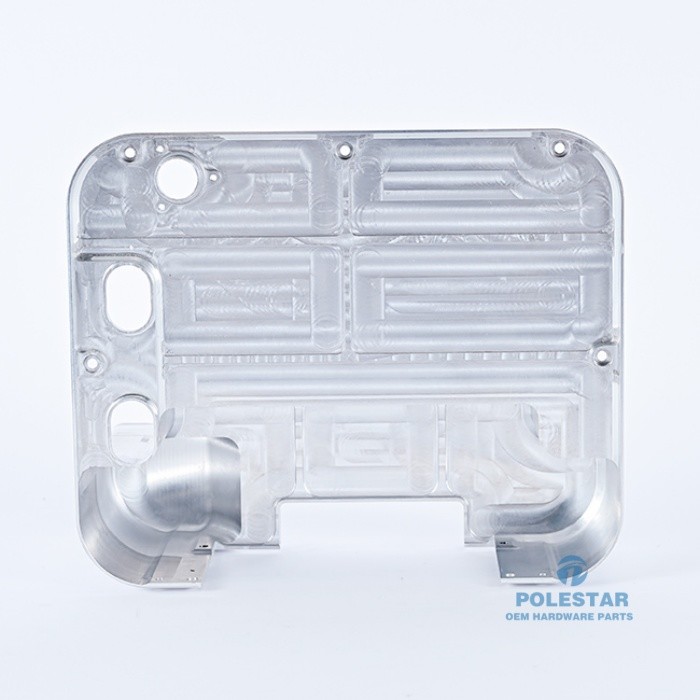
CNC machining creates fluid channels by directly milling channels into a solid block of material, which is then sealed with a cover plate. This approach offers exceptional design flexibility, allowing for optimized channel geometries tailored to specific thermal requirements. CNC machined liquid cold plates are ideal for prototypes and applications requiring complex flow paths.
Vacuum Brazed:
Vacuum brazing joins multiple layers of material to create integrated fluid channels. This process produces strong, leak-free joints with excellent thermal conductivity. Vacuum brazed liquid cold plates are preferred for high-reliability applications including aerospace, military, and medical equipment.
Friction Stir Welded:
Friction stir welding creates a solid-state bond between components without melting the base material. This process produces high-strength, leak-free joints with minimal distortion. Friction stir welded liquid cold plates are widely used in electric vehicle and industrial applications.
Tube Embedded:
Tube embedded designs incorporate formed tubes into a base plate, offering a cost-effective solution for applications with lower thermal requirements. While not achieving the same performance as machined or brazed designs, tube embedded cold plates provide reliable cooling at competitive costs.
Applications Across Industries:
Liquid cold plates serve critical thermal management functions across a diverse range of industries and applications.
Power Electronics and IGBT Modules:
Insulated Gate Bipolar Transistor modules used in motor drives, inverters, and power supplies generate substantial heat that must be efficiently removed to ensure reliable operation. Liquid cold plates provide the cooling capacity required for these high-power semiconductor devices, enabling higher power densities and extended operational lifespans.
Laser Systems:
High-power lasers used in industrial cutting, welding, and medical applications require precise temperature control to maintain beam quality and component longevity. Liquid cold plates deliver the thermal stability necessary for consistent laser performance.
Data Centers and High-Performance Computing:
As processor power densities continue to increase, liquid cooling has become essential for data center efficiency. Liquid cold plates mounted directly on CPUs, GPUs, and memory modules enable higher compute densities while reducing overall facility energy consumption.
Electric Vehicles and Transportation:
Electric vehicle power electronics, including traction inverters and onboard chargers, generate significant heat during operation. Liquid cold plates provide the compact, reliable cooling required for automotive applications while meeting stringent durability and safety requirements.
Aerospace and Defense:
Aerospace applications demand cooling solutions that deliver exceptional reliability under extreme conditions. Liquid cold plates used in radar systems, avionics, and directed energy weapons must meet rigorous quality standards and environmental requirements.
Medical Equipment:
Medical imaging systems, surgical lasers, and therapeutic devices require precise thermal management to ensure patient safety and equipment reliability. It provide the consistent cooling necessary for these critical applications.
Custom Liquid Cold Plate Solutions:
Standard liquid cold plate designs cannot always meet the unique requirements of specific applications. Custom solutions offer the flexibility to optimize performance for particular form factors, heat loads, and operating conditions.
Custom Geometry: Complex enclosures, limited space envelopes, and unique mounting requirements often demand custom cold plate geometries. Custom designs ensure that the cold plate integrates seamlessly with existing system architecture.
Optimized Flow Paths: The arrangement of fluid channels significantly impacts thermal performance. Custom flow path designs can be optimized for specific heat source locations, ensuring that cooling is delivered precisely where it is needed.
Integrated Features: Custom liquid cold plates can incorporate mounting features, threaded inserts, sealing grooves, and other integration elements that simplify assembly and improve overall system reliability.
Material Selection: Custom designs allow for material selection tailored to application requirements, balancing thermal performance, weight, cost, and corrosion resistance.
Quality Assurance and Reliability:
For applications where thermal management is critical to system performance and reliability, quality assurance is paramount.
Leak Testing: Every liquid cold plate must be leak tested to ensure integrity. Helium leak testing provides the highest sensitivity, detecting leaks as small as 1×10⁻⁹ atm·cc/sec.
Flatness Verification: Surface flatness is verified using precision measurement equipment to ensure optimal thermal interface contact. Comprehensive inspection reports document conformance to specifications.
Pressure Testing: Cold plates are pressure tested to verify structural integrity and ensure they can withstand operating pressures without deformation or failure.
Thermal Performance Testing: For critical applications, thermal performance testing validates that the cold plate meets specified heat transfer requirements under actual operating conditions.
Selecting the Right Liquid Cold Plate Partner:
Choosing the right manufacturing partner for liquid cold plates is essential for achieving optimal thermal performance, reliability, and cost-effectiveness.
Technical Expertise: A knowledgeable partner brings deep understanding of thermal dynamics, material properties, and manufacturing processes, enabling optimized designs that deliver maximum performance.
Design Collaboration: Early engagement with a manufacturing partner allows for design optimization that improves performance while reducing cost and lead time.
Quality Systems: ISO 9001 certification demonstrates a commitment to consistent quality, documented processes, and continuous improvement.
Scalable Manufacturing: The right partner offers capabilities ranging from prototype development to high-volume production, ensuring seamless transition from design to production.
Conclusion:
Liquid cold plates represent the leading edge of thermal management technology, enabling the high-power electronic systems that power modern industry. Whether your application demands maximum heat flux removal, precise temperature control, or reliable operation in challenging environments, a well-designed liquid cold plate provides the cooling solution you need.
From initial design through production, partnering with an experienced manufacturer ensures that your liquid cold plate delivers the thermal performance, reliability, and value your application demands.
Request a Consultation Today
Contact us to discuss your thermal management requirements and discover how our liquid cold plate solutions can meet your most demanding cooling challenges.