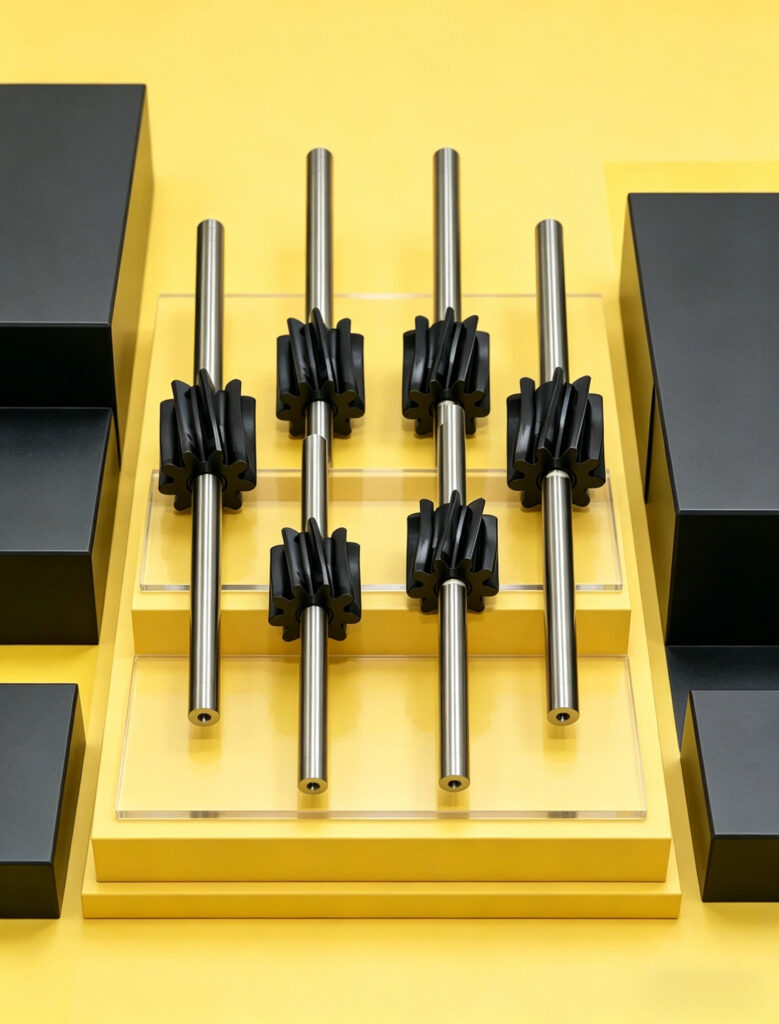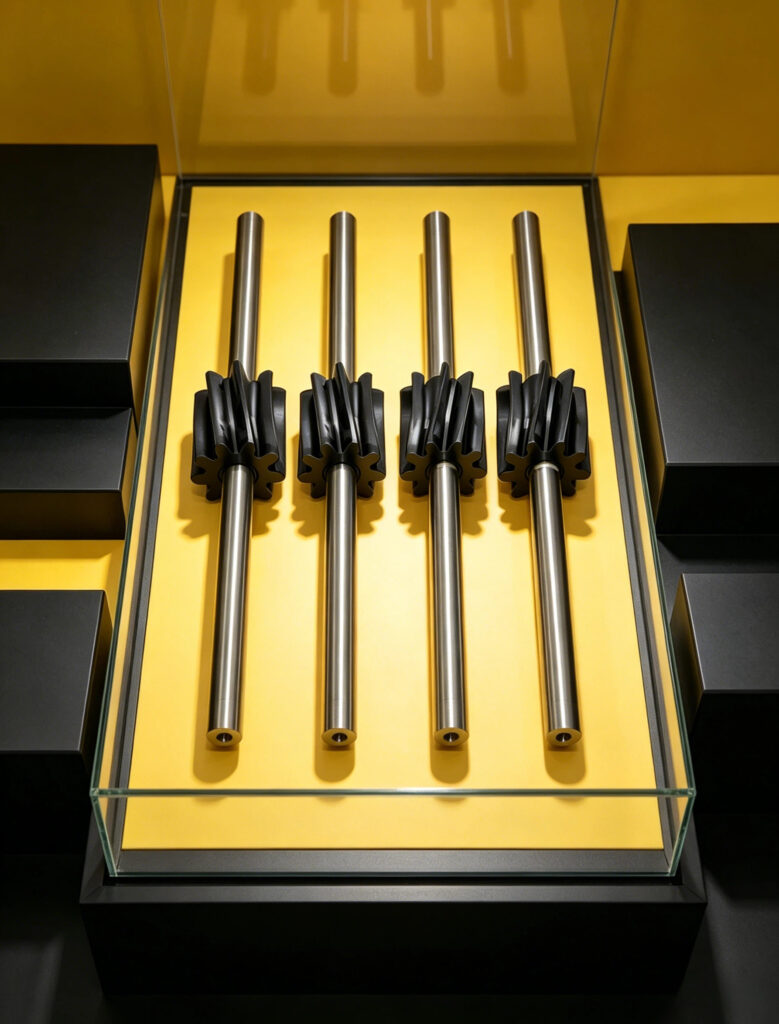
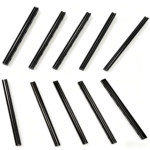
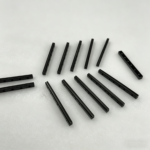
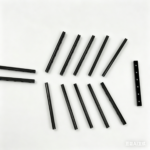
Professional Fully Customizable Linear Guide Shaft 6mm Diameter High Strength Chrome Plated Shaft for CNC Machines
Request a Quote
Enter the quantity you need and add to your quote list for pricing inquiries.
Product Details
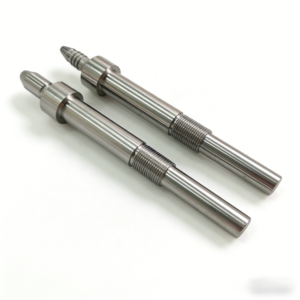
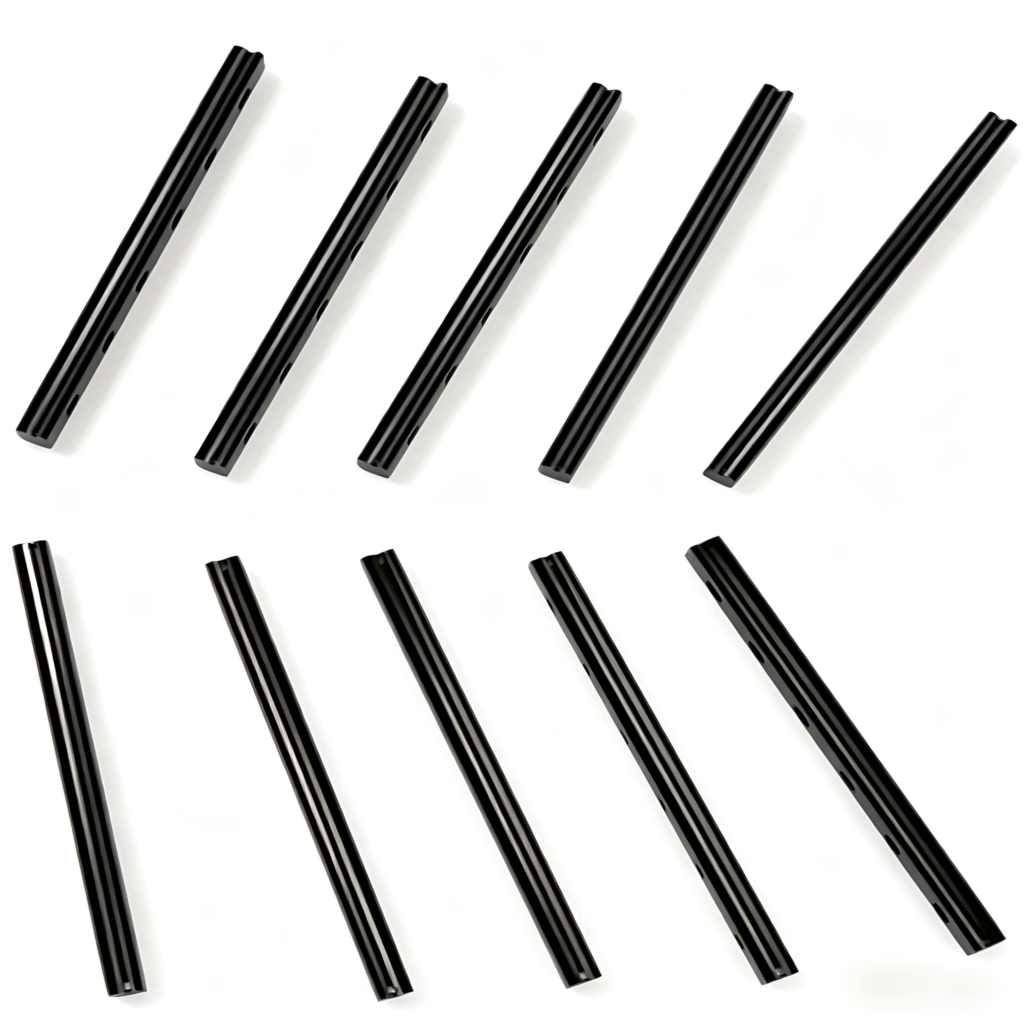
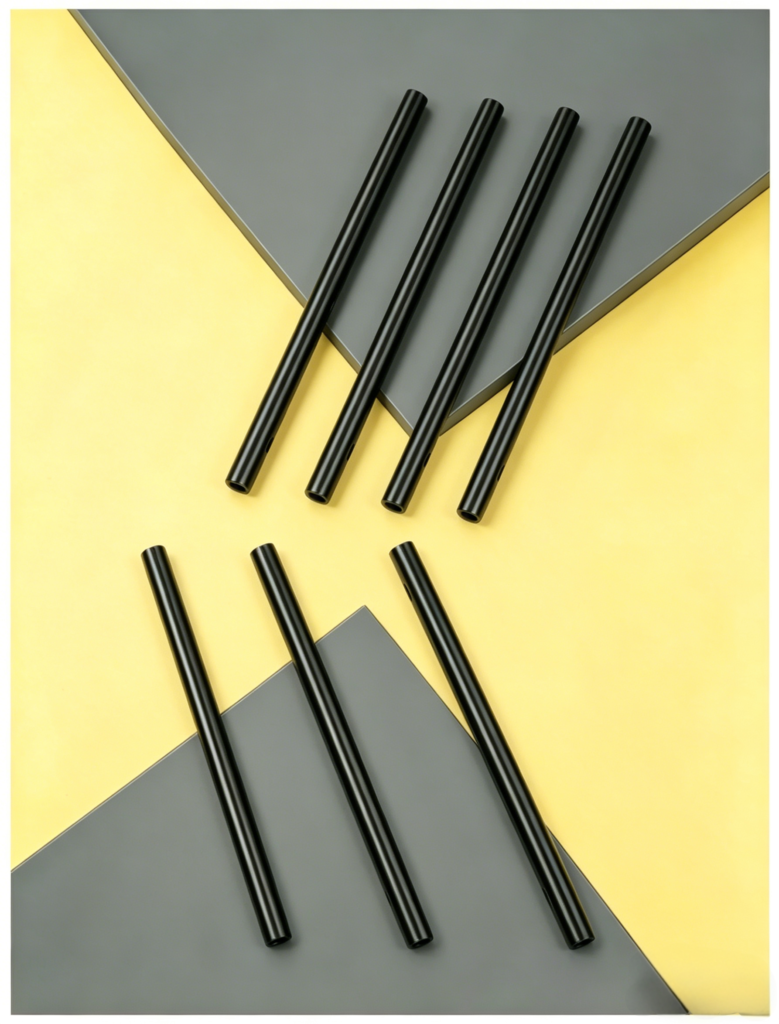
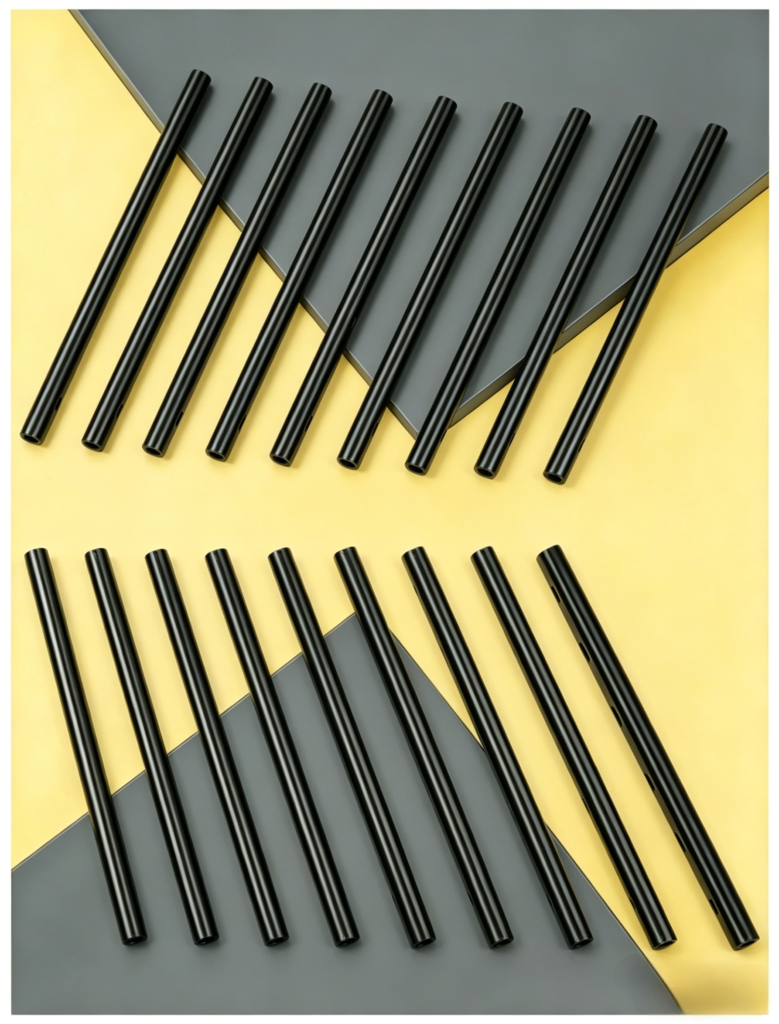
The linear guide shaft is a precision ground round bar for linear motion applications, providing a smooth, low friction surface for linear bearings. Manufactured from GCr15 bearing steel, carbon steel, or stainless steel with induction hardened and chrome plated surface for wear and corrosion resistance. Available in custom diameters from 6mm to 80mm, lengths up to 6000mm, and tolerances of ±0.001mm to ±0.005mm. Suitable for CNC machines, 3D printers, automation equipment, and medical devices. Custom end machining, threaded holes, and keyways available.
What Is a Linear Guide Shaft?
A linear guide shaft is a precision ground round bar that serves as the bearing surface for linear bushings or ball bearings in linear motion systems. The linear guide shaft provides a smooth, hard, and wear-resistant track that allows linear bearings to travel with minimal friction and high positional accuracy. The shaft is typically manufactured from high quality bearing steel and features induction hardened surfaces for exceptional durability.
The linear guide shaft is characterized by its exceptional surface hardness, tight dimensional tolerances, and excellent straightness. Typical features of a linear guide shaft include surface hardness of 58 to 62 HRC, case depth of 1.5 to 3.0 mm, surface roughness of Ra 0.1 to 0.4 μm, diameter tolerance of g6 or h6 standard, and straightness of 0.05 to 0.10 mm per meter. Diameters typically range from 6 mm to 80 mm, with standard lengths up to 6,000 mm. Weight range for a typical linear guide shaft varies from 0.1 kg to over 50 kg, depending on diameter and length requirements.
Manufacturing Process:
The production of a linear guide shaft follows a precise sequence of operations:
Manufacturing Process:
The production of a linear guide shaft follows a precise sequence of operations:
Material Selection:
High quality bearing steel such as GCr15 (52100) or SUJ2 is selected as the raw material. Stainless steel grades like SUS440C or SUS304 may be used for corrosion resistant applications.
Straightening:
The raw bar is straightened using roller straightening machines to remove any initial bow or bend. This step ensures the final linear guide shaft meets straightness requirements.
Turning and Chamfering:
The shaft is turned to approximate diameter with chamfered ends. Center holes may be added for subsequent grinding operations.
Heat Treatment:
Induction hardening or through hardening achieves surface hardness of 58 to 62 HRC. Induction hardening provides a hard case while maintaining a tough core, offering excellent fatigue resistance for the linear guide shaft.
Centerless Grinding:
Precision centerless grinding achieves final diameter tolerance of g6 or h6 (typically ±0.005 to ±0.012 mm). This process ensures consistent diameter along the entire length of the linear guide shaft.
Polishing:
The surface is polished to achieve Ra 0.1 to 0.4 μm finish, providing a smooth surface for linear bearing travel.
Plating (Optional):
Hard chrome plating adds corrosion resistance and improves surface finish. The plating thickness is typically 5 to 15 μm for linear guide shaft applications.
End Machining (Optional):
Custom ends with threads, stepped diameters, chamfers, or mounting holes are machined as required for specific mounting configurations.
Common Materials for Linear Guide Shaft:
GCr15 Bearing Steel:
The most widely used material for linear guide shaft production. Offers high hardness, excellent wear resistance, good fatigue life, and consistent material properties. Ideal for CNC machines, automation equipment, and general industrial applications.
Stainless Steel (SUS440C / SUS304):
Provides superior corrosion resistance. SUS440C can be hardened to similar hardness levels as bearing steel, making it suitable for medical devices, food processing equipment, and marine applications where corrosion resistance is critical.
Carbon Steel:
Induction hardened carbon steel provides a cost-effective solution for less demanding applications. Suitable for light duty linear motion systems and budget-conscious projects.
Aluminum Alloy:
Lightweight but requires hard anodizing for wear resistance. Suitable for light duty applications where weight reduction is a priority, such as portable equipment and 3D printers.
Surface Finishes:
Surface finishing enhances the wear resistance, corrosion protection, and performance of a linear guide shaft. Common finishes include:
As Ground: Raw ground surface straight from centerless grinding, suitable for most industrial applications where additional corrosion protection is not required.
Hard Chrome Plated: Electroplated chromium layer providing excellent corrosion resistance and improved surface hardness. Ideal for applications exposed to moisture or chemicals.
Polished: High gloss finish achieved through additional polishing steps, reducing friction and improving bearing life. Suitable for high speed applications.
Black Oxide: Conversion coating that provides mild corrosion resistance and anti-glare properties. Suitable for optical and measuring equipment.
Electroless Nickel Plating: Uniform nickel-phosphorus coating providing excellent corrosion resistance and hardness. Ideal for precision applications requiring consistent coating thickness.
Applications Across Industries:
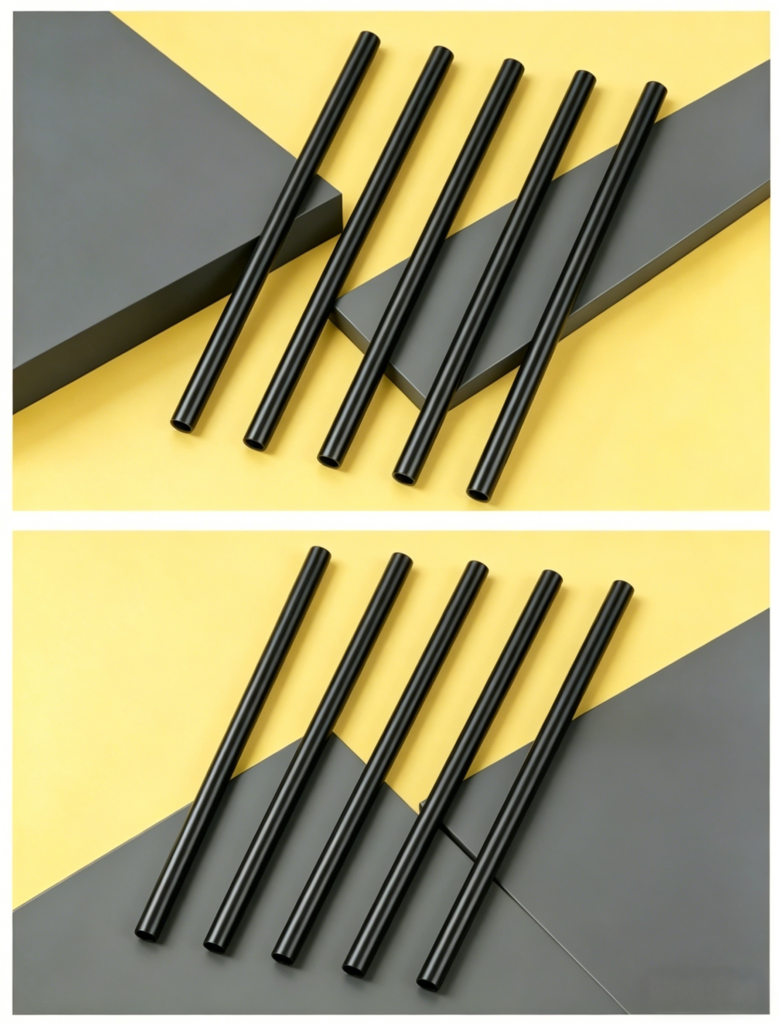
The linear guide shaft is essential across numerous sectors:
Automotive Industry:
Linear guide shafts are used in assembly line automation, robotic welding systems, painting equipment, and testing fixtures. High precision and durability are essential for automotive manufacturing environments.
CNC Machine Tools:
Linear guide shafts provide precise positioning for milling machines, lathes, routers, and grinding machines. Consistent accuracy ensures high quality machined parts.
3D Printers and Additive Manufacturing:
Linear guide shafts enable smooth motion for print beds and extruder assemblies. Consistent travel ensures high print quality and layer accuracy.
Medical Devices:
Diagnostic equipment, surgical robots, patient positioning systems, and laboratory automation require stainless steel linear guide shafts for corrosion resistance and cleanliness.
Semiconductor Equipment:
Wafer handling, inspection systems, and testing equipment demand ultra-precision linear guide shafts with tight tolerances and cleanroom compatibility.
Packaging Machinery:
Carton forming, filling, sealing, and labeling operations use linear guide shafts for reliable high-speed motion and precise positioning.
Textile Machinery:
Linear guide shafts guide yarn carriers, inspection systems, and material handling equipment in textile manufacturing.
Aerospace Industry:
Aircraft assembly fixtures, test equipment, and ground support systems utilize linear guide shafts for precise positioning and reliable operation.
Excellent Use Case: High Speed Pick and Place Machine
Background:
A leading electronics manufacturing company needed a high speed pick and place machine for surface mount technology assembly. The existing linear motion system using round shafts experienced excessive wear and positioning errors at high operating speeds, causing production delays and quality issues.
Solution:
A linear guide shaft was specified using GCr15 bearing steel with induction hardened surface to 62 HRC and hard chrome plating. The shaft featured precision centerless grinding achieving g6 tolerance and Ra 0.1 μm surface finish. Custom end machining with mounting threads was added for secure installation.
Results:
- Speed Increase: Operating speed increased from 150 to 250 components per minute
- Wear Reduction: Shaft life extended from 6 months to over 24 months
- Positioning Accuracy: Improved from ±0.05 mm to ±0.01 mm
- Downtime Reduction: Maintenance intervals extended from weekly to monthly
- Cost Savings: 40% reduction in replacement part costs over two years
This case demonstrates how the linear guide shaft delivers high precision, wear resistance, and long service life for demanding high speed automation applications.
Conclusion:
The linear guide shaft represents a fundamental building block of modern linear motion systems, enabling smooth, accurate, and reliable movement across countless industrial applications. By understanding the materials, manufacturing processes, specifications, and selection criteria outlined in this guide, the right linear guide shaft can be selected for any application—from standard off-the-shelf components to custom engineered solutions with specific diameters, lengths, and end machining requirements.