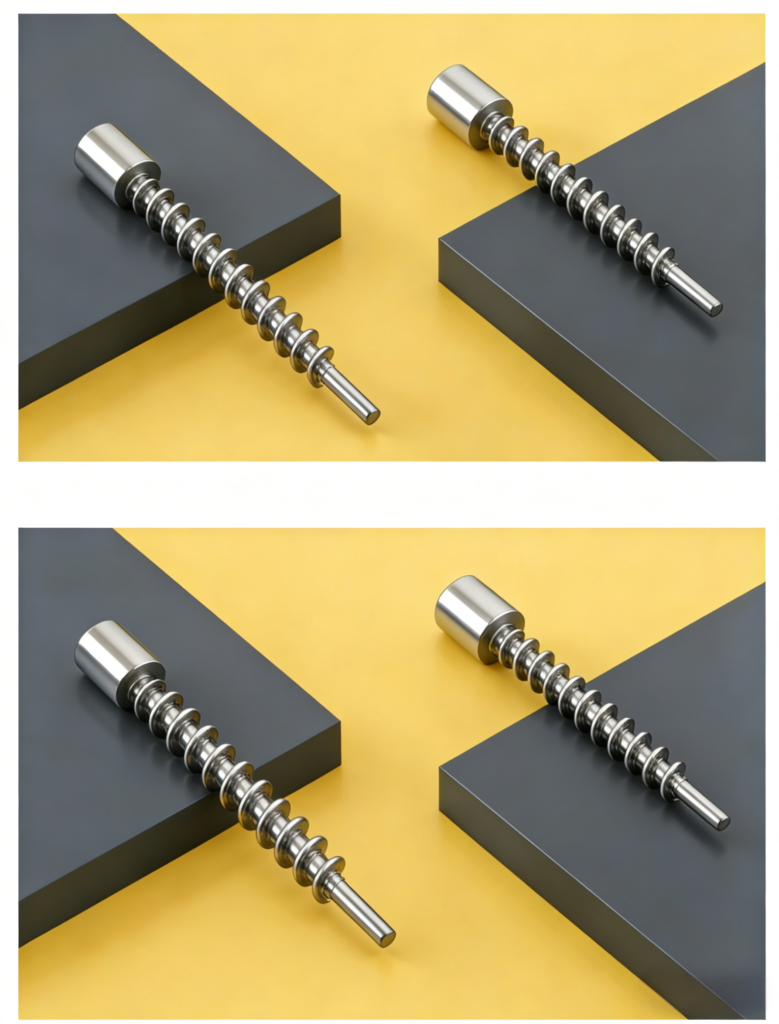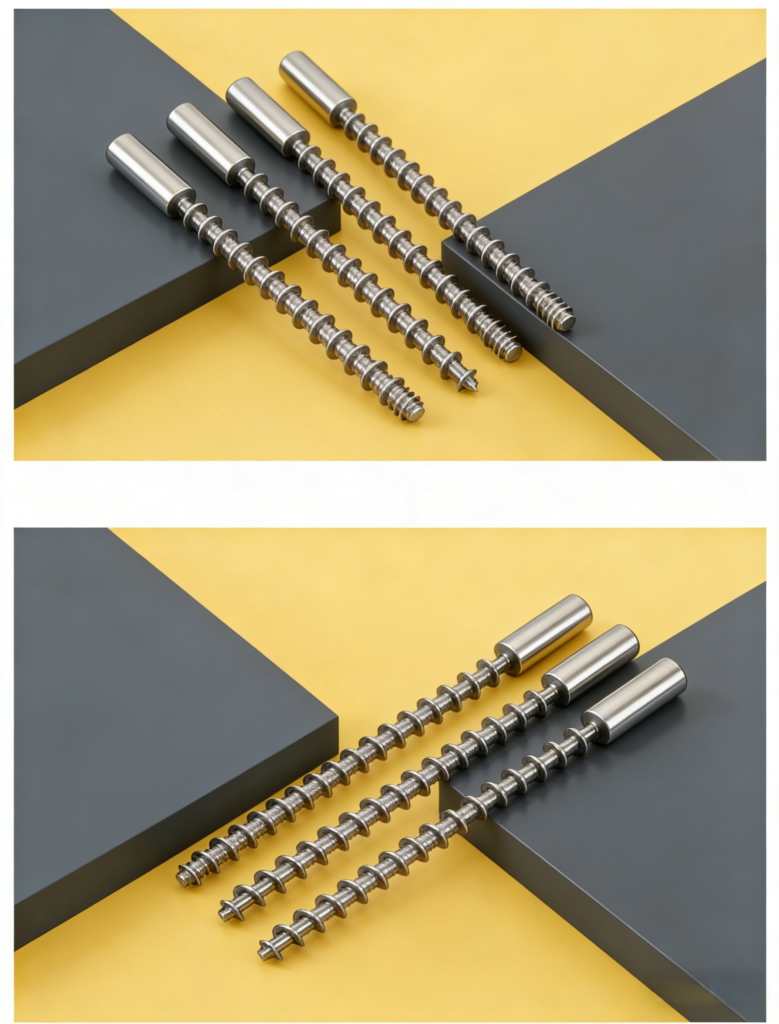
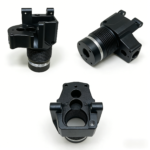
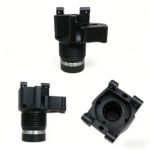
Beauty Hydraulic Swing Clamp 90 Degree Rotation 5000 PSI Workholding Clamp for CNC Machining
Request a Quote
Enter the quantity you need and add to your quote list for pricing inquiries.
Product Details
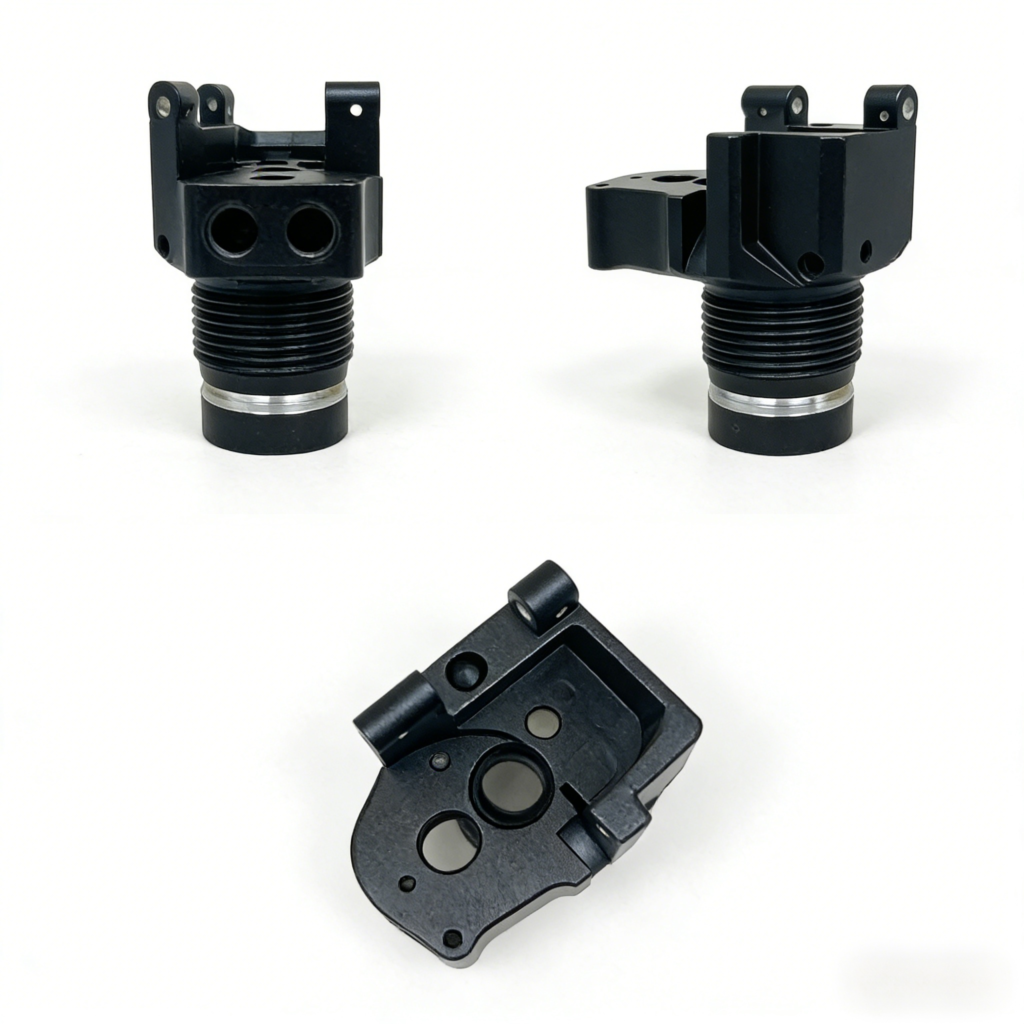
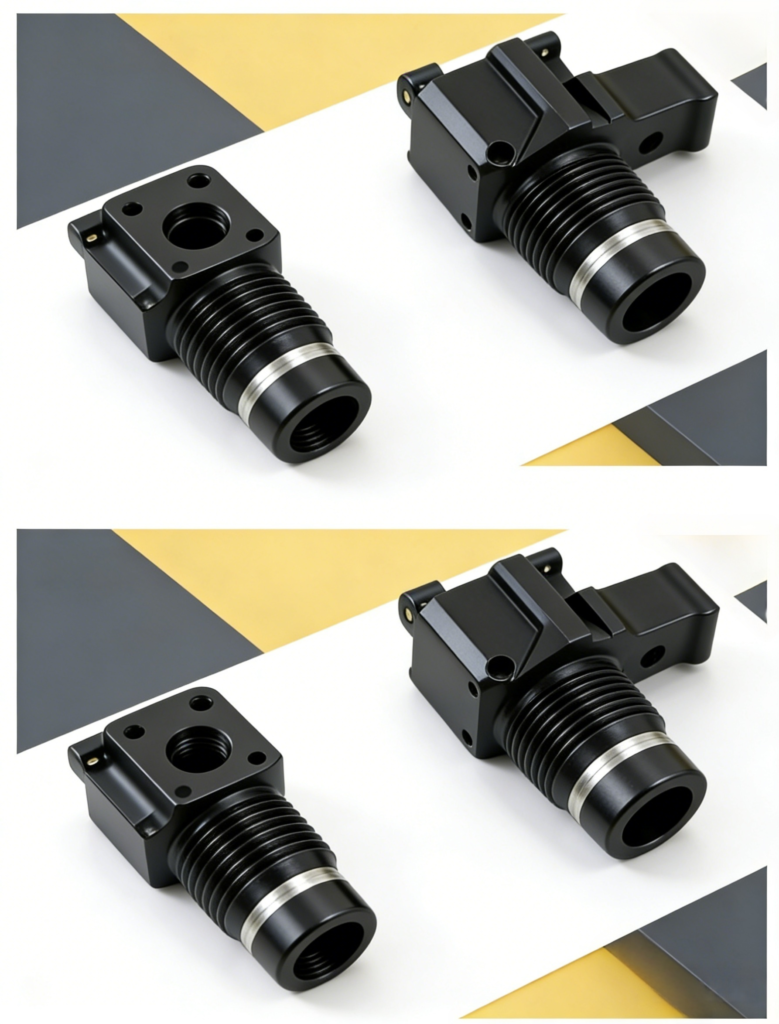
The hydraulic swing clamp is a compact workholding device that combines rotary swing and vertical clamping motion. It swings the arm over the workpiece then applies hydraulic force for secure holding. Ideal for CNC machining centers and automated production lines. Available in 45°, 90°, and 180° swing angles with clamping force from 500 to 10000 PSI. Features zero leakage, high strength steel construction, and long service life.
What Is a Hydraulic Swing Clamp?
A hydraulic swing clamp is a specialized workholding device that combines two distinct motions into a single, compact unit. First, the clamp arm swings horizontally into position above the workpiece. Then, it moves vertically downward to apply clamping force. This unique motion sequence creates unobstructed access for loading and unloading parts, making hydraulic swing clamps ideal for automated workholding applications.
The clamp is powered by hydraulic pressure, typically ranging from 500 PSI to 10,000 PSI, depending on the application requirements. Hydraulic swing clamps are manufactured from high-strength materials such as hardened steel and feature precision seals to prevent leakage and ensure reliable long-term performance.
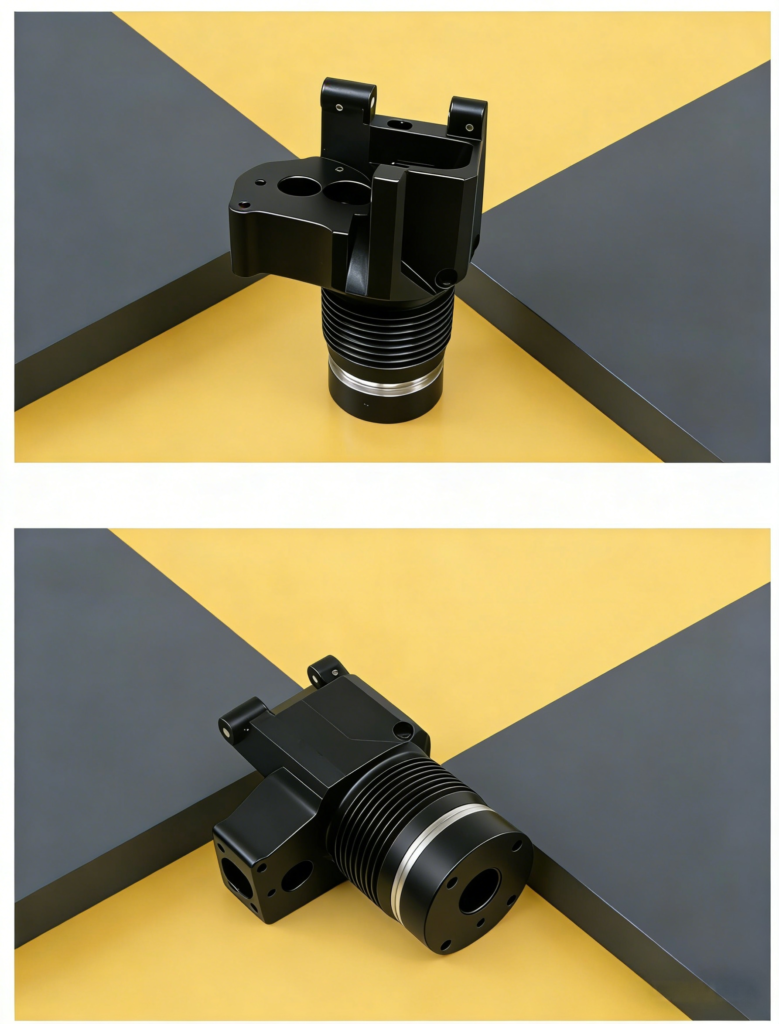
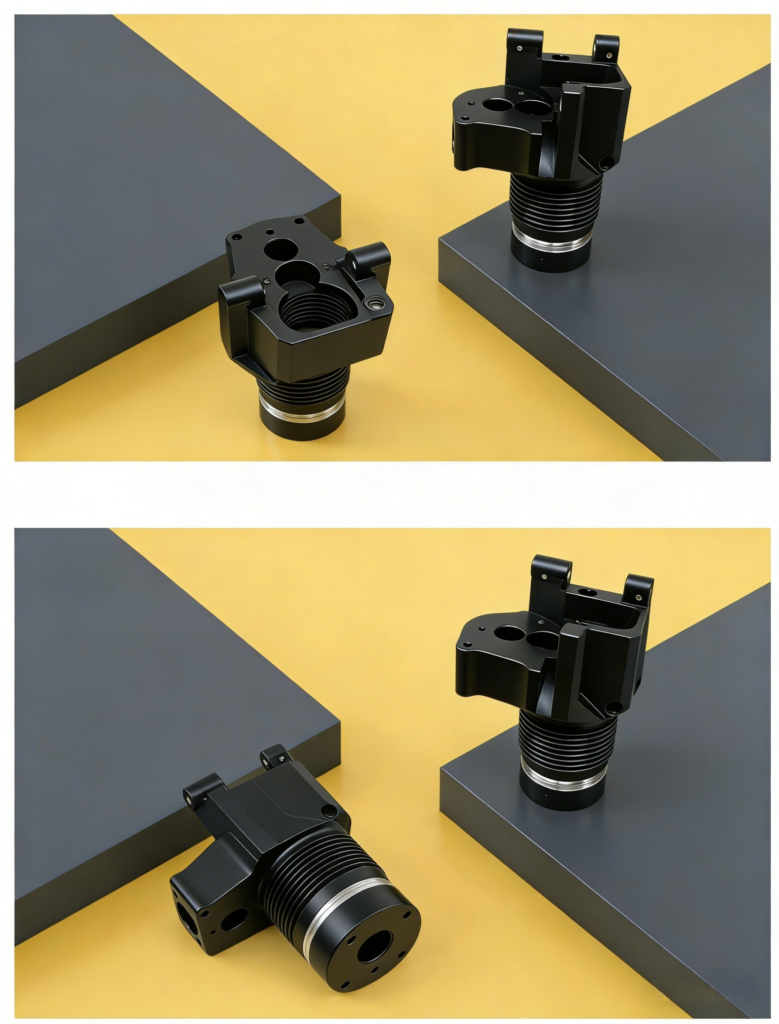
How Hydraulic Swing Clamps Work:
The operation of a hydraulic swing clamp follows a precise sequence. When hydraulic pressure is applied to the clamp inlet port, internal mechanisms first rotate the clamp arm to a predetermined swing angle, typically 45 degrees, 90 degrees, or 180 degrees. Once the arm reaches its fully swung position, continued pressure initiates the vertical clamping stroke, bringing the arm down onto the workpiece with controlled force.
When pressure is released or reversed, the sequence reverses. The clamp arm first retracts vertically, then swings back to its original parked position, completely clearing the work zone for part removal and replacement. This automatic sequence enables rapid part changeover and integration with automated loading systems.
Types of Hydraulic Swing Clamps:
To optimize for SEO and help users find the right product, it is important to categorize the different types of hydraulic swing clamps available in the market:
Standard:
This basic configuration offers reliable performance for general-purpose workholding. Available in various swing angles and clamping force ratings, standard clamps suit a wide range of machining applications.
Low Profile:
Designed for applications with limited vertical clearance, low-profile clamps feature reduced overall height while maintaining full clamping force. These are ideal for tombstone fixtures and pallet systems.
Heavy Duty:
Engineered for high-force applications, heavy-duty clamps withstand demanding conditions including high vibration, extreme pressure, and continuous operation. These are commonly used in aerospace and heavy equipment manufacturing.
Corrosion Resistant:
Manufactured from stainless steel or with specialized coatings, corrosion-resistant clamps excel in marine, chemical, and food processing environments where exposure to moisture or corrosive substances is a concern.
High Speed:
Optimized for rapid cycling applications, high-speed clamps minimize swing and clamp times to maximize production throughput. These are ideal for high-volume manufacturing lines.
Custom:
For specialized applications, custom hydraulic swing clamps can be engineered to exact specifications, including unique swing angles, clamping forces, mounting configurations, and integrated sensing capabilities.
Key Applications Across Industries:
The versatility of the hydraulic swing clamp makes it indispensable across numerous manufacturing sectors:
CNC Machining Centers:
Hydraulic swing clamps are widely used on CNC mills, lathes, and machining centers to secure parts during cutting operations. Their ability to swing clear of the work zone enables easy part loading and unloading.
Automotive Manufacturing:
In automotive production lines, hydraulic swing clamps hold engine blocks, transmission housings, and suspension components during machining and assembly operations. High-speed versions support rapid production cycles.
Aerospace Manufacturing:
Precision is paramount in aerospace. Hydraulic swing clamps provide the high clamping forces and repeatable positioning required for machining critical aircraft components such as turbine blades and structural frames.
Industrial Automation:
Automated workholding systems integrate hydraulic swing clamps with robotics and programmable logic controllers to enable unattended manufacturing operations.
Fixture and Tombstone Systems:
On palletized fixture systems and tombstone workholders, low-profile hydraulic swing clamps maximize part density while providing secure clamping from multiple sides.
Heavy Equipment Manufacturing:
Construction, mining, and agricultural equipment manufacturers rely on heavy-duty hydraulic swing clamps to hold large, heavy components during machining operations.
How to Select the Right Hydraulic Swing Clamp:
Choosing the appropriate hydraulic swing clamp for your application requires careful consideration of several factors:
Clamping Force Requirements:
Determine the force needed to securely hold your workpiece against cutting or assembly forces. Hydraulic swing clamps are available with clamping forces ranging from a few hundred pounds to over 10,000 pounds.
Swing Angle:
Select the swing angle that provides adequate clearance for part loading and unloading. Common options include 45 degrees, 90 degrees, 135 degrees, and 180 degrees.
Operating Pressure:
Ensure the clamp is compatible with your facility hydraulic system pressure, typically ranging from 500 PSI to 5000 PSI for standard applications, with high-pressure versions available for special requirements.
Mounting Configuration:
Consider whether top flange mounting, side mounting, or bottom porting best suits your fixture design. Proper mounting orientation ensures optimal performance and accessibility.
Environmental Conditions:
For applications involving coolant, chips, moisture, or chemicals, select clamps with appropriate seals, wipers, and corrosion-resistant materials.
Sensing and Monitoring:
For automated applications, consider clamps with integrated position sensing to confirm clamped and unclamped states for programmable logic controller feedback.
Installation Best Practices:
Proper installation ensures the hydraulic swing clamp performs reliably throughout its service life. Follow these best practices:
Ensure Clean Fluid:
Use properly filtered hydraulic fluid meeting manufacturer specifications. Contamination is the leading cause of seal failure and clamp malfunction.
Verify Pressure Settings:
Confirm that system pressure does not exceed the clamp maximum rating. Install pressure relief valves where necessary to protect the clamp from pressure spikes.
Provide Adequate Clearance:
Ensure sufficient space for the clamp arm to swing freely without interference from fixtures, parts, or other components.
Use Proper Fasteners:
Mount clamps using grade-appropriate bolts torqued to manufacturer specifications. Loose mounting can cause misalignment and premature wear.
Install Protective Covers:
In harsh machining environments, consider protective covers or bellows to shield clamp rods and seals from chips and coolant.
Maintenance and Troubleshooting:
Regular maintenance extends hydraulic swing clamp life and prevents unexpected downtime:
Inspect Seals Regularly:
Check for signs of seal wear or leakage. Replace seals at recommended intervals or at first sign of weeping.
Monitor Clamping Force:
Periodically verify that clamps achieve full clamping force. Reduced force may indicate internal wear or pressure issues.
Clean Exterior Surfaces:
Remove chips, dirt, and dried coolant from clamp exterior to prevent contamination ingress through seals and vents.
Check Swing Action:
Ensure smooth, complete swing rotation. Binding or incomplete swinging may indicate mechanical damage or contamination.
Future Trends in Hydraulic Swing Clamp Technology:
The hydraulic swing clamp continues to evolve with manufacturing technology advances:
Smart Clamps with Integrated Sensors:
Embedded position sensors and pressure transducers enable real-time monitoring and predictive maintenance alerts.
Energy Efficient Designs:
Optimized porting and reduced internal friction lower hydraulic power consumption.
Compact High Force Configurations:
Advances in materials and sealing technology enable higher clamping forces in smaller packages.
Corrosion Resistant Materials:
Expanded use of stainless steel and specialized coatings for challenging environments.
Conclusion:
The hydraulic swing clamp represents a significant advancement in workholding technology, combining the benefits of rotary positioning with vertical clamping in a single, compact unit. By enabling unobstructed part access, rapid changeover, and reliable holding force, hydraulic swing clamps help manufacturers achieve higher productivity, better part quality, and lower operating costs.
Understanding the types, applications, and selection criteria outlined in this guide enables you to confidently choose the right hydraulic swing clamp for your specific requirements. Whether you need a standard clamp for general machining or a custom engineered solution for specialized applications, investing in quality hydraulic swing clamps delivers long term returns through improved efficiency and reduced downtime.