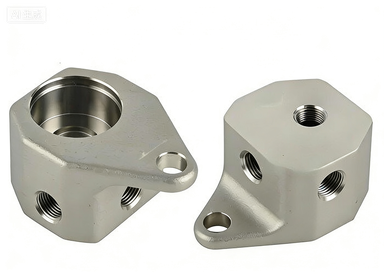
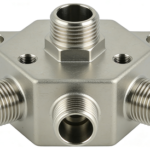
Absolute Zero-Leak Hydraulic Manifold Block – Achieve 99.8% Sealing Integrity
Request a Quote
Enter the quantity you need and add to your quote list for pricing inquiries.
Product Details
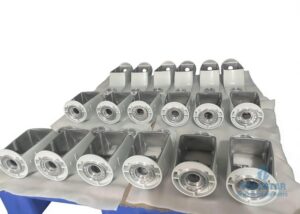
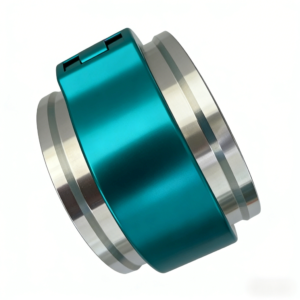
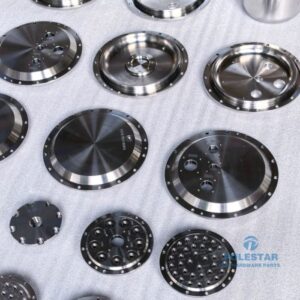
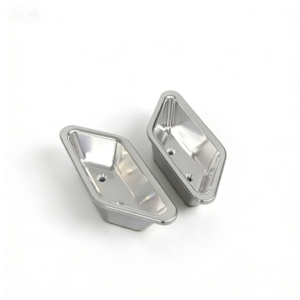
Precision machined from high-strength alloy steel, hydraulic manifold blocks feature compact structure, high pressure resistance and excellent sealing performance. With customizable port sizes, flow paths and mounting configurations, they are widely used in construction machinery, agricultural equipment, marine systems and industrial hydraulic units. Strict quality control ensures stable performance, low leakage and long service life, providing safe and efficient fluid control solutions for various hydraulic systems.
What Is a Hydraulic Manifold Block?
A hydraulic manifold block is a solid block of metal—typically steel, aluminum, or ductile iron—that serves as the central control hub for a hydraulic system. Instead of using a complex web of hoses and tubes to connect individual valves, a manifold block features precision-machined internal passageways (drilled channels) that direct hydraulic fluid between components.
These blocks mount valves directly onto their surfaces, eliminating the need for external piping between valves. By consolidating directional control valves, pressure relief valves, flow controls, and actuators into a single assembly, the manifold block drastically simplifies the hydraulic circuit.
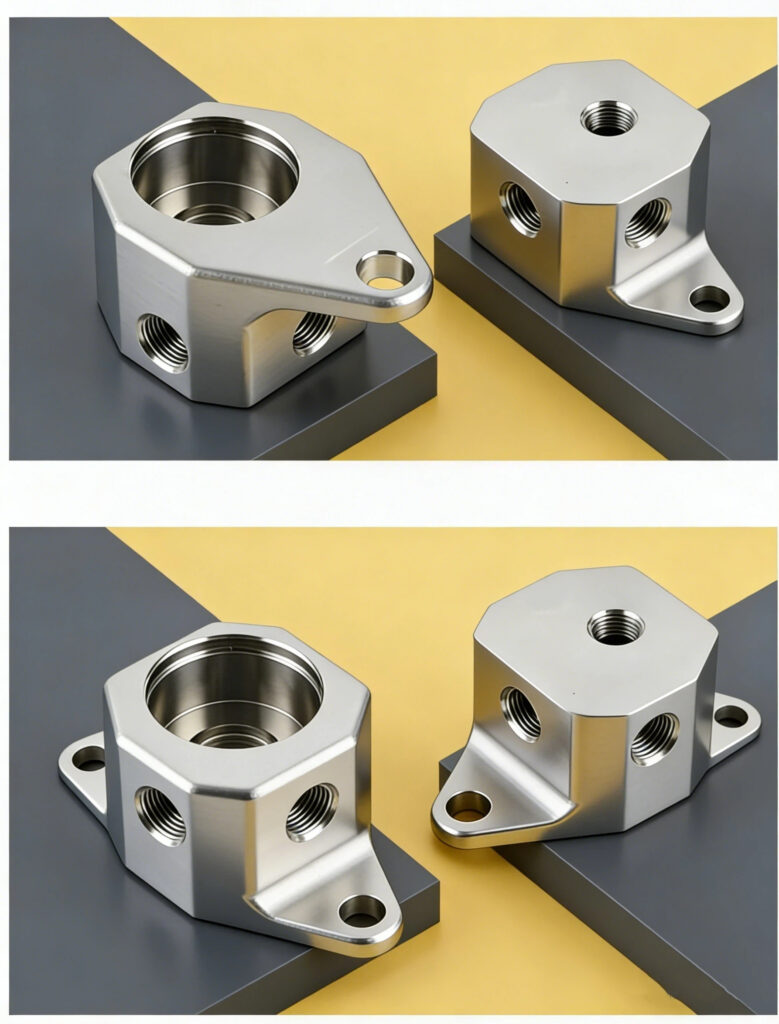
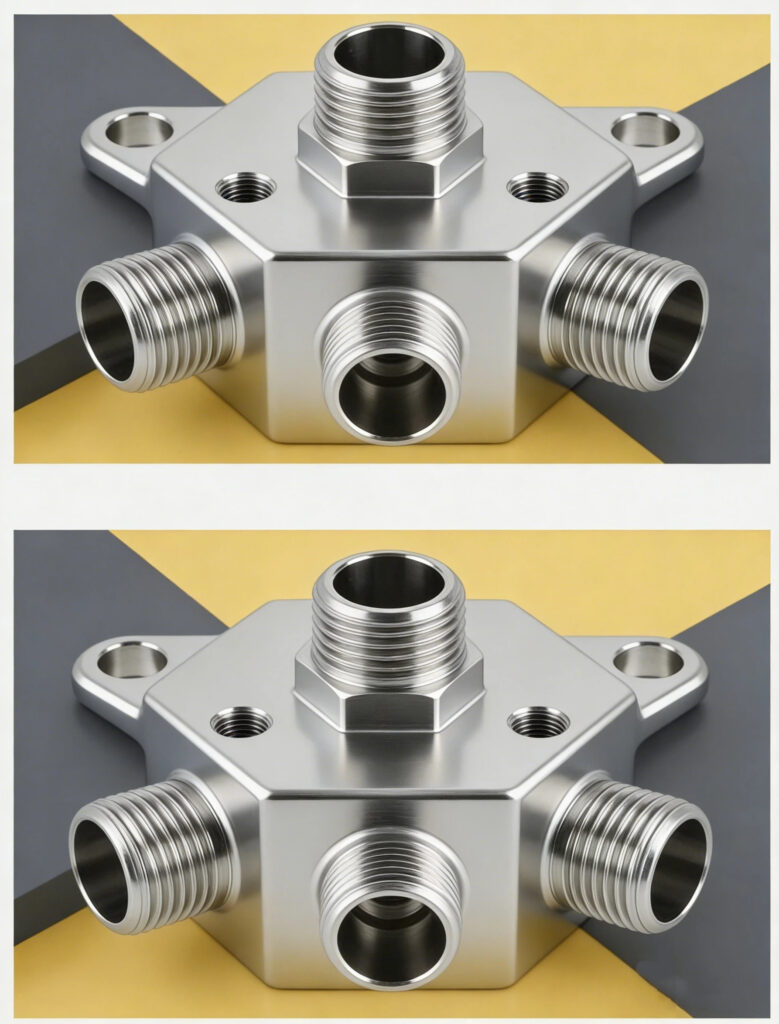
Types of Hydraulic Manifold Blocks:
Classifying the different types of manifolds available in the market helps provide a clearer understanding of their applications and characteristics.
Modular Manifold Blocks:
These are stackable blocks. Each block typically houses a specific function, such as a pressure reducing valve or check valve. Engineers can “stack” them together to build a custom hydraulic system without custom machining a single large block. This offers flexibility for standard industrial applications.
Custom/Machined Manifold Blocks:
For high-performance or space-constrained applications, custom hydraulic manifold blocks are the gold standard. These are designed using CAD software and machined on CNC machining centers. They consolidate dozens of valves onto one block, minimizing weight and maximizing reliability. Industries like mobile hydraulics (excavators, tractors) and aerospace rely heavily on custom designs.
Subplate Manifolds:
These act as an interface between a valve and the rest of the system. They are used to mount standard ISO or DIN cartridge valves, providing a standardized mounting surface while directing flow to the actuator ports.
Key Advantages of Using Hydraulic Manifold Blocks:
Why should manufacturers switch from traditional tube-and-hose circuits to manifold-based architecture? Here are the critical benefits:
Leakage Reduction:
Statistics show that up to 70% of hydraulic system failures are due to external leakage. Traditional systems have hundreds of potential leak points, including tube fittings and adapters. A hydraulic manifold block eliminates the vast majority of these fittings by integrating the passages internally. Fewer connections mean safer workplaces and less fluid loss.
Compact Footprint:
In mobile machinery, space is at a premium. Manifold blocks allow valves to be mounted directly on the engine or chassis without the need for large valve stands or extensive tubing. This reduces the overall weight of the machine and improves fuel efficiency.
Improved Thermal Management:
Hydraulic fluid generates heat as it flows. By minimizing the length of tubing and concentrating the valves in a dense metal block, the manifold acts as a heat sink, dissipating heat more efficiently than long, uninsulated hoses.
Reduced Installation Time:
Assembly lines benefit significantly from manifold blocks. Instead of a technician spending hours tightening dozens of fittings and bending tubes, a manifold block arrives pre-assembled. The installer simply mounts the block and connects the main pressure, return, and actuator lines.
Design Considerations for Optimal Performance:
When sourcing or designing a hydraulic manifold block, several technical factors must be evaluated to ensure longevity and efficiency:
Material Selection:
- Steel (1045 or 12L14): Ideal for high-pressure systems up to 5,000 PSI and beyond. Steel offers durability and resistance to wear in rugged environments.
- Aluminum (6061-T6): Best for low to medium pressure systems under 3,000 PSI. It is lightweight, easier to machine, and excellent for mobile applications where weight reduction is critical.
- Ductile Iron: Often used for industrial subplates due to its vibration damping properties.
Drilling and Flow Paths:
The internal geometry of the manifold must be designed to minimize pressure drops. Sharp corners in the drilled passages can cause turbulence and heat generation. Modern design practices utilize cross-drilling optimization and careful port placement to ensure smooth transitions, maintaining laminar flow and reducing energy loss.
Valve Interface:
The manifold must adhere to industry standards such as CETOP, ISO 4401, or NFPA to ensure compatibility with off-the-shelf valves. Precision in surface finish (typically 32 Ra or better) and flatness is crucial to prevent leakage at the valve-to-manifold interface. Even minor deviations can lead to seal failure and system downtime.
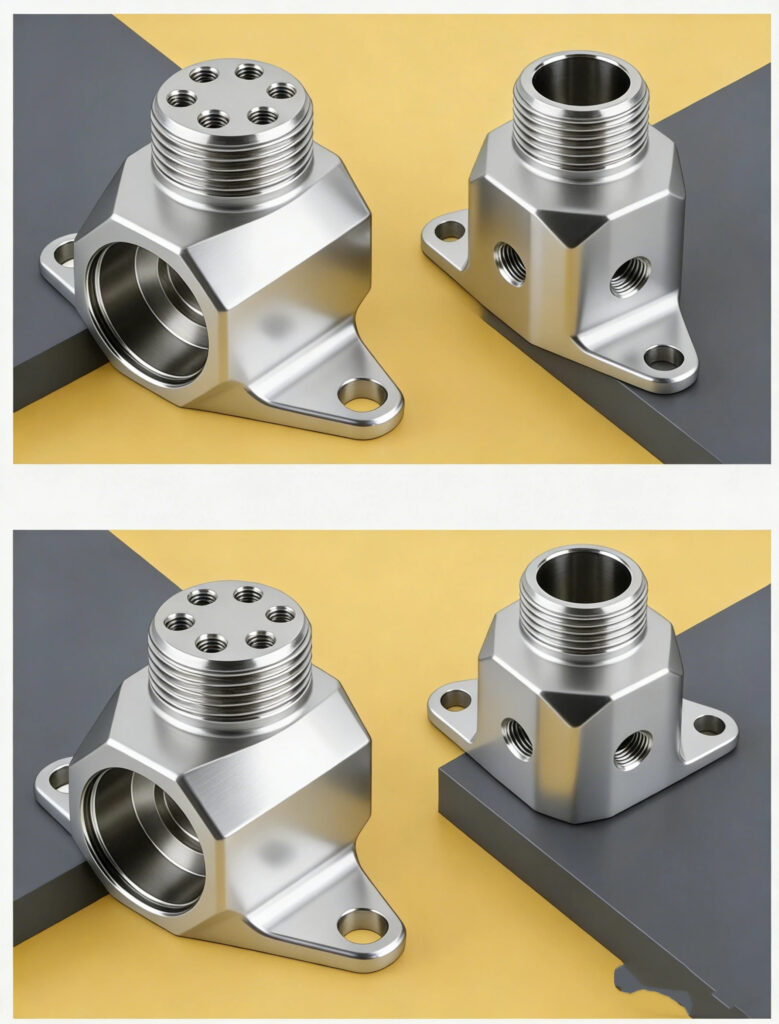
Applications Across Industries:
The versatility of the hydraulic manifold block makes it indispensable across sectors:
- Construction & Agriculture: Excavators, loaders, and harvesters use high-flow manifolds to manage boom arms, buckets, and steering functions.
- Oil & Gas: Subsea blowout preventers rely on corrosion-resistant manifold blocks to control catastrophic failures under extreme underwater pressures.
- Machine Tools: CNC machining centers use proportional manifold blocks to precisely control spindle movement and tool changers.
- Renewable Energy: Wind turbines utilize hydraulic manifolds for blade pitch control and braking systems, where reliability is critical for safety and performance.
How to Select the Right Hydraulic Manifold Block Supplier:
Choosing the right manufacturer is as important as choosing the right design. When evaluating suppliers, consider the following:
- CNC Capabilities: Ensure the supplier has advanced CNC machining centers, ideally 5-axis, to allow for complex drilling angles without excessive welds or plugs.
- Pressure Testing: A reputable supplier will pressure test every block to 1.5 times the maximum operating pressure to validate structural integrity and identify any leaks in the internal passages.
- Surface Finish Quality: Ask about the sealing surface flatness specifications. Poor surface finishes lead to premature seal failure and potential safety hazards.
- Custom Engineering Support: If you require a custom solution, look for suppliers with in-house engineering teams capable of performing computational fluid dynamics analysis to optimize flow paths and reduce pressure drop.
Maintenance and Troubleshooting:
Even the best hydraulic manifold blocks require some level of maintenance. Common issues include:
- Cracked Castings: Usually caused by excessive torque on mounting bolts, thermal shock, or fatigue over time.
- Contamination: If the fluid is not properly filtered, small orifices within the manifold can become clogged. Implementing a proper filtration system that meets ISO 4406 cleanliness codes is essential.
- Valve Sticking: If valves mounted on the manifold fail, it is often due to loose mounting bolts causing distortion in the valve body or contamination in the fluid.
Regular inspection of torque settings and consistent fluid analysis will extend the life of your manifold block indefinitely and prevent unexpected system failures.
Future Trends: Integration and IoT:
The hydraulic industry is moving toward integrated hydraulic manifolds. Modern trends include embedding sensors directly into the manifold block. Instead of external pressure transducers, smart manifolds now feature integrated pressure and temperature sensors that communicate with the machine’s IoT platform. This allows for predictive maintenance—alerting operators to internal wear or contamination before a catastrophic failure occurs.
Additionally, additive manufacturing (3D printing) is gaining traction in the hydraulic sector. 3D-printed hydraulic manifold blocks allow for organic flow paths that reduce weight by up to 70% compared to traditionally drilled blocks. Although the cost currently limits this technology to aerospace and high-performance motorsport applications, it is expected to become more accessible in the coming years.
Environmental and Efficiency Considerations:
As industries push for greater sustainability, hydraulic manifold blocks contribute to environmentally friendly operations in several ways. By significantly reducing the number of potential leak points, they minimize the risk of hydraulic oil spills, which can be harmful to the environment. Furthermore, the reduction in pressure drops within the manifold translates to lower energy consumption, as pumps do not have to work as hard to maintain system pressure. This combination of leak prevention and energy efficiency makes modern manifold designs a key component in green manufacturing initiatives.
Conclusion:
The hydraulic manifold block is far more than just a chunk of metal with holes drilled in it; it is the brain of the hydraulic system. By centralizing valve control, reducing leak points, and streamlining assembly, it offers a superior alternative to traditional piping methods.
Whether you require a standard modular stack or a fully customized CNC-machined block, investing in high-quality manifold design leads to increased machine uptime, lower maintenance costs, and safer operational environments. As technology advances toward smart sensors and 3D-printed fluid pathways, the humble manifold block continues to evolve, remaining a cornerstone of modern industrial machinery.