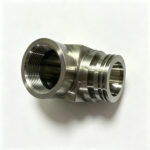
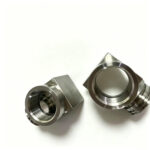
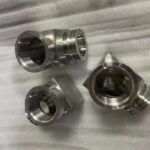
Custom Efficient Engineered Hydraulic Elbow Fitting 3 Thread Size High Pressure Steel Elbow Fitting
Request a Quote
Enter the quantity you need and add to your quote list for pricing inquiries.
Product Details
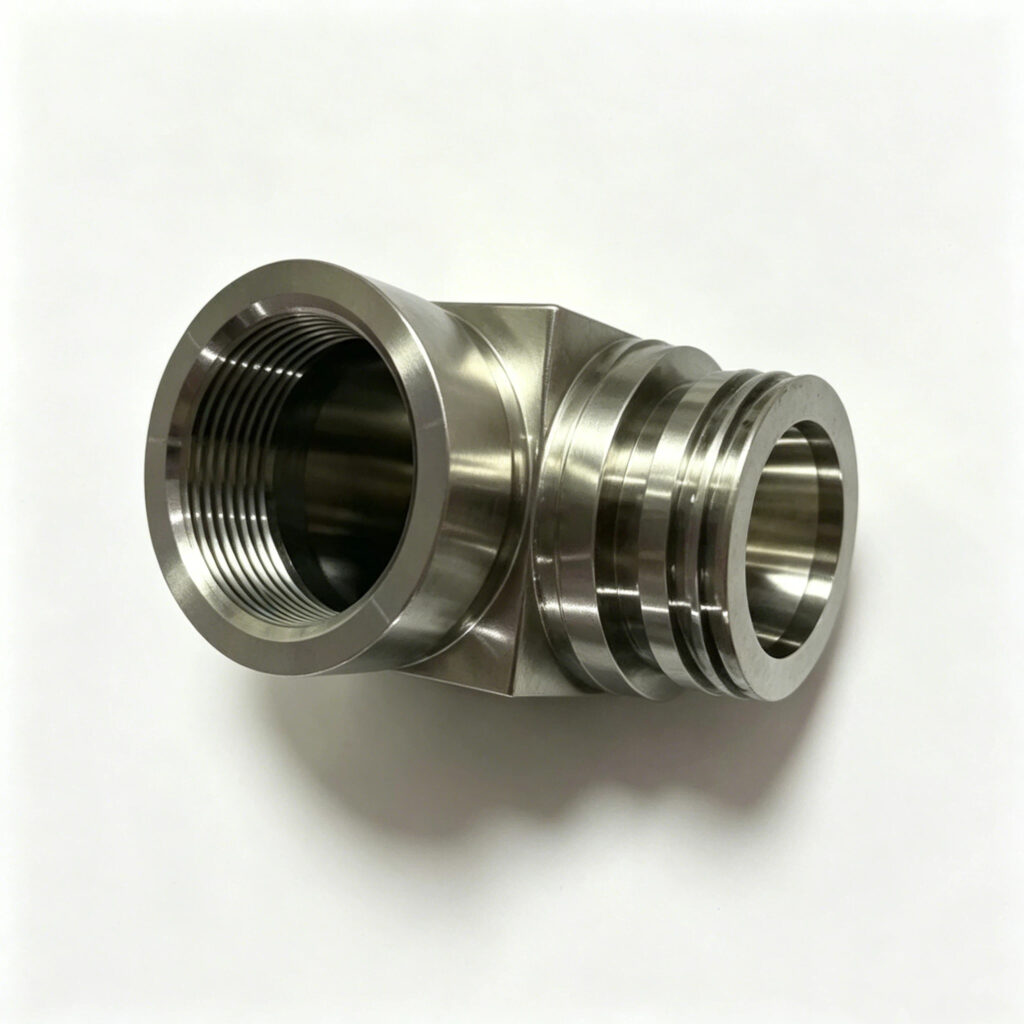
A hydraulic elbow fitting is a threaded or push-to-connect tube fitting that changes the direction of fluid flow in hydraulic systems, typically at 45 or 90 degrees. It allows tight routing around obstacles and reduces the need for bent hoses. Manufactured from steel, stainless steel, brass, or aluminum. Available in custom sizes from 1/8 inch to 2 inch, thread types including NPT, BSP, JIC, and metric, and configurations including male-male, male-female, and female-female. Features include precision machined threads, corrosion resistant coatings, and high pressure ratings. Custom hydraulic elbow fittings available with specific angles, thread types, and surface finishes including zinc plating and passivation.
What Is a Hydraulic Elbow Fitting?
A hydraulic elbow fitting is a threaded or push-to-connect tube fitting that changes the direction of fluid flow in hydraulic systems, typically at 45 or 90 degrees. Unlike straight fittings that maintain linear flow, the hydraulic elbow fitting allows tight routing around obstacles, reduces the need for bent hoses, and minimizes stress on hydraulic lines by providing smooth directional changes.
It is characterized by its angled body, precision threads, and high-pressure construction. Typical features include a 45° or 90° bend angle, male or female threads on one or both ends, a hex body for wrench tightening, precision-machined sealing surfaces, and corrosion-resistant coatings. Size ranges from 1/8 inch to 2 inch, with thread types including NPT, BSP, JIC, and metric. The hydraulic elbow fitting enables compact system design, reduces potential leak points, and simplifies maintenance access.
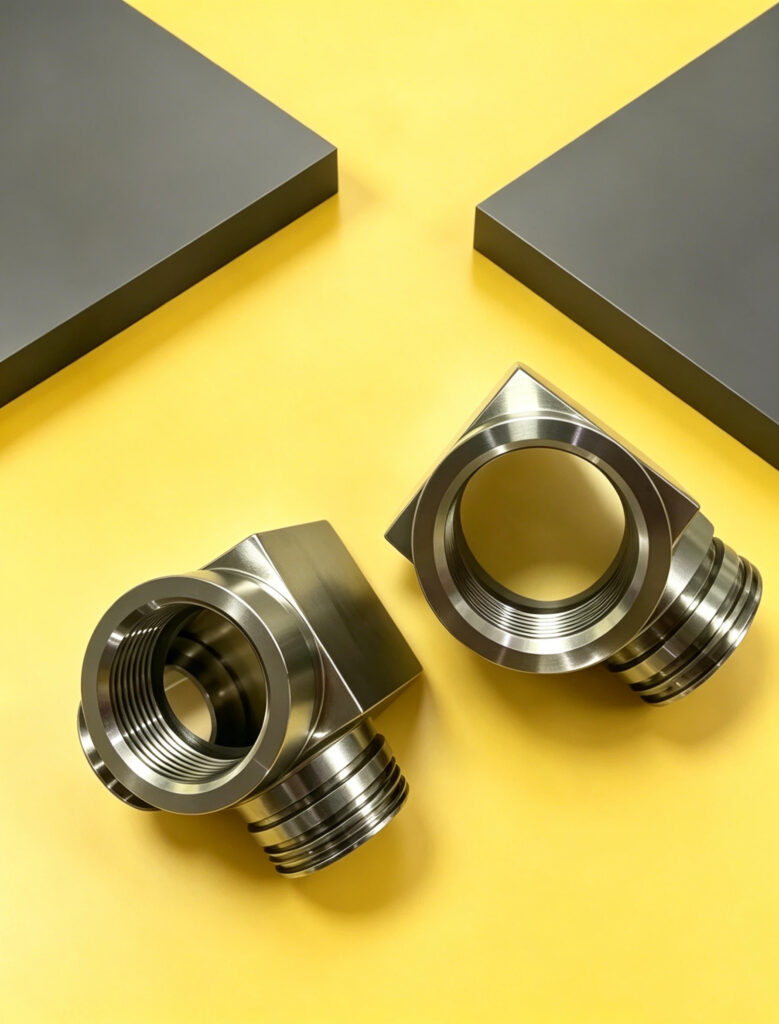
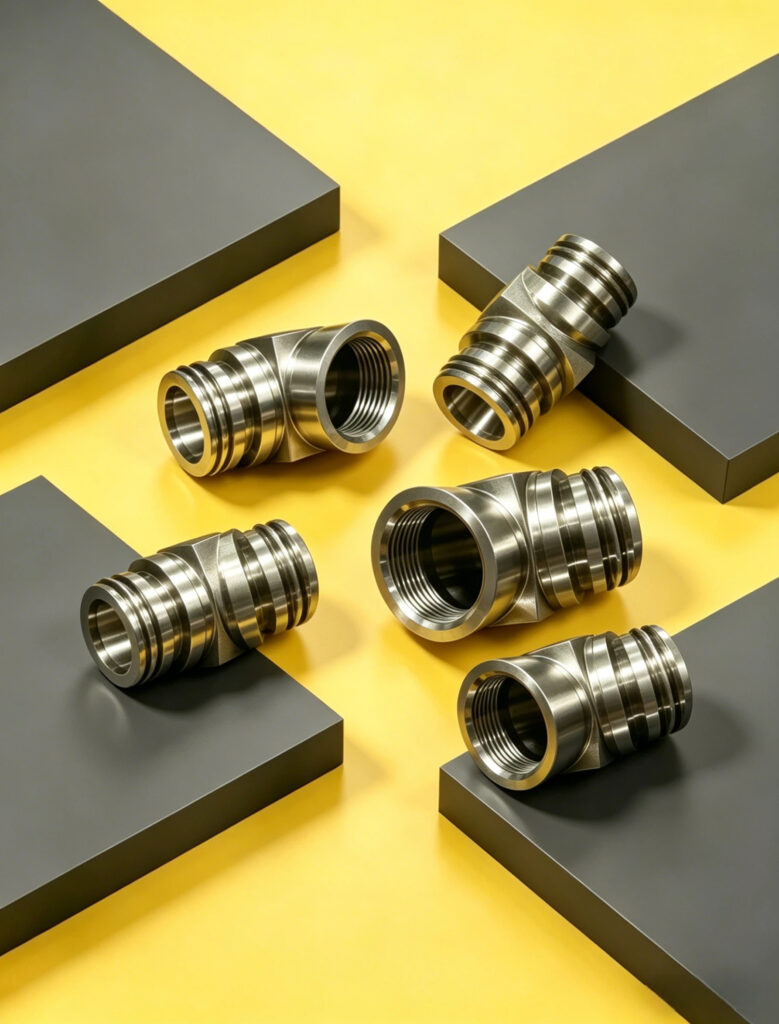
Types of Hydraulic Elbow Fittings:
90 Degree Hydraulic Elbow Fitting:
The most common configuration, providing a right-angle turn in fluid flow. Available in male-male, male-female, and female-female thread configurations. Suitable for tight spaces where straight connections are impossible.
45 Degree Hydraulic Elbow Fitting:
Provides a shallower turn than 90-degree elbows, reducing flow restriction and pressure drop. Suitable for gradual directional changes and applications requiring smoother flow.
Male-Male Hydraulic Elbow Fitting:
Features male threads on both ends. Connects two female-threaded components or ports. Used for joining hoses, tubes, or valves at an angle.
Male-Female Hydraulic Elbow Fitting:
Features male threads on one end and female threads on the other. Connects a female-threaded component to a male-threaded port. Most common configuration for connecting hoses to pumps or valves.
Female-Female Hydraulic Elbow Fitting:
Features female threads on both ends. Connects two male-threaded components. Used as an adapter between two male fittings.
Swivel Hydraulic Elbow Fitting:
Includes a rotating nut or swivel end that allows alignment during installation without twisting the hose or tube. Simplifies assembly in confined spaces.
Applications Across Industries:
Construction Equipment:
Hydraulic elbow fittings are essential in excavators, loaders, bulldozers, and cranes for routing hydraulic lines around frames, booms, and cylinders. They enable compact machine design and protect hoses from sharp bends.
Agricultural Machinery:
Tractors, harvesters, and sprayers use hydraulic elbow fittings to connect hydraulic cylinders, motors, and valves. They withstand dust, dirt, and outdoor exposure while providing reliable sealing.
Industrial Manufacturing:
Presses, injection molding machines, and material handling equipment use hydraulic elbow fittings for fluid power distribution. High-pressure ratings ensure safety in demanding applications.
Marine and Offshore:
Hydraulic elbow fittings on ships, drilling rigs, and subsea equipment require corrosion-resistant stainless steel or brass construction to withstand saltwater exposure.
Automotive:
Hydraulic elbow fittings are used in brake systems, power steering, lift gates, and convertible tops. Compact design allows routing in tight engine compartments.
Aerospace:
Aircraft hydraulic systems use precision hydraulic elbow fittings for landing gear, flight controls, and brake systems. Lightweight aluminum or stainless steel fittings meet strict weight and reliability requirements.
Excellent Case: Excavator Hydraulic Boom Circuit
Background: An excavator manufacturer experienced hydraulic hose failures at the boom pivot point where hoses made a tight 90-degree bend. The tight bend radius caused hose liner fatigue, leading to leaks and unplanned downtime every 6 months.
Solution: A 90° hydraulic elbow fitting was installed at the cylinder port, allowing the hose to connect straight rather than bending. The fitting was steel with zinc plating, 1/2 inch NPT threads, and rated for 5,000 PSI.
Results:
- Hose Life: Extended from 6 months to 5 years
- Leak Points: Eliminated bend-related hose failures
- Installation Time: Reduced by 50 percent with easier hose routing
- Space Savings: Eliminated need for large bend radius clearance
- Maintenance: Simplified hose replacement with accessible fitting orientation
This case demonstrates how the hydraulic elbow fitting eliminates hose bending stress and extends system life in demanding mobile equipment.
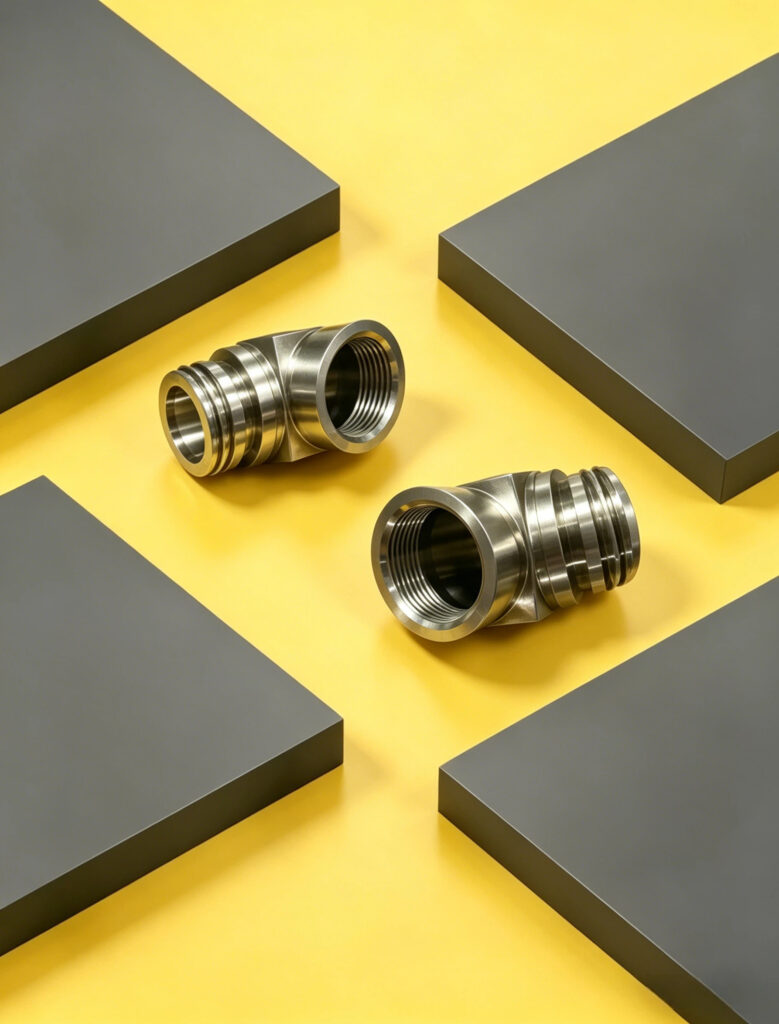
How to Select the Right Hydraulic Elbow Fitting:
Choosing the appropriate hydraulic elbow fitting requires careful consideration of several factors. Angle determines directional change, with 90° for tight spaces and 45° for gradual turns. Thread type must match mating ports, with NPT for North America, BSP for Europe/Asia, and JIC for high-pressure applications. Size must match hose or tube outer diameter and port thread size. Pressure rating must exceed maximum system pressure. Material selection depends on environmental conditions, with steel for general use, stainless steel for corrosion resistance, and brass for water systems. Configuration specifies male-female, male-male, or female-female based on connection needs.
Installation Best Practices:
Proper installation ensures the hydraulic elbow fitting performs reliably. Verify thread compatibility and sealing method before assembly. Apply appropriate thread sealant or use fittings with pre-applied sealant. Hand-tighten then use a wrench for final torque, avoiding over-tightening which can crack the fitting or damage threads. For swivel fittings, tighten the swivel nut after positioning the elbow. Always use two wrenches—one to hold the fitting body and one to tighten the connection. Pressure test the system after installation to verify leak-free operation.
Common Failure Modes:
Understanding potential failures helps with preventive maintenance. Thread leakage occurs from improper sealant or cross-threading, prevented by correct assembly technique. Cracking results from over-tightening or vibration fatigue, prevented by proper torque and hose support. Corrosion affects uncoated steel in moist environments, prevented by stainless steel or plated finishes. Galling occurs on stainless steel threads during assembly, prevented by anti-seize lubricant.
Conclusion:
The hydraulic elbow fitting represents an essential component for routing hydraulic fluid power through tight spaces, around obstacles, and into ports with optimal orientation. By providing smooth directional changes, it reduces hose stress, simplifies system design, and improves reliability. By understanding the types, materials, and selection criteria outlined in this guide, the right hydraulic elbow fitting can be selected for any application—from standard industrial systems to custom engineered solutions for demanding mobile, marine, and aerospace environments.