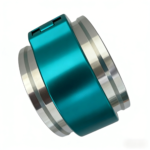
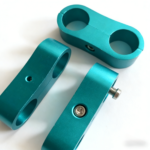
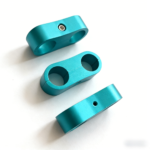
Superior Custom Hose Separator Clamp ±001 Inch Tolerance Heavy Duty Stainless Steel Hydraulic Hose Organizer for Multiple Lines
Request a Quote
Enter the quantity you need and add to your quote list for pricing inquiries.
Product Details
Superior Custom Hose Separator Clamp ±001 Inch Tolerance Heavy Duty Stainless Steel Hydraulic Hose Organizer for Multiple Lines
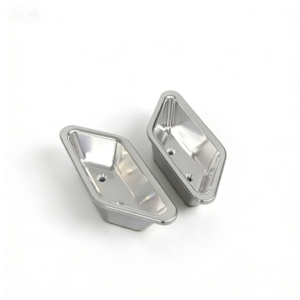
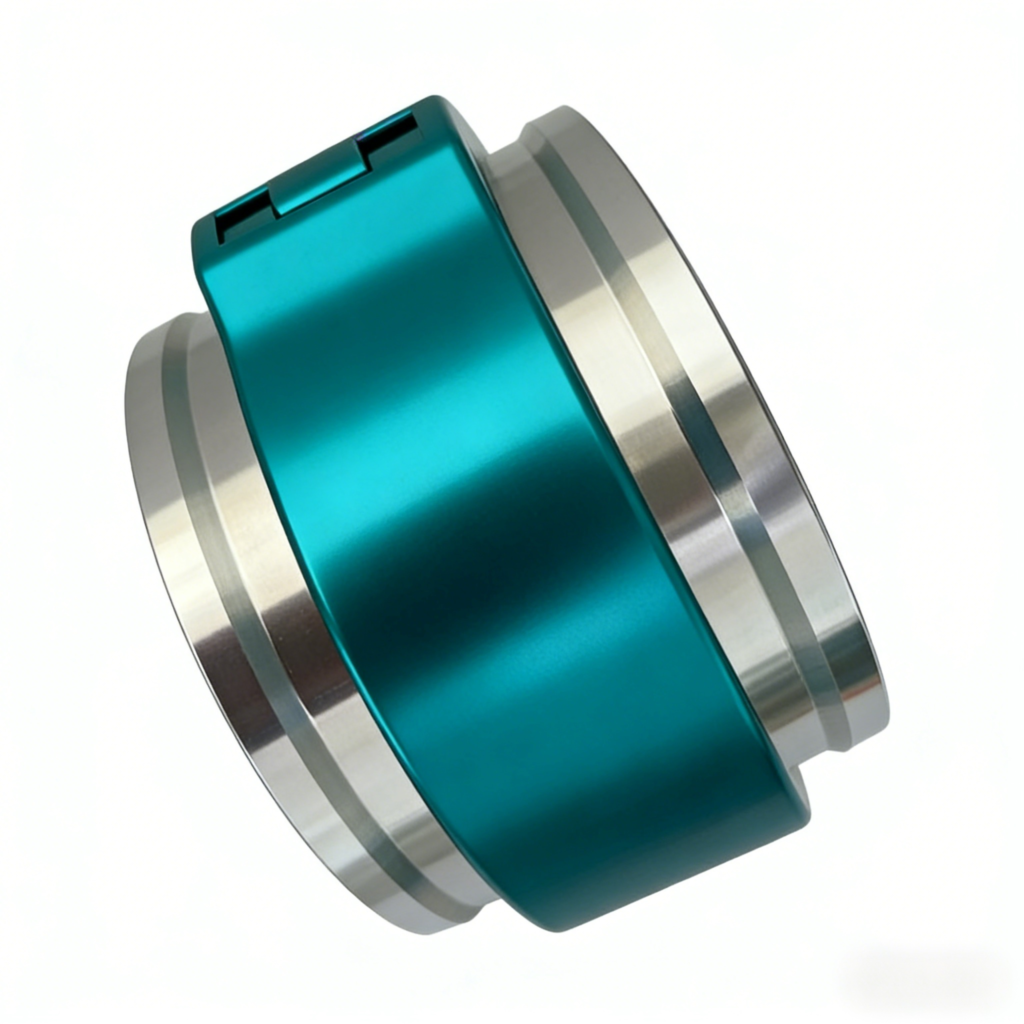
The hose separator clamp is a specialized fastening device designed to organize, separate, and secure multiple hoses or cables in hydraulic, pneumatic, and electrical systems. It prevents hose abrasion, tangling, and cross-interference by maintaining consistent spacing between individual lines. Manufactured from materials including stainless steel, aluminum, nylon, and rubber-lined steel for vibration damping. Available in single, dual, and multi-groove configurations. Suitable for automotive, industrial machinery, marine, and agricultural equipment. Custom hose separator clamps can be engineered with tight tolerances to match specific hose diameters, spacing requirements, and mounting configurations.
What Is a Hose Separator Clamp?
A hose separator clamp is a fastening device specifically designed to organize, separate, and secure multiple hoses or cables within a single assembly. Unlike standard hose separator clamp that secure one hose to a fitting, this device maintains consistent spacing between individual lines, preventing direct contact that can lead to abrasion, chafing, and eventual failure.
This type of hose separator clamp typically features multiple grooves or channels, each accommodating one hose or cable. These fasteners can be mounted to machinery frames, bulkheads, or other structural surfaces, keeping hoses neatly routed and secured along their entire length. By eliminating line-to-line contact, this solution significantly extends hose life and reduces unplanned downtime.
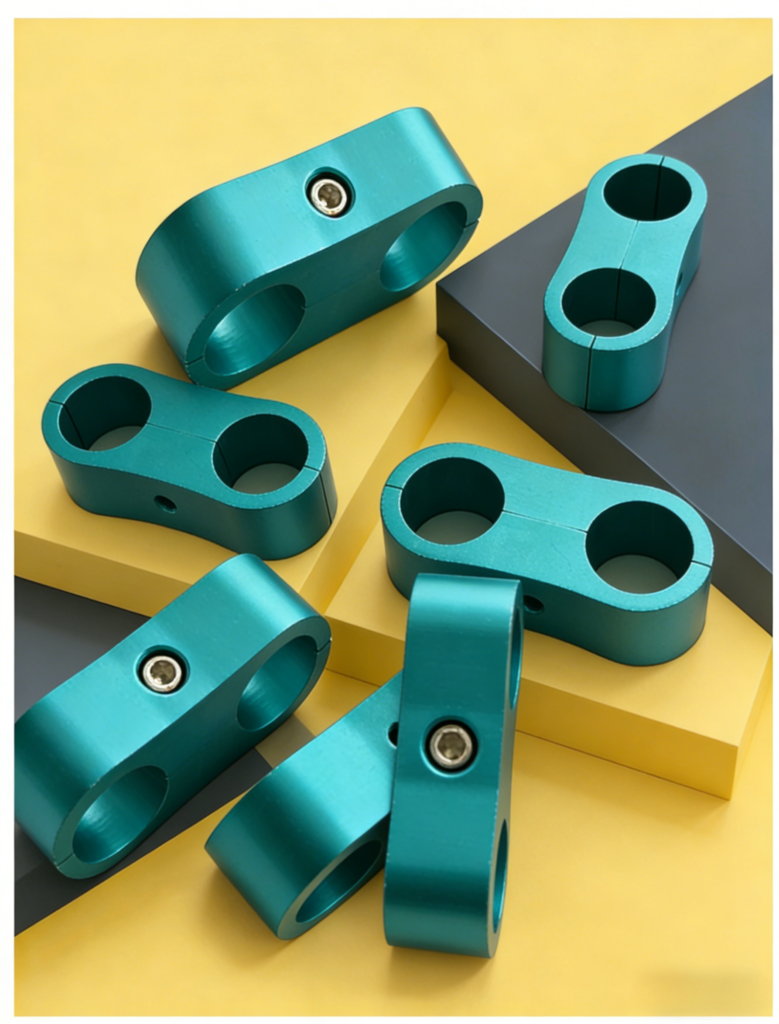
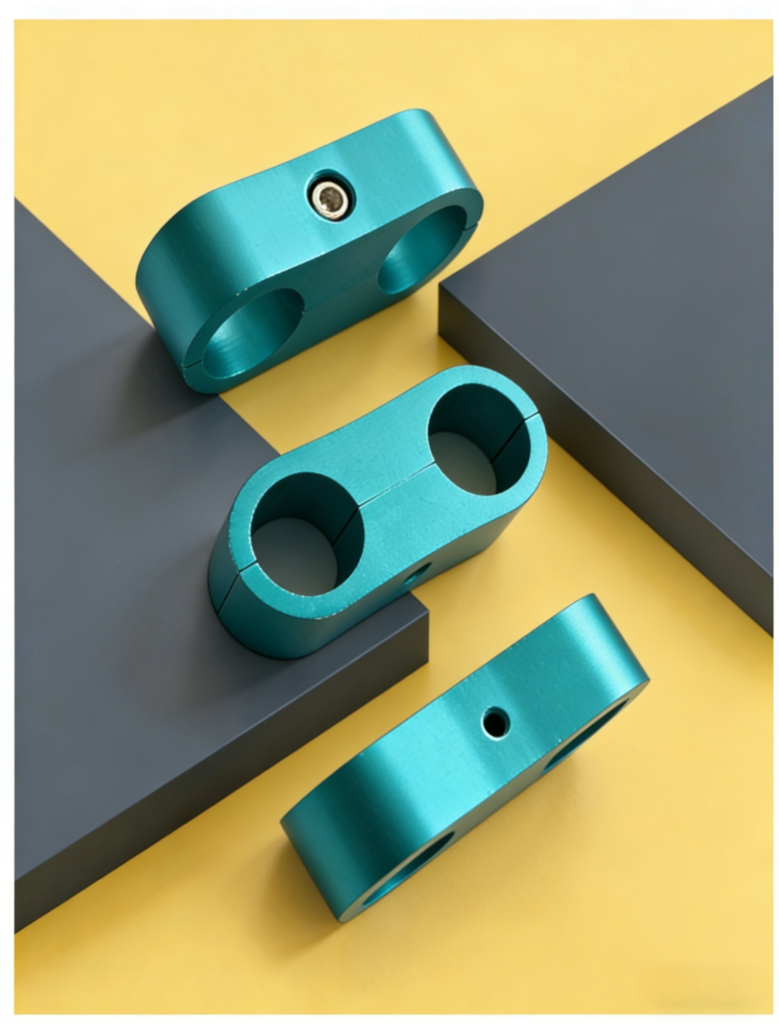
How a Hose Separator Clamp Fastening Device Works:
The operating principle of this clamping solution is straightforward yet highly effective. The body contains multiple parallel grooves, each sized to accept a specific hose outer diameter. When the two halves are assembled or the cover is secured, each hose is held firmly in its dedicated channel.
This design delivers several critical functions. First, it maintains fixed center-to-center spacing between adjacent lines, preventing them from rubbing against each other during equipment operation. Second, it absorbs vibration and shock loads that would otherwise transfer directly to hose connections. Third, it organizes complex routing, simplifying maintenance and inspection. Fourth, it reduces stress on end fittings by supporting the hose along its length.
For optimal performance, this hardware must be selected with groove dimensions matching the exact hose outer diameter, often requiring custom engineering with tight tolerances.
Types of Clamping Solutions:
Single Groove Style:
Designed to secure one hose while providing separation from adjacent surfaces or other clamps. Ideal for simple routing applications.
Multi Groove Style:
Featuring two or more parallel grooves, this common type secures multiple hoses in a single compact assembly. Available in 2-groove, 3-groove, 4-groove, and up to 10-groove configurations.
Stackable Design:
Modular construction allows multiple bodies to be stacked vertically or horizontally, providing unlimited expansion capability for complex hose bundles.
Rubber Lined Version:
Features rubber cushions within each groove, providing vibration damping and protecting hose outer covers from abrasion. Ideal for high-vibration environments.
Cushioned Type:
Similar to rubber-lined versions but with replaceable inserts, allowing easy replacement without removing the entire assembly.
Light Duty Model:
Manufactured from nylon or composite materials for low-pressure applications such as pneumatic tubing and electrical cable management.
Heavy Duty Model:
Constructed from stainless steel, carbon steel, or aluminum for high-pressure hydraulic systems and demanding industrial environments.
Custom Engineered Unit:
Designed to exact specifications including specific groove sizes, center distances, mounting hole patterns, and materials. Custom versions can be manufactured with tight tolerances such as ±0.001 inch on groove dimensions to ensure perfect hose fit.
Materials and Finishes of Hose Separator Clamp:
The performance and longevity of hose separator clamp are heavily influenced by material selection:
Stainless Steel: Grades 304 and 316 provide excellent corrosion resistance, high strength, and durability. Ideal for marine, chemical, and outdoor applications. Stainless steel is the preferred choice for harsh environments.
Carbon Steel: Offers high strength at a cost-effective price. Typically zinc plated or powder coated for corrosion protection. Suitable for general industrial applications.
Aluminum Alloy: Lightweight and corrosion resistant with good strength. Ideal for aerospace and mobile equipment where weight reduction is critical.
Nylon and Composite Materials: Lightweight, non-conductive, and corrosion proof. Perfect for electrical cable management and low pressure pneumatic systems. Nylon offers excellent chemical resistance.
Rubber Cushions: Neoprene, nitrile, EPDM, and silicone rubber provide vibration isolation and hose protection. Material selection depends on temperature range and fluid exposure.
Surface Finishes: Zinc plating, powder coating, anodizing for aluminum, and passivation for stainless steel enhance corrosion resistance and durability.
Key Applications of Hose Separator Clamp Across Industries:
The versatility of these clamping devices makes them indispensable across numerous sectors:
Construction Equipment: Excavators, loaders, bulldozers, and cranes use multiple hydraulic hoses for boom, bucket, and steering functions. These fasteners prevent hose chafing in high vibration machines.
Agricultural Machinery: Tractors, combines, and harvesters rely on complex hydraulic and pneumatic systems. These clamps organize and protect hoses exposed to dirt, moisture, and extreme temperatures.
Industrial Automation: Manufacturing equipment, robotic systems, and assembly lines use these devices for both fluid power and electrical cable management.
Marine and Offshore: Saltwater environments demand corrosion resistant stainless steel versions for steering, thruster, and deck machinery systems.
Mining Equipment: Heavy duty models withstand extreme loads, vibration, and abrasive dust in underground and surface mining operations.
Oil and Gas: Drilling rigs and production facilities use these fasteners to manage high pressure hydraulic and chemical injection lines.
Commercial Vehicles: Trucks, buses, and specialty vehicles rely on these clamps for air brake systems, hydraulic lifts, and fuel lines.
How to Select the Right Solution about Hose Separator Clamp:
Choosing the appropriate fastening device requires careful consideration of several factors:
Hose Outer Diameter: The groove size must match the exact hose outer diameter. Even minor mismatches can cause inadequate clamping or hose damage. Custom versions with ±0.001 inch tolerances ensure perfect fit.
Number of Hoses: Determine how many lines must be secured at each location. Multi-groove styles consolidate multiple hoses into one assembly.
Operating Environment: Consider temperature extremes, chemical exposure, moisture, UV radiation, and abrasive contaminants. Material selection must match environmental conditions.
Vibration Levels: High vibration applications require rubber lined or cushioned versions to prevent hose wear from fretting.
Mounting Configuration: These fasteners are available with various mounting options including through holes, threaded studs, and bracket mounts. Ensure compatibility with your equipment structure.
Pressure Rating: Hydraulic systems require heavy duty models capable of withstanding reaction forces from pressurized hoses. Low pressure pneumatic systems may use lighter duty versions.
Customization Requirements: For non-standard hose diameters or unique spacing needs, custom engineered units can be designed to exact specifications.
Customization Capabilities of Hose Separator Clamp:
For applications with unique requirements, custom engineered solutions offer tailored options. Working with an experienced manufacturer enables development of fasteners that perfectly match your system specifications. Customization options include:
Groove Dimensions: Specific inner diameters to match exact hose outer diameters with tight tolerances such as ±0.001 inch or ±0.0005 inch.
Center Distance: Fixed spacing between adjacent grooves to maintain proper separation and prevent hose contact.
Number of Grooves: From single groove to ten or more grooves in a single body.
Material Selection: Stainless steel, carbon steel, aluminum, nylon, or specialized polymers for specific environmental conditions.
Mounting Configurations: Custom hole patterns, threaded inserts, or integrated brackets for direct mounting to existing equipment structures.
Cushion Materials: Specific rubber compounds for temperature range, chemical resistance, or durometer requirements.
Installation Best Practices of Hose Separator Clamp:
Proper installation ensures these fastening devices perform reliably throughout their service life:
Verify Hose Fitment: Before final assembly, confirm each hose seats fully in its dedicated groove without excessive force or excessive looseness.
Use Correct Torque: Follow manufacturer specifications for bolt torque. Over-tightening can deform the clamp or damage hoses. Under-tightening allows movement and wear.
Maintain Proper Spacing: Position these devices at recommended intervals along hose length to prevent sagging and reduce stress on end fittings.
Inspect Cushions: Replace worn or damaged rubber cushions promptly to maintain vibration isolation and hose protection.
Maintenance and Troubleshooting:
Regular maintenance extends the life of these clamping solutions and prevents system failures:
Inspect for Wear: Check bodies for cracks, deformation, or corrosion. Replace damaged units immediately.
Check Cushion Condition: Examine rubber cushions for hardening, cracking, or compression set. Worn cushions reduce clamping effectiveness.
Verify Tightness: Periodically check bolt torque, especially in high vibration applications. Loose clamps allow hose movement and wear.
Replace Missing Units: Operating without proper clamping leads to hose abrasion and premature failure. Replace any missing or damaged clamps promptly.
Future Trends in Hose Separator Clamp:
This essential hardware continues to evolve with advances in materials and manufacturing:
Smart Clamps: Integrated sensors monitor clamp integrity and hose condition for predictive maintenance.
Advanced Polymers: New composite materials offer enhanced chemical resistance, wider temperature ranges, and reduced weight.
Additive Manufacturing: 3D printed custom versions enable rapid prototyping and production of complex geometries.
Conclusion:
The hose separator clamp may appear simple, but the role of hose separator clamp in system reliability is profound. By preventing hose abrasion, organizing complex routing, and absorbing vibration, this essential component extends hose life and reduces unplanned downtime.
By understanding the types, materials, and selection criteria outlined in this guide, you can confidently choose the right solution for your application—whether a standard off-the-shelf product or a custom engineered design with tight tolerances.