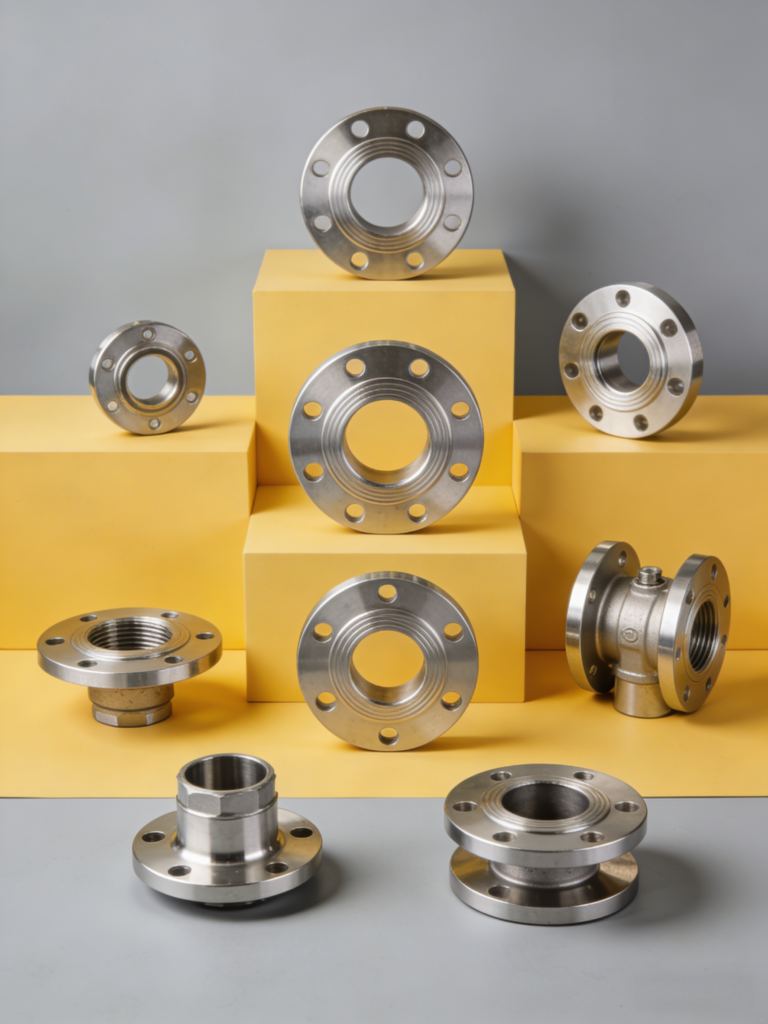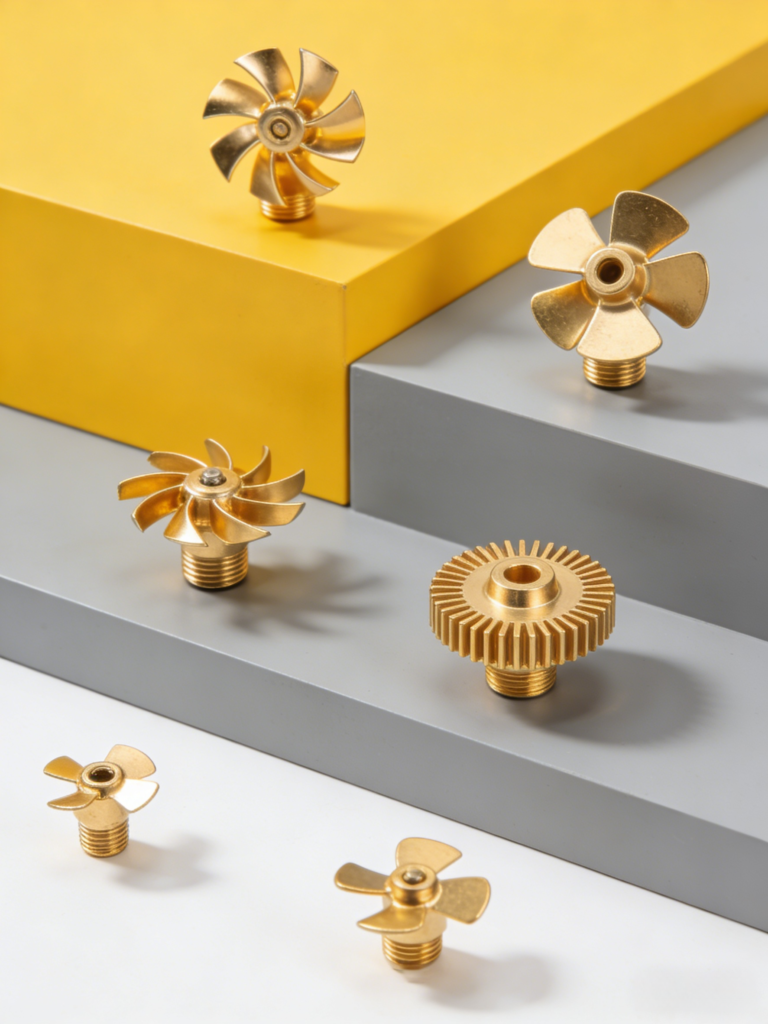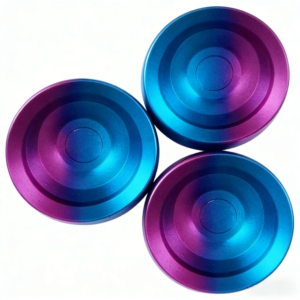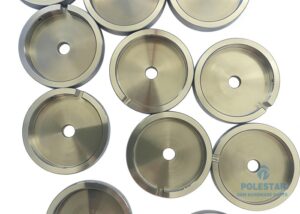
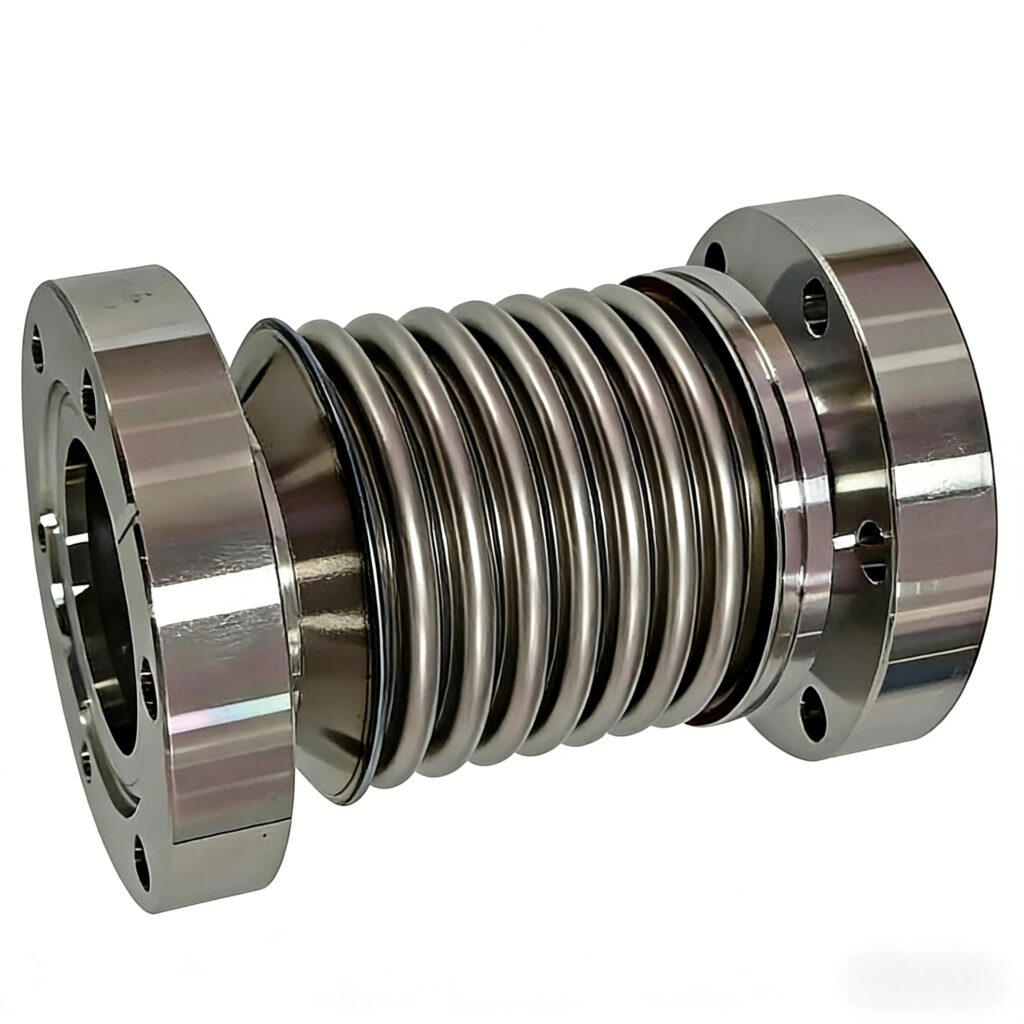
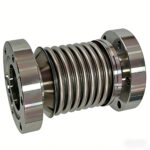
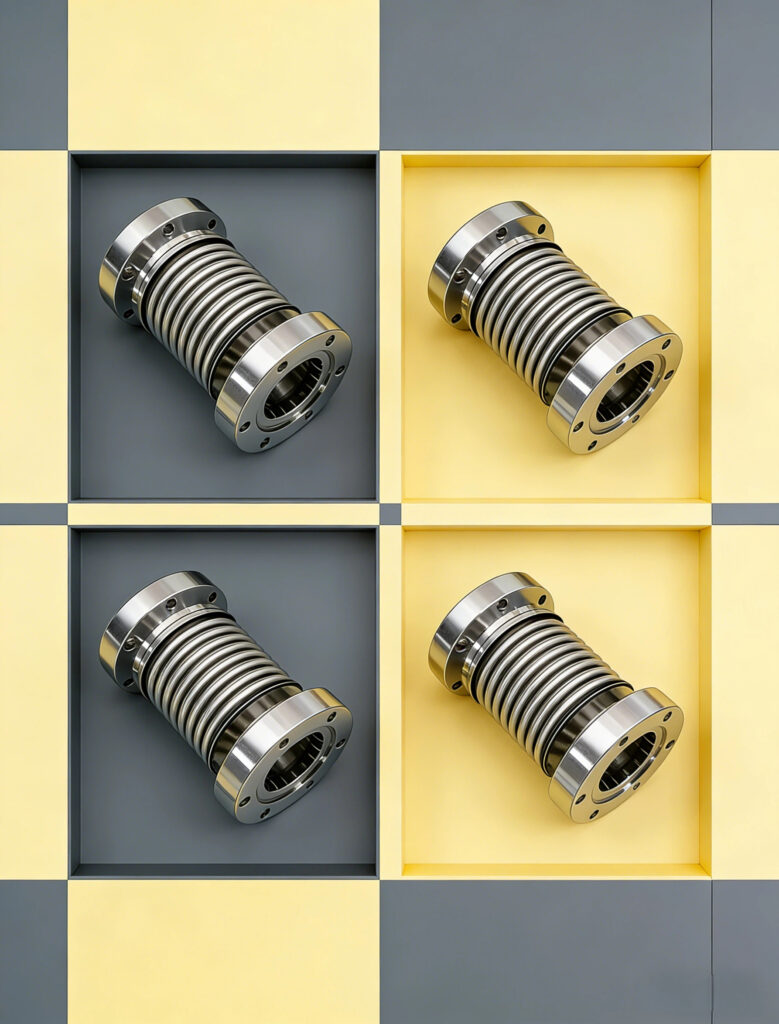
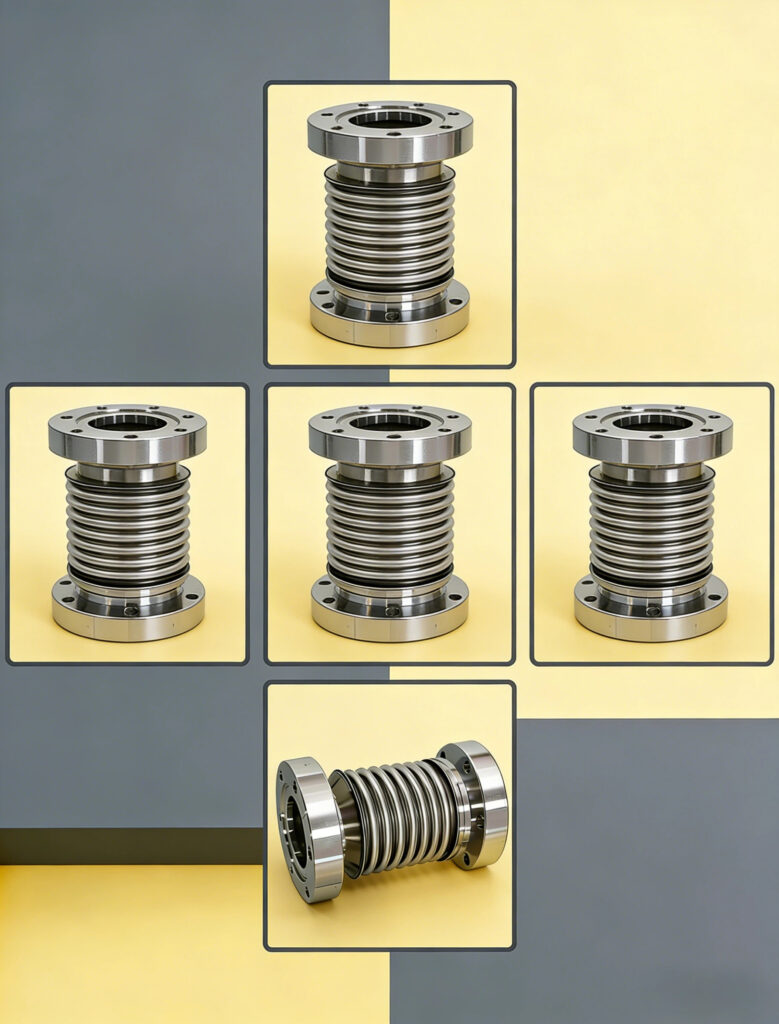
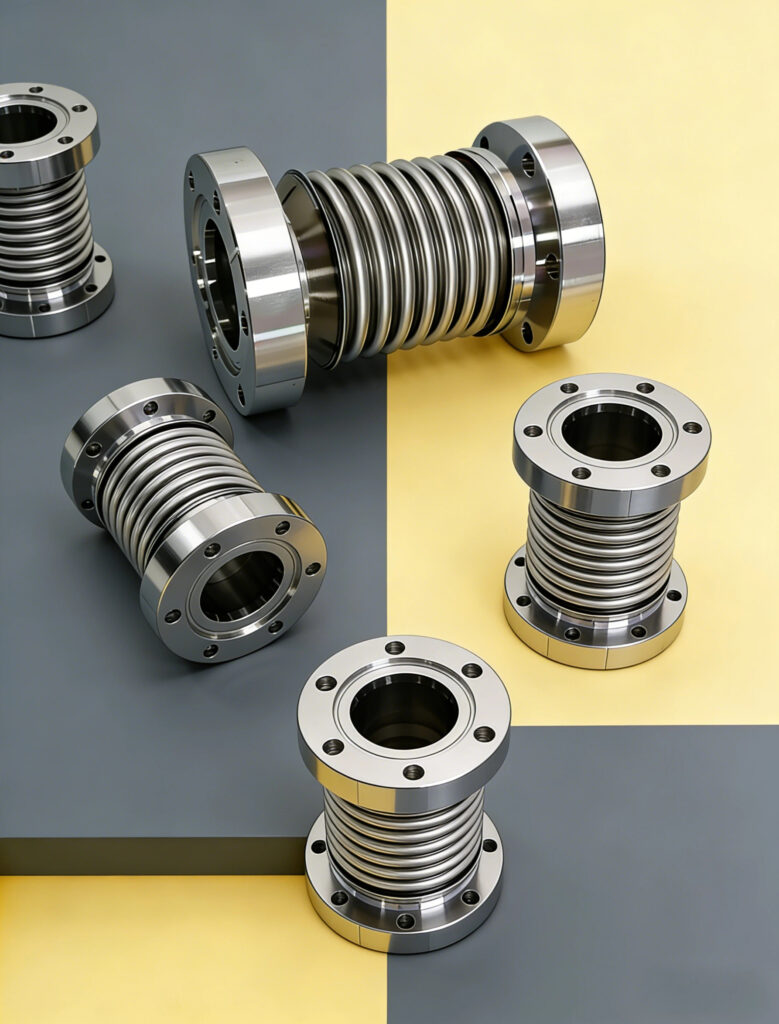
Motor Component With Helical Flange 304 316 Stainless Steel Custom Best Cnc Machining Parts
Request a Quote
Enter the quantity you need and add to your quote list for pricing inquiries.
Product Details
Helical flanges are specialized mechanical connectors featuring a helical (spiral) thread profile that distributes clamping force uniformly. They provide superior vibration resistance and sealing compared to conventional flanges. Common in high-pressure piping, hydraulic systems, and critical bolted connections.
What is a Helical Flange?
A helical flange is a mechanical connector with a spiral-shaped mating surface that converts rotational torque into axial clamping force through a cam or wedge action . Unlike conventional flat flanges that rely on bolt tension alone, helical flanges use an interlocking helical thread pattern on mating faces. When one flange is rotated relative to the other, the helical ramps engage, drawing the flanges together and generating uniform preload across the entire circumference. This design distributes clamping force more evenly than discrete bolts, eliminating the “bolt hole” stress concentrations typical of conventional flanges.
Helical flanges achieve sealing at lower bolt torques (typically 20-40% reduction vs. conventional) and maintain preload under severe vibration. They are manufactured with 2 to 12 helical starts (threads) depending on diameter and load requirements. Common standards include API 6A for wellhead equipment and ASME B16.5 adaptations . The design prevents bolt galling and reduces assembly time by 50% or more compared to multi-bolt flange connections.
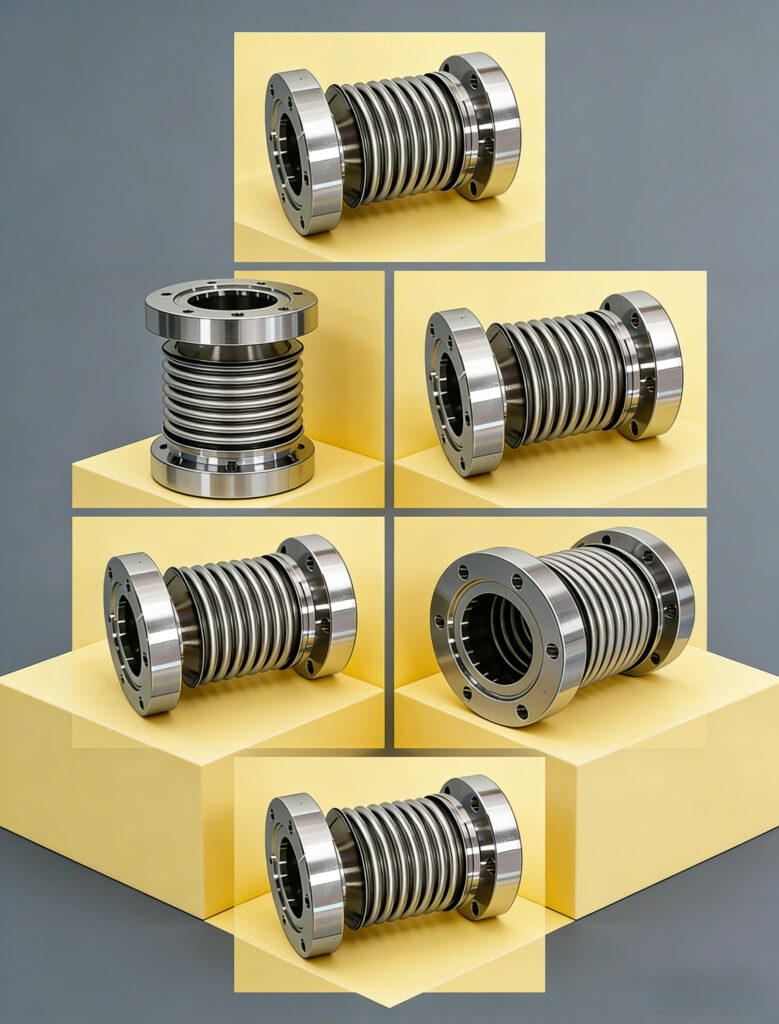
Material Specifications:
- Stainless Steel (304/316): Most common for helical flanges. 304 for general industrial and food-grade applications; 316 for marine and chemical exposure (adds molybdenum for chloride resistance). Tensile strength 515-620 MPa. Corrosion-resistant. Used in pharmaceutical, food processing, marine.
- Carbon Steel (A105, A350 LF2): A105 for high-temperature service (up to 425°C); A350 LF2 for low-temperature service (-46°C). Tensile strength 485-620 MPa. Cost-effective for oil, gas, and petrochemical applications. Requires coating for corrosion protection.
- Alloy Steel (F22, F91): Chrome-molybdenum alloys for high-temperature/high-pressure service. F22 (2.25% Cr, 1% Mo) for 450-550°C; F91 (9% Cr, 1% Mo) for up to 650°C. Tensile strength 550-690 MPa. Used in power generation and refinery applications.
- Aluminum (6061-T6/6082-T6): Lightweight for low-pressure applications (up to 300 psi). Corrosion-resistant without coating. Used in aerospace and portable equipment. Tensile strength 310 MPa. Not suitable for high-temperature.
- Duplex Stainless Steel (2205, 2507): High strength (tensile 620-800 MPa) and excellent chloride stress corrosion cracking resistance. 2205 for offshore platforms; 2507 for subsea and highly corrosive environments.
- Nickel Alloys (Inconel 625, Monel 400): For extreme corrosion and high-temperature service (up to 980°C). Used in chemical processing, marine propulsion, and sour gas (H₂S) service.
Surface Finishes:
- As-Machined (Helical Thread): Standard finish on mating helical surfaces. Critical surface finish Ra 1.6-3.2 µm on thread flanks to ensure smooth engagement. Visible tool marks. Lowest cost.
- Electropolished: For stainless steel helical flanges. Removes 0.01-0.05 mm surface material. Achieves Ra 0.4 µm finish on thread flanks. Reduces friction during rotation (lowers assembly torque). Improves cleanability for sanitary applications.
- Passivated: Chemical treatment for stainless steel. Removes free iron; enhances chromium oxide layer. Required for pharmaceutical and food-grade helical flanges. Does not change surface roughness.
- Zinc Plating (with chromate): For carbon steel flanges. 5-15 µm thickness. Clear, yellow, or black chromate. 72-144h salt spray resistance. Sacrificial corrosion protection.
- Hot-Dip Galvanizing (ASTM A153): For carbon steel flanges used outdoors or in water service. 50-100 µm zinc coating. Matte gray appearance. Excellent corrosion protection (1,000h+ salt spray). May affect helical thread tolerance (requires oversized machining).
- PTFE (Teflon) Coating: Sprayed or dipped fluoropolymer coating. 20-50 µm thickness. Low friction (coefficient of friction 0.05-0.10). Prevents galling on stainless-on-stainless helical threads. Common in cleanroom and semiconductor applications.
- Xylan (Fluoropolymer) Coating: Low-friction, wear-resistant coating. 15-30 µm thickness. Provides lubricity and corrosion protection. Used for high-cycle helical flange connections (frequent assembly/disassembly).
- Electroless Nickel Plating (with PTFE): Composite coating of nickel-phosphorus (85-90%) + PTFE particles (10-15%). 10-25 µm thickness. Low friction (COF 0.10-0.15) + wear resistance (500-600 HV). For applications requiring both corrosion protection and low assembly torque.
Applications:
- Oil & Gas (Wellhead & Christmas Trees): Helical flanges connect wellhead components (casing heads, tubing heads, valves) per API 6A. Pressure ratings 2,000-20,000 psi (13.8-138 MPa). Sizes 2-1/16″ to 11″. Carbon steel or stainless steel. Eliminates 8-12 bolt flange connections; reduces assembly time 75%.
- Subsea & Offshore: Helical flanges on subsea manifolds, jumper connectors, and ROV-operated systems. Duplex or super duplex stainless steel. Pressure ratings up to 15,000 psi (103 MPa). Quick-connect design reduces diver/ROV intervention time.
- High-Pressure Hydraulics: Helical flanges on hydraulic power units, accumulators, and press connections. Pressures 3,000-10,000 psi. 316 stainless or carbon steel. Vibration-resistant; maintains preload under cyclic pressure.
- Chemical Processing: Helical flanges on reactors, heat exchangers, and high-pressure piping. Stainless steel or nickel alloys. Corrosion-resistant finishes (electropolished, passivated). Seals without high bolt torque, reducing flange distortion.
- Pharmaceutical & Biotech: Sanitary helical flanges with electropolished finish (Ra 0.4 µm). Quick-connect design for frequent disassembly (CIP/SIP cleaning cycles). 316L stainless steel. No bolt galling; O-ring seals.
- Aerospace & Defense: Lightweight aluminum helical flanges on fuel lines, hydraulic systems, and pneumatic systems. Vibration-resistant in aircraft and missile applications. Quick-connect for field maintenance.
- Power Generation (Steam & Gas Turbines): High-temperature alloy steel helical flanges on main steam lines (up to 650°C). Creep-resistant; uniform bolt load prevents flange distortion.
- Marine Propulsion: Helical flanges on propeller shafts, stern tube seals, and rudder systems. Bronze or duplex stainless steel. Corrosion-resistant in seawater. Quick-disconnect for shaft maintenance.
Best Practice Application Example:
Scenario: Conventional flange failure on offshore platform hydraulic control system.
An offshore production platform experienced repeated seal leakage on 6″ carbon steel conventional flanges (8-bolt, 4,500 psi) in the hydraulic control system for subsea blowout preventer (BOP) valves. Flanges required torquing to 480 Nm per bolt (8 bolts = 3,840 Nm total). Despite careful torque sequencing, flange face distortion caused uneven gasket compression. Leakage occurred every 6-8 weeks, each requiring 12 hours of diver intervention for bolt retorquing (cost $180,000 per event including production loss). Platform manager sought vibration-resistant, quick-connect solution.
Selected Solution:
- Flange Type: 6″ API 6A helical flange (6-start helical thread). Pressure rating 5,000 psi (34.5 MPa). Material: 316 stainless steel (corrosion resistance for marine environment). Surface finish: Electropolished helical threads (Ra 0.4 µm) + passivated.
- Seal: Metal-to-metal helical thread seal (no gasket). Helical flanks ground to 0.002″ flatness.
- Assembly: Two flanges aligned; rotating nut (360° turn) engages helical threads. Cam action draws flanges together. Final torque: 240 Nm on single rotating nut (vs. 3,840 Nm on 8 bolts).
- Installation: ROV-operated helical flange tool (torque head on manipulator arm). Total engagement time: 15 minutes (vs. 4 hours for 8-bolt flange).
- Locking: Helical thread geometry is self-locking (30° helix angle). No secondary lock wire or nut needed.
Results:
- Leakage: Zero seal leakage over 24 months continuous service (previous: 6-8 week interval). Helical thread metal-to-metal seal eliminated gasket creep relaxation.
- Assembly torque: 240 Nm on single nut vs. 3,840 Nm on 8 bolts (94% reduction). Lower torque eliminated flange face distortion.
- Installation time: 15 minutes (ROV) vs. 4 hours diver (94% reduction). Reduced personnel exposure in hazardous offshore environment.
- Maintenance: No retorquing required over 24 months (previous: 6-8 week retorque interval). Helical design maintains preload under vibration and pressure cycling.
- Cost savings: Avoided 9 diver intervention events × $180,000 = $1.62 million over 24 months.
- ROI: $48,000 per helical flange set × 12 flanges = $576,000 investment. Achieved within 4 months.