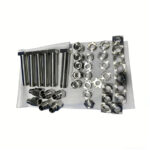
Balustrades Hardware Reliable Handrail Fitting 304 316 Stainless Steel Railing Part
Request a Quote
Enter the quantity you need and add to your quote list for pricing inquiries.
Product Details
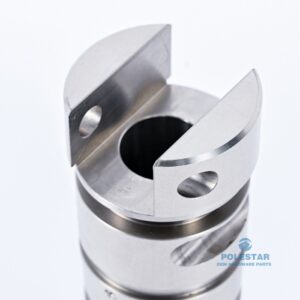
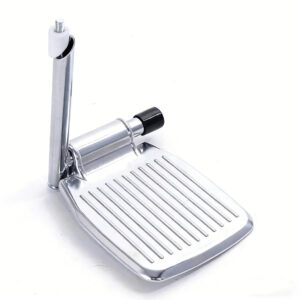
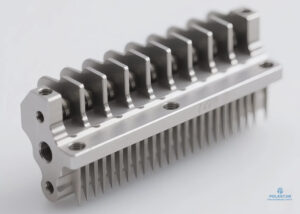
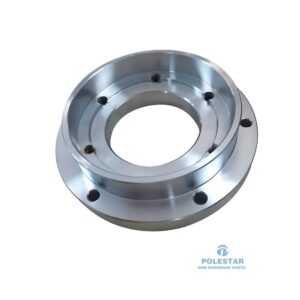
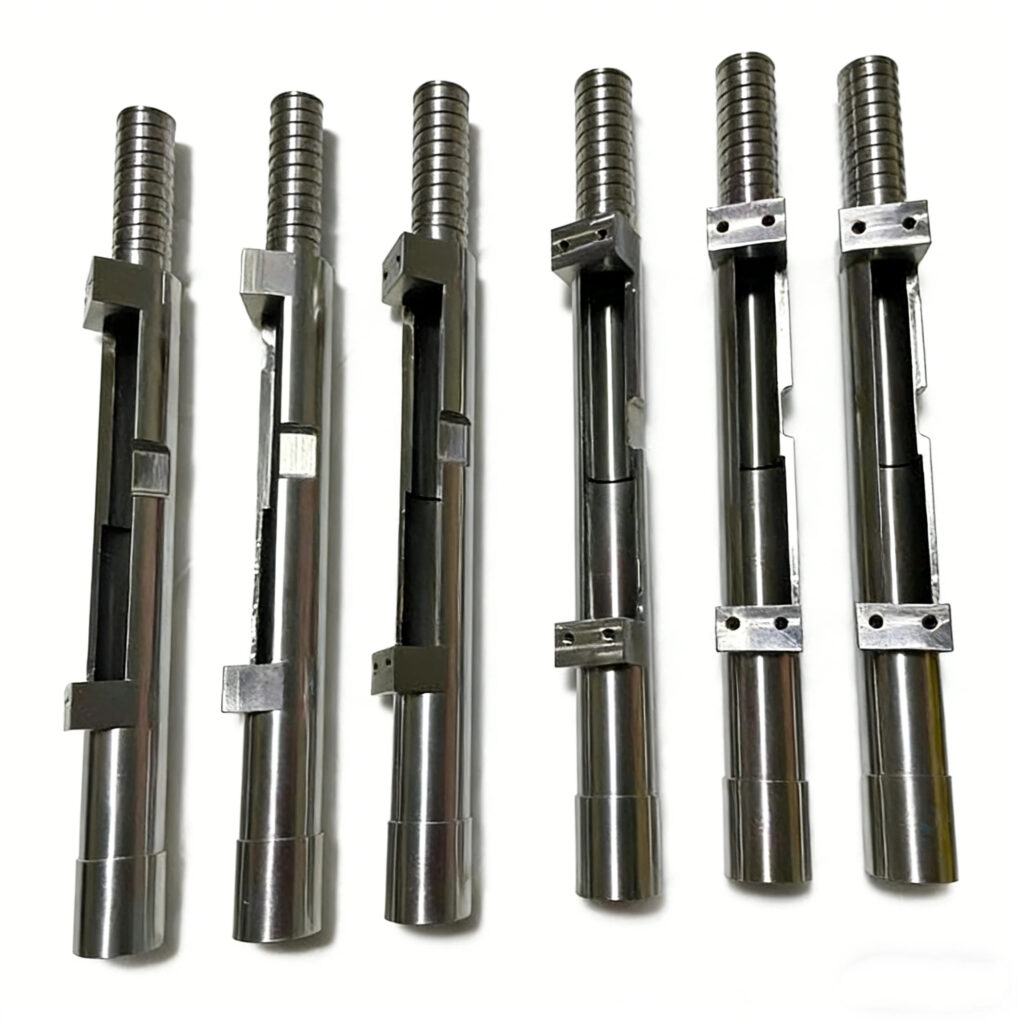
Handrail fittings are connectors and components used to assemble pipe railings for safety, support, and guidance. They include elbows, tees, flanges, and couplings. Available in stainless steel, aluminum, and galvanized steel, they provide secure joints for architectural, industrial, and marine applications without welding.
What are Handrail Fittings?
Handrail fittings are mechanical connectors designed to join pipe sections and attach railings to structures, creating continuous handrail systems without welding or complex fabrication . These fittings include elbows (90°, 45°), tees, cross joints, flanges (floor/wall mount), couplings, end caps, and adjustable swivel fittings . They feature set screws or internal compression mechanisms that grip the pipe outer diameter, allowing assembly with standard tools.
Common pipe sizes are 1.5″ (42.4 mm OD) and 2″ (50.8 mm OD), corresponding to standard schedule 40 pipe dimensions. Materials include stainless steel (304/316) for corrosion resistance, aluminum 6061 for lightweight applications, galvanized steel for cost-effective industrial use, and brass for decorative interior installations. Mechanical set-screw fittings meet OSHA and ADA requirements when installed on proper pipe diameters and wall thicknesses (minimum 0.065″ for stainless). Unlike welded systems, mechanical fittings enable disassembly, adjustment, and reuse.
Material:
- Stainless Steel (304/316): Most common for handrail fittings; 304 for general indoor/outdoor; 316 for marine/coastal/saltwater exposure. Tensile strength 515-620 MPa. Resists corrosion, chemicals, and oxidation.
- Aluminum (6061-T6): Lightweight (1/3 weight of steel); corrosion-resistant; ideal for portable or weight-sensitive applications such as temporary railings or platforms. Tensile strength 310 MPa. Cannot be used in high-traffic abrasive areas.
- Galvanized Steel (Hot-Dip): Cost-effective for industrial indoor applications; hot-dip galvanized coating (ASTM A123, 65-85 µm) provides corrosion protection. Tensile strength 400-550 MPa. Weld spatter and abrasion remove coating, requiring touch-up.
- Cast Iron: Heavy-duty for industrial stair and platform railings; painted finish; high strength but brittle; corrosion-prone without proper coating.
- Brass (C360): Decorative interior applications; polished or satin finish; corrosion-resistant; softer than steel; higher cost.
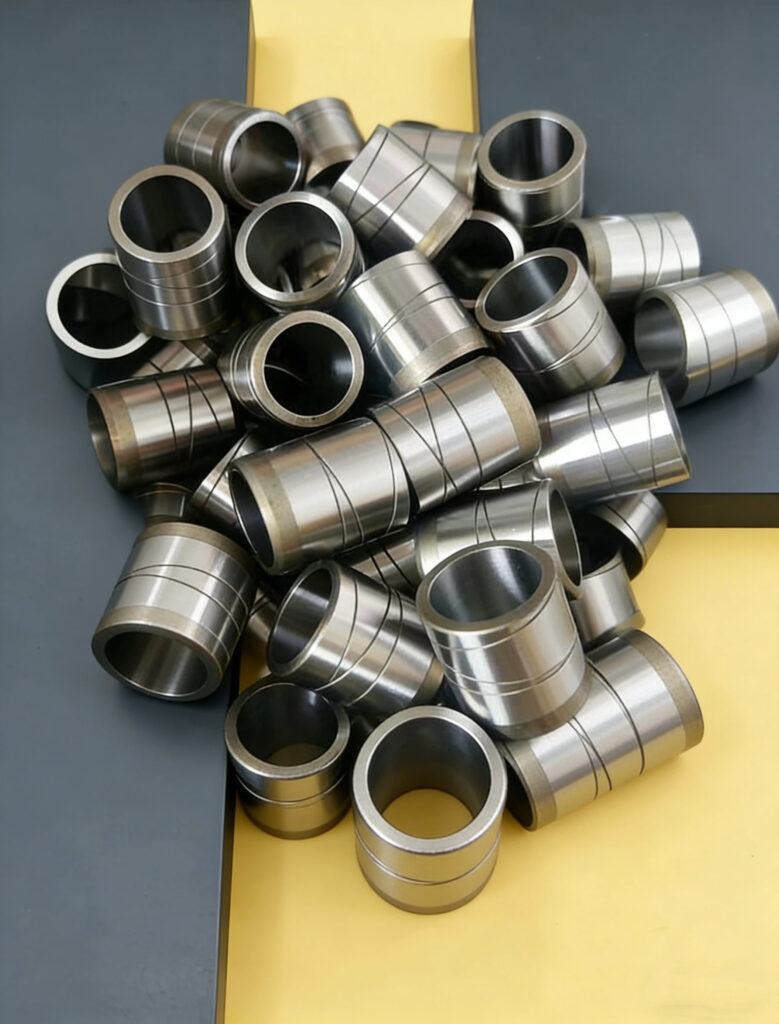
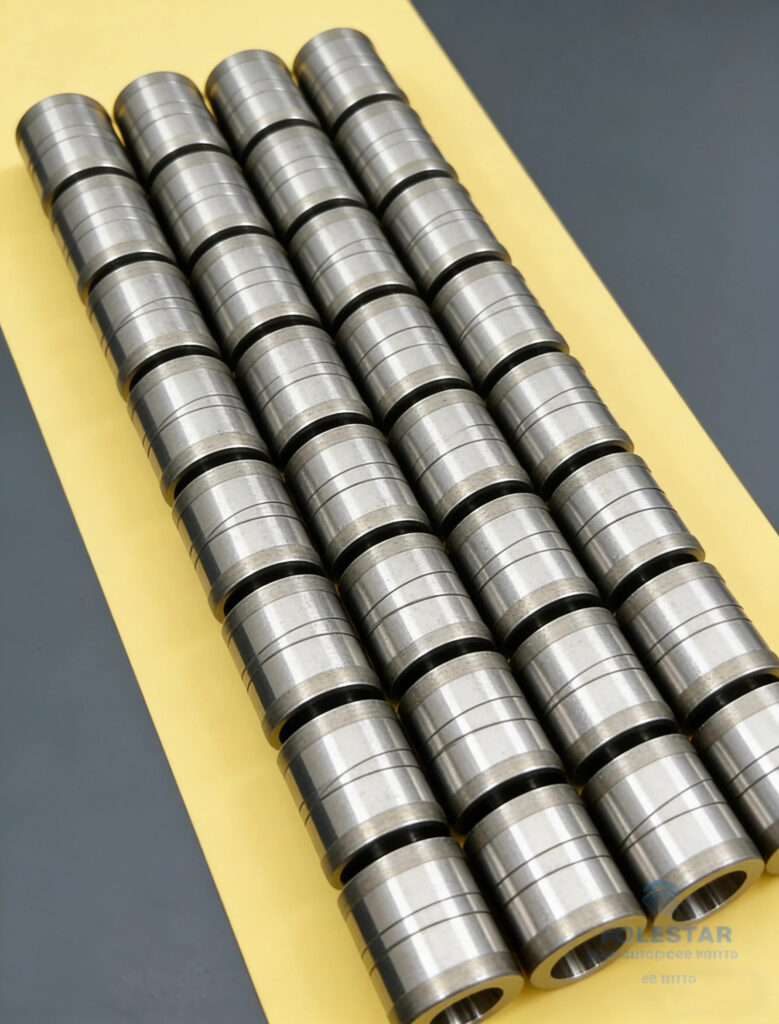
Surface Finishes:
- Satin (Bead Blasted): Matte uniform finish; hides fingerprints and scratches; standard for architectural stainless steel handrail fittings
- Mirror Polished: Reflective, high-gloss finish; decorative applications; requires careful handling to avoid visible scratches
- Powder Coated (RAL Colors): Applied to galvanized steel and aluminum; 60-120 µm thickness; durable; color-matched to architectural specifications
- Clear Anodized: For aluminum fittings; enhances corrosion resistance; maintains metallic appearance; 5-15 µm thickness
- Black Anodized: For aluminum fittings; decorative dark finish; adds wear resistance; common in modern architectural designs
- Galvanized (As-Provided): Hot-dip galvanized finish on steel fittings; matte gray spangled appearance; sacrificial corrosion protection
- Electropolished: For stainless steel; bright, smooth finish; improves cleanability; reduces surface roughness to Ra 0.4 µm
Applications:
- Architectural & Commercial: Stair railings, balcony guards, ramp handrails, corridor grab bars in office buildings, hotels, retail spaces. 304 stainless steel with satin or mirror finish.
- Industrial & Manufacturing: Machine platforms, catwalks, equipment access railings, safety barriers around machinery. Galvanized steel or 304 stainless; mechanical fittings for adjustability.
- Marine & Offshore: Boat docks, ship railings, offshore platform handrails. 316 stainless steel (marine grade) with electropolished finish for maximum saltwater corrosion resistance.
- Food & Pharmaceutical: Sanitary handrails in processing plants, cleanrooms, laboratories. 304/316 stainless with electropolished finish (Ra 0.8 µm) for cleanability and corrosion resistance.
- Public Infrastructure: Transit station handrails, bridge railings, park benches, bus stop shelters. 304 stainless or galvanized steel; high-traffic durability.
- Temporary & Modular: Construction site railings, event barriers, trade show displays. Aluminum fittings for lightweight portability; mechanical connections for rapid assembly/disassembly.
- Healthcare: Hospital grab bars, patient bathroom safety rails. 304 stainless with satin finish; grip-friendly surface; meets ADA load requirements (250 lb minimum).
Best Practice Application Example:
Scenario: Corrosion failure of handrail fittings at coastal public pier.
A municipal pier on the Atlantic coast experienced severe rust staining and structural weakening of its galvanized steel handrail fittings after 18 months. The original system used welded galvanized pipe with galvanized set-screw fittings. Salt spray exposure (C5-M marine environment) penetrated the galvanized coating at set-screw penetrations and weld heat-affected zones. Red rust appeared on 40% of fittings. Three failures occurred during routine inspections, creating safety hazards and liability concerns. Replacement of the full 800-foot railing system was estimated at $45,000.
Selected Solution:
- Handrail fittings: 316L stainless steel mechanical handrail fittings (90° elbows, tees, flanges, couplings). Electropolished finish (Ra 0.4 µm). Set-screw design with stainless steel set screws (passivated).
- Pipe: 1.5″ schedule 40 316L stainless steel pipe (OD 48.3 mm, wall 3.68 mm). Passivated interior and exterior.
- Installation: Mechanical assembly with torque-limiting tools (set screws to 18 Nm). No welding. Non-metallic anti-seize compound on set screws to prevent galling.
- Testing: Salt spray per ASTM B117; electropolished 316L achieves 2,000+ hours without red rust.
Results:
- Corrosion resistance: Zero visible rust or staining after 24 months continuous marine exposure
- Structural integrity: All handrail fittings passed 500 lb pull-out test (per OSHA 1910.29) at installation and 24-month follow-up
- Installation: 800 feet of railing installed in 7 days (vs. 12 days estimated for welded system)
- Cost: $32,000 for stainless fittings + pipe + installation (29% lower than $45,000 welded galvanized replacement estimate)
- Maintenance: Eliminated annual rust touch-up and coating repair (saved $3,200/year)
- Service life: Expected 20+ years (vs. 18 months for galvanized)
- ROI: Achieved within 14 months considering avoided replacement and maintenance savings
Product Advantages:
- Corrosion resistance: 316L stainless withstands salt spray, chemicals, washdown; 304 for general use; aluminum for lightweight
- No welding: Mechanical set-screw connections; assemble with hex keys; adjustable; reusable
- OSHA/ADA compliant: Meets 200-250 lb load requirements; proper pipe grip without slippage
- Material options: 304/316 stainless, aluminum 6061, galvanized steel, brass
- Finishes: Satin, mirror polish, powder coat RAL, anodized, electropolished
- Pipe compatibility: 1.5″ (42.4mm) and 2″ (50.8mm) OD standard schedule 40 pipe
Why Choose Us?
- ISO 9001-certified; full material traceability (mill certificates available)
- 304 and 316 stainless fittings in stock for immediate shipment
- Electropolishing and passivation in-house for sanitary/marine applications
- Custom swivel and angled fittings available for non-standard installations
- Engineering support for load calculations and OSHA/ADA compliance