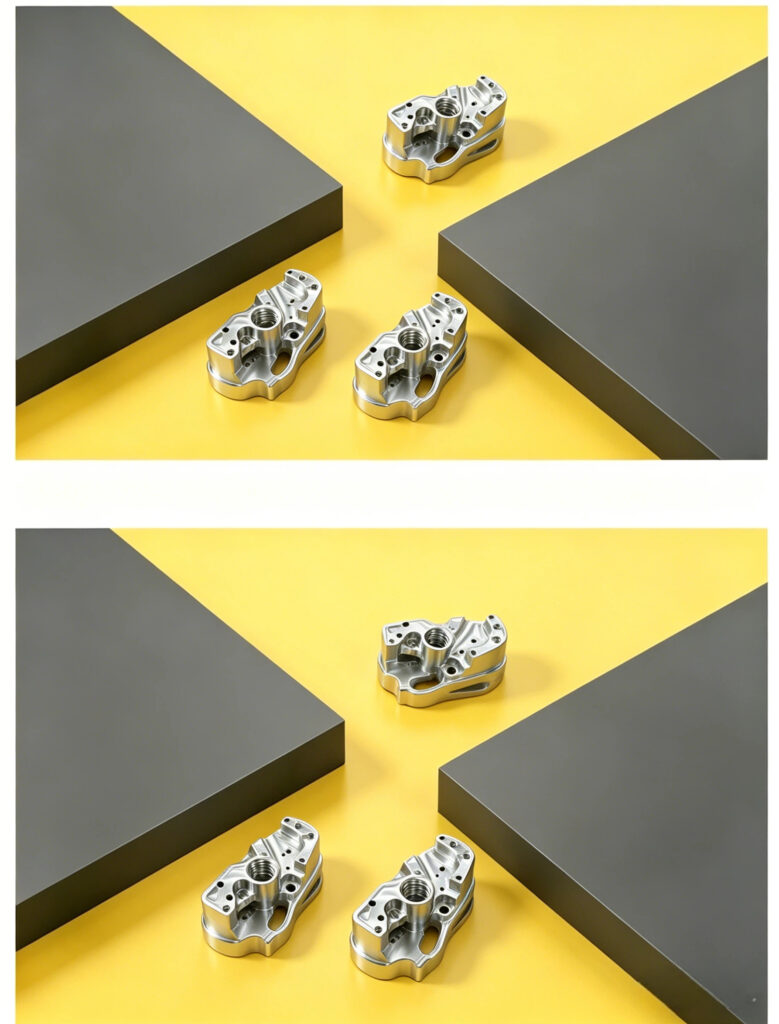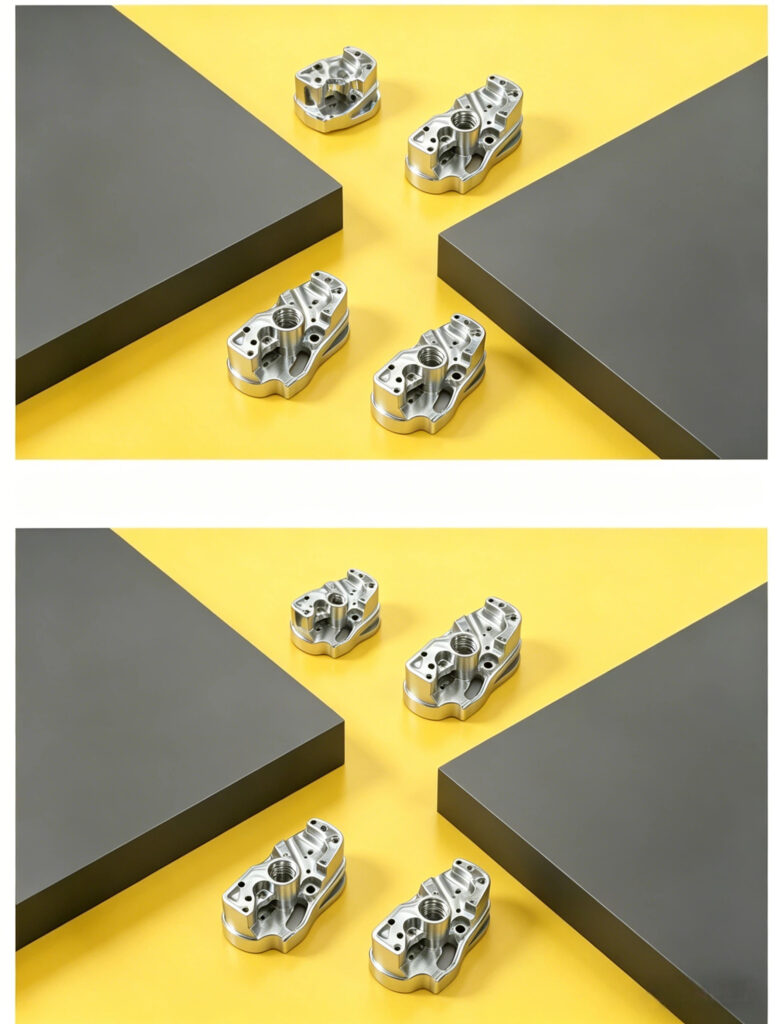
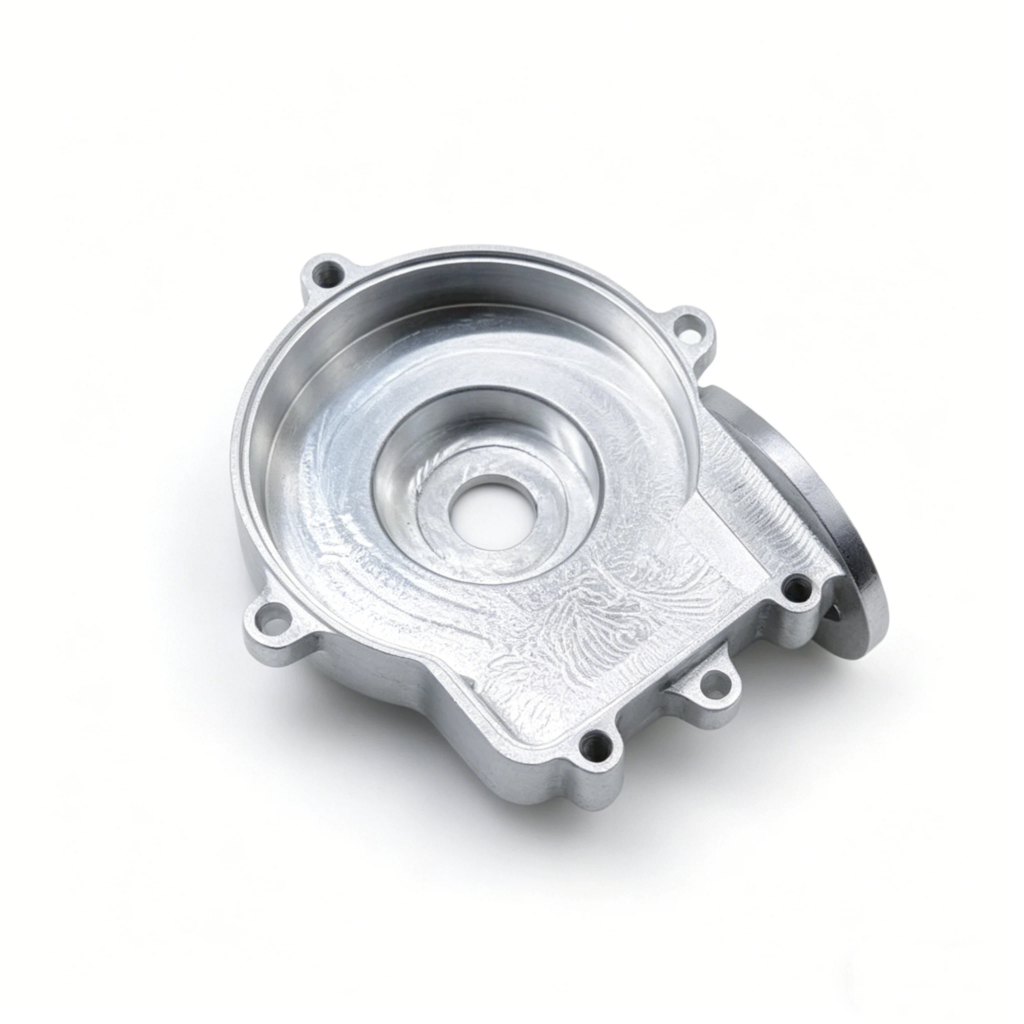
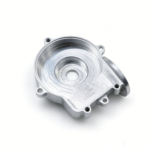
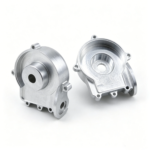
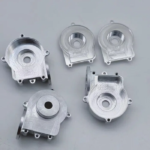
Custom Reliable Gearbox Bell Housing CNC Turned 8 Inch Diameter 7075 Aluminum Housing
Request a Quote
Enter the quantity you need and add to your quote list for pricing inquiries.
Product Details
A gearbox bell housing is a protective enclosure that connects the engine to the transmission, housing the flywheel, clutch, and torque converter. It provides alignment between the engine crankshaft and transmission input shaft while protecting internal components from debris and contamination. Manufactured from cast aluminum, cast iron, or billet aluminum. Available in custom bolt patterns, depths, and mounting configurations. Features include precision machined mating surfaces, threaded mounting holes, and inspection ports. Suitable for automotive, racing, industrial, and marine transmissions. Custom bell housings available with specific engine and transmission combinations, pilot bore sizes, and starter mounting positions.
What Is a Gearbox Bell Housing?
A gearbox bell housing is a protective enclosure that connects the engine to the transmission, housing the flywheel, clutch, and torque converter. Named for its bell-like shape, the gearbox bell housing provides critical alignment between the engine crankshaft and transmission input shaft while protecting internal rotating components from debris, moisture, and contamination. Without a properly designed gearbox bell housing, transmission misalignment would cause premature bearing failure, clutch chatter, and catastrophic drivetrain damage.
It is characterized by its flanged mounting surfaces, precision-machined pilot bore, and structural rigidity. Typical features include an engine-side mounting flange that bolts to the engine block, a transmission-side mounting flange that bolts to the transmission case, a pilot bore that centers the transmission input shaft with the crankshaft, a starter motor mounting pocket, inspection covers or ports for clutch adjustment, and ventilation slots for heat dissipation. Gearbox bell housing units are manufactured from cast aluminum, cast iron, or billet aluminum depending on application requirements.
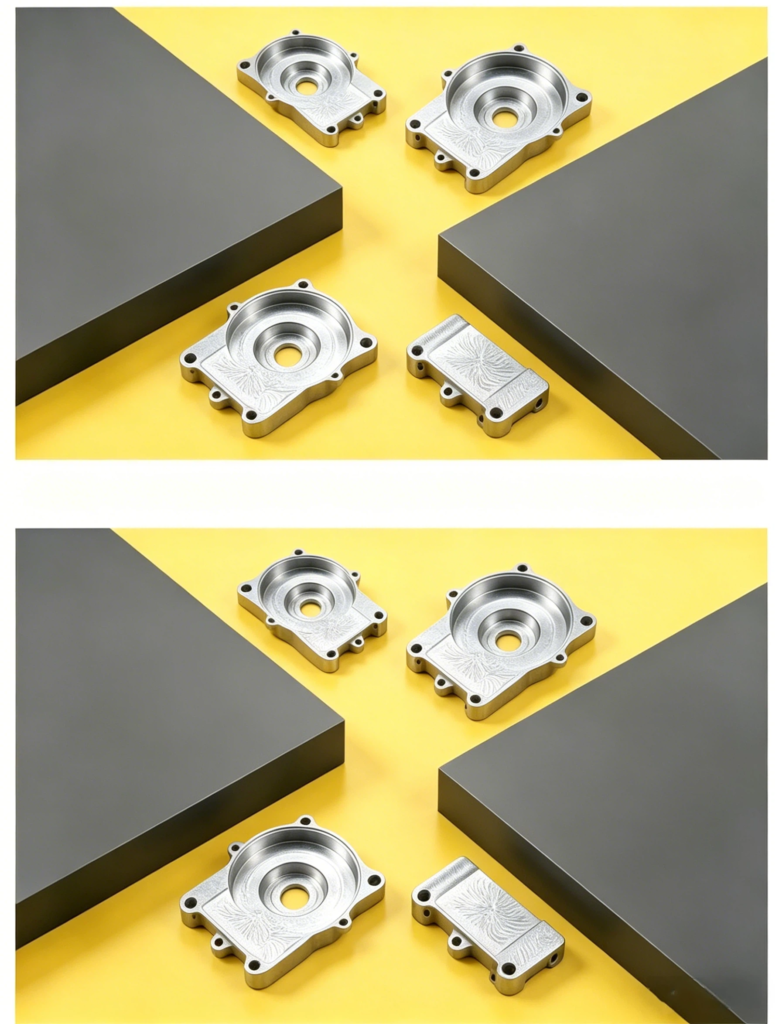
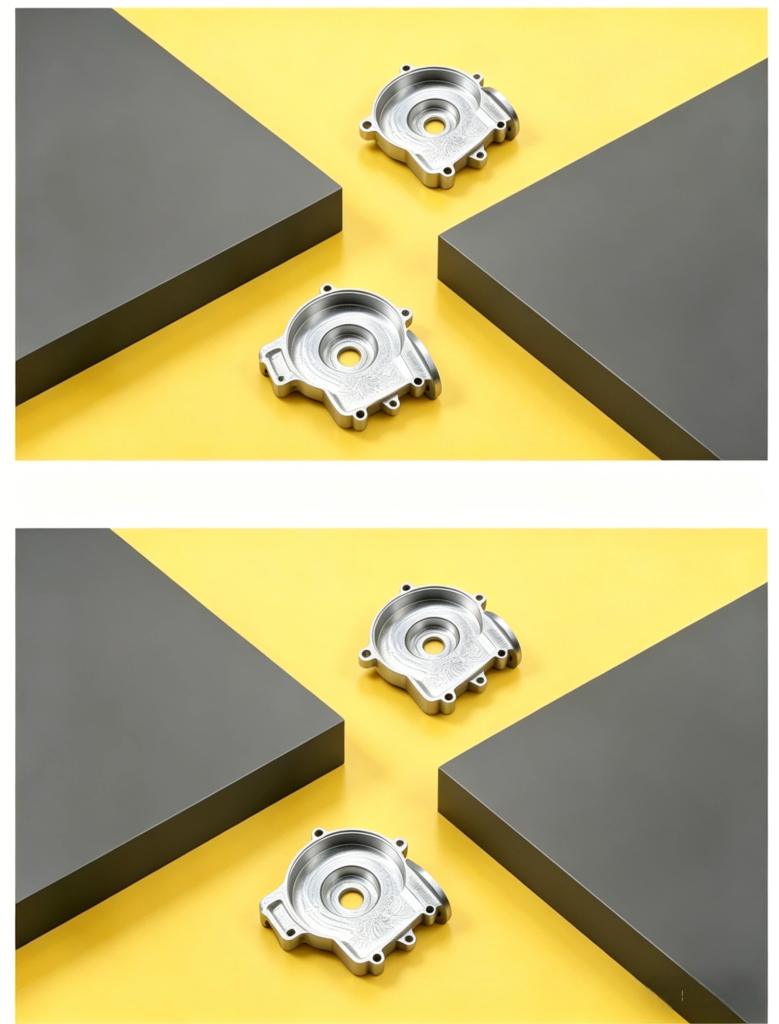
Manufacturing Process:
The production of a gearbox bell housing follows a precise sequence of operations. Raw material—cast aluminum, cast iron, or aluminum billet—is selected based on strength, weight, and cost requirements. For cast housings, molten metal is poured into sand molds or permanent molds to create the rough shape. The casting is then heat treated to relieve internal stresses and improve mechanical properties. CNC machining centers rough and finish machine all critical surfaces including the engine mounting face, transmission mounting face, pilot bore, and starter pocket. Threaded holes are tapped for mounting bolts. Inspection ports and ventilation slots are machined as required. Each gearbox bell housing undergoes dimensional inspection, pilot bore concentricity verification, and pressure testing for porosity.
Common Materials for Gearbox Bell Housing:
Cast Aluminum is the most common material for gearbox bell housing production. Alloys such as A356 or A380 offer excellent strength-to-weight ratio, good corrosion resistance, and castability. Cast aluminum gearbox bell housing units are standard in most passenger vehicles and light trucks.
Cast Iron provides superior strength, excellent vibration damping, and wear resistance. Cast iron gearbox bell housing units are common in heavy-duty trucks, commercial vehicles, and industrial applications where durability is critical.
Billet Aluminum is machined from solid 6061 or 7075 aluminum plate. Billet gearbox bell housing units offer maximum strength, precision tolerances, and aesthetic appearance. Common in racing, performance, and custom applications.
Steel Fabricated units are welded from steel plate for extreme-duty applications. Steel gearbox bell housing units are found in off-road, mining, and heavy industrial equipment.
Applications Across Industries:
Automotive Passenger Vehicles:
Gearbox bell housing connects engines to manual and automatic transmissions in cars, SUVs, and light trucks. Cast aluminum units balance weight, strength, and cost for mass production.
Heavy Duty Trucks:
Gearbox bell housing in Class 8 trucks, dump trucks, and tractor-trailers uses cast iron construction for durability. Heavy wall sections withstand high torque loads from diesel engines.
Racing and Performance:
Gearbox bell housing in drag racing, road racing, and rally cars uses billet aluminum or reinforced castings. SFI certification required for competitive racing to contain clutch explosions.
Industrial Equipment:
Gearbox bell housing connects engines to pumps, generators, compressors, and industrial transmissions. Robust construction for continuous duty operation.
Marine:
Gearbox bell housing in boats and ships connects marine engines to reversing gears or transmissions. Corrosion-resistant materials and coatings for saltwater environments.
Off-Road and Mining:
Gearbox bell housing in construction equipment, mining trucks, and agricultural machinery uses heavy-duty cast iron or steel fabrication. Impact-resistant design for rough terrain.
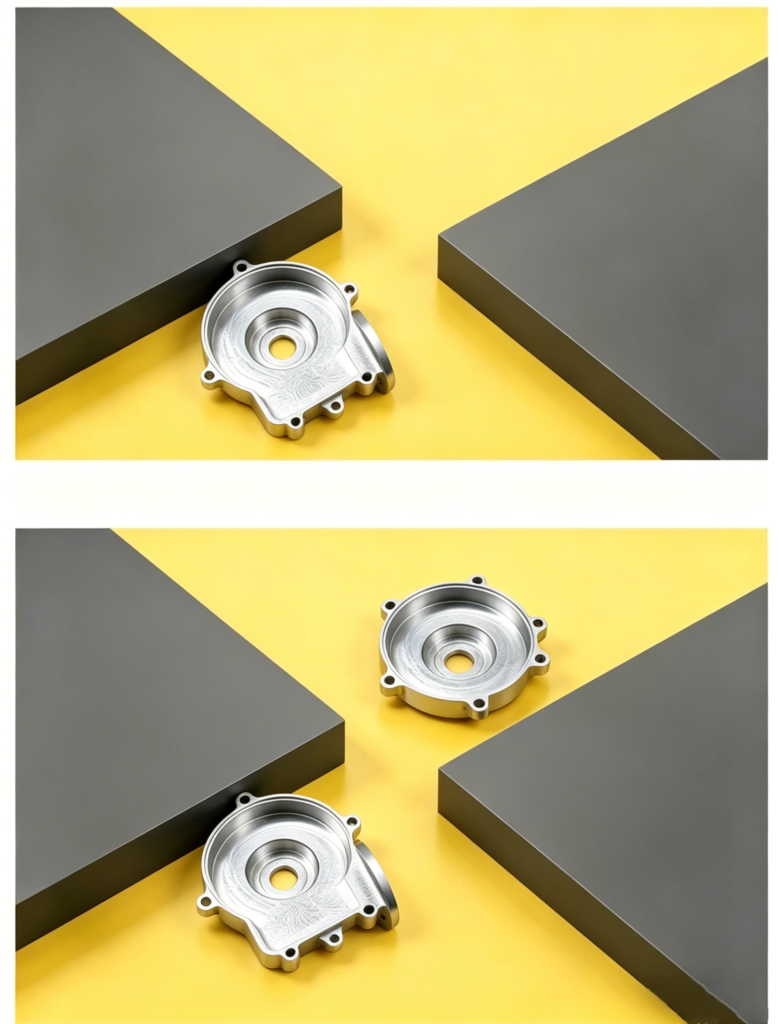
Polestar Excellent Case: Drag Racing SFI Bell Housing
Background: A drag racer experienced a clutch explosion at 9,000 RPM that sent shrapnel through the floorboard and into the driver compartment. The factory cast aluminum bell housing shattered on impact.
Solution: A billet aluminum gearbox bell housing with SFI 6.1 certification was installed. The 1/2 inch thick walls and reinforced design contained clutch fragments during subsequent explosions. The housing featured a quick-change cover for rapid clutch access between rounds.
Results:
- Safety: Contained clutch explosion with zero shrapnel penetration
- Certification: Passed SFI 6.1 testing for competition use
- Weight: 28 pounds, only 8 pounds heavier than stock unit
- Access: Quick-change cover reduced clutch change time from 2 hours to 30 minutes
- Durability: Survived full racing season with no cracks or distortion
This case demonstrates how a performance gearbox bell housing provides critical safety and durability in racing applications.
Installation Best Practices:
Proper installation ensures the gearbox bell housing performs reliably. Verify pilot bore concentricity using a dial indicator before final assembly. Clean all mating surfaces thoroughly. Use new bolts and lock washers. Torque bolts to manufacturer specifications in a cross pattern. Install transmission input shaft into pilot bearing before tightening bell housing bolts. Check clutch fork or hydraulic release operation after installation.
Common Failure Modes:
Understanding potential failures helps with preventive maintenance. Cracking occurs from excessive torque, impact damage, or manufacturing defects, more common in cast aluminum than billet or cast iron. Pilot bore misalignment causes input shaft bearing failure, prevented by verifying concentricity. Corrosion affects uncoated cast iron in moist environments, prevented by painting or stainless steel hardware. Thread damage from over-torquing bolts, prevented by using torque wrench.
Conclusion:
The gearbox bell housing represents a critical drivetrain component that connects engine to transmission while housing the clutch or torque converter. By providing precise alignment, structural support, and safety containment, it enables reliable power transfer across automotive, racing, industrial, and marine applications. By understanding the materials, types, and selection criteria outlined in this guide, the right gearbox bell housing can be selected for any application—from OEM replacement to custom racing and engine swap projects.