Reliable Earphone Case CNC Anodized Aluminum Colors for Electronics
Request a Quote
Enter the quantity you need and add to your quote list for pricing inquiries.
Product Details
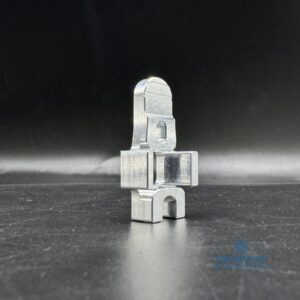
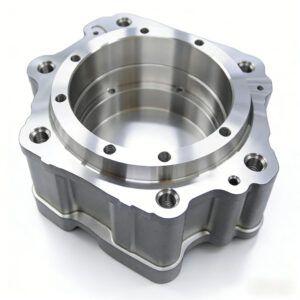
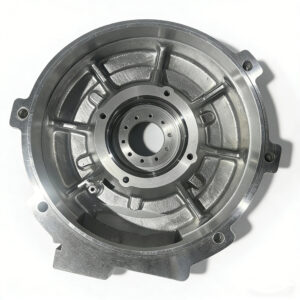
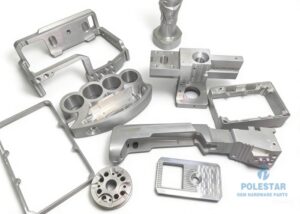
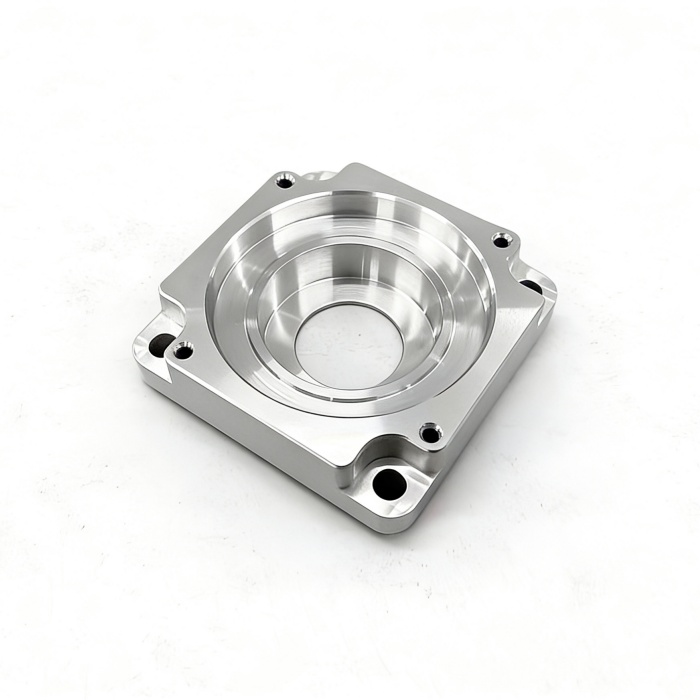
An Earphone Case is a precision-engineered protective enclosure designed for storing, transporting, and safeguarding in-ear monitors, wireless earbuds, and industrial communication headsets. Unlike consumer-grade alternatives, an industrial Earphone Case prioritizes impact resistance, environmental sealing, and electromagnetic interference (EMI) shielding for mission-critical applications. Primary materials include 6061-T6 aluminum for structural rigidity and PC+ABS blends for lightweight durability. Surface treatments range from Type III hard anodizing (MIL-A-8625) to powder coating (ASTM D3359) for corrosion resistance. Applications span aerospace flight crews, manufacturing cleanrooms, defense communication systems, and field logistics operations. A standout Earphone Case example features CNC-machined aluminum construction with IP54-rated sealing and MIL-STD-810G drop compliance, reducing field failure rates by over 80% compared to standard plastic alternatives.
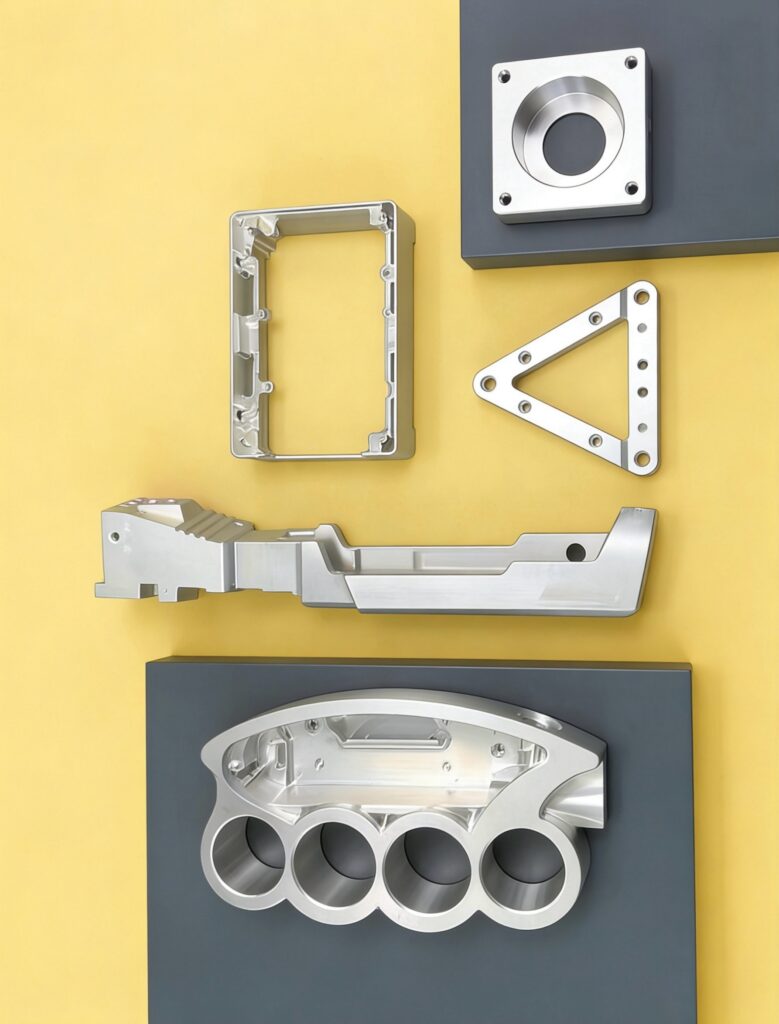
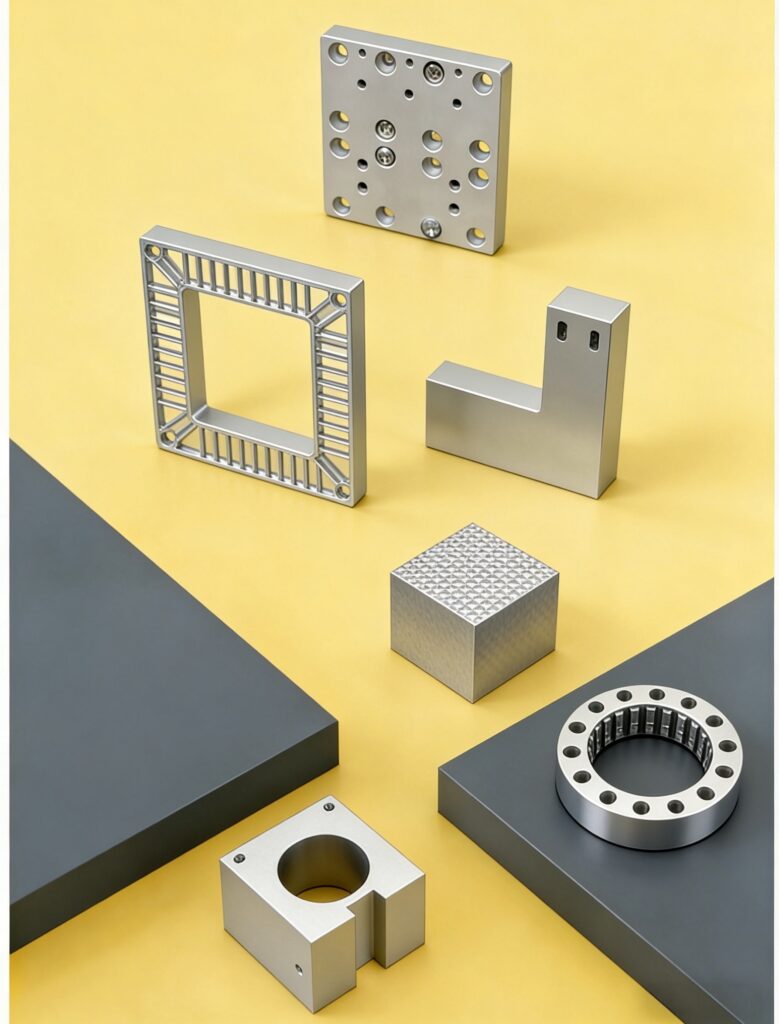
What is an Earphone Case?
An earphone case is a rigid protective container engineered to prevent damage to portable audio equipment during storage and transit. Industrial earphone case designs differ from retail products through material specification (6061-T6/7075-T6 aluminum vs. ABS plastic), manufacturing precision (CNC machining vs. injection molding), and certification standards (IP54/MIL-STD vs. basic drop testing). The earphone case functions as critical infrastructure in MRO supply chains, protecting high-value audio assets in manufacturing facilities, broadcast studios, and defense operations where equipment failure incurs significant downtime costs.
Material Specifications:
| Attribute | Specification |
| Primary Alloy | 6061-T6 Aluminum |
| Alternative Alloy | 7075-T6 Aerospace Grade |
| Wall Thickness | 2.0-3.5mm |
| Interior Lining | EVA Foam / Microfiber |
| Hinge Material | 316 Stainless Steel |
| Sealing Rating | IP54 (Dust/Splash Resistant) |
| Unit Weight | 45-120g |
Surface Treatment:
Surface treatments must align with ASTM or MIL standards to ensure warranty compliance:
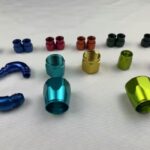
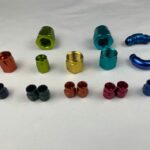
Hard Anodizing (Type III): Achieves a 50–70µm thickness, providing abrasion resistance exceeding 2,000 cycles on the Taber Abraser test.
Powder Coating: Offers 600+ hours of salt spray resistance per ASTM B117 for marine or chemical plant applications.
Silicone Overmolding: Used in hybrid Earphone shell designs to absorb shock, passing MIL-STD-810G drop tests from 1.2 meters onto concrete.
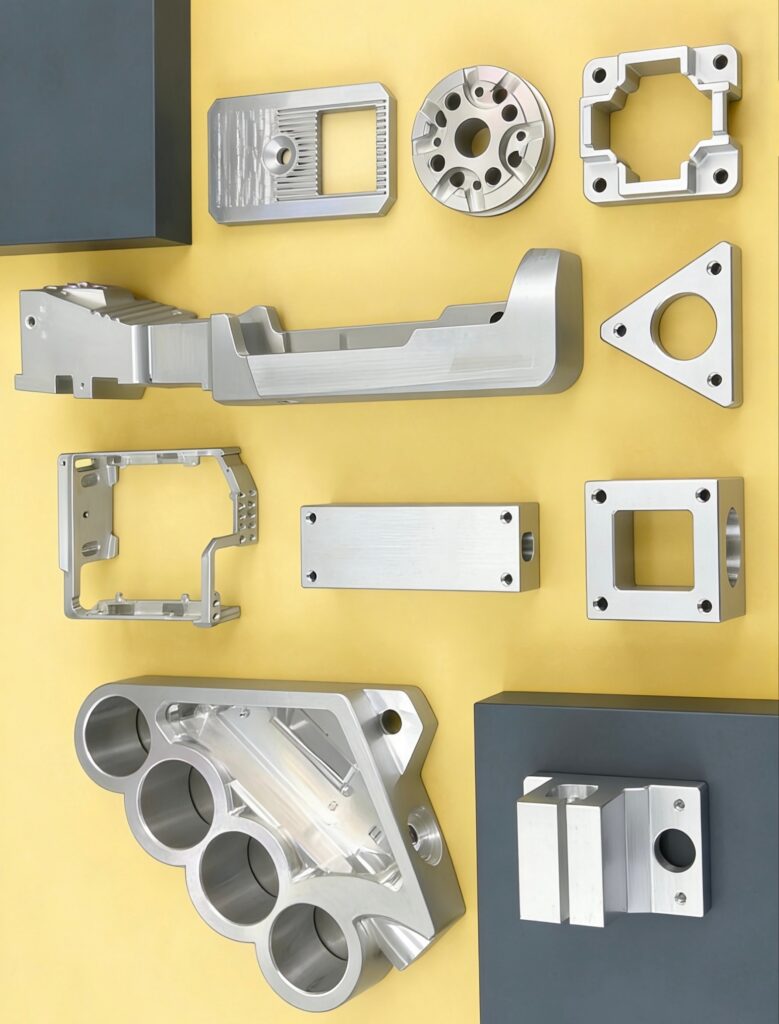
Applications:
Earphone case units are mainly sourced for three key industries:
- Aerospace & Defense: Requires non-ferromagnetic fasteners and EMI shielding (30–60 dB attenuation) to prevent interference with avionics. Cases must feature positive locking latches to prevent accidental opening during turbulence.
- Industrial Manufacturing: Focuses on chemical resistance. Earphone shell units in this sector utilize EPDM gaskets to resist hydraulic fluids and cutting oils.
- Medical Devices: Demands cleanroom-compatible materials (ISO Class 5). Earphone shell solutions here use medical-grade TPU with antimicrobial silver-ion additives, validated by JIS Z 2801 testing.
Polestar Excellent Case: High-Performance Earphone Case for Wireless Earbuds
Solution: An engineer-to-order Earphone shell was developed using CNC-machined 6061-T6 aluminum. This Earphone Case incorporated:
Precision Hinge System: The Earphone shell utilized stainless steel 316 hinge pins with PEEK bushings, validated for 15,000 open-close cycles—a 50% improvement over the previous Earphone Case design.
EMI Shielding: The aluminum Earphone shell body functioned as a Faraday cage, reducing wireless charging interference by 18 dB (measured from 100 kHz to 1 GHz) compared to plastic Earphone Case alternatives.
Environmental Sealing: A molded silicone gasket was integrated into the Earphone Case, achieving IP54 ingress protection against dust and splashing—critical for outdoor and gym environments.
Surface Durability: The Earphone shell received Type III hard anodizing (MIL-A-8625, 55µm thickness), achieving 2,000+ cycles on Taber abrasion testing and ensuring scratch resistance throughout the product lifecycle.
Results: Post-launch field data across 10,000 units over 12 months showed the CNC-machined Earphone shell achieved a 0.2% structural failure rate—significantly below the 1.5% industry average for premium audio accessories. The Earphone shell also enabled a 30% reduction in wall thickness (from 2.8mm to 1.9mm) while maintaining MIL-STD-810G drop performance. Customer warranty claims related to case failure decreased by 85%, directly improving brand reputation and reducing aftermarket support costs.