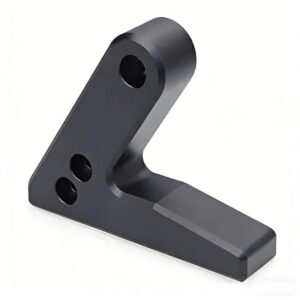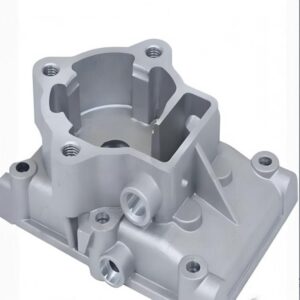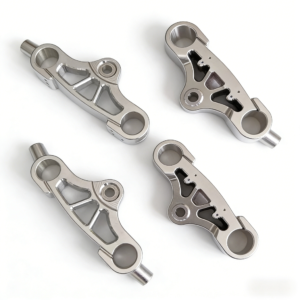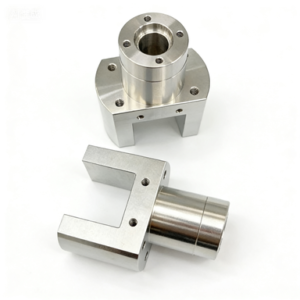
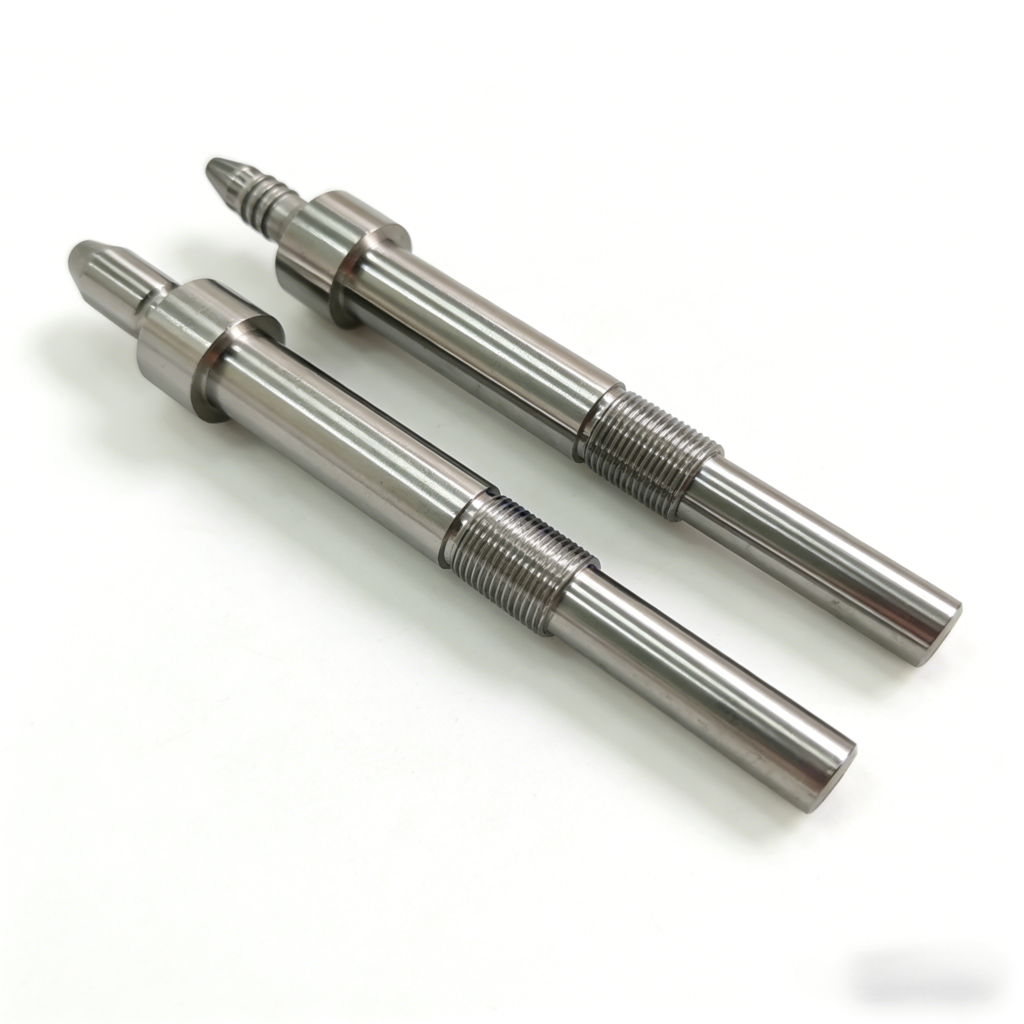
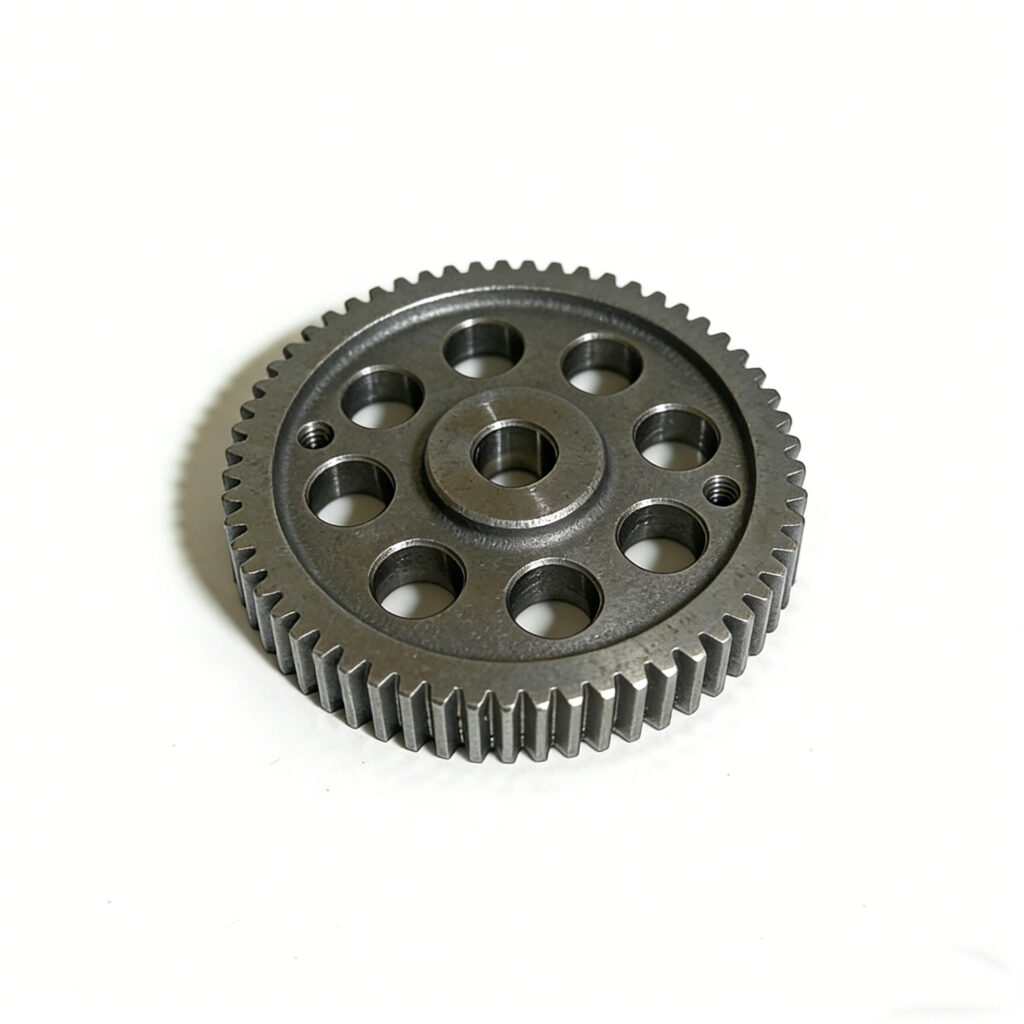
Die Casting Aluminum Parts For Attractive UAV Parts Agriculture Drone Sprayer Parts
Request a Quote
Enter the quantity you need and add to your quote list for pricing inquiries.
Product Details
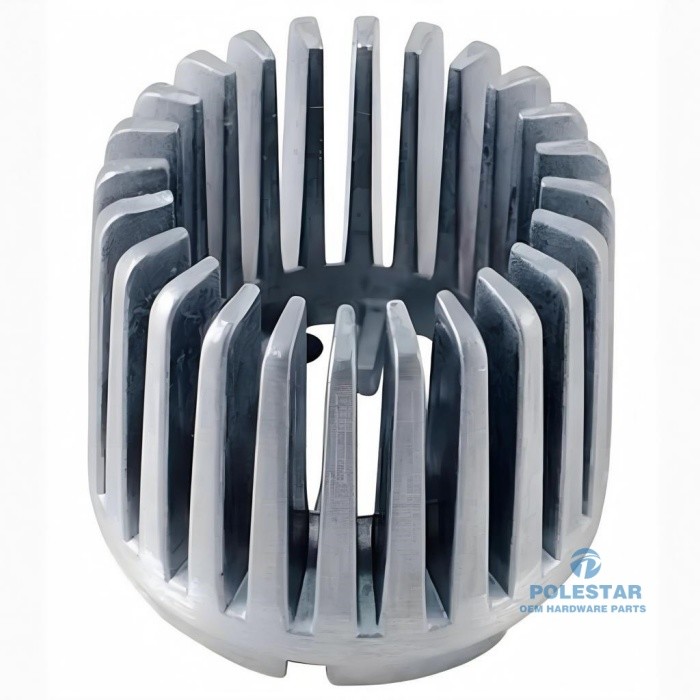
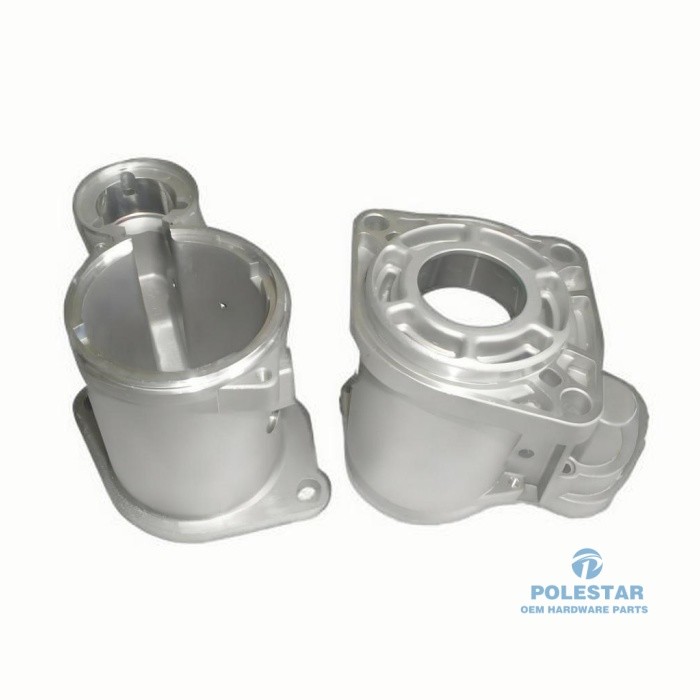
Die casting aluminum parts are high-precision metal components formed by injecting molten aluminum alloy into steel molds under high pressure (10–175 MPa). They deliver lightweight, durable, dimensionally stable parts with smooth surfaces, ideal for mass production of complex, thin-walled structures across automotive, electronics, and industrial sectors.
What Are Die Casting Aluminum Parts?
Die casting aluminum parts are metal fabrications produced via high-pressure die casting (HPDC). Molten aluminum alloy is rapidly injected into precision steel dies, solidifying quickly to form near-net-shape components. The process yields parts with tight tolerances (±0.05 mm), thin walls (1.5–2.5 mm), and consistent repeatability, minimizing secondary machining.
Materials of Die Casting Aluminum Parts:
- A380 (ADC10/ADC12 equivalent): Industry-standard alloy, balanced strength, corrosion resistance, and castability; most widely used for general applications.
- A360: Superior corrosion resistance and fluidity, ideal for marine/electronics housings.
- AlSi9Cu3: High thermal conductivity, excellent for heat sinks and automotive thermal management.
- A413: Exceptional castability for intricate, thin-wall geometries (≥0.8 mm).
Surface Treatments:
- Chromate Conversion Coating: Chemical treatment boosting corrosion resistance & paint adhesion (aerospace/automotive).
- Powder Coating: Electrostatic cured finish, durable, corrosion-resistant, wide color range (industrial/outdoor).
- Anodizing: 5–20 μm protective oxide layer, enhances wear resistance & aesthetics (consumer electronics).
- Shot Blasting: Textured finish, removes burrs, improves coating adhesion (industrial machinery).
- CNC Machining: Precision post-processing for tight-tolerance features (medical/automotive).
Application Areas:
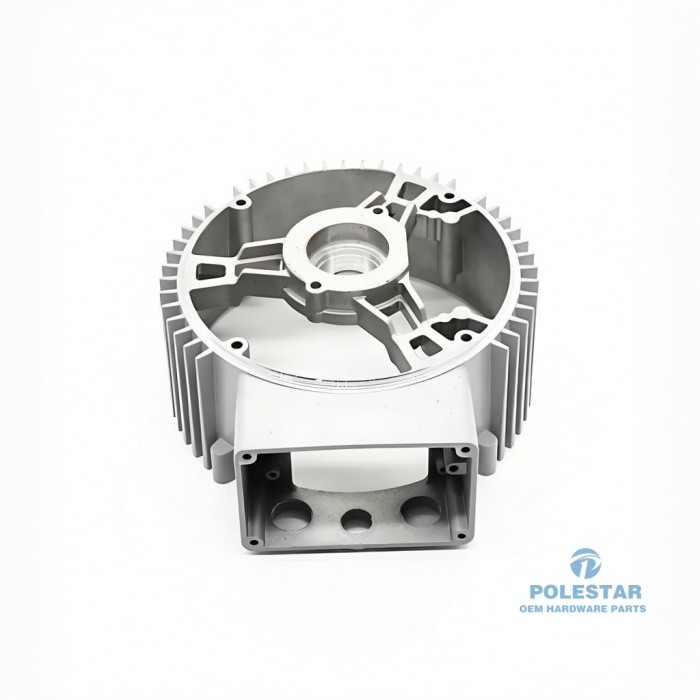
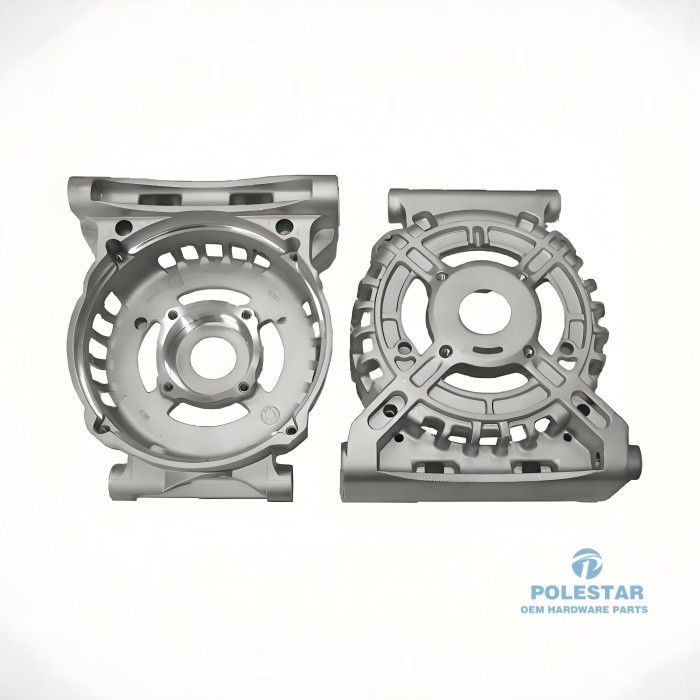
- Automotive of die casting aluminum parts: Transmission housings, EV battery casings, engine mounts, heat sinks.
- Electronics & Telecom of die casting aluminum parts: Server chassis, LED heat sinks, router enclosures, EMI shielding components.
- Industrial Machinery of die casting aluminum parts: Pump housings, valve bodies, gearbox covers, robotic brackets.
- Home Appliances of die casting aluminum parts: Compressor housings, AC frames, vacuum components, oven parts.
- Medical & Aerospace of die casting aluminum parts: Surgical device housings, aircraft structural brackets, satellite components.
Case Study:
Selected Solution:
A North American automotive Tier 1 supplier needed lightweight, high-strength transmission housings for electric vehicles (EVs), requiring 20% weight reduction vs. steel assemblies, ±0.05 mm tolerances, and 1.2 mm thin walls. We proposed ADC12 die casting aluminum parts with Magmasoft flow simulation for mold optimization, integrating 12 internal mounting bosses and cooling channels into a single casting to eliminate 8 sub-components. Precision multi-cavity tooling with T6 heat treatment (480°C solutionizing + 200°C aging) enhanced tensile strength to 280 MPa. We implemented 100% dimensional inspection via CMM and X-ray testing to ensure zero porosity in critical load zones.
Results:
The solution achieved 22% weight reduction (from 3.2 kg to 2.5 kg) vs. steel, meeting EV lightweight targets. Dimensional accuracy held ±0.04 mm, exceeding specs and cutting assembly time by 35%. Production cycle time reached 45 seconds/part, supporting 500,000 annual units with scrap rates <3%. T6 treatment boosted fatigue resistance by 30%, passing 1,000-hour salt-spray tests. Integrated design reduced part count by 40%, lowering total production costs by 28%. The client validated 15% improved fuel efficiency in test vehicles, adopting the design for 3 EV models, generating $2.1M annual cost savings.
Our Product Advantages:
- Lightweight & High Strength: 1/3 steel density, 228–300 MPa tensile strength, ideal for weight-critical designs.
- Precision & Consistency: ±0.05 mm tolerances, smooth Ra 1.6–3.2 μm surfaces, minimal post-processing.
- Cost Efficiency: Mass production capability (10k–1M units), low scrap (<3%), long die life (100k+ cycles).
- Thermal/EMI Performance: Excellent conductivity for heat dissipation and electromagnetic shielding.
- Sustainability: 100% recyclable, low energy vs. machining.
Why choose Us?
- ThomasNet/GlobalSpec Certified: ISO 9001/16949 certified, 15+ years serving North American MRO buyers.
- Material Expertise: In-house alloy lab, A380/ADC12/A360 specialization, traceable material certifications.
- Advanced Tooling: In-house mold design, Magmasoft simulation, 5-axis CNC die manufacturing.
- Quality Assurance: 100% inspection (CMM/X-ray), PPAP compliance, 6σ process control.
- Supply Chain Reliability: 7–10 day lead times, JIT delivery, North American warehouse support.