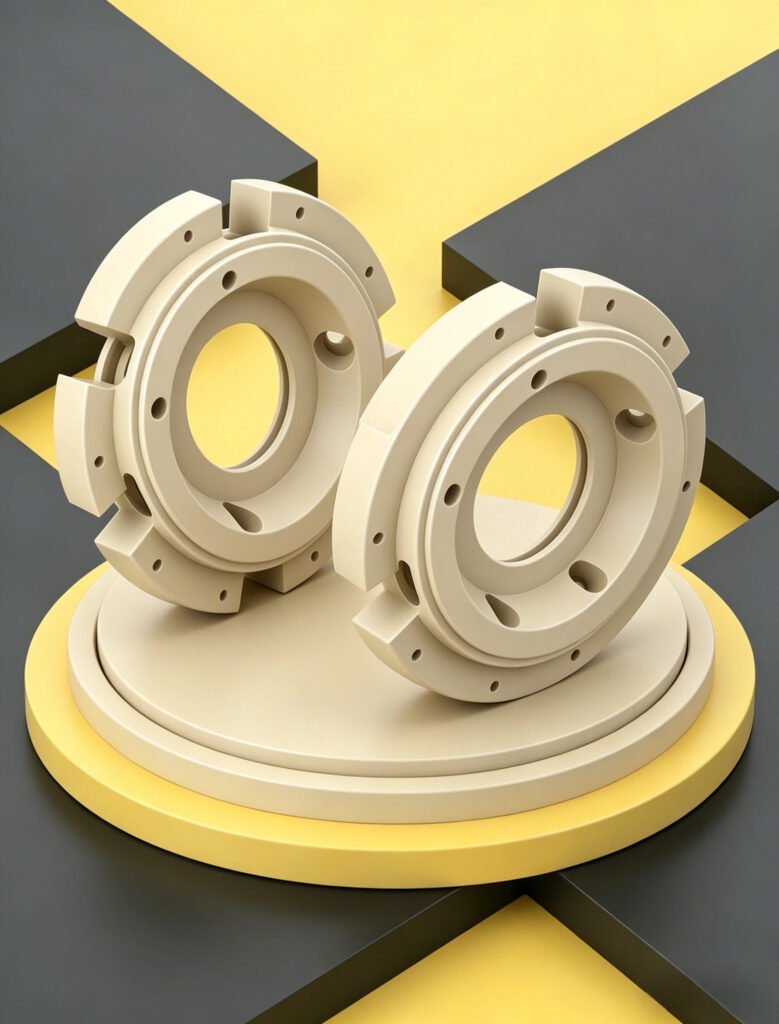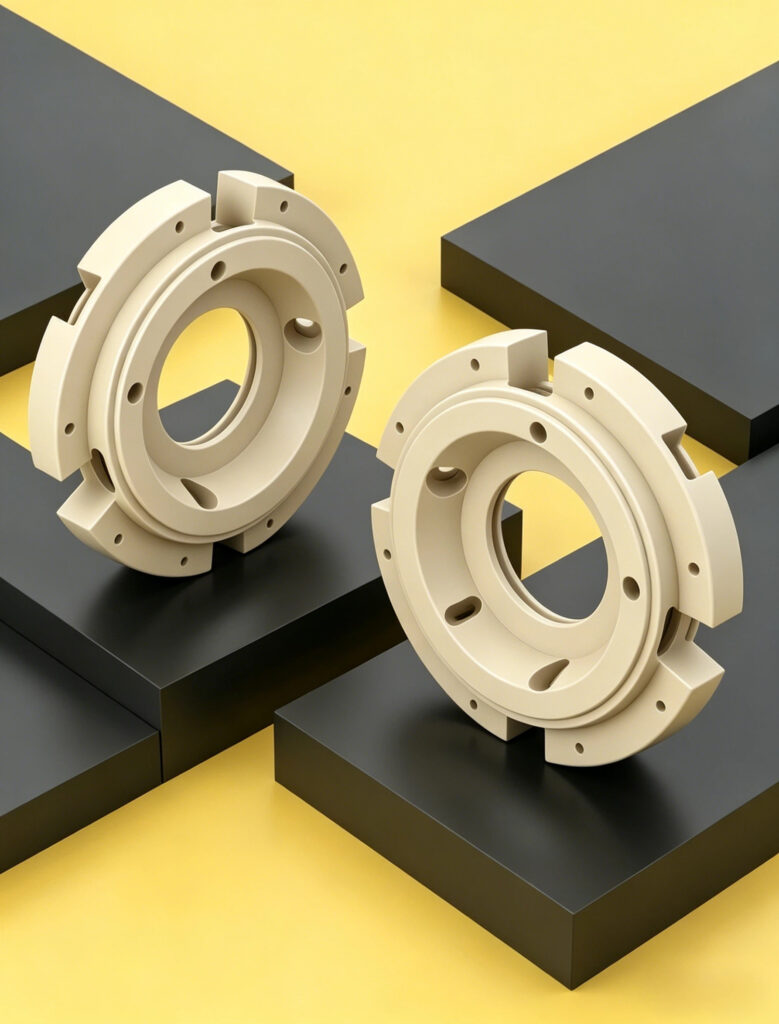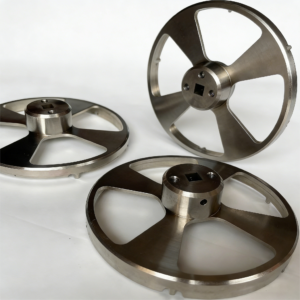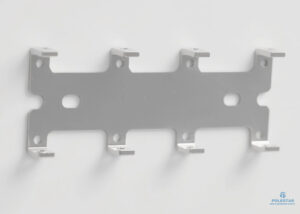
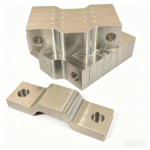
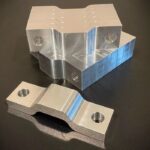
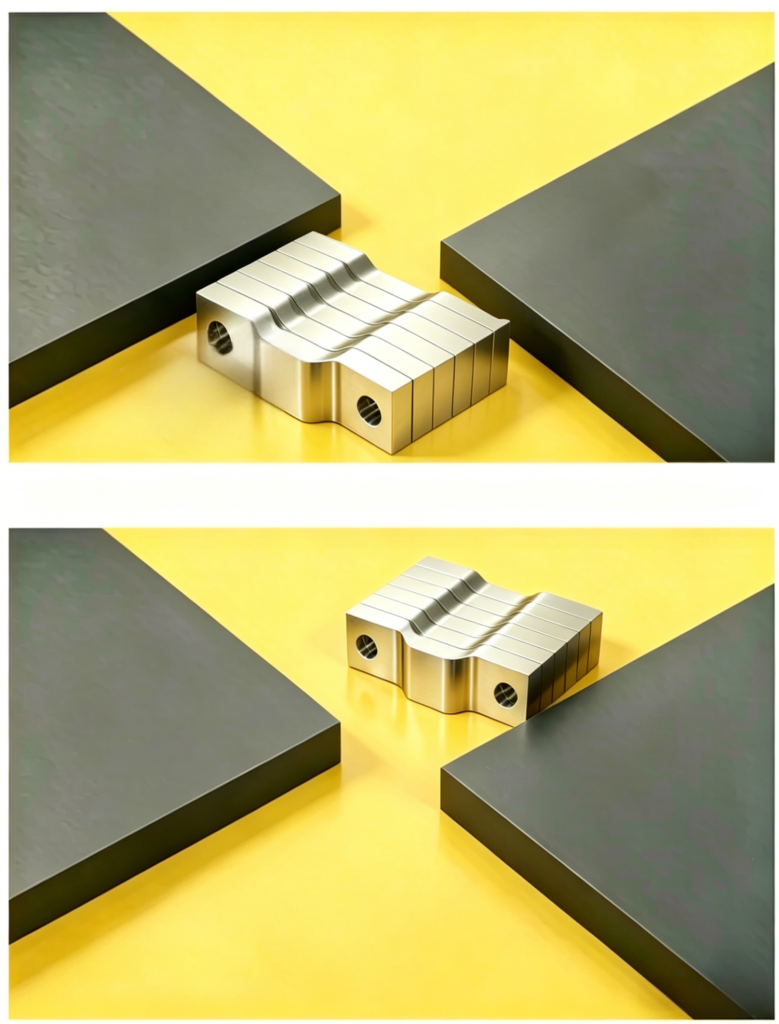
Custom Stable Connecting Plate Tolerance ±0.01 Inch High Precision Stainless Steel Connecting Plate
Request a Quote
Enter the quantity you need and add to your quote list for pricing inquiries.
Product Details
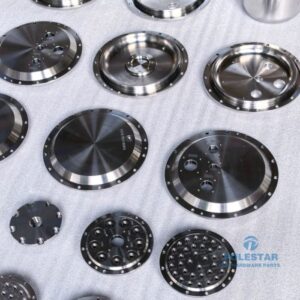
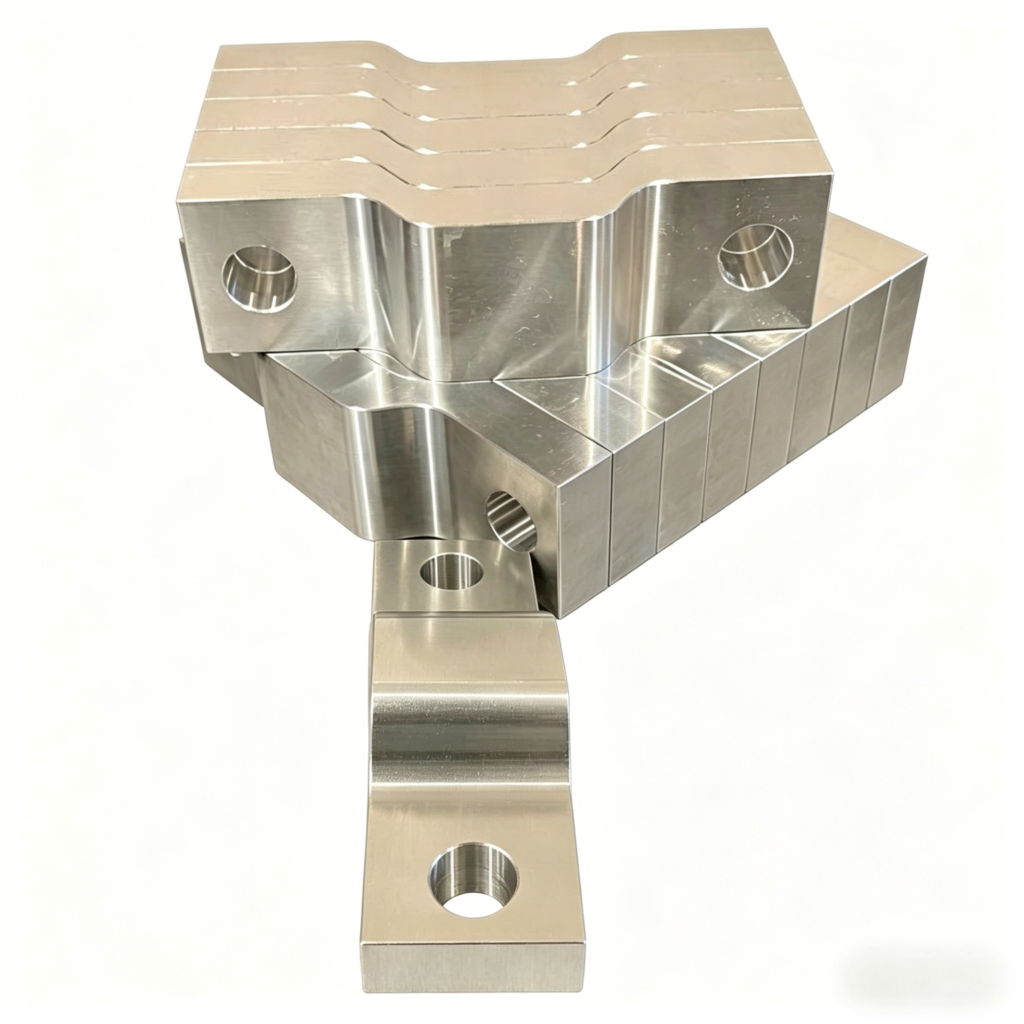
A connecting plate is a flat structural component used to join two or more parts together in assemblies, frames, and machinery. It distributes loads across connected elements and provides rigid structural support. Manufactured from steel, stainless steel, aluminum, or ductile iron. Available in custom sizes, thicknesses, hole patterns, and finishes including zinc plating, anodizing, and powder coating. Suitable for construction, industrial machinery, automotive frames, solar panel mounting, and robotics. Custom connecting plates available with specific hole configurations and tolerances.
What Is a Connecting Plate?
A connecting plate is a flat structural component used to join two or more parts together in assemblies, frames, machinery, and structural systems. The connecting plate distributes loads across connected elements, provides rigid structural support, and enables secure attachment between components. Unlike generic flat bars, the connecting plate is specifically designed with holes, slots, or special features for bolted, welded, or riveted connections.
The connecting plate is characterized by its flat geometry, precision hole patterns, and load-bearing capability. Typical features include custom hole configurations for bolted connections, counterbored or countersunk holes for flush mounting, slotted holes for adjustability, edge treatments such as chamfered or rounded corners, and surface finishes for corrosion protection. Thickness typically ranges from 2mm to 50mm, with custom sizes available. Weight range for a typical connecting plate varies from less than 100 grams for small electronic brackets to over 100 kilograms for heavy structural applications.
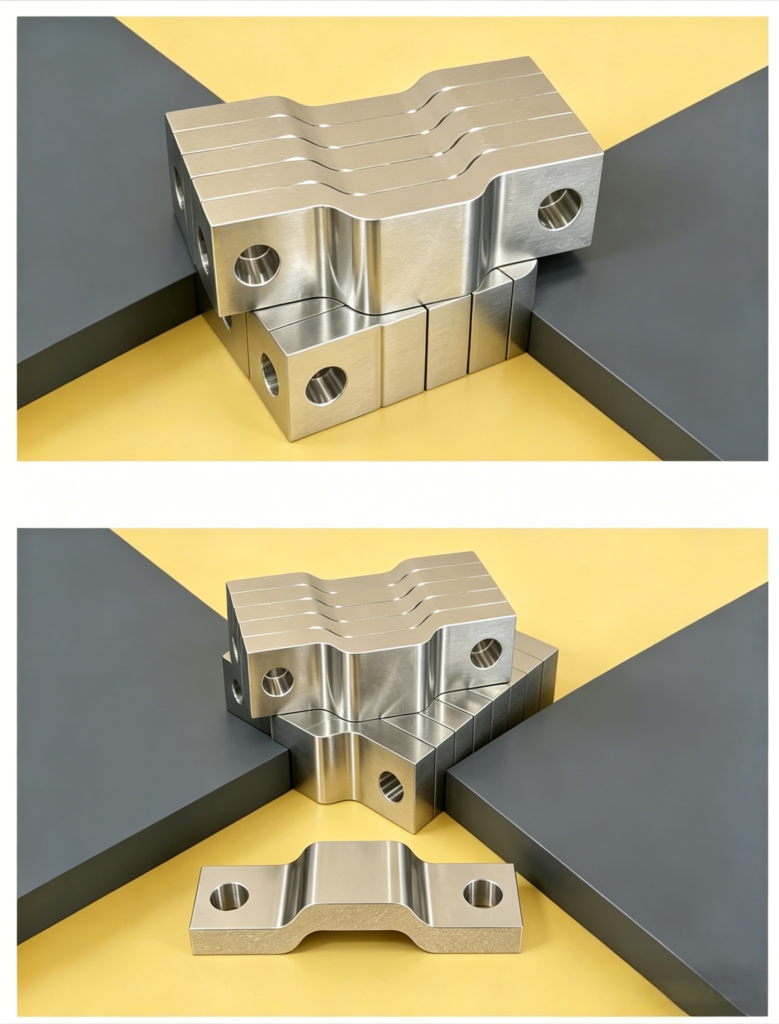
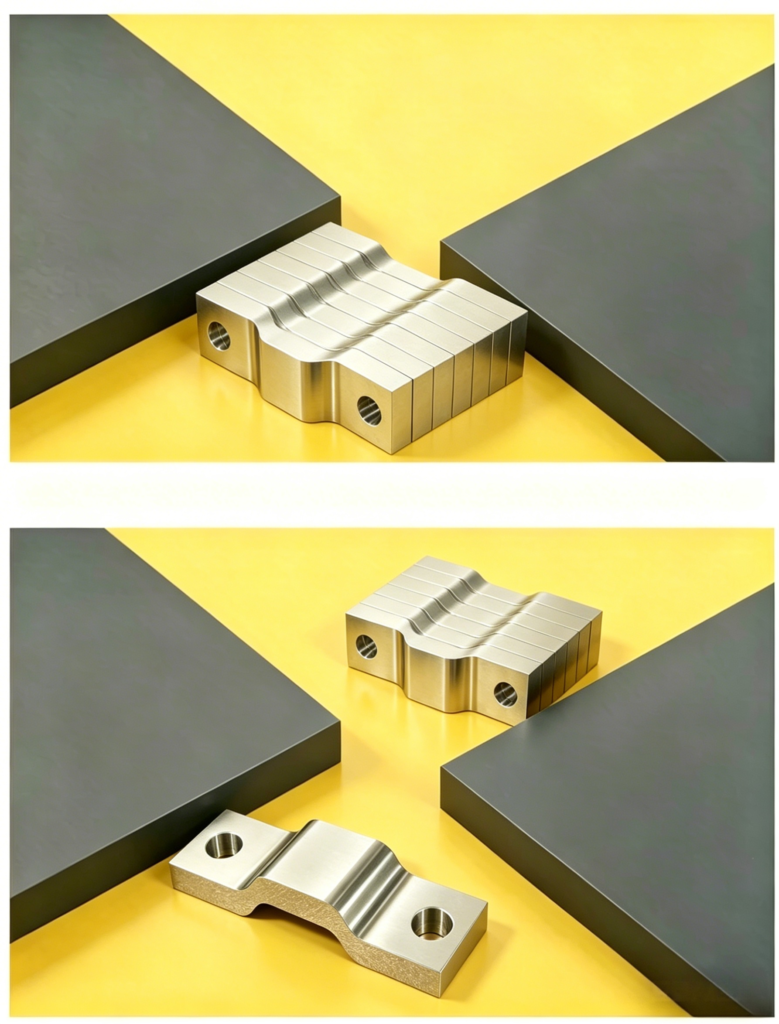
Manufacturing Process:
The production of a connecting plate follows a precise sequence of operations. Raw material in sheet or plate form—steel, stainless steel, aluminum, or ductile iron—is selected based on application requirements. The plate is cut to size using laser cutting, waterjet cutting, plasma cutting, or shearing, depending on thickness and precision requirements. Holes and slots are drilled, punched, or machined using CNC equipment to achieve precise hole patterns. Edge deburring removes sharp edges for safe handling. Surface finishing including zinc plating, anodizing, powder coating, or painting is applied as required. Each connecting plate undergoes dimensional inspection and hole pattern verification.
Common Materials for Connecting Plate:
Carbon Steel:
Carbon steel offers high strength and durability at an economical cost. Zinc plating or powder coating provides corrosion resistance. Suitable for construction, industrial machinery, and heavy equipment applications.
Stainless Steel:
Stainless steel in grades 304 and 316 provides superior corrosion resistance. Ideal for marine environments, food processing equipment, medical devices, and outdoor installations.
Aluminum Alloy:
Aluminum is lightweight and naturally corrosion resistant. Anodizing is available for enhanced wear resistance and color options. Suitable for aerospace, robotics, and portable equipment.
Ductile Iron:
Ductile iron offers good strength and vibration damping. Used for heavy-duty connecting plates in industrial machinery and construction equipment.
Specifications:
Typical specifications for a connecting plate include:
| Parameter | Typical Range |
| Thickness | 2mm to 50mm |
| Length | 50mm to 3000mm |
| Width | 20mm to 1000mm |
| Hole Diameter | 4mm to 30mm |
| Hole Pattern | Custom or standard grid |
| Material | Carbon steel, stainless steel, aluminum, ductile iron |
| Dimensional Tolerance | ±0.1mm to ±1.0mm |
| Surface Finish | Zinc plated, anodized, powder coated, plain |
Applications Across Industries:
Construction and Structural Steel:
Connecting plates are essential in steel frame construction for beam-to-column connections, truss joints, bracing connections, and base plate anchors. High-strength steel plates with precise hole patterns ensure structural integrity.
Industrial Machinery:
Connecting plates join machine frames, mount components to bases, and create structural supports for conveyors and processing equipment. Heavy-duty steel plates handle vibration and dynamic loads.
Automotive and Transportation:
Connecting plates are used in chassis assembly, frame repairs, and mounting brackets for vehicle components. Lightweight aluminum plates are common in racing and performance applications.
Solar Panel Mounting:
Connecting plates join solar panel rails to mounting structures and connect array sections together. Corrosion-resistant aluminum or galvanized steel plates withstand outdoor exposure.
Robotics and Automation:
Precision connecting plates join robotic arm sections, mount actuators and sensors, and create custom end-of-arm tooling. Aluminum plates with anodized finishes provide lightweight rigidity.
Agricultural Equipment:
Connecting plates repair and reinforce farm equipment frames, join implement sections, and mount hydraulic components. Heavy-duty steel plates withstand shock loads and outdoor conditions.
Excellent Use Case: Solar Panel Ground Mount System
Background:
A solar farm developer needed a reliable, cost-effective method to connect thousands of aluminum rails into a large-scale ground mount solar array. Standard brackets were expensive and required extensive on-site adjustment.
Solution:
A custom connecting plate was designed from 6061 aluminum with 6mm thickness. The plate featured four slotted holes allowing 20mm of adjustment in both directions. Each plate connected two rail sections end-to-end and provided mounting points for the support structure.
Results:
- Installation Speed: Assembly time reduced by 40 percent
- Cost Savings: 35 percent lower component cost compared to standard brackets
- Adjustability: Slotted holes accommodated field variations without rework
- Corrosion Resistance: Anodized finish withstood 20-year outdoor exposure
- Load Capacity: Each plate handled 500kg of static load with safety factor
This case demonstrates how a custom connecting plate delivers cost-effective, reliable joining for large-scale renewable energy installations.
How to Select the Right Connecting Plate:
Choosing the appropriate connecting plate requires careful consideration of several factors. Load requirements determine thickness, material strength, and number of fasteners. Environmental conditions influence material selection, with stainless steel for corrosive environments and galvanized steel for outdoor use. Hole pattern must match mating components for proper fit. Thickness affects both strength and weight. Surface finish provides corrosion protection and may be required for aesthetic reasons. Quantity determines whether standard sizes or custom fabrication is most cost-effective.
Common Failure Modes:
Understanding potential failures helps with preventive maintenance. Corrosion affects uncoated steel plates in moist environments, prevented by zinc plating, powder coating, or stainless steel material. Bolt loosening from vibration causes joint failure, prevented by lock washers or thread-locking compound. Plate bending occurs when load exceeds design capacity, prevented by proper thickness selection. Hole elongation results from movement under load, prevented by using hardened washers or larger diameter fasteners.
Conclusion:
The connecting plate represents a fundamental building block of mechanical assembly and structural construction, enabling secure, reliable joining across countless applications. By understanding the materials, types, and selection criteria outlined in this guide, the right connecting plate can be selected for any application—from standard structural connections to custom engineered solutions for renewable energy, robotics, and industrial machinery.