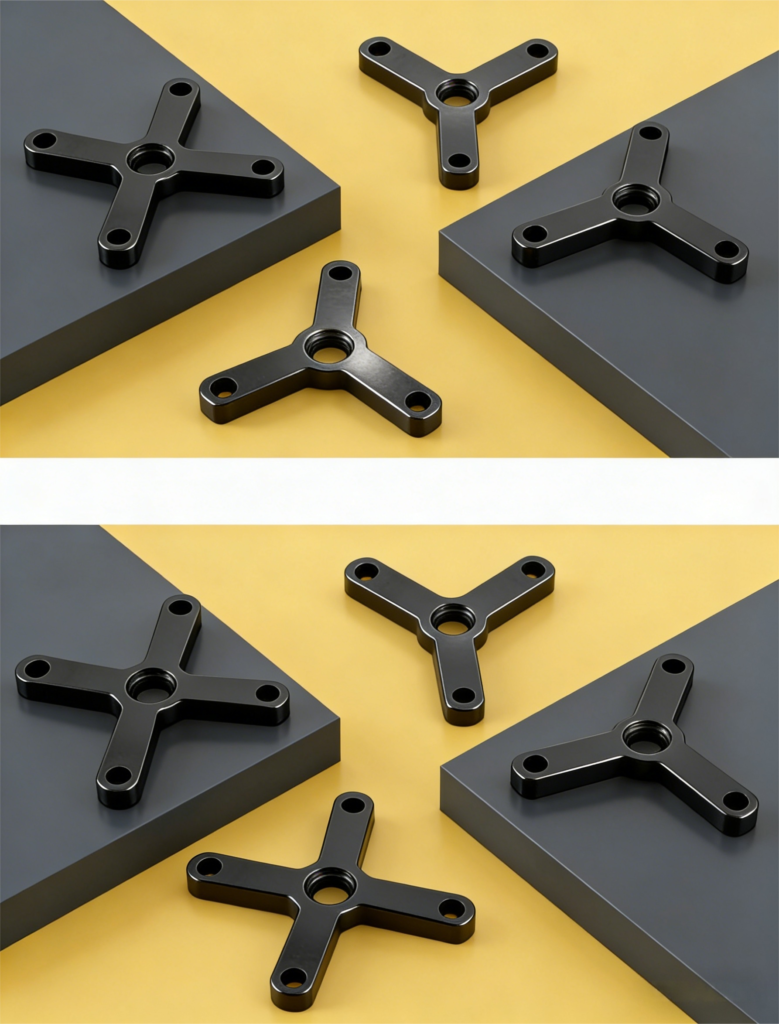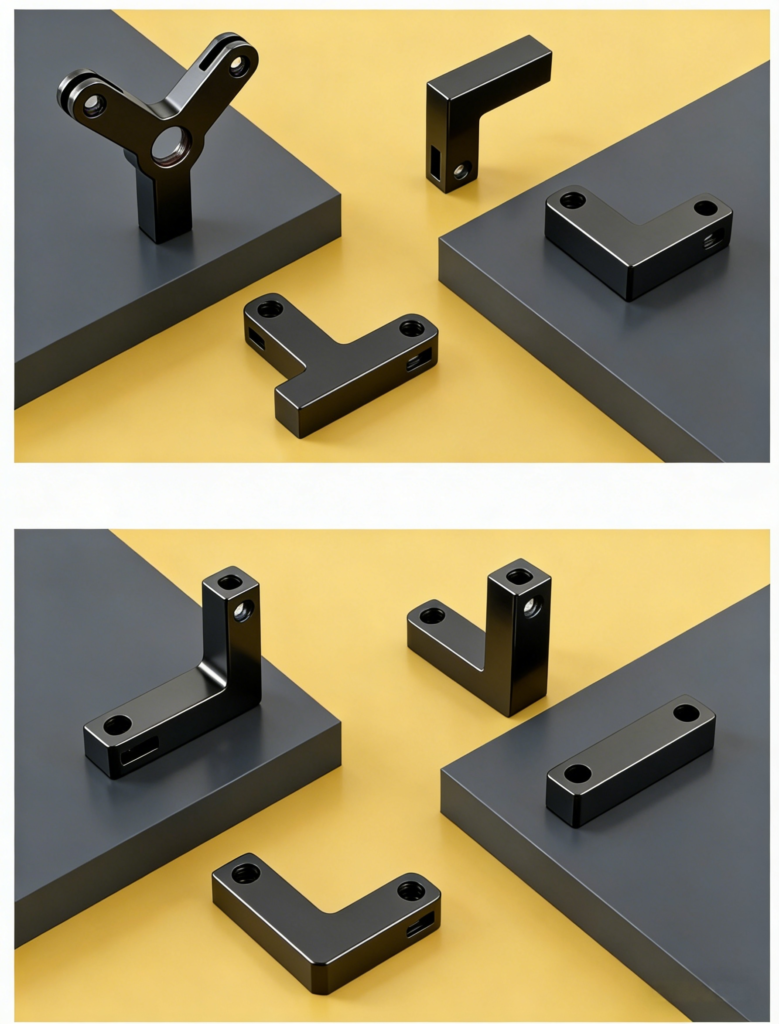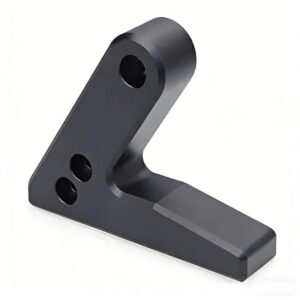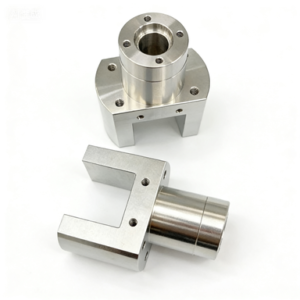
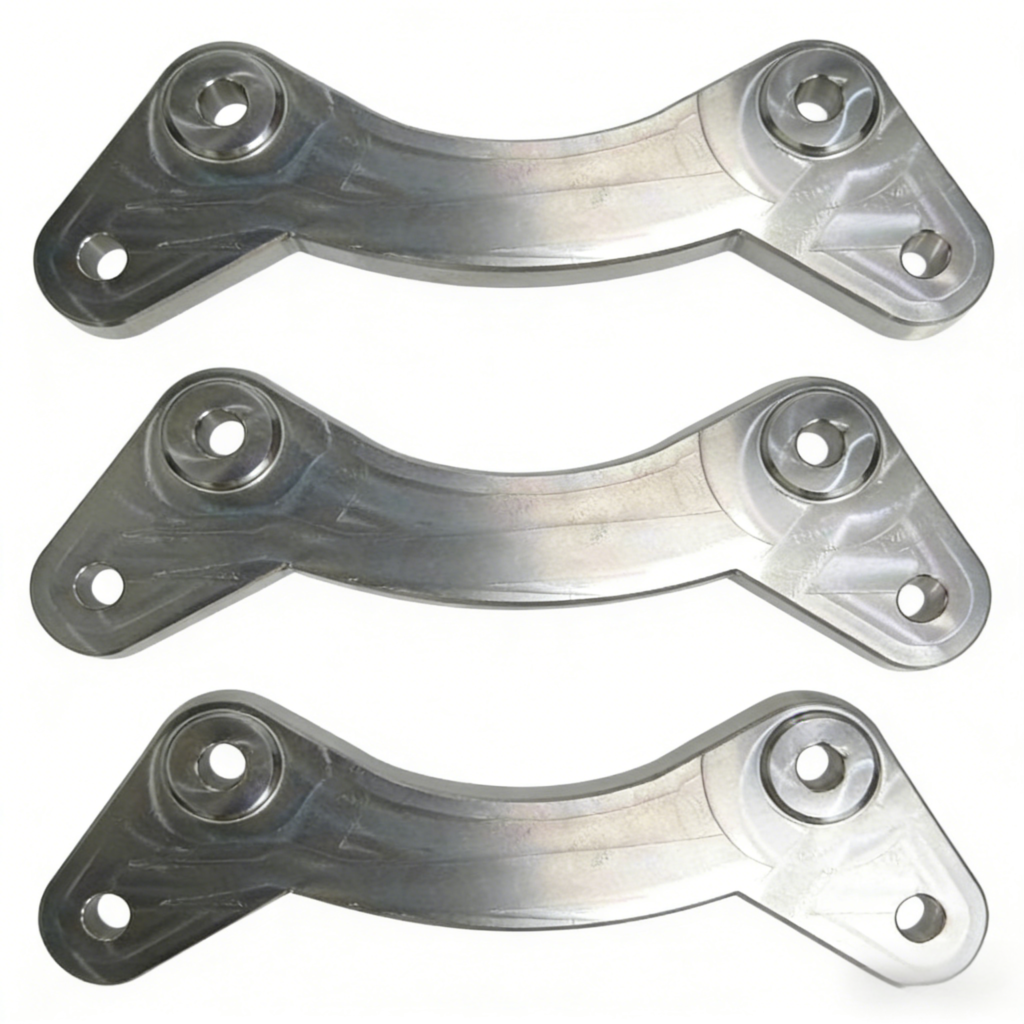
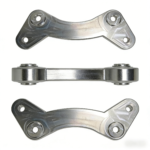
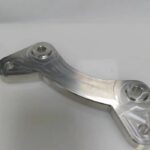
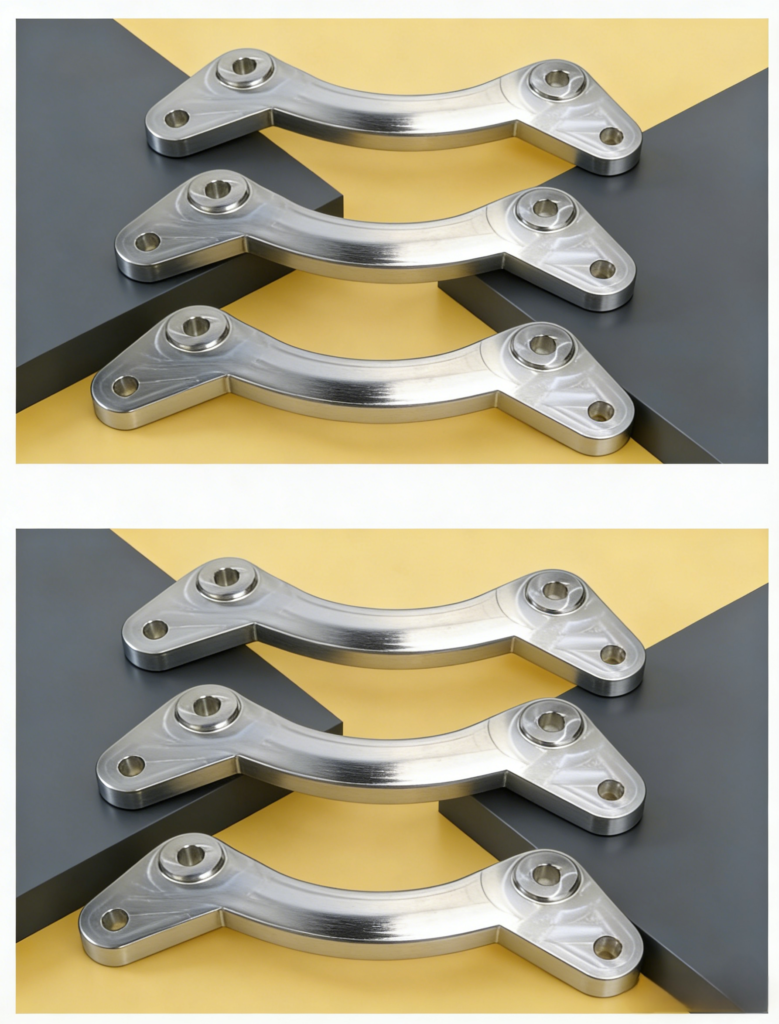
High Reliable Custom Brake Caliper Bracket 2 Piece High Strength Aluminum Bracket for Performance Brake Systems
Request a Quote
Enter the quantity you need and add to your quote list for pricing inquiries.
Product Details
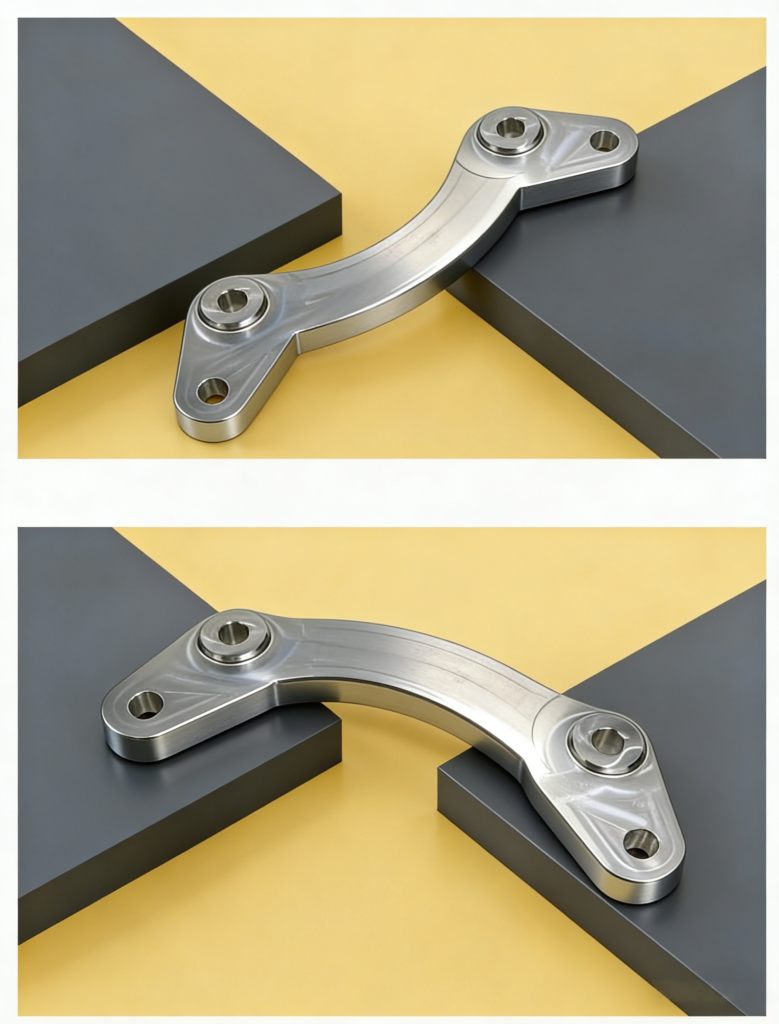
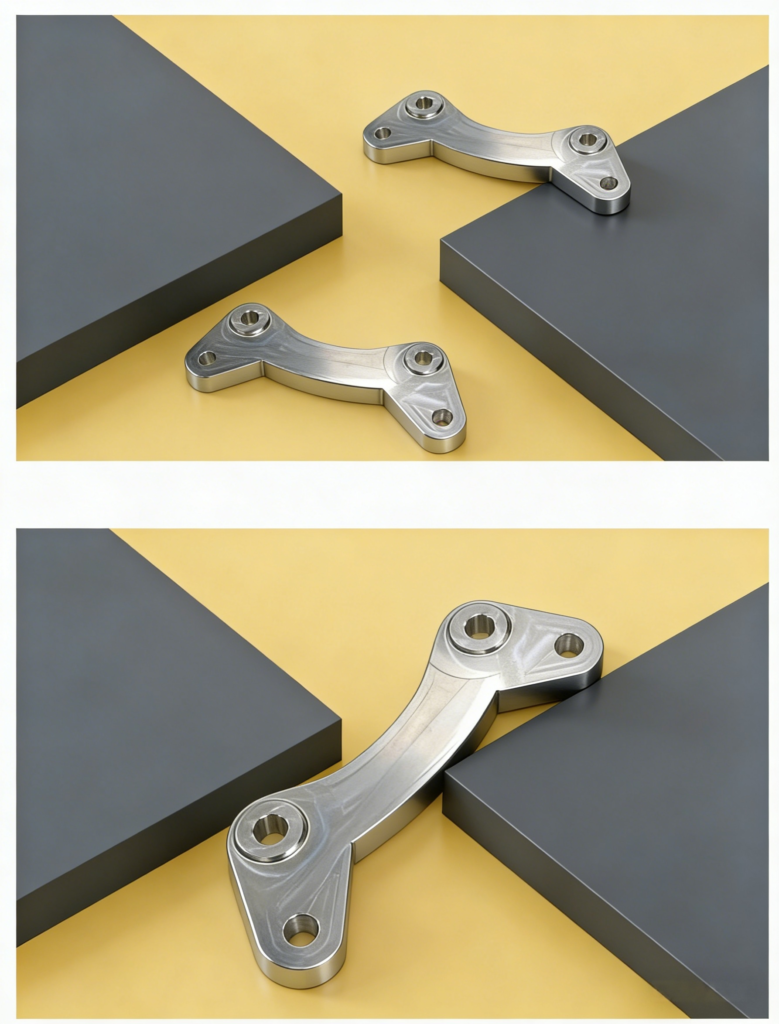
The brake caliper bracket is a precision mounting component that secures the brake caliper to the vehicle spindle or axle housing. It ensures proper alignment between the caliper and brake rotor for optimal braking performance and even pad wear. Manufactured from high strength materials including cast iron, aluminum alloy, and stainless steel. Available in custom configurations with specific bolt patterns, offsets, and thicknesses. Suitable for automotive, motorcycle, racing, and heavy duty applications. Custom brackets can be engineered with tight tolerances to match unique vehicle specifications.
What Is a Brake Caliper Bracket?
A brake caliper bracket is a precision-engineered mounting component that secures the brake caliper to the vehicle’s fixed structure, typically the steering knuckle, spindle, or axle housing. It positions the caliper at the correct distance and orientation relative to the brake rotor, ensuring that brake pads contact the rotor evenly for maximum stopping power.
The bracket performs several critical functions. It maintains precise caliper to rotor alignment. It withstands high braking forces and vibration. It provides a rigid mounting interface that prevents caliper movement during braking. It facilitates proper brake pad wear by ensuring even pressure distribution. It allows caliper removal for maintenance without disturbing the hydraulic system.
Available in various configurations for different vehicle applications, the brake caliper bracket is fundamental to disc brake systems across virtually every vehicle type.
How a Brake Caliper Bracket Works:
The operation of a brake caliper bracket is based on precise geometric relationships between the bracket mounting surfaces, the caliper mounting points, and the rotor centerline. When properly installed, the bracket positions the caliper so that the brake pads are centered on the rotor friction surface.
As hydraulic pressure forces the caliper pistons outward, the brake pads clamp against the rotating rotor. The bracket transfers the resulting braking torque from the caliper into the vehicle structure, preventing caliper rotation or deflection. This rigid mounting ensures consistent pad to rotor contact throughout the braking event.
Several critical factors affect bracket performance. Mounting surface flatness ensures proper caliper alignment. Bolt hole accuracy determines caliper positioning. Material strength affects resistance to braking forces. Corrosion resistance impacts longevity in harsh environments. Dimensional stability maintains alignment under temperature extremes.
For optimal performance, the brake caliper bracket must be manufactured with precise mounting surfaces, accurate bolt hole locations, and appropriate material properties.
Types of Brake Caliper Brackets:
To optimize for SEO and help users find the right product, it is important to categorize the different types available:
Fixed Mount Caliper Bracket:
Designed for fixed calipers where the bracket is integral to the caliper body or mounts directly to the knuckle. Common on high performance vehicles.
Floating Caliper Bracket:
Used with floating calipers, providing a sliding surface that allows caliper movement for even pad wear. Most common on passenger vehicles.
Radial Mount Caliper Bracket:
Features radial mounting bolts parallel to the rotor surface. Allows precise caliper centering and is popular on racing and high performance applications.
Lug Mount Caliper Bracket:
Traditional mounting style with bolts perpendicular to the rotor surface. Common on older vehicles and many current production cars.
Bracket Adapter Plate:
Allows mounting of different calipers to original brackets, commonly used for brake upgrades and conversions.
Custom Brake Caliper Bracket:
Engineered to exact specifications for unique applications including custom vehicles, racing conversions, and specialty equipment.
Materials and Manufacturing:
The performance and longevity of a brake caliper bracket are heavily influenced by material selection and manufacturing quality:
Cast Iron:
The most common material for original equipment brackets. Offers excellent strength, vibration damping, and wear resistance. Economical for high volume production.
Cast Steel:
Higher strength than cast iron, suitable for heavy duty and high performance applications.
Aluminum Alloy:
Lightweight and corrosion resistant. Popular for performance and racing applications where weight reduction is critical. Grades 6061 and 7075 are common.
Stainless Steel:
Provides exceptional corrosion resistance. Used in marine, off road, and high end applications.
CNC Machined Billet Aluminum:
Premium material for custom and performance brackets. Offers superior strength, precise tolerances, and aesthetic appearance.
Manufacturing Processes:
Sand casting for economical high volume production, die casting for complex shapes with good surface finish, CNC machining for precision tolerances and custom work, forging for maximum strength in critical applications.
Key Applications Across Industries:
The versatility of the brake caliper bracket makes it essential across numerous vehicle types:
Passenger Cars:
Original equipment brackets are designed for specific vehicle models, balancing cost, weight, and performance for daily driving.
Light Trucks and SUVs:
Heavy duty brackets withstand higher vehicle weights and towing demands.
Performance and Racing:
Upgraded brackets accommodate larger calipers and rotors for improved stopping power and heat dissipation.
Motorcycles:
Compact brackets mount calipers to forks or swingarms, requiring precise alignment for optimal braking.
Heavy Duty Trucks:
Massive brackets handle extreme braking forces and thermal loads.
Off Road Vehicles:
Corrosion resistant brackets withstand mud, water, and debris exposure.
Electric Vehicles:
Brackets designed for regenerative braking systems with specific thermal management requirements.
How to Select the Right Brake Caliper Bracket:
Choosing the appropriate brake caliper bracket requires careful consideration of several factors:
Vehicle Compatibility:
The bracket must match the specific vehicle make, model, year, and axle position. Brake systems vary significantly between vehicles.
Caliper Type:
Determine whether the bracket is for fixed or floating calipers, and radial or lug mount configuration.
Rotor Size Selection:
Cast iron for economy and durability, aluminum for weight reduction, stainless steel for corrosion resistance.
Load Requirements:
Consider vehicle weight, intended use, and expected braking forces. Heavy duty applications demand stronger materials.
Environmental Conditions:
For vehicles exposed to salt, moisture, or chemicals, corrosion resistant materials are essential.
Performance Goals:
Upgraded brackets may be needed for larger calipers, drilled or slotted rotors, or racing applications.
Customization Needs:
For unique vehicles or brake conversions, custom brackets can be engineered to specific dimensions and bolt patterns.
Customization Capabilities:
For applications requiring unique specifications, custom brake caliper brackets offer tailored solutions. Customization options include:
Mounting Bolt Pattern:
Specific hole sizes, spacing, and configurations to match unique vehicle spindles or axle housings.
Caliper Offset:
Precise distance from mounting surface to rotor centerline for proper caliper positioning.
Material Selection:
Cast iron, billet aluminum, steel, or stainless steel based on application requirements.
Dimensional Tolerances:
Tight tolerances such as ±0.001 inch on critical features ensure perfect caliper alignment.
Surface Treatment:
Powder coating, anodizing, zinc plating, or other finishes for corrosion protection and appearance.
Volume Production:
From single piece custom brackets to high volume OEM production runs.
Installation Best Practices:
Proper installation ensures the brake caliper bracket performs reliably:
Clean Mounting Surfaces: Remove rust, dirt, and old gasket material from knuckle or axle mounting surfaces.
Use Thread Locking Compound: Apply medium strength thread locker to caliper mounting bolts to prevent loosening from vibration.
Torque to Specifications: Use a torque wrench and follow manufacturer specifications. Over tightening can damage threads or distort the bracket.
Verify Caliper Alignment: After installation, confirm caliper is centered on rotor for even pad wear.
Check for Interference: Rotate the wheel and verify no contact between bracket, caliper, or other components.
Maintenance and Troubleshooting:
Regular attention to the brake caliper bracket prevents braking issues:
Inspect for Corrosion: Check brackets regularly for rust or corrosion, especially in salt belt regions.
Verify Bolt Tightness: Periodically check caliper mounting bolts for loosening, particularly after track use or heavy braking.
Check for Cracks: Inspect cast brackets for cracks that could lead to catastrophic failure.
Lubricate Sliding Surfaces: For floating caliper brackets, keep sliding surfaces clean and lightly lubricated.
Common Failure Modes:
Understanding potential failure points helps with preventive maintenance:
Corrosion Seizure: Rust on floating caliper brackets prevents caliper movement, causing uneven pad wear.
Cracked Bracket: Excessive braking forces or manufacturing defects can cause bracket fracture.
Worn Mounting Holes: Oversized bolt holes allow caliper movement and brake pulsation.
Distorted Bracket: Overheating or improper installation can warp the bracket.
Future Trends:
The brake caliper bracket continues to evolve with vehicle technology:
Lightweight Materials: Increased use of aluminum and composites for weight reduction in electric vehicles.
Integrated Sensors: Brackets with embedded wear sensors or temperature monitoring.
Additive Manufacturing: 3D printed brackets for custom and low volume applications.
Corrosion Protection: Advanced coatings for extended service life in harsh environments.
Conclusion:
The brake caliper bracket may appear to be a simple component, but its role in vehicle safety is profound. By providing secure, precise mounting for brake calipers, this essential part ensures reliable stopping performance across countless vehicle applications.
By understanding the types, materials, and selection criteria outlined in this guide, you can confidently choose the right brake caliper bracket for your application—whether a standard replacement part or a custom engineered design for unique requirements.