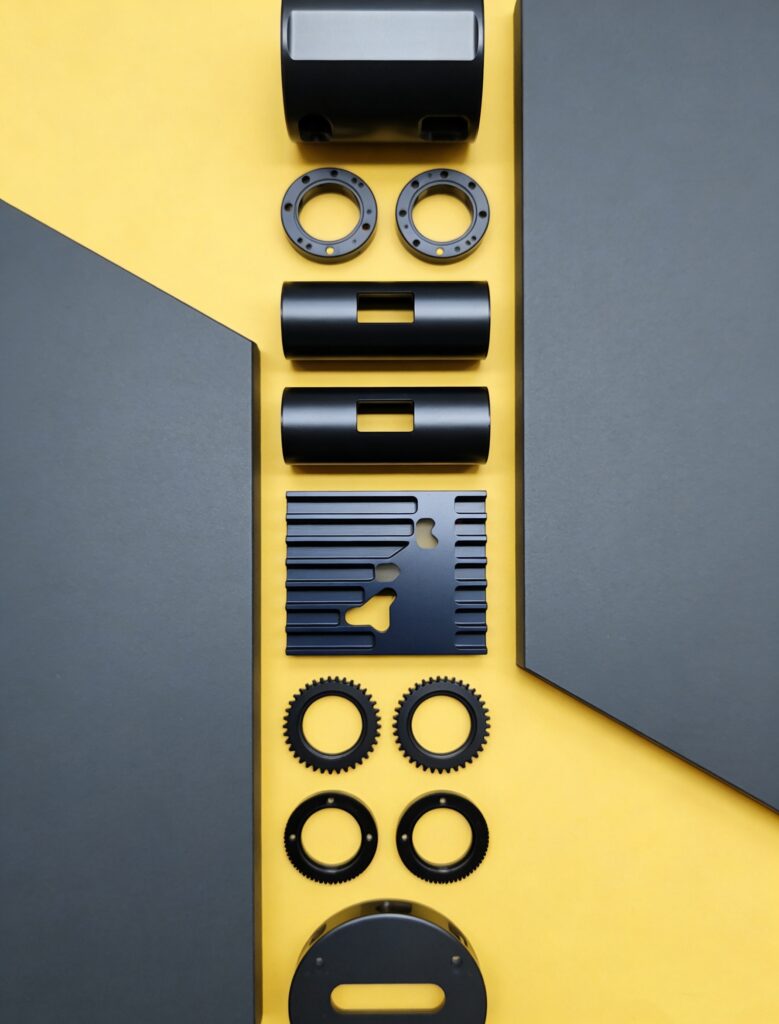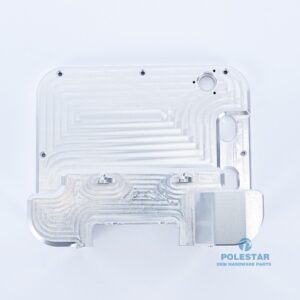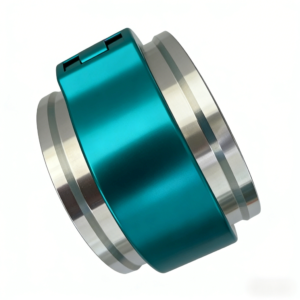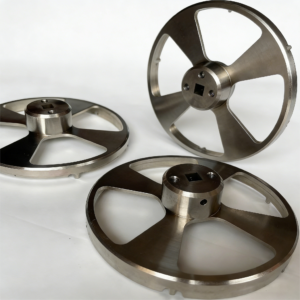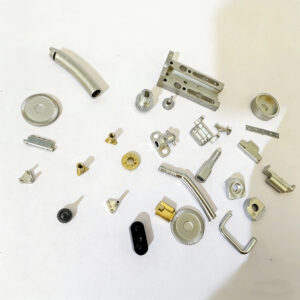
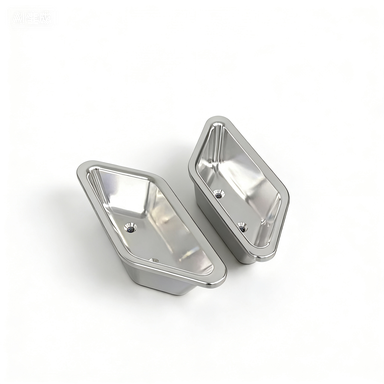
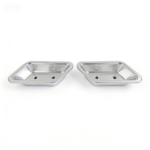
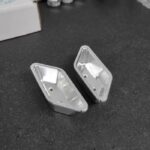
High Reliable Precision CNC Machined Billet Aluminum Parts 3 Axis 4 Axis 5 Axis Capabilities Complex Geometry Tight Tolerances
Request a Quote
Enter the quantity you need and add to your quote list for pricing inquiries.
Product Details
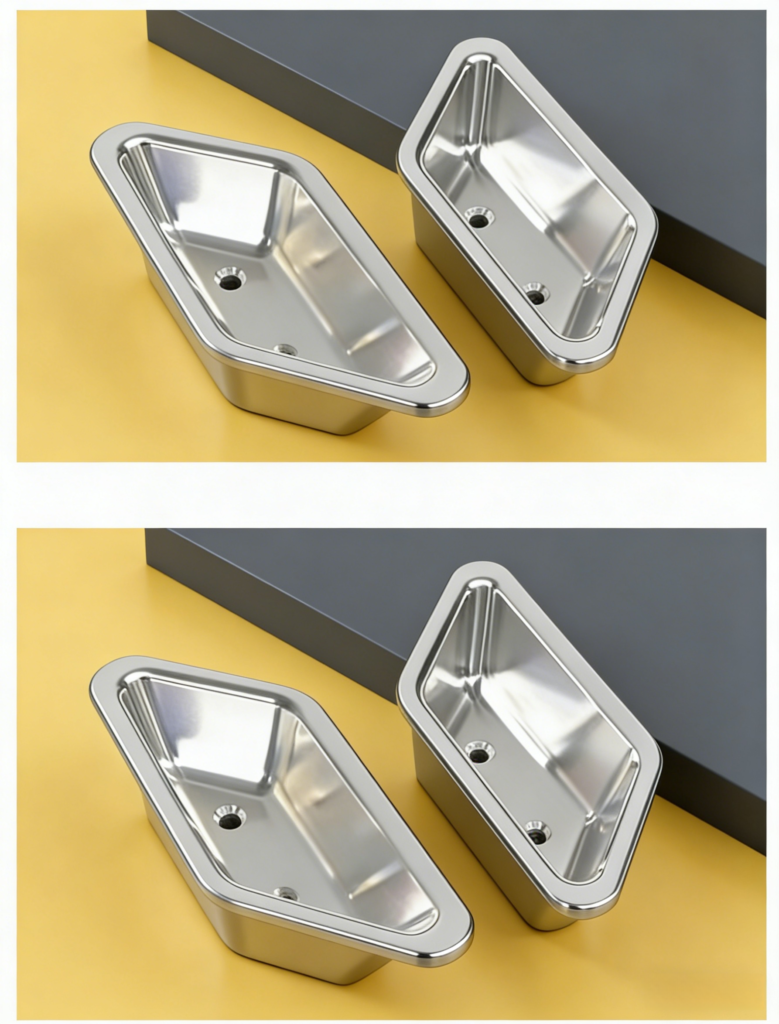
Precision CNC machined billet aluminum parts deliver exceptional strength, lightweight construction, and superior dimensional accuracy for demanding applications. Manufactured from high quality aluminum alloys such as 6061-T6 and 7075-T6 using advanced multi-axis machining technology. Unlike cast components, billet aluminum parts offer zero porosity, consistent material properties, and excellent surface finish. Ideal for automotive performance components, aerospace structures, industrial machinery, consumer electronics, and custom applications requiring high strength to weight ratio, tight tolerances, and reliable performance.
What Are Billet Aluminum Parts?
Billet aluminum parts are precision components machined from solid aluminum bar stock, plate, or block known as billet. Unlike cast parts that are formed by pouring molten metal into a mold, or forged parts that are shaped under pressure, billet parts are created through subtractive manufacturing processes such as CNC milling, turning, or multi-axis machining. Starting with a solid piece of aluminum, material is precisely removed to achieve the desired shape, dimensions, and surface finish.
The term “billet” refers to the raw material form—a solid block or bar of aluminum that has been extruded or rolled to achieve consistent internal structure and mechanical properties. This starting material is free from the porosity, inclusions, and voids that can occur in cast components, ensuring predictable performance and superior reliability.
Billet aluminum parts are manufactured from high quality aluminum alloys, most commonly 6061-T6 and 7075-T6, chosen for their excellent strength-to-weight ratios, machinability, and corrosion resistance.
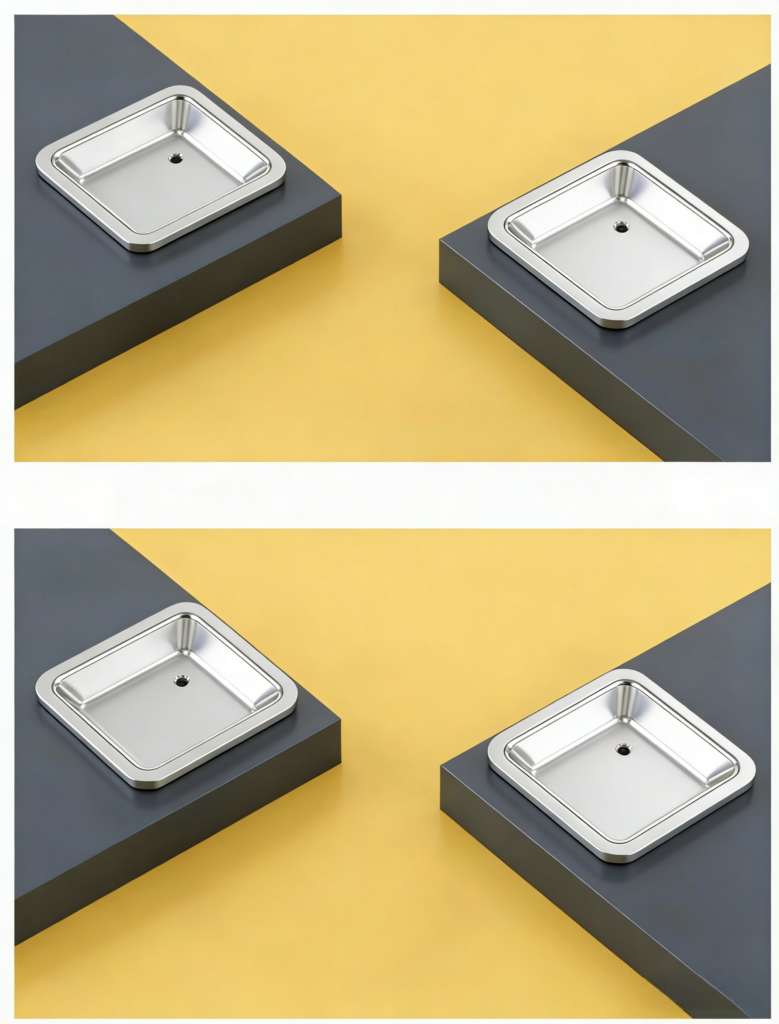
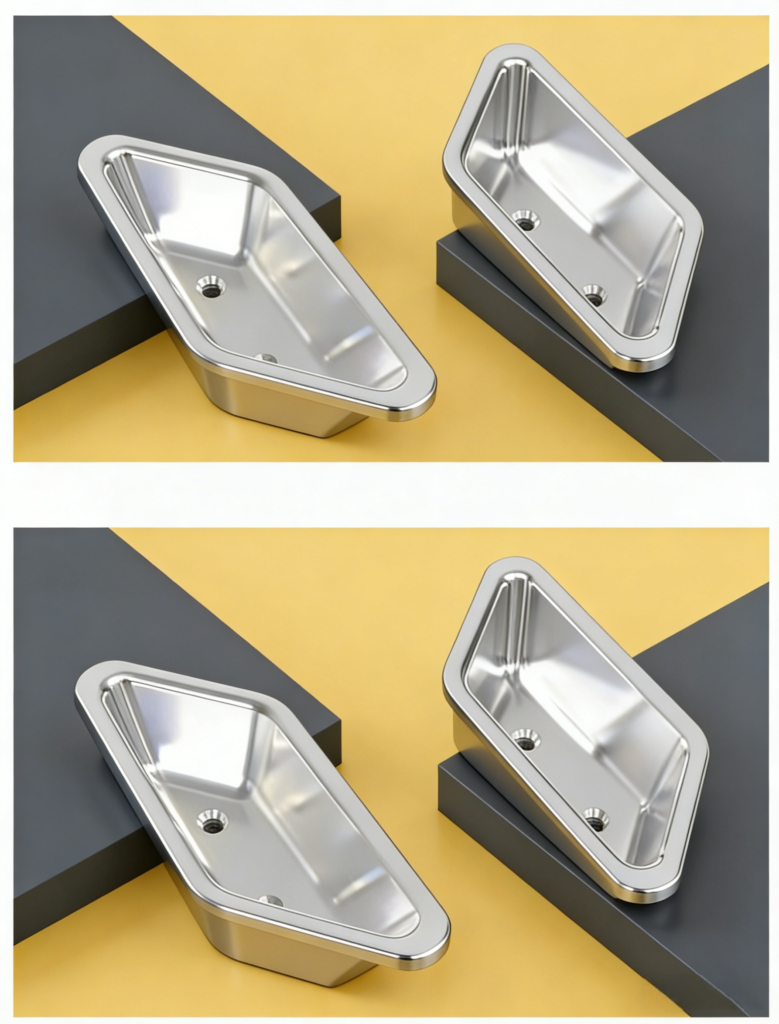
Common Aluminum Alloys for Billet Parts:
The selection of aluminum alloy significantly impacts the performance characteristics of billet parts:
6061-T6 Aluminum:
6061-T6 is the most widely used aluminum alloy for billet parts. It offers an excellent balance of strength, corrosion resistance, weldability, and machinability. With a tensile strength of approximately 310 MPa (45,000 psi), it is suitable for a wide range of applications including automotive components, industrial machinery, structural parts, and consumer products. 6061-T6 is known for its good surface finish after anodizing and its ability to be welded when required.
7075-T6 Aluminum:
7075-T6 is a high-strength aluminum alloy offering tensile strength up to 570 MPa (83,000 psi), comparable to many steels. It is the material of choice for aerospace and high-performance automotive applications where maximum strength and weight reduction are critical. While 7075-T6 offers superior strength, it has lower corrosion resistance than 6061 and is more difficult to weld. It machines well and responds very well to anodizing.
2024 Aluminum:
2024 aluminum offers high strength and excellent fatigue resistance, making it suitable for aerospace structures and high-stress applications. It has lower corrosion resistance than 6061 and typically requires cladding or coating for protection.
5052 Aluminum:
5052 offers excellent corrosion resistance, good formability, and moderate strength. It is commonly used in marine applications, fuel tanks, and sheet metal components.
7050 and 7068 Aluminum:
These high-strength alloys offer performance characteristics approaching those of 7075, with improved corrosion resistance and fracture toughness, making them suitable for demanding aerospace and defense applications.
Manufacturing Processes:
The production of billet aluminum parts involves advanced machining technologies:
CNC Milling: Computer numerically controlled (CNC) milling machines remove material from the billet using rotating cutting tools. 3-axis milling is suitable for simpler geometries, while 4-axis and 5-axis milling enable the creation of complex contours, undercuts, and compound angles in a single setup, reducing fixturing and improving accuracy.
CNC Turning: For cylindrical or round components, CNC lathes rotate the billet while cutting tools shape the exterior and interior features. Turned billet parts include shafts, bushings, fittings, and threaded components.
Multi-Axis Machining: Advanced machining centers with 5-axis capability allow simultaneous machining from multiple angles, enabling the production of highly complex geometries with tight tolerances and excellent surface finishes.
Swiss Machining: Swiss-style CNC lathes are used for small, complex billet parts requiring high precision and tight tolerances, commonly used in medical devices, electronics, and aerospace applications.
Key Advantages of Billet Aluminum Parts:
Billet aluminum parts offer numerous advantages over cast, forged, or fabricated alternatives:
Superior Material Integrity:
Billet material is free from porosity, inclusions, and voids that can compromise the strength and reliability of cast components. The consistent grain structure of wrought aluminum ensures predictable mechanical properties throughout the part.
Exceptional Dimensional Accuracy:
CNC machining achieves tolerances as tight as ±0.005 mm, ensuring precise fit and function. This accuracy eliminates the need for secondary finishing operations in many applications.
High Strength-to-Weight Ratio:
Aluminum alloys offer excellent strength while remaining approximately one-third the weight of steel. Billet aluminum parts provide maximum strength with minimal weight, which is critical for performance applications.
Zero Porosity:
Unlike cast parts that may contain internal voids, billet parts are solid throughout, ensuring pressure tightness and eliminating the risk of hidden defects.
Complex Geometries:
Multi-axis CNC machining enables the creation of intricate features including internal passages, complex contours, thin walls, and precise threads that would be difficult or impossible to achieve with casting.
Excellent Surface Finish:
Machined surfaces achieve roughness values as low as 0.4 microns, providing an excellent base for anodizing, painting, or other surface treatments.
Design Flexibility:
Design changes can be implemented quickly without modifying expensive tooling, making billet machining ideal for prototyping, custom parts, and low to medium volume production.
Consistent Quality:
CNC machining delivers exceptional part-to-part repeatability, ensuring consistent quality across production runs.
Key Applications Across Industries:
Billet aluminum parts are essential across a vast range of industries:
Automotive and Motorsports: Engine components such as intake manifolds, throttle bodies, cylinder heads, and valve covers. Suspension components including control arms, knuckles, and strut mounts. Brake calipers, master cylinders, and pedal assemblies. Transmission components, shift knobs, and custom interior accessories. Performance wheels and drivetrain components.
Aerospace and Defense: Aircraft structural components, wing spars, bulkheads, and fuselage fittings. Landing gear components, engine mounts, and hydraulic system components. UAV and drone frames, missile components, and avionics housings.
Industrial Machinery: Machine tool components, fixtures, and workholding devices. Robotic arms, end effectors, and automation components. Pump housings, valve bodies, and hydraulic manifold blocks.
Consumer Electronics: Smartphone and tablet enclosures, laptop chassis, camera bodies, and high-end audio equipment housings.
Medical Devices: Surgical instrument handles, implantable device components, diagnostic equipment housings, and laboratory instrument parts.
Firearms and Optics: Rifle receivers, scope mounts, handgun frames, and precision sight components.
Motorcycle and Powersports: Triple clamps, foot pegs, handlebar risers, and custom accessory components.
Surface Finishing Options Billet Aluminum Parts:
Billet aluminum parts can be enhanced with various surface treatments:
Anodizing: The most common finish for billet aluminum. Type II anodizing provides decorative color options with moderate wear resistance. Type III hard anodizing offers exceptional wear resistance and hardness, ideal for high wear applications. Anodizing enhances corrosion resistance and provides a durable, attractive finish.
Powder Coating: Provides a thick, durable finish with excellent corrosion protection and wide color options. Ideal for automotive and industrial components requiring maximum durability.
Chromate Conversion (Chemfilm): A thin chemical coating that provides corrosion protection while maintaining electrical conductivity. Common in aerospace and defense applications.
Polishing and Buffing: Creates a high gloss, reflective finish for decorative applications such as automotive trim and consumer products.
Brushing and Satin Finishing: Provides a uniform, non-reflective surface texture suitable for industrial and architectural applications.
Ceramic Coating: Provides thermal protection and enhanced wear resistance for high temperature applications.
Design Considerations for Billet Aluminum Parts:
Optimizing designs for billet machining improves manufacturability and cost effectiveness:
Consider Machining Access: Design features that can be accessed by standard cutting tools. Deep cavities and inaccessible features increase machining time and cost.
Maintain Uniform Wall Thickness: Consistent wall thickness reduces stress and minimizes distortion during machining.
Add Radii at Internal Corners: Sharp internal corners require specialized tools or EDM. Adding radii improves machinability and reduces stress concentration.
Avoid Deep, Narrow Slots: Deep narrow features require specialized tooling and increase cycle time.
Consider Fixturing: Design features that facilitate secure fixturing during machining operations.
Quality Control and Testing Billet Aluminum Parts:
Reputable manufacturers implement rigorous quality control:
Dimensional Inspection: Coordinate measuring machines (CMM) verify critical dimensions against engineering specifications.
Surface Finish Measurement: Profilometers ensure surface finish meets requirements.
Material Certification: Mill certificates verify material composition and mechanical properties.
First Article Inspection: Comprehensive inspection of the first production part validates the manufacturing process.
Cost Factors:
Understanding cost drivers helps optimize designs:
Material Cost: 7075 aluminum is more expensive than 6061. Material utilization (ratio of final part weight to raw billet weight) significantly impacts cost.
Machining Time: Complex geometries, tight tolerances, and fine surface finishes increase cycle time and cost.
Setup Time: Multiple setups for complex parts increase labor cost. Multi-axis machining reduces setups but requires more expensive equipment.
Quantity: Higher volumes reduce per-part setup and programming costs, making billet machining increasingly economical as volume increases.
Industry Trends and Innovations Billet Aluminum Parts:
Multi-Axis Machining: 5-axis machining enables more complex parts in fewer setups, reducing cost and improving accuracy.
High Speed Machining: Advanced tooling and machine controls enable faster material removal rates, reducing cycle times.
Automation: Robotic tending and pallet systems enable lights-out manufacturing, increasing productivity.
Additive Hybrid Manufacturing: Combining 3D printing with CNC machining enables complex geometries with the material integrity of billet.
Conclusion:
Billet aluminum parts represent the pinnacle of precision manufacturing, offering exceptional strength, dimensional accuracy, and reliability for demanding applications. Whether for high performance automotive components, aerospace structures, industrial machinery, or custom consumer products, billet aluminum delivers the material integrity and design flexibility that cast and forged alternatives cannot match. By understanding the material options, manufacturing processes, and design considerations outlined in this guide, engineers and procurement professionals can leverage the advantages of billet aluminum to achieve superior performance, quality, and value.