Ultimate Custom Bearing Housing Flange for Industrial Use – ±0 02mm Precision Heavy Duty & Reliable
Request a Quote
Enter the quantity you need and add to your quote list for pricing inquiries.
Product Details
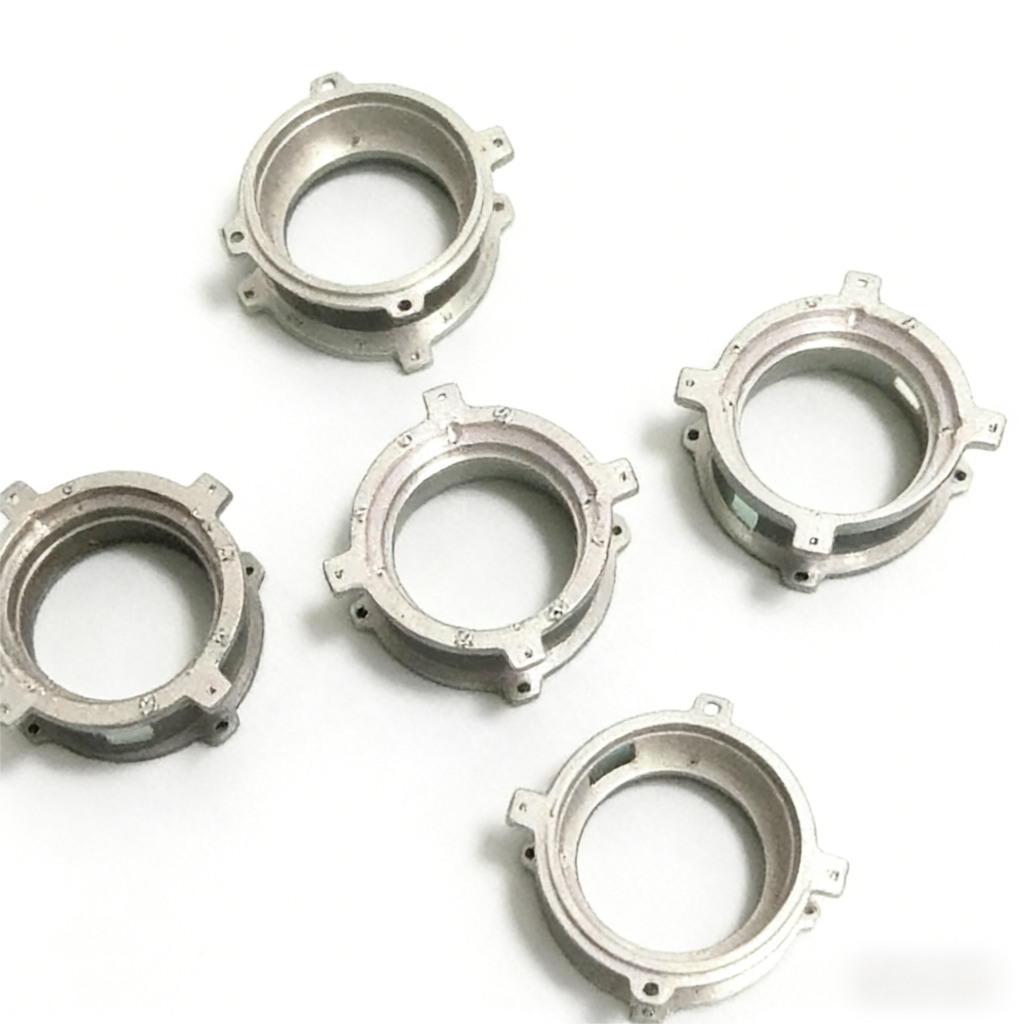
This customizable bearing housing flange offers 4 to 8 mounting bolts and 2 to 4 thickness options with tight tolerance control for precise shaft alignment. Available in 3 materials including cast iron stainless steel and aluminum. Choose from 5 surface finishes such as zinc plated powder coated and anodized. Supports 2 to 6 bolt hole patterns and 3 seal types for contamination protection. Consistent tolerance ensures reliable performance for industrial machinery conveyors and agricultural equipment.
What Is a Bearing Housing Flange?
A bearing housing flange is a precision-engineered component that encases and supports a bearing while providing a flanged mounting surface for attachment to machinery frames, bulkheads, or other structural elements. The flange portion features bolt holes that allow secure fastening, while the housing bore accurately locates the bearing outer race.
This component serves multiple critical functions. It maintains proper alignment between the bearing and shaft. It protects the bearing from contaminants such as dust, dirt, and moisture. It retains lubricant within the bearing cavity. It provides a rigid mounting interface that absorbs operational loads. It simplifies installation and replacement of bearings.
Available in various configurations including split or solid designs, with or without grease fittings, the bearing housing flange is fundamental to mechanical power transmission systems across virtually every industry.
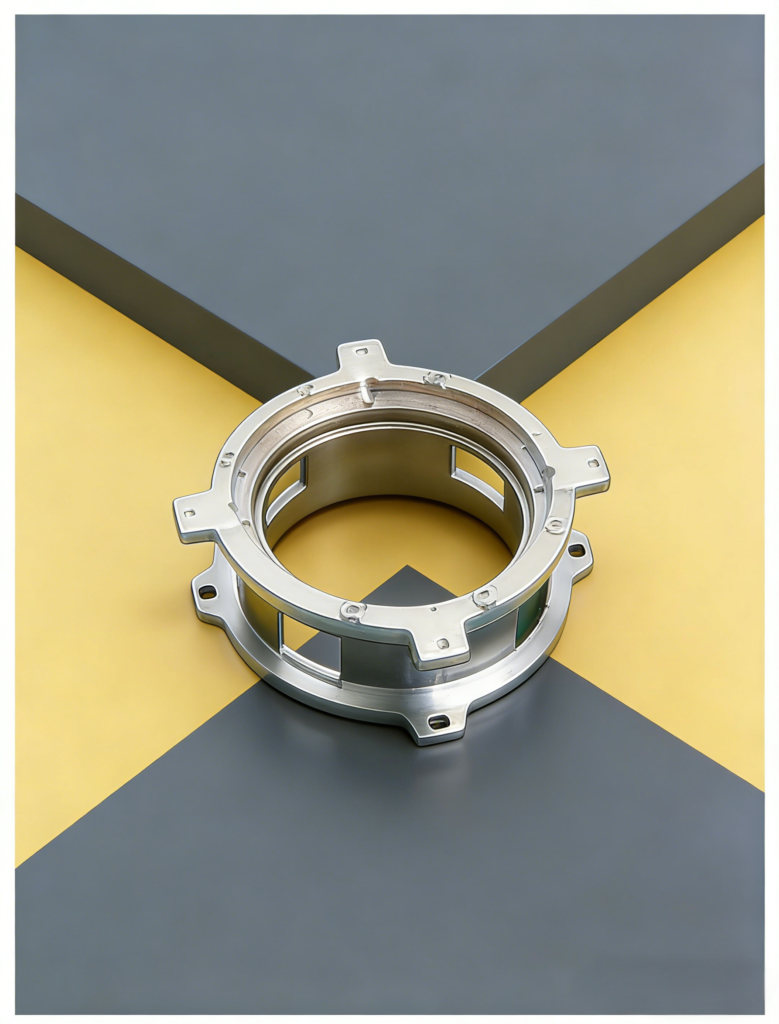
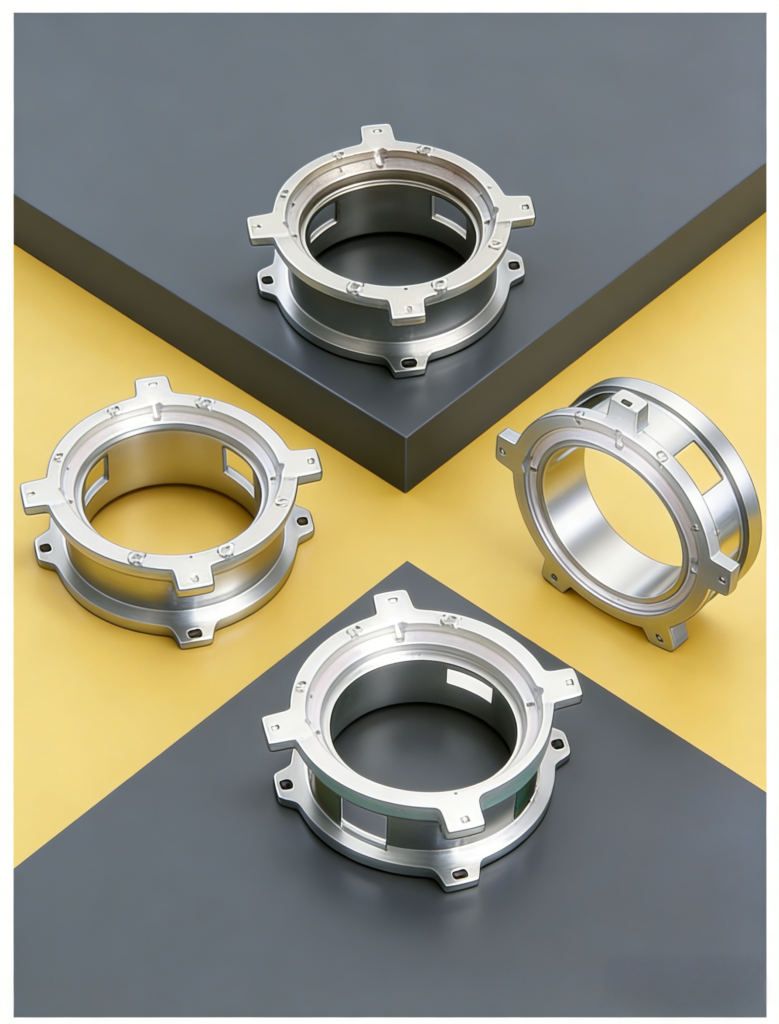
How a Bearing Housing Flange Works:
The operation of a bearing housing flange is based on precise geometric relationships between the housing bore, the bearing outer diameter, and the mounting flange. When properly installed, the housing bore holds the bearing outer race with an interference fit, preventing rotation of the bearing outer ring. The flange, secured with bolts to a supporting structure, transfers loads from the rotating shaft through the bearing and into the equipment frame.
Several critical functions are performed by this arrangement. Radial loads from the shaft are transmitted through the bearing to the housing bore. Axial thrust loads are managed through the housing shoulders or retaining rings. Misalignment is accommodated within specified limits depending on bearing type. Vibration is dampened by the housing mass and mounting rigidity. Thermal expansion is managed through proper material selection and fit tolerances.
For optimal performance, the bearing housing flange must be manufactured with precise bore dimensions, accurate bolt hole locations, and appropriate surface finishes to ensure proper bearing fit and seal effectiveness.
Types of Bearing Housing Flanges:
To optimize for SEO and help users find the right product, it is important to categorize the different types of bearing housing flanges available:
Pillow Block Flange Housing:
The most common configuration, featuring a base mounting surface with two or four bolt holes. Suitable for general purpose applications where the shaft is parallel to the mounting surface.
Flange Mount Bearing Housing:
Designed with a flat flange perpendicular to the shaft axis, available in round, square, or oval shapes. Ideal for through shaft applications or bulkhead mounting.
Take Up Bearing Housing Flange:
Adjustable design that allows tensioning of conveyor belts or chains. Features slots or threaded adjustment mechanisms.
Split Bearing Housing Flange:
Two piece design allowing installation without removing shaft ends. Essential for shaft locations where access is limited.
Flangette Bearing Housing:
Small, lightweight version for light duty applications such as fans and small conveyors.
Custom Bearing Housing Flange:
Engineered to exact specifications including unique dimensions, bolt patterns, materials, and tolerances. Custom versions can be manufactured with tight tolerances such as ±0.0005 inch on bore diameter.
Materials and Finishes:
The performance and longevity of a bearing housing flange are heavily influenced by material selection:
Cast Iron:
The most common material offering excellent vibration damping, good strength, and economical cost. Suitable for general industrial applications. Grades include gray iron and ductile iron.
Stainless Steel:
Grades 304 and 316 provide exceptional corrosion resistance and durability. Ideal for food processing, pharmaceutical, marine, and chemical environments.
Cast Steel:
Offers higher strength than cast iron for heavy duty applications. Suitable for mining, construction, and heavy industrial equipment.
Aluminum Alloy:
Lightweight and corrosion resistant. Perfect for applications where weight reduction is critical, such as aerospace and portable equipment.
Thermoplastic:
Corrosion proof and non-conductive. Suitable for light duty applications in chemical environments.
Surface Finishes:
Painting for corrosion protection, zinc plating for steel housings, electropolishing for stainless steel, and anodizing for aluminum.
Key Applications Across Industries:
The versatility of the bearing housing flange makes it indispensable across numerous sectors:
Material Handling:
Conveyor systems, bucket elevators, and screw conveyors rely on bearing housing flanges to support rotating shafts along long distances.
Industrial Fans and Blowers:
Large ventilation fans and industrial blowers use flanged housings to support the rotor shaft.
Agricultural Equipment:
Harvesters, tractors, and grain handling equipment operate in dusty environments requiring sealed bearing housings.
Mining and Aggregate:
Crushers, screens, and conveyors in mining applications demand heavy duty cast steel housings.
Food Processing:
Stainless steel bearing housing flanges with special seals prevent contamination in food production lines.
Pulp and Paper:
Large paper machines use numerous bearing housings operating in wet, hot environments.
Marine:
Corrosion resistant housings support propeller shafts and deck machinery on ships.
How to Select the Right Bearing Housing Flange:
Choosing the appropriate bearing housing flange requires careful consideration of several factors:
Bearing Size and Type:
The housing bore must match the exact bearing outer diameter. Common bearing series include 62xx, 63xx, and 22xx.
Load Requirements:
Calculate radial and axial loads. Cast iron suits moderate loads while cast steel or ductile iron handles higher loads.
Shaft Size:
Housing selection must be compatible with shaft diameter, typically through the bearing bore size.
Environmental Conditions:
Consider temperature extremes, moisture, dust, chemical exposure, and washdown requirements.
Mounting Configuration:
Determine whether pillow block, flange mount, or take up style best suits your equipment.
Sealing Requirements:
Choose appropriate seals including contact seals for dirty environments or labyrinth seals for high speed applications.
Lubrication Method:
Decide between grease lubrication with fittings or oil lubrication for higher speeds.
Customization Needs:
For unique applications, custom bearing housing flanges can be engineered with specific dimensions, tolerances, and features.
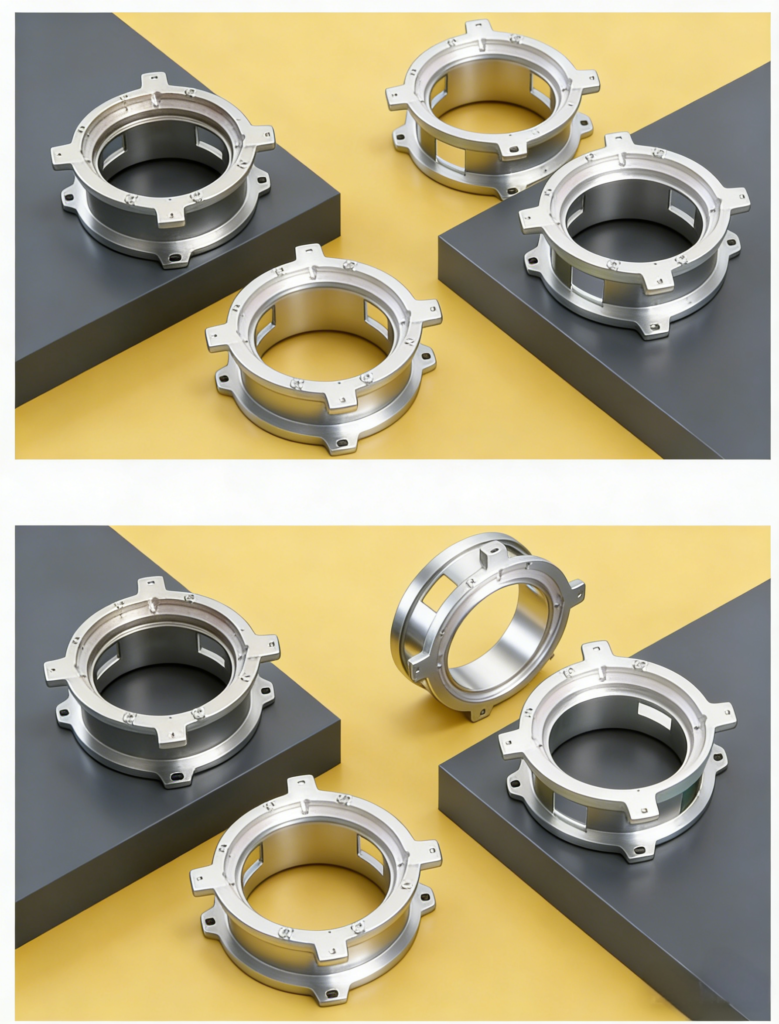
Customization Capabilities:
For applications requiring unique specifications, custom bearing housing flanges offer tailored solutions. Working with an experienced manufacturer enables development of housings that perfectly match your requirements. Customization options include:
Bore Dimensions: Specific diameters to match non standard bearings or shaft sleeves with tolerances such as ±0.0005 inch.
Bolt Hole Patterns: Custom hole sizes, spacing, and configurations for unique mounting surfaces.
Material Selection: Cast iron, stainless steel, cast steel, aluminum, or specialized alloys.
Special Features: Integrated grease fittings, temperature sensors, alignment dowels, or inspection ports.
Surface Treatments: Specialized coatings for corrosion resistance, chemical compatibility, or sanitary requirements.
Volume Production: From prototype quantities to high volume OEM manufacturing runs.
Installation Best Practices:
Proper installation ensures the bearing housing flange performs reliably throughout its service life:
Clean All Surfaces: Remove burrs, dirt, and old gasket material from mounting surfaces and housing bore.
Verify Alignment: Use dial indicators or laser alignment tools to ensure proper shaft to housing alignment.
Use Proper Fasteners: Select grade appropriate bolts and torque to manufacturer specifications.
Lubricate Correctly: Apply recommended grease or oil before operation. Do not over grease.
Check Shaft Fit: Ensure shaft rotates freely without binding after installation.
Install Seals Properly: Position seals correctly to prevent contamination ingress.
Maintenance and Troubleshooting:
Regular maintenance extends bearing housing flange life:
Monitor Operating Temperature: Excessive heat indicates lubrication issues or misalignment.
Listen for Unusual Noise: Grinding or rumbling suggests bearing wear requiring housing disassembly.
Check for Leakage: Oil or grease leaking past seals indicates seal wear or housing damage.
Inspect for Cracks: Regular visual inspection of housing for cracks or damage, especially in high vibration applications.
Retorque Bolts: Periodically check mounting bolt torque, particularly after initial run in.
Common Failure Modes:
Understanding potential failure points helps with preventive maintenance:
Bore Wear: Bearing outer race spins in housing due to insufficient interference fit.
Flange Cracking: Excessive bolt torque or shock loads crack mounting flange.
Corrosion: Harsh environments attack unprotected housings, especially cast iron.
Misalignment Damage: Poor installation causes uneven loading and premature failure.
Future Trends:
The bearing housing flange continues to evolve with technology advances:
Smart Housings: Integrated sensors monitor vibration, temperature, and bearing condition for predictive maintenance.
Advanced Materials: New alloys and composites offer improved strength to weight ratios and corrosion resistance.
Additive Manufacturing: 3D printed housings enable complex internal geometries and rapid prototyping.
Improved Sealing: Advanced seal designs extend service life in contaminated environments.
Conclusion:
The bearing housing flange may appear to be a simple component, but its role in rotating machinery is profound. By providing secure mounting, precise alignment, and contamination protection, this essential part enables reliable operation across countless industrial applications.:
By understanding the types, materials, and selection criteria outlined in this guide, you can confidently choose the right bearing housing flange for your application—whether a standard off-the-shelf product or a custom engineered design with tight tolerances.