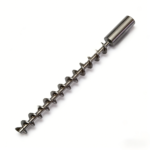
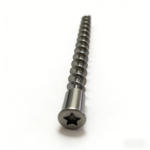
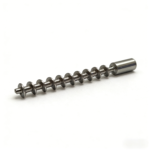
Reliable Custom Auger Screw ±001 Inch Tolerance High Precision Stainless Steel Auger for Industrial Material Handling
Request a Quote
Enter the quantity you need and add to your quote list for pricing inquiries.
Product Details
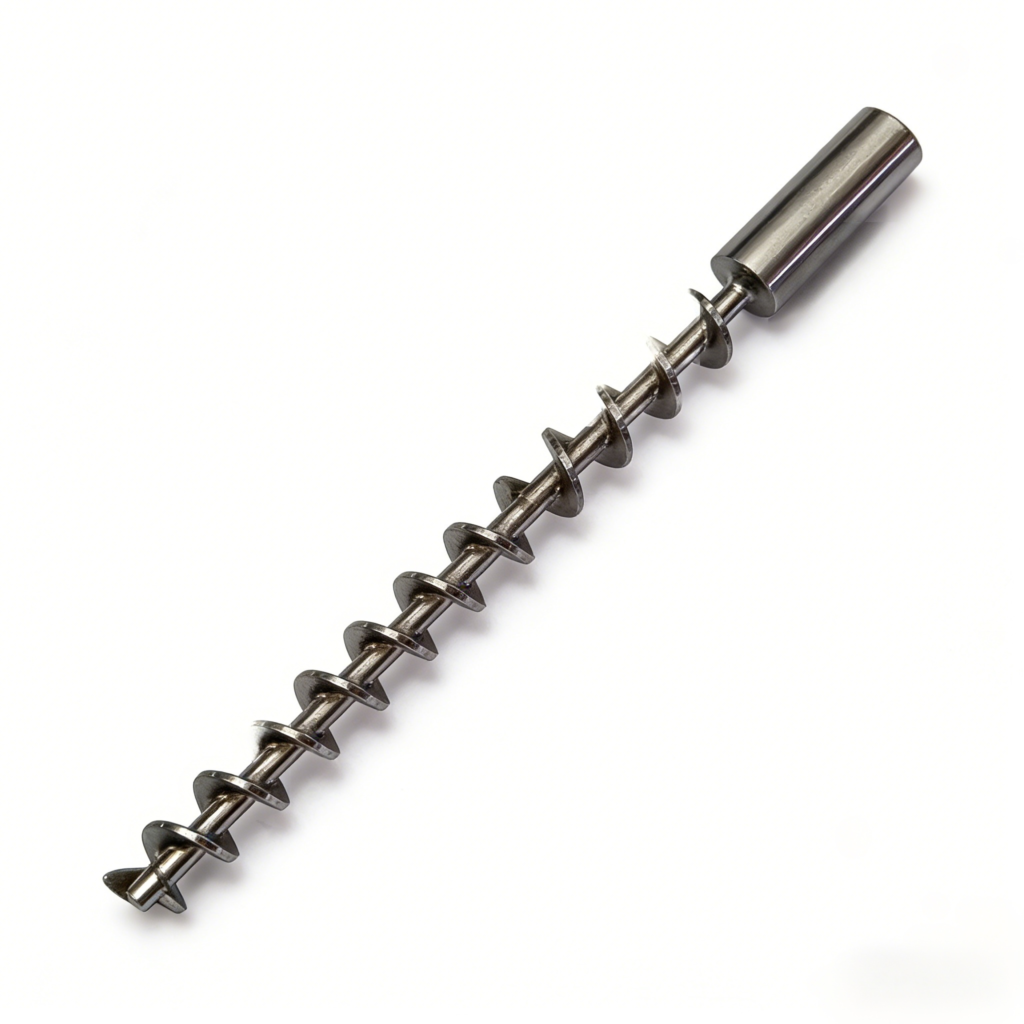
The auger screw is a helical rotating device for moving bulk materials like grain, powder, cement, and plastic pellets. It features spiral flights around a central shaft and operates inside a trough or tube. Available in carbon steel, stainless steel, and abrasion resistant materials. Configurations include standard, ribbon flight, shaftless, tapered, and variable pitch. Custom auger screws can be engineered with tight tolerances to meet specific requirements.
What Is an Auger Screw?
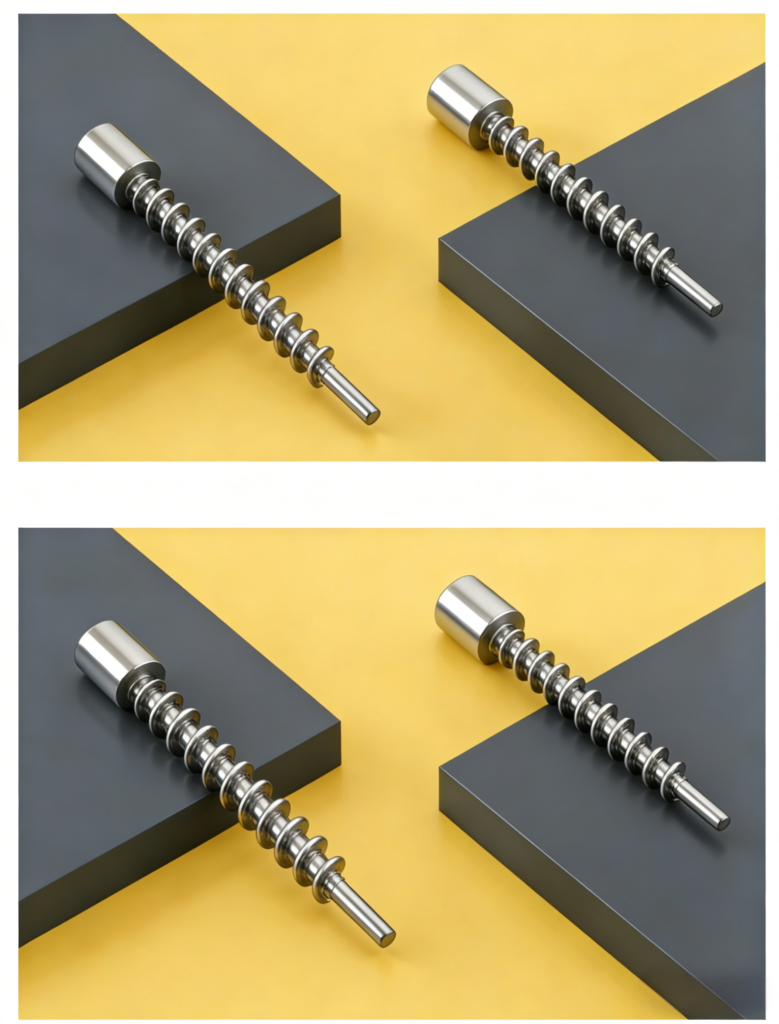
An auger screw, also known as a screw conveyor or helical screw, is a mechanical device consisting of a helical flighting wrapped around a central shaft. When rotated, the auger screw moves bulk materials along its length through a enclosed trough or tube. The basic principle is simple: the rotating helical flighting pushes material forward, similar to how a threaded bolt advances when turned.
They are distinguished by several key parameters: screw diameter, flight pitch, shaft diameter, overall length, and material of construction. These parameters are carefully selected based on the specific material being handled and the required conveying rate.
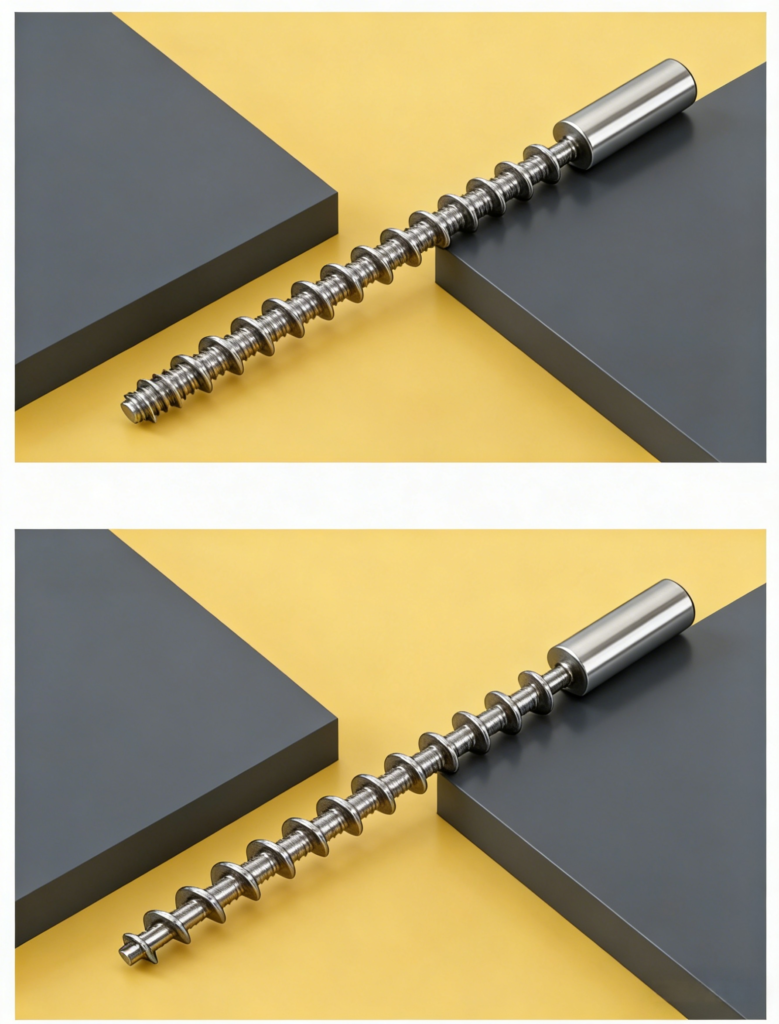
How an Auger Screw Works:
The operation of it relies on the interaction between the rotating helical flighting and the material being conveyed. As the screw rotates, each flight pushes material forward by one pitch distance per revolution. The material does not rotate with the screw; instead, friction between the material and the trough or tube wall prevents rotation, causing the material to slide along the screw axis.
Key factors affecting auger screw performance include rotational speed, fill rate, material characteristics, and trough design. Understanding these factors enables engineers to optimize auger screw designs for specific applications.
Types of Auger Screws:
To optimize for SEO and help users find the right product, it is important to categorize the different types of auger screws available in the market:
Standard Sectional Flight:
This most common type features individual flight sections welded to the center shaft. It offers good strength and is suitable for most general-purpose conveying applications.
Ribbon Flight:
Designed with continuous helical ribbons attached to the shaft by supports, ribbon flight screws excel at handling sticky or cohesive materials that tend to build up on standard flights.
Shaftless:
Without a center shaft, shaftless auger screws are ideal for conveying fibrous, sticky, or highly viscous materials that would wrap around or build up on a central shaft.
Tapered:
Featuring progressively increasing flight diameter, tapered auger screws are used in applications requiring gradual compression or dewatering, such as in screw presses.
Variable Pitch:
With flights spaced at progressively changing distances, variable pitch screws provide controlled compression or expansion of materials along the conveying length.
Heavy Duty:
Constructed from thicker materials with reinforced flights and shafts, heavy-duty auger screws handle abrasive, high-density, or high-temperature materials.
Custom:
For specialized applications, custom auger screws can be engineered to exact specifications, including unique diameters, pitches, materials, and coatings.
Materials and Finishes:
The performance and longevity of it are heavily influenced by material selection. Different materials offer distinct advantages for specific applications:
Carbon Steel:
The most economical option for general-purpose applications handling non-corrosive, non-abrasive materials. Carbon steel auger screws are suitable for grain, wood pellets, dry chemicals, and many agricultural products. However, they require protective coatings when exposed to moisture to prevent rust.
Stainless Steel:
Grades 304 and 316 provide excellent corrosion resistance and sanitary properties, making them ideal for food processing, pharmaceutical, and chemical applications. Stainless steel auger screws are easy to clean and maintain, meeting strict hygiene standards. Grade 316 offers enhanced corrosion resistance for marine and high-chlorine environments.
Abrasion Resistant Steel:
Hardened steel alloys offer superior wear resistance for handling abrasive materials such as cement, sand, aggregates, and mineral ores. These materials significantly extend service life in demanding environments.
Coated Auger Screws:
Hard chrome plating, epoxy coatings, tungsten carbide overlays, or ceramic coatings extend service life in demanding environments by reducing wear and preventing material adhesion. Coating selection depends on the specific material being handled and the operating environment.
Stainless Steel with Electropolishing:
For the most demanding sanitary applications, electropolished stainless steel auger screws provide ultra-smooth surfaces that resist bacterial growth and are easy to clean.
Key Applications Across Industries:
The versatility of the auger screw makes it indispensable across numerous sectors:
Agriculture:
Auger screws move grain from storage bins to trucks, transfer feed in livestock operations, and handle seeds and fertilizers in processing facilities.
Food Processing:
In food manufacturing, auger screws convey flour, sugar, spices, and other dry ingredients. Stainless steel construction meets sanitary requirements.
Construction and Mining:
Heavy-duty auger screws handle cement, sand, gravel, and crushed stone in concrete batching plants and aggregate processing facilities.
Plastics and Rubber:
They feed plastic pellets to injection molding machines and extruders, with specialized designs for melting and mixing.
Chemical and Pharmaceutical:
Auger screws meter precise quantities of powders and granules in batch processing and continuous manufacturing systems.
Wastewater Treatment:
Shaftless auger screws transport dewatered sludge and screenings in treatment plants.
Wood Processing:
Auger screws move wood chips, sawdust, and biomass fuel in panel board production and energy generation facilities.
How to Select the Right Auger Screw:
Choosing the appropriate one for your application requires careful consideration of several factors:
Material Characteristics:
Consider particle size, bulk density, flowability, abrasiveness, corrosiveness, temperature, and moisture content. Each characteristic influences screw design requirements.
Conveying Capacity:
Determine the required throughput in cubic feet per hour or tons per hour. Capacity is a function of screw diameter, rotational speed, and fill rate.
Conveying Distance and Incline:
Horizontal, inclined, or vertical conveying affects screw design and power requirements. Steeper inclines reduce conveying efficiency.
Duty Cycle:
Continuous operation demands more robust designs than intermittent use. Consider expected service life and maintenance intervals.
Sanitary Requirements:
Food and pharmaceutical applications require stainless steel construction with polished finishes and easy cleaning features.
Environmental Conditions:
Outdoor installation, washdown requirements, and exposure to chemicals influence material and coating selection.
Installation Best Practices:
Proper installation ensures it performs reliably throughout its service life:
Ensure Proper Alignment:
It must be perfectly aligned within the trough or tube to prevent flight contact with housing, which causes wear and power draw issues.
Support Bearings Correctly:
Properly sized and aligned hanger bearings prevent shaft deflection and excessive wear on long auger screws.
Provide Adequate Inlet and Outlet:
Inlet openings should allow material to enter freely without bridging. Outlet openings must accommodate full conveying rate without backup.
Install Safety Guards:
All rotating components require guarding to protect personnel from entanglement hazards.
Maintenance and Troubleshooting:
Regular maintenance extends it life and prevents unexpected downtime:
Monitor Power Draw:
Increased power consumption often indicates flight wear, material buildup, or bearing issues.
Inspect Flights for Wear:
Check flight thickness regularly. Worn flights reduce conveying efficiency and may allow material to slip back.
Check Bearing Condition:
Listen for unusual noises and check bearing temperatures. Failed bearings can cause shaft damage.
Clean Regularly:
Material buildup on flights reduces capacity and may cause blockages. Regular cleaning prevents accumulation.
Future Trends:
It continues to evolve with advances in manufacturing and materials:
Wear Resistant Coatings:
Advanced hard facing and ceramic coatings dramatically extend service life with abrasive materials.
Lightweight Composites:
Polymer and composite auger screws offer corrosion resistance and weight reduction for specific applications.
Smart Auger Screws:
Integrated sensors monitor wear, temperature, and vibration for predictive maintenance.
Additive Manufacturing:
3D-printed auger screws enable complex geometries optimized for specific materials.
Conclusion:
The auger screw may appear simple, but its role in material handling is profound. From agriculture to aerospace, from food to pharmaceuticals, this essential component moves the materials that power modern industry.
By understanding the types, materials, and selection criteria outlined in this guide, you can confidently choose the right auger screw for your application—ensuring efficient operation, long service life, and reliable performance.