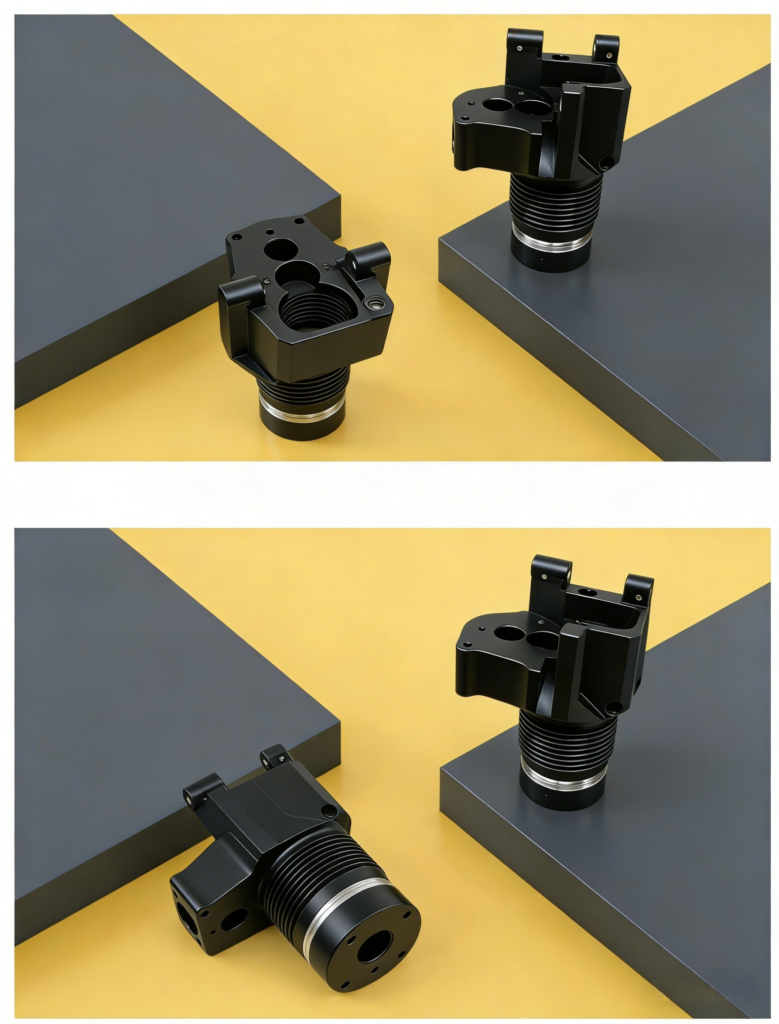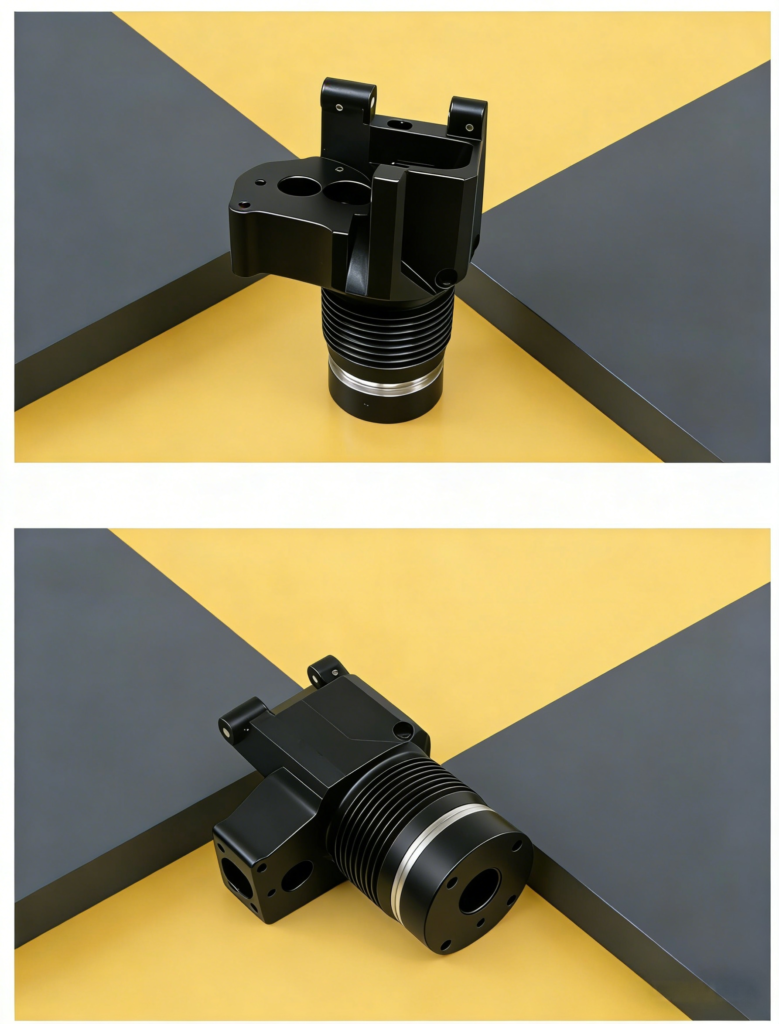
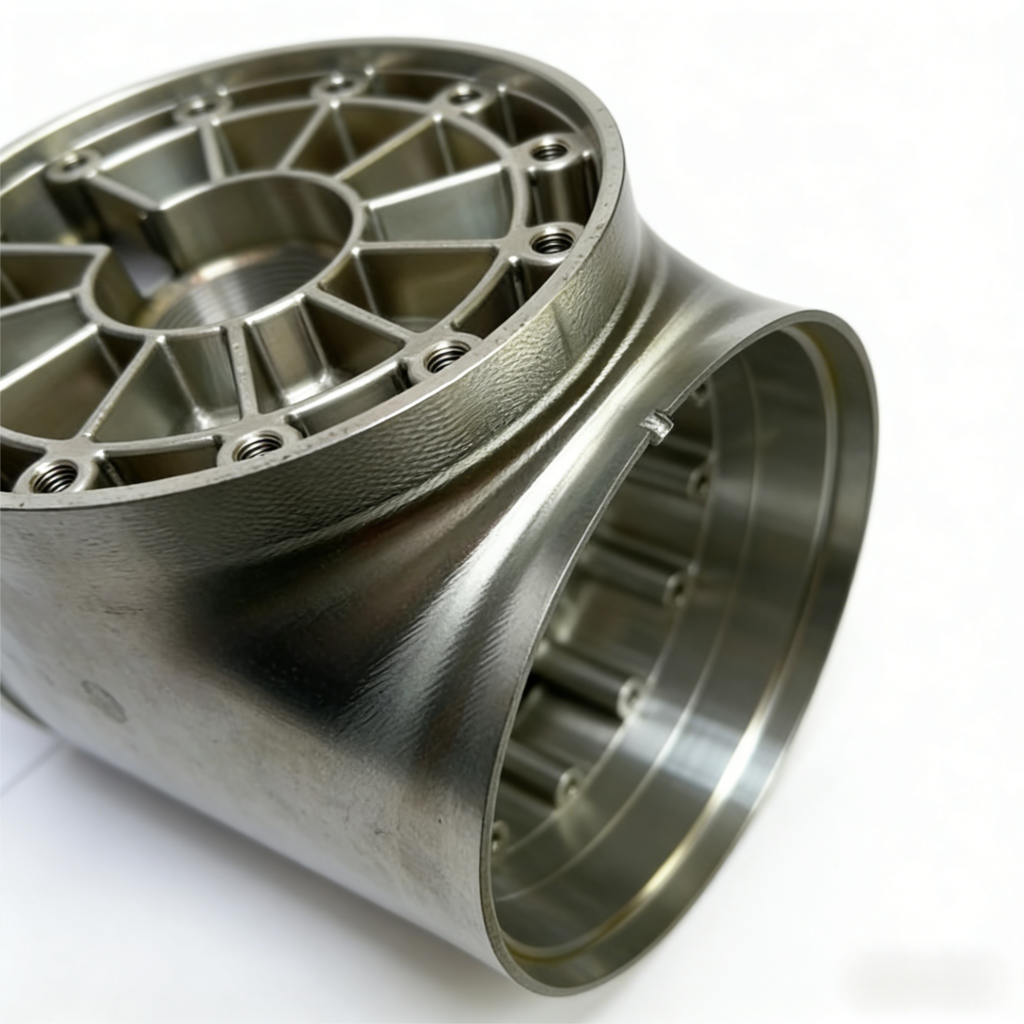
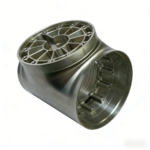
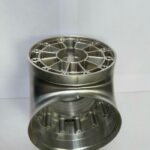
Corrosion-Resistant Custom Aluminum Thermostat Housing – Precision Cast to 0.03mm Tolerance for Lifetime Reliability
Request a Quote
Enter the quantity you need and add to your quote list for pricing inquiries.
Product Details
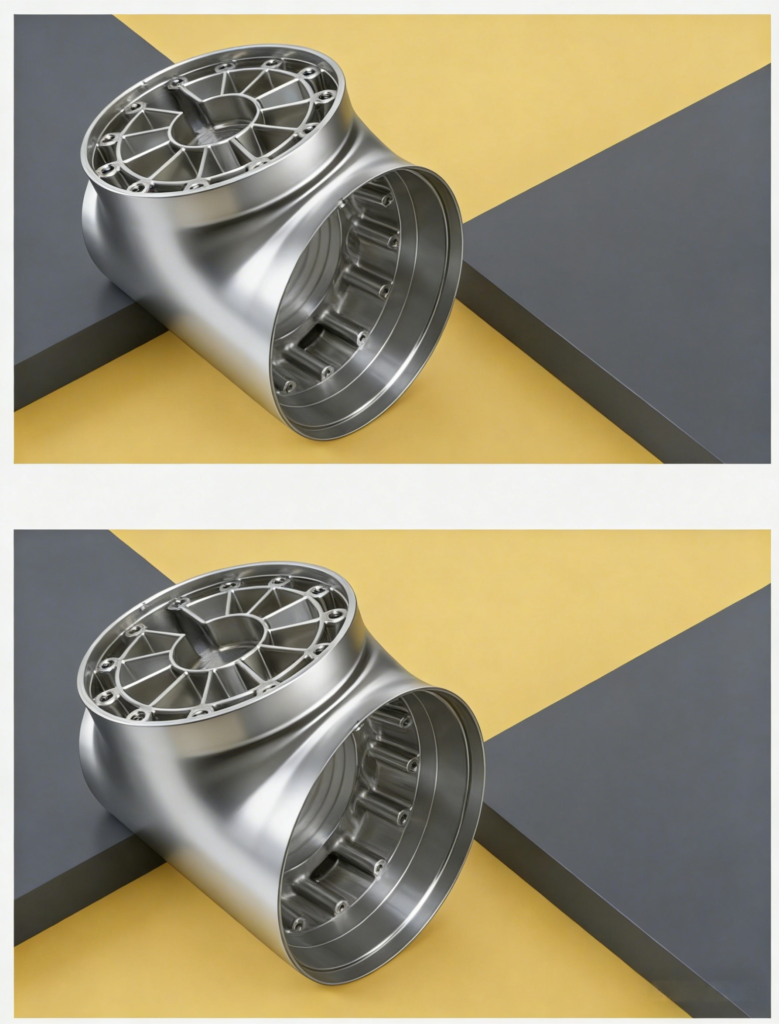
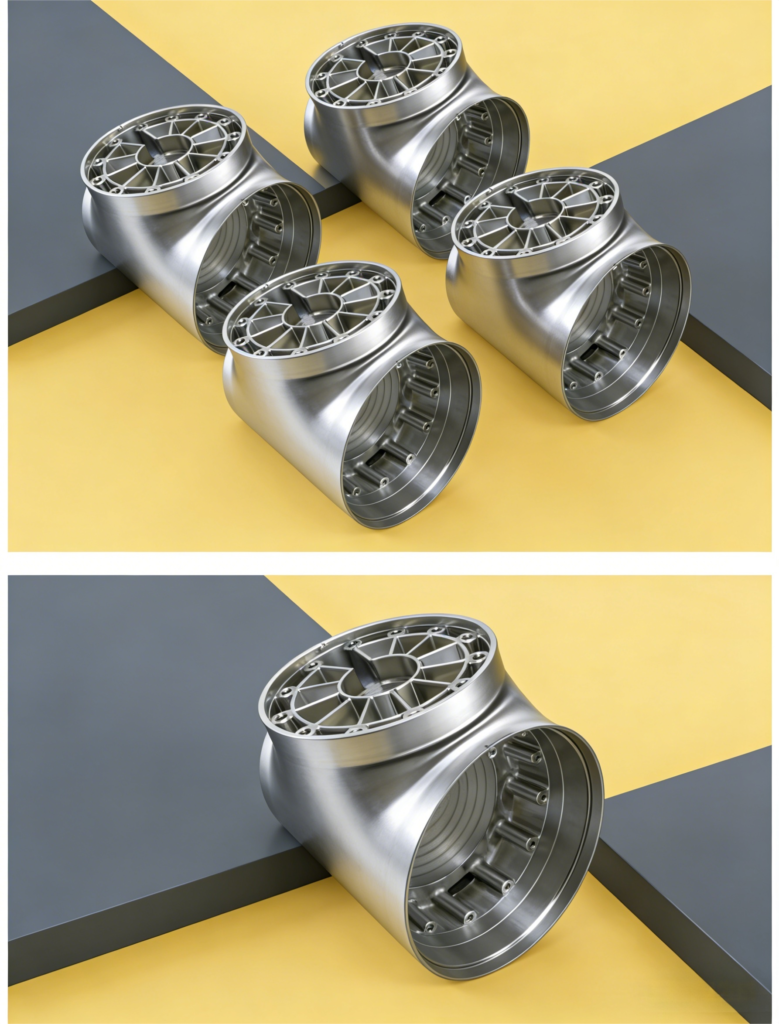
This custom-grade aluminum thermostat housing is precision machined to a 0.02mm tolerance ensuring a perfect seal and leak-free performance even under extreme thermal cycling. Made from high-strength corrosion-resistant aluminum it offers excellent heat dissipation and long-term durability across temperatures ranging from sub-zero cold starts to full engine load. The housing is fully customizable to match your specific coolant port orientation sensor thread sizes and mounting configuration. Whether for performance racing marine engines or heavy-duty industrial applications this housing delivers consistent cooling system pressure and reliable thermostat operation.
What Is an Aluminum Thermostat Housing?
An aluminum thermostat housing is a precision-engineered component that houses the thermostat—a temperature-sensitive valve that regulates coolant flow between the engine and radiator. When the engine is cold, the thermostat remains closed, allowing the engine to warm up quickly. Once optimal temperature is reached, the thermostat opens, permitting coolant to flow through the radiator for heat dissipation.
The housing itself provides a secure, leak-proof enclosure for the thermostat while creating the necessary flow passages for coolant. Typically manufactured as a two-piece assembly with a gasket or O-ring seal, the aluminum thermostat housing bolts directly to the engine block or cylinder head, with hoses connecting to the radiator and coolant system.
Compared to traditional plastic or cast iron alternatives, the aluminum version offers superior heat transfer, reduced weight, and excellent corrosion resistance, making it the preferred choice for modern engines and high-performance applications.

How an Aluminum Thermostat Housing Works:
The operation of an aluminum thermostat housing is intrinsically linked to the thermostat it contains. As coolant temperature rises, a wax element inside the thermostat expands, gradually opening the valve. The housing directs coolant flow through the open thermostat to the radiator, where heat is dissipated before returning to the engine.
Several critical functions are performed by this component. It maintains proper alignment of the thermostat within the coolant circuit. It provides a leak-proof seal between the engine and cooling system. It withstands significant pressure, typically 15 to 30 PSI in automotive applications. It resists corrosion from coolant additives and electrolysis. It dissipates heat efficiently due to aluminum excellent thermal conductivity.
For optimal performance, the aluminum thermostat housing must be manufactured with precise gasket surfaces, accurate bolt hole locations, and smooth internal passages to minimize flow restriction.
Why Choose Aluminum Over Other Materials:
The superiority of the aluminum thermostat housing becomes evident when compared to alternative materials:
Aluminum vs Plastic:
Plastic housings are lighter and cheaper but become brittle with age and heat cycling. Cracking and warping are common failure modes. Aluminum housings offer vastly superior durability, heat resistance, and longevity.
Aluminum vs Cast Iron:
Cast iron housings are strong but heavy and prone to rust. Aluminum provides comparable strength at roughly one third the weight, plus inherent corrosion resistance without the need for protective coatings.
Aluminum vs Steel:
Steel housings require extensive rust protection and offer poorer heat transfer. Aluminum natural thermal conductivity helps dissipate heat more effectively.
Key advantages of the aluminum thermostat housing include exceptional durability lasting the life of the engine, weight reduction for improved fuel economy and handling, corrosion resistance eliminating rust concerns, superior heat transfer for more stable temperature control, and recyclability supporting environmental sustainability.
Manufacturing Processes:
Quality aluminum thermostat housing units are manufactured using several precision processes:
Die Casting:
Molten aluminum is injected into a steel mold under high pressure. This process produces complex shapes with excellent dimensional accuracy and smooth surface finishes. High pressure die casting is ideal for high volume production.
Sand Casting:
Aluminum is poured into sand molds, suitable for lower volumes or larger housings. This method offers greater design flexibility for custom applications.
CNC Machining:
Cast housings undergo precision machining of gasket surfaces, bolt holes, and hose connections. Tight tolerances of ±0.001 inch ensure proper sealing and fitment.
Pressure Testing:
Every housing should be pressure tested to verify leak-free integrity before installation.
Key Applications Across Industries:
The versatility of the aluminum thermostat housing makes it essential across numerous sectors:
Automotive:
Passenger cars, trucks, and SUVs use these housings in virtually every internal combustion engine. Aftermarket aluminum replacements are popular for older vehicles with failed plastic or cast iron original equipment.
High Performance and Racing:
Performance engines demand the reliability and heat dissipation of aluminum housings. Race teams prefer aluminum for weight reduction and durability under extreme conditions.
Marine:
Boat engines operate in corrosive saltwater environments. Aluminum corrosion resistance is essential for longevity in marine applications.
Heavy Duty Trucking:
Diesel engines in commercial trucks generate substantial heat. Rugged aluminum housings withstand the thermal demands of long haul operation.
Industrial Equipment:
Generators, compressors, pumps, and construction machinery rely on aluminum housings for cooling system integrity.
HVAC Systems:
Heating and cooling equipment uses thermostat housings for temperature regulation in hydronic systems.
How to Select the Right Aluminum Thermostat Housing:
Choosing the appropriate aluminum thermostat housing requires careful consideration of several factors:
Vehicle or Equipment Compatibility:
Verify the housing matches your specific engine make, model, and year. Thermostat housing designs vary significantly between engines.
Thermostat Size:
Ensure the housing accommodates the correct thermostat diameter, typically 52mm, 54mm, or 56mm for automotive applications.
Inlet and Outlet Configuration:
Confirm hose connection sizes and orientations match your existing cooling system.
Gasket or Seal Type:
Determine whether the housing uses a paper gasket, rubber O-ring, or integrated seal. Some aftermarket aluminum housings include reusable silicone gaskets.
Quality Certification:
Look for products meeting ISO 9001 or IATF 16949 quality standards, ensuring consistent manufacturing quality.
Brand Reputation:
Choose established manufacturers with positive customer feedback and warranty support.
Installation Best Practices:
Proper installation ensures the aluminum thermostat housing performs reliably:
Clean Surfaces Thoroughly: Remove all old gasket material from both the engine and housing mounting surfaces. Any residue can cause leaks.
Use New Gasket or Seal: Always install a fresh gasket or O-ring. Reusing old seals invites leaks.
Apply Appropriate Sealant: Some applications require a thin film of RTV silicone at specific locations. Follow manufacturer recommendations.
Torque Fasteners Correctly: Over-tightening can crack the housing or distort the sealing surface. Under-tightening allows leaks. Use a torque wrench and follow specifications, typically 8 to 15 foot pounds for small bolts.
Install Thermostat Properly: Ensure the thermostat is oriented correctly, usually with the spring facing the engine. Incorrect installation prevents proper operation.
Refill and Bleed Cooling System: After installation, refill with proper coolant mixture and bleed air from the system to prevent hot spots.
Maintenance and Troubleshooting:
Regular attention to the aluminum thermostat housing prevents cooling system failures:
Inspect for Leaks: Check around the housing gasket for coolant seepage. Even minor leaks worsen over time.
Verify Operating Temperature: Monitor engine temperature gauge. Erratic temperatures may indicate thermostat or housing issues.
Check for Corrosion: Although aluminum resists rust, galvanic corrosion can occur when dissimilar metals contact. Inspect mating surfaces.
Replace Gasket When Servicing: Whenever the housing is removed, install a new gasket regardless of apparent condition.
Common Failure Modes:
Understanding potential failure points helps with preventive maintenance:
Gasket Failure: The most common issue, causing external coolant leaks. Regular gasket replacement prevents problems.
Cracked Housing: Typically caused by over-tightening bolts or extreme freeze damage if coolant freezes.
Warped Mounting Surface: Excessive heat or improper installation can distort the sealing surface, requiring machining or replacement.
Future Trends:
The aluminum thermostat housing continues to evolve with technology advances:
Integrated Sensors: Smart housings with embedded temperature senders provide more accurate data to engine control units.
Lightweight Alloys: New aluminum alloys offer even greater strength to weight ratios.
Additive Manufacturing: 3D printed housings enable complex internal geometries for optimized coolant flow.
Conclusion:
The aluminum thermostat housing may appear to be a simple component, but its role in engine cooling and thermal management is profound. By providing durable, leak-free, corrosion-resistant enclosure for the thermostat, this essential part ensures engines operate at optimal temperatures for performance, efficiency, and longevity.
By understanding the design principles, material advantages, and selection criteria outlined in this guide, you can confidently choose the right aluminum thermostat housing for your application—whether a standard replacement part or a custom engineered solution for specialized requirements