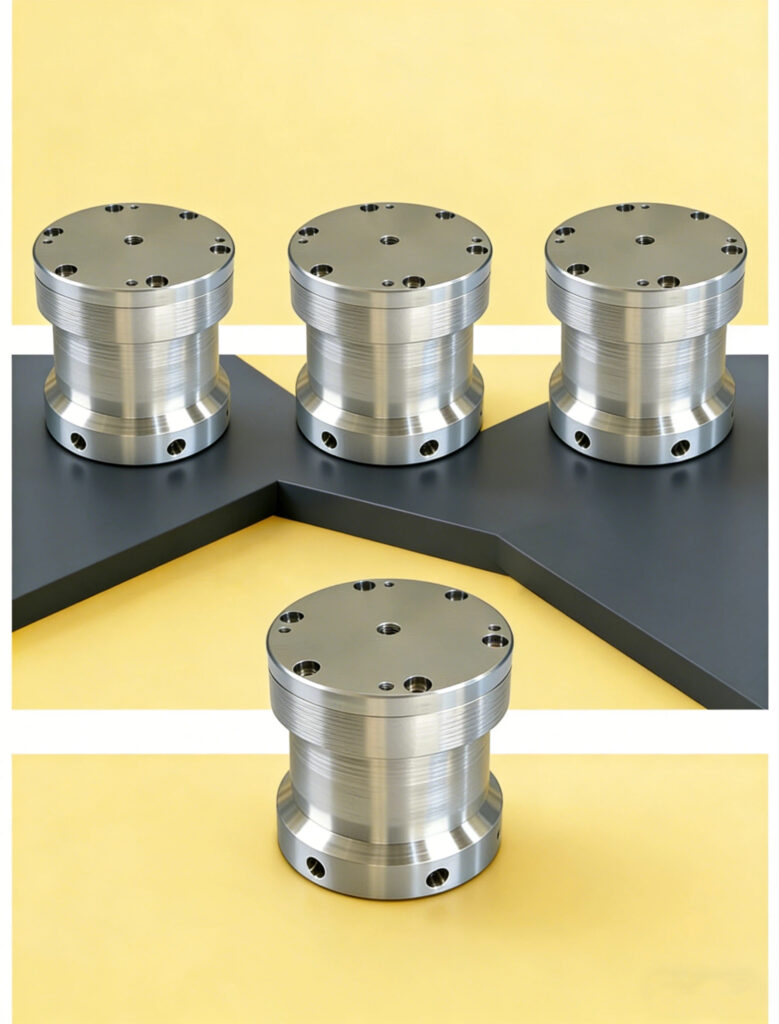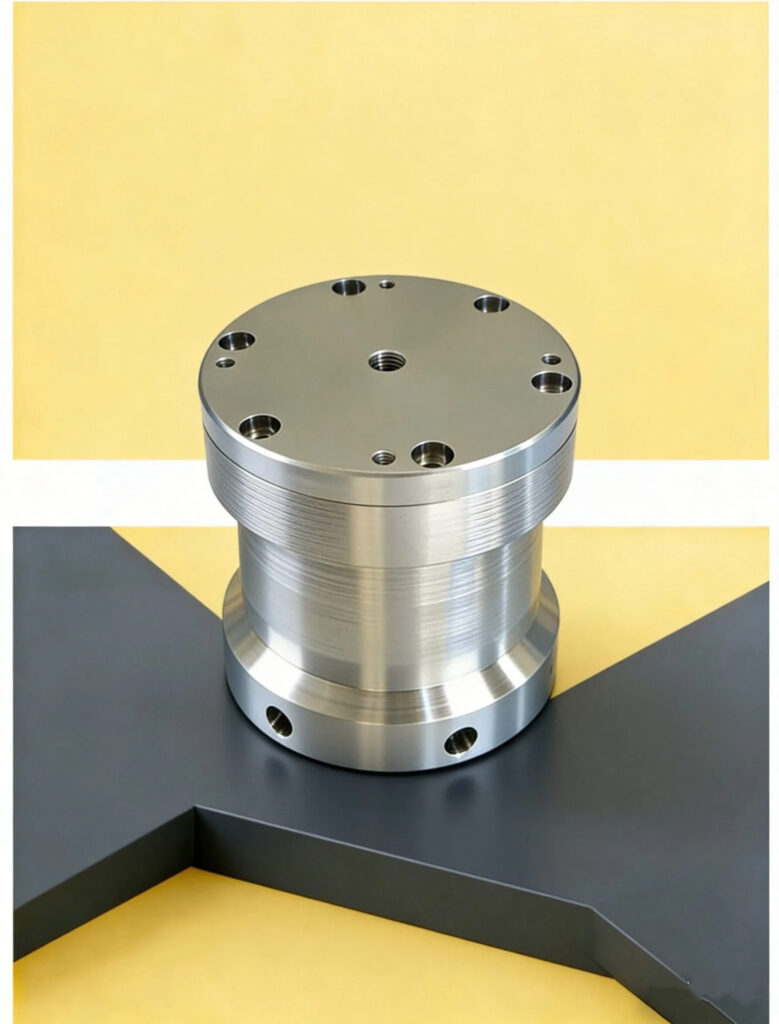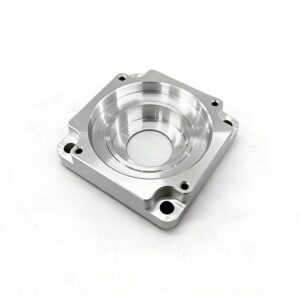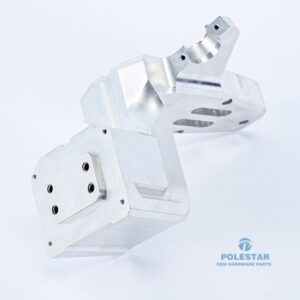

Professional Custom Aluminum Mounting Plate 6mm Thickness High Strength 6061 Plate for Industrial Equipment
Request a Quote
Enter the quantity you need and add to your quote list for pricing inquiries.
Product Details
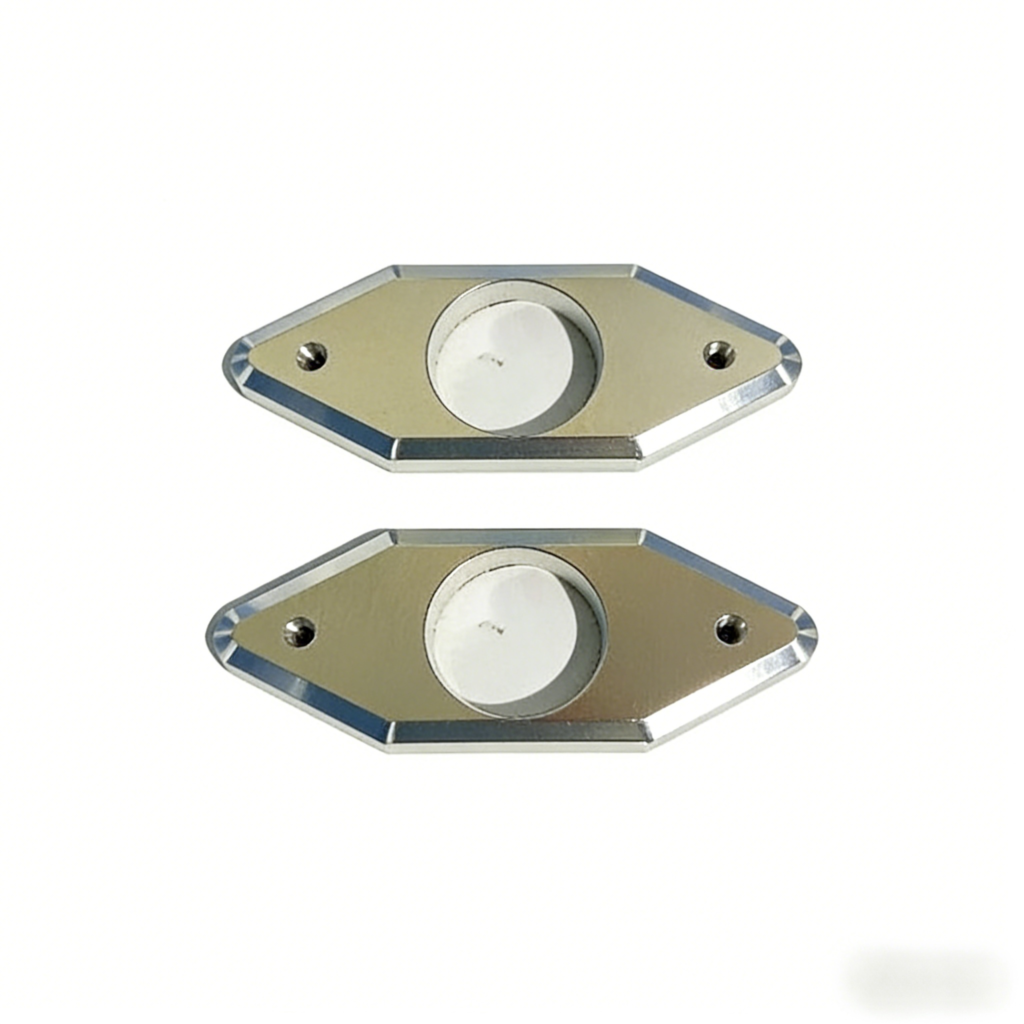
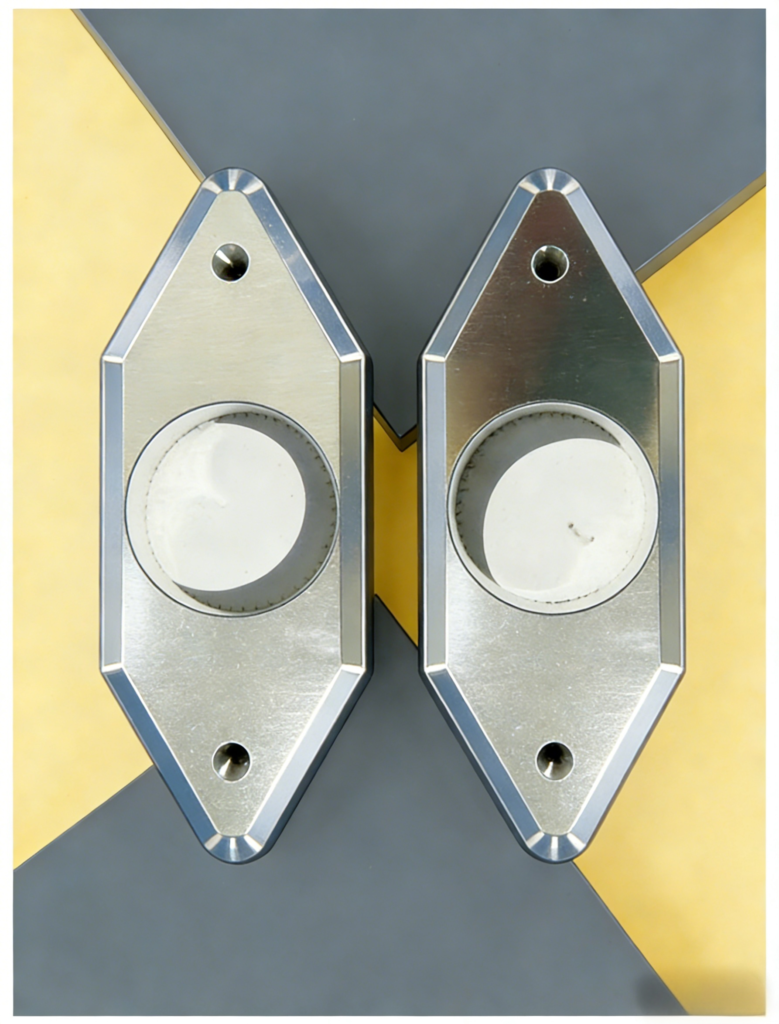
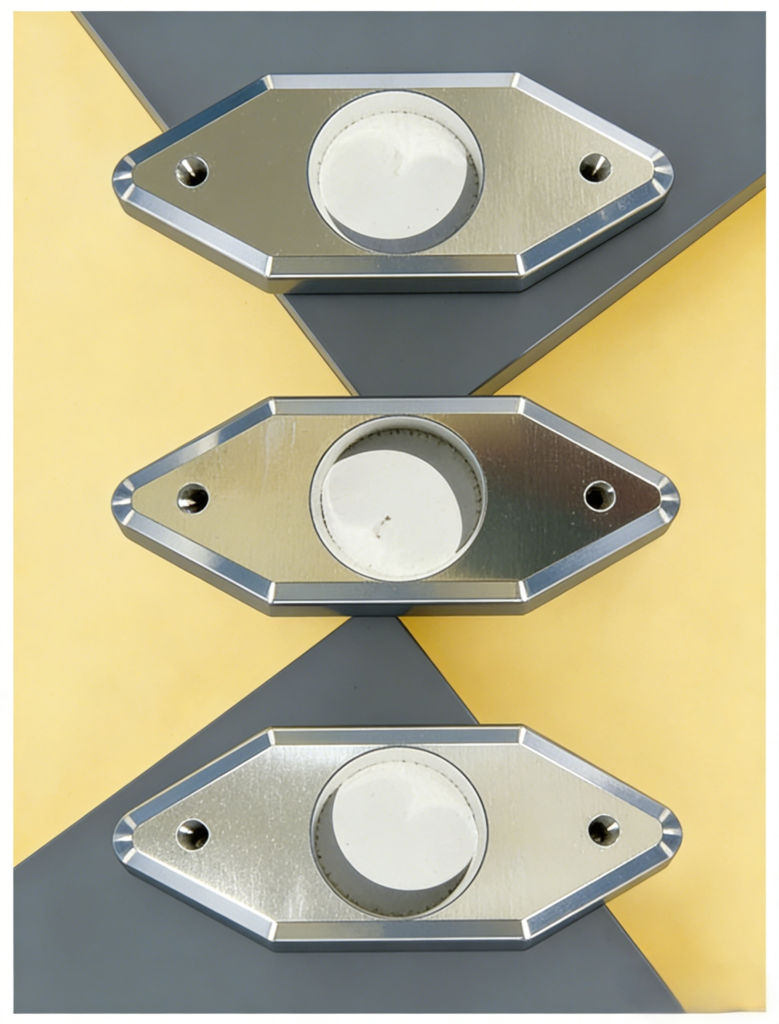
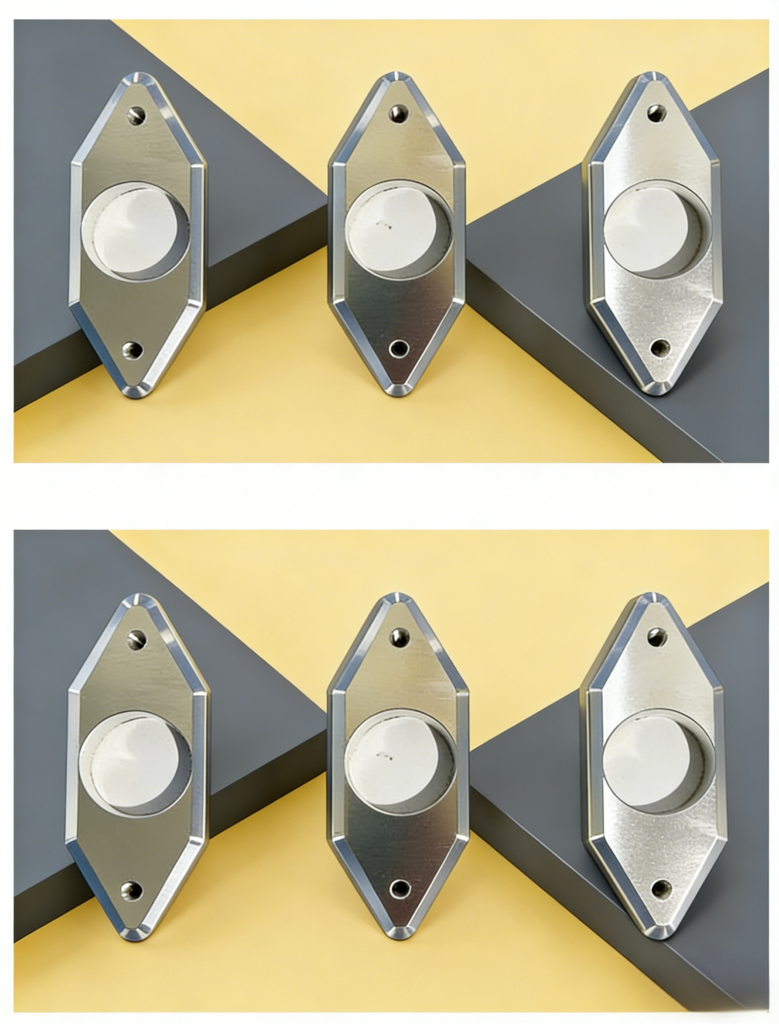
The aluminum mounting plate is a lightweight, corrosion resistant structural component designed for securing equipment, components, or assemblies to frames, walls, or enclosures. Manufactured from high strength aluminum alloys including 6061 and 7075. Available in custom sizes, thicknesses, hole patterns, and surface finishes such as anodized or mill finish. Suitable for industrial machinery, electronics enclosures, automotive applications, aerospace components, and solar panel frames. Custom plates can be precision machined with tight tolerances for specific mounting requirements.
What Is an Aluminum Mounting Plate?
An aluminum mounting plate is a flat, rigid structural component fabricated from aluminum alloy, designed to provide a secure mounting surface for attaching equipment, components, or assemblies to frames, walls, enclosures, or other structures. Unlike steel plates, the aluminum version offers significant weight reduction while maintaining excellent strength to weight ratio.
This versatile component serves several critical functions. It distributes loads evenly across the mounting area, reducing stress on both equipment and supporting structure. It provides a precisely machined reference surface for equipment alignment. It simplifies installation by consolidating multiple mounting points into a single component. It isolates equipment from minor surface irregularities. It offers corrosion resistance without requiring additional protective coatings.
Available in various alloys, thicknesses, and surface finishes, the aluminum mounting plate is fundamental to countless mechanical and structural applications across virtually every industry.
Material Properties and Alloys:
The performance of an aluminum mounting plate depends heavily on the specific alloy selected:
6061 Aluminum:
The most common general purpose alloy. Offers excellent strength, good corrosion resistance, and outstanding machinability. Weldable and heat treatable. Ideal for industrial equipment, machinery mounts, and structural applications.
7075 Aluminum:
High strength alloy comparable to many steels. Superior strength to weight ratio. Used in aerospace, high performance automotive, and demanding structural applications where maximum strength is required.
5052 Aluminum:
Excellent corrosion resistance, especially in marine environments. Good formability. Ideal for chemical and marine applications.
2024 Aluminum:
High strength with good fatigue resistance. Used in aerospace and high stress applications. Lower corrosion resistance than 6061, often requiring protective coating.
5083 Aluminum:
Superior corrosion resistance for marine and chemical applications. High strength and excellent weldability.
Manufacturing Processes:
Quality aluminum mounting plates are produced through several precision processes:
CNC Machining:
Computer controlled milling and drilling produce precise hole patterns, edge profiles, and surface finishes. Achieves tight tolerances of ±0.001 inch or better.
Waterjet Cutting:
High pressure water with abrasive cuts complex shapes without heat affected zones. Ideal for prototypes and low to medium volume production.
Laser Cutting:
Fast, precise cutting for thin to medium thickness plates. Produces clean edges with minimal burrs.
Shearing:
Economical straight line cutting for rectangular plates. Suitable for high volume production of simple shapes.
Surface Finishing:
Anodizing for corrosion protection and color options, powder coating for durability and appearance, mill finish for economical applications, and polishing for decorative or reflective requirements.
Types of Aluminum Mounting Plates:
To optimize for SEO and help users find the right product, it is important to categorize the different types available:
Standard Flat Mounting Plate:
Basic rectangular or square plate with pre drilled mounting holes. Suitable for general purpose equipment mounting.
Precision Ground Mounting Plate:
Surface ground to extremely tight flatness tolerances. Used for precision equipment alignment and measurement applications.
T Slotted Mounting Plate:
Features T shaped slots for flexible positioning of mounting hardware. Common on workbenches and machine tables.
Custom Hole Pattern Plate:
Drilled with specific hole patterns to match unique equipment footprints. Eliminates need for field drilling.
Key Applications Across Industries:
The versatility of the aluminum mounting plate makes it essential across numerous sectors:
Industrial Machinery:
Mounting plates secure motors, pumps, gearboxes, and control panels to machine frames. Vibration damping properties reduce noise and wear.
Electronics Enclosures:
Lightweight plates provide mounting surfaces for circuit boards, power supplies, and connectors within equipment housings.
Automotive:
Plates mount sensors, control modules, batteries, and accessory components in engine compartments and vehicle interiors.
Aerospace:
Weight critical applications use 7075 aluminum plates for instrument panels, avionics mounts, and structural brackets.
Solar Energy:
Mounting plates attach solar panel frames to rooftop rails or ground mount structures, withstanding wind and weather loads.
Medical Equipment:
Aluminum plates provide non magnetic, corrosion resistant mounting for diagnostic and surgical equipment.
Robotics and Automation:
Precision plates serve as base mounts for robotic arms, end effectors, and automation components.
How to Select the Right Aluminum Mounting Plate:
Choosing the appropriate aluminum mounting plate requires careful consideration of several factors:
Alloy Selection:
6061 for general purpose, 7075 for maximum strength, 5052 for marine environments.
Thickness:
Determine required thickness based on load, span, and stiffness requirements. Thicker plates provide greater rigidity but add weight.
Dimensions:
Specify length and width to accommodate equipment footprint with adequate margin for mounting hardware.
Hole Pattern:
Identify bolt hole locations, sizes, and types (through hole, threaded, countersunk).
Flatness Tolerance:
Precision applications may require flatness of ±0.001 inch per foot. General use may accept ±0.005 inch.
Surface Finish:
Anodized for corrosion protection and appearance, mill finish for economy, powder coated for durability.
Edge Treatment:
Deburred, chamfered, or rounded edges for safety and appearance.
Customization Needs:
For unique applications, custom plates can be engineered to specific dimensions, patterns, and features.
Customization Capabilities:
For applications requiring unique specifications, custom aluminum mounting plates offer tailored solutions. Customization options include:
Dimensions: Specific lengths, widths, and thicknesses to fit exact space constraints.
Hole Patterns: Custom hole sizes, spacing, and configurations including countersunk, counterbored, or threaded holes.
Shape: Rectangular, square, circular, or complex custom geometries.
Tolerances: Precision tolerances such as ±0.001 inch on critical dimensions.
Surface Finish: Anodizing in various colors, powder coating, chemical film, or bright dip polishing.
Special Features: Countersinks, counterbores, threaded inserts, alignment dowel holes, or edge profiles.
Volume Production: From prototype quantities to high volume manufacturing runs.
Installation Best Practices:
Proper installation ensures the aluminum mounting plate performs reliably:
Clean Mounting Surfaces:Remove debris, oil, and old gasket material from both plate and supporting structure.
Use Appropriate Fasteners:Select bolts or screws compatible with aluminum to prevent galvanic corrosion. Use washers to distribute load.
Follow Torque Specifications:Over tightening can deform aluminum plate. Under tightening allows movement.
Use Leveling Shims:For uneven mounting surfaces, use stainless steel or aluminum shims to achieve proper level.
Consider Isolation:For vibration sensitive equipment, use rubber or neoprene isolation pads between plate and mounting surface.
Maintenance and Troubleshooting:
Regular attention to the aluminum mounting plate prevents equipment issues:
Inspect for Corrosion:Check for white aluminum oxide deposits, especially in marine or chemical environments.
Verify Fastener Tightness:Periodically check mounting bolts for loosening, particularly in high vibration applications.
Check Flatness:If equipment alignment issues develop, verify plate flatness hasn’t changed due to overload or damage.
Clean Surfaces:Keep plate surfaces clean of debris, oil, or contamination that could affect equipment mounting.
Common Failure Modes:
Understanding potential failure points helps with preventive maintenance:
Corrosion: Galvanic corrosion when aluminum contacts dissimilar metals in wet environments. Use isolation washers or coatings.
Fatigue Cracking: Repeated cyclic loading can cause cracks near holes or corners. Use thicker plates or different alloys for high cycle applications.
Thread Stripping: Aluminum threads are softer than steel. Use threaded inserts for frequently removed fasteners.
Bending: Excessive load or inadequate thickness causes permanent deformation.
Future Trends:
The aluminum mounting plate continues to evolve with manufacturing technology:
Advanced Alloys: New aluminum alloys offer improved strength, corrosion resistance, and weldability.
Lightweighting: Optimized designs with strategic lightening holes reduce weight without compromising strength.
Integrated Features: Plates with embedded sensors, cable management channels, or thermal management features.
Sustainable Manufacturing: Recycled aluminum content and energy efficient production processes.
Conclusion:
The aluminum mounting plate may appear to be a simple component, but its role in mechanical assembly and equipment installation is profound. By providing secure, lightweight, corrosion resistant mounting surfaces, this essential component enables reliable operation across countless industrial, commercial, and consumer applications.
By understanding the alloys, types, and selection criteria outlined in this guide, you can confidently choose the right aluminum mounting plate for your application—whether a standard off the shelf product or a custom engineered design with tight tolerances.