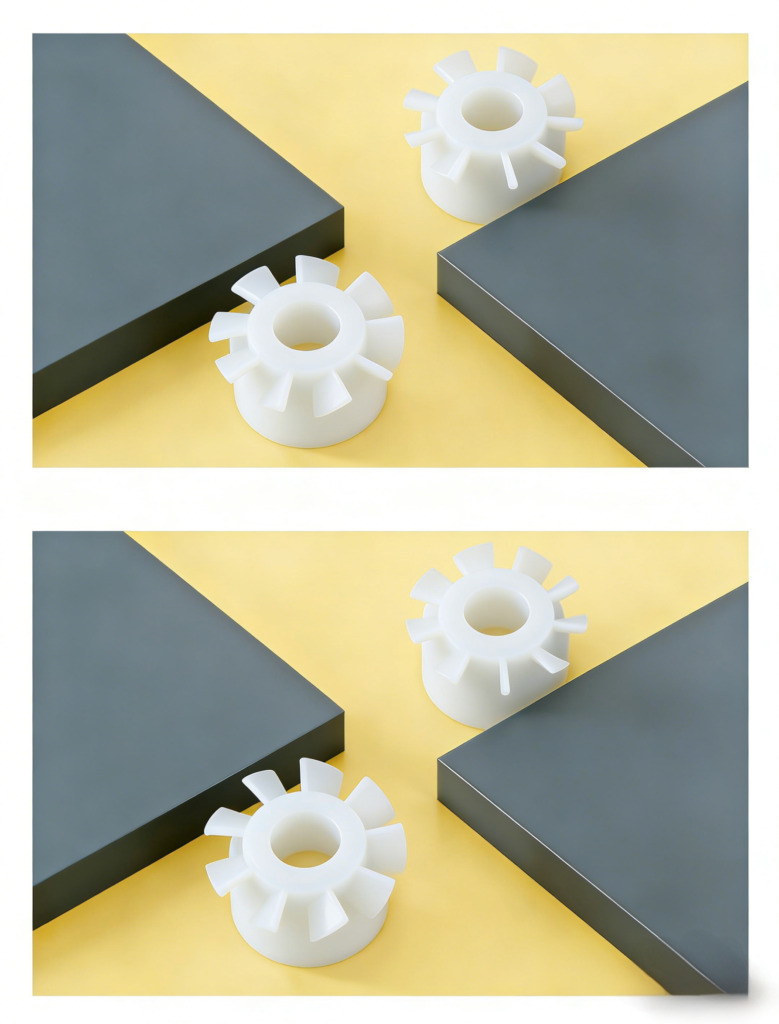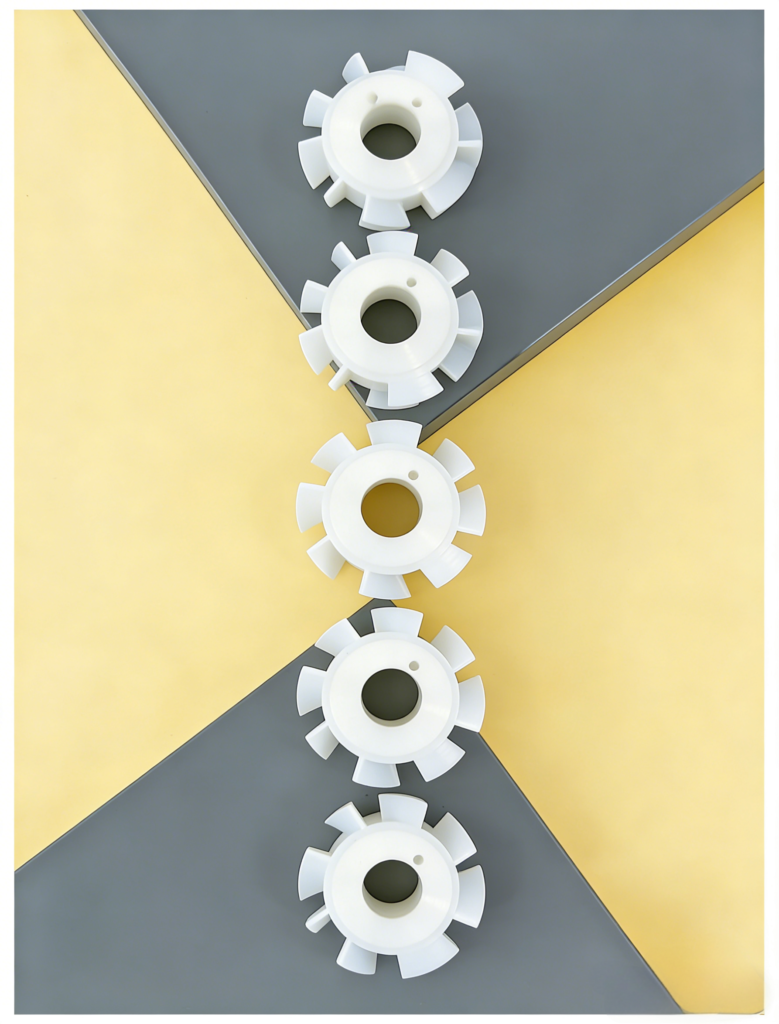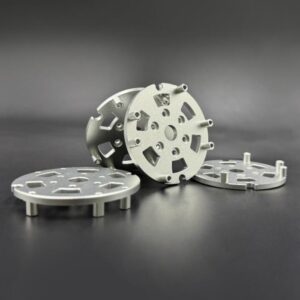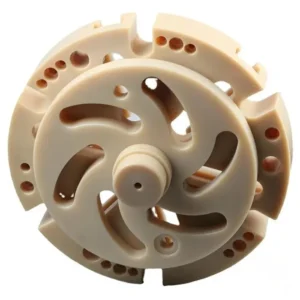

Quality Guaranteed Custom Aluminum Die Casting Part 2 Piece Design High Precision A380 Alloy Component
Request a Quote
Enter the quantity you need and add to your quote list for pricing inquiries.
Product Details
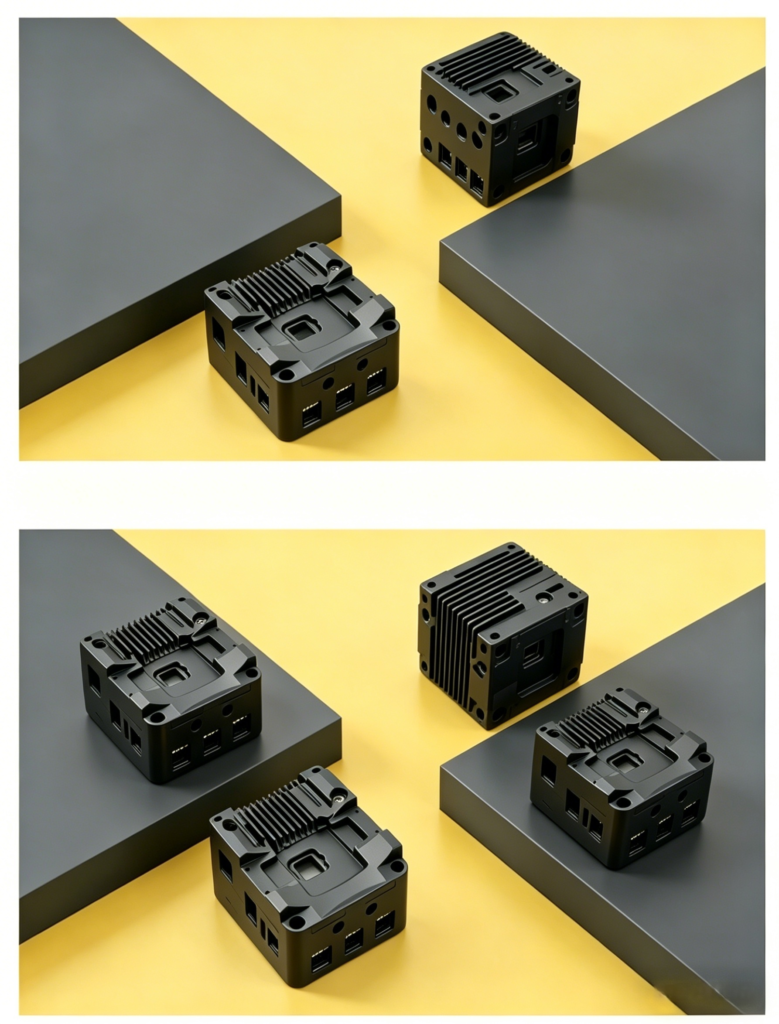
This aluminum die casting part is produced by high pressure cold chamber process using A380, ADC12, A360, or A356 alloy. Features net shape geometry, ±0.002 inch tolerance, 0.020 inch minimum wall thickness, and weight from 10g to 15kg. Secondary operations include CNC machining, deburring, shot blasting, powder coating, and anodizing. Suitable for automotive, electronic, industrial, LED, medical, and aerospace applications. CMM and X ray inspected. Custom tooling available. Prototype and mass production accepted.
What Is an Aluminum Die Casting Part?
An aluminum die casting part is a metal component produced by forcing molten aluminum alloy into a precision steel mold cavity under high pressure, typically ranging from 1,000 to 30,000 PSI. The mold, known as a die, is machined from tool steel and designed to produce complex shapes with excellent dimensional accuracy and repeatability.
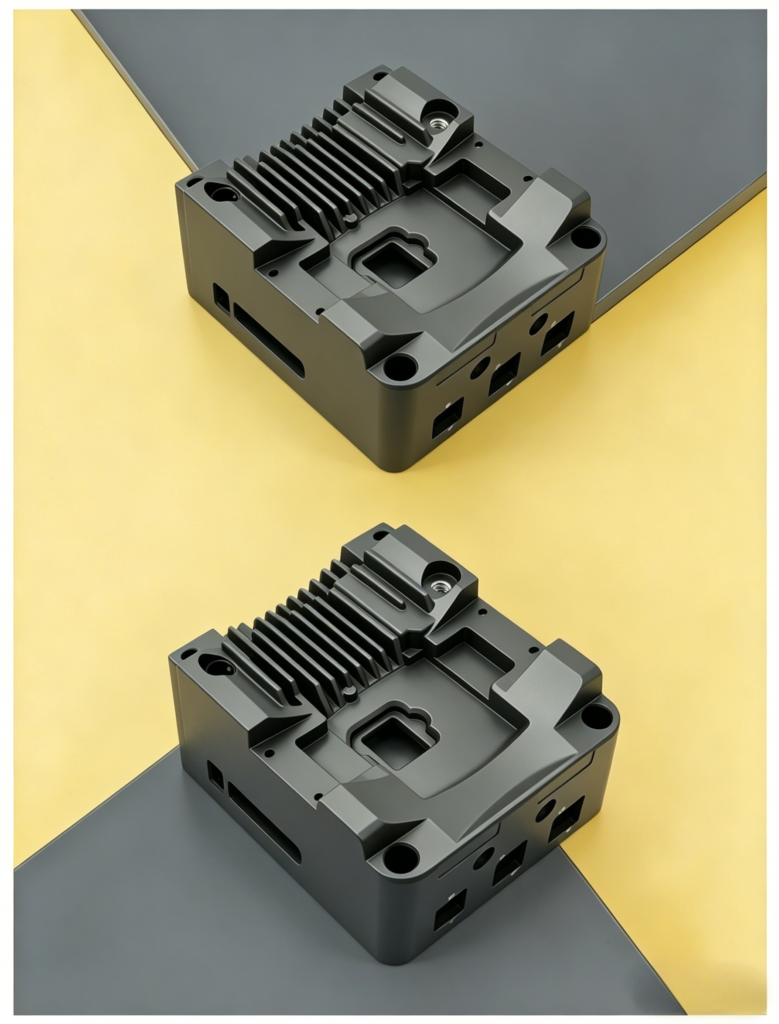
The aluminum die casting part is characterized by its net shape or near-net shape geometry, requiring minimal secondary machining. Typical features of an aluminum die casting part include smooth as-cast surfaces, tight dimensional tolerances of ±0.002 to ±0.005 inches, minimum wall thicknesses as low as 0.020 inches, and the ability to incorporate complex internal features, cored holes, threads, and undercuts directly into the casting. Weight range for a typical aluminum die casting part varies from a few grams to over 15 kilograms, depending on the size of the die casting machine and application requirements.
Manufacturing Process:
The production of an aluminum die casting part follows a precise sequence of operations:
Die Preparation:
The steel die is cleaned and lubricated before each casting cycle. Lubricants serve multiple functions: they help control die temperature, facilitate smooth metal flow, and enable easy ejection of the finished aluminum die casting part.
Clamping:
The two halves of the die are securely clamped together by the die casting machine. Clamping force is measured in tons and typically ranges from 100 to 4,000 tons, depending on the size of the aluminum die casting part being produced.
Injection:
Molten aluminum alloy, heated to temperatures between 1,200°F and 1,300°F (650°C to 700°C), is injected into the die cavity at high speed and pressure. For aluminum, the cold chamber process is used, where molten metal is ladled into a shot chamber before being injected by a hydraulic piston.
Cooling:
The molten metal solidifies rapidly against the cool die walls. Thin sections of the aluminum die casting part solidify in seconds, while thicker sections require longer cooling time. Proper cooling cycle ensures complete solidification before die opening.
Ejection:
The die opens and ejector pins push the finished aluminum die casting part out of the mold. The entire cycle for a typical part takes 30 to 60 seconds, enabling high volume production.
Trimming:
Excess material, including flash, overflows, and runners, is trimmed from the aluminum die casting part, often using a trim press.
Surface Finishes:
Surface finishing enhances the appearance, corrosion resistance, and durability of an aluminum die casting part. Common finishes include:
As Cast: Raw surface straight from the die, suitable for non-cosmetic internal components.
Deburred / Tumbled: Removes sharp edges and smooths surfaces for safe handling.
Shot Blasting: Creates a uniform matte finish, improves paint adhesion.
Polishing: Produces a bright, reflective surface for decorative applications.
Anodizing: Electrochemical process that thickens the natural oxide layer, available in clear or colors; excellent corrosion and wear resistance.
Powder Coating: Durable, decorative finish applied electrostatically; wide color range; excellent UV and chemical resistance.
E-Coating: Provides uniform, thin protective layer, ideal for complex shapes.
Chromate Conversion (Alodine): Thin conversion coating for corrosion protection and paint base.
Specifications:
Typical specifications for an aluminum die casting part include:
| Parameter | Typical Range |
| Part Weight | 10 grams to 15 kg |
| Wall Thickness | 0.020 to 0.200 inches (0.5 mm to 5 mm) |
| Dimensional Tolerance | ±0.002 to ±0.005 inches (standard); ±0.001 inches (precision) |
| Surface Finish (As Cast) | Ra 1.6 to 3.2 μm |
| Maximum Projected Area | Up to 800 square inches |
| Clamping Force Required | 100 to 4,000 tons |
| Production Volume | 500 to 1,000,000+ parts per year |
Applications Across Industries:
The aluminum die casting part is essential across numerous sectors:
Automotive Industry:
An aluminum die casting part is found throughout modern vehicles. Applications include engine blocks, transmission housings, cylinder heads, intake manifolds, alternator housings, steering knuckles, suspension components, and electric vehicle battery housings.
Electronics Industry:
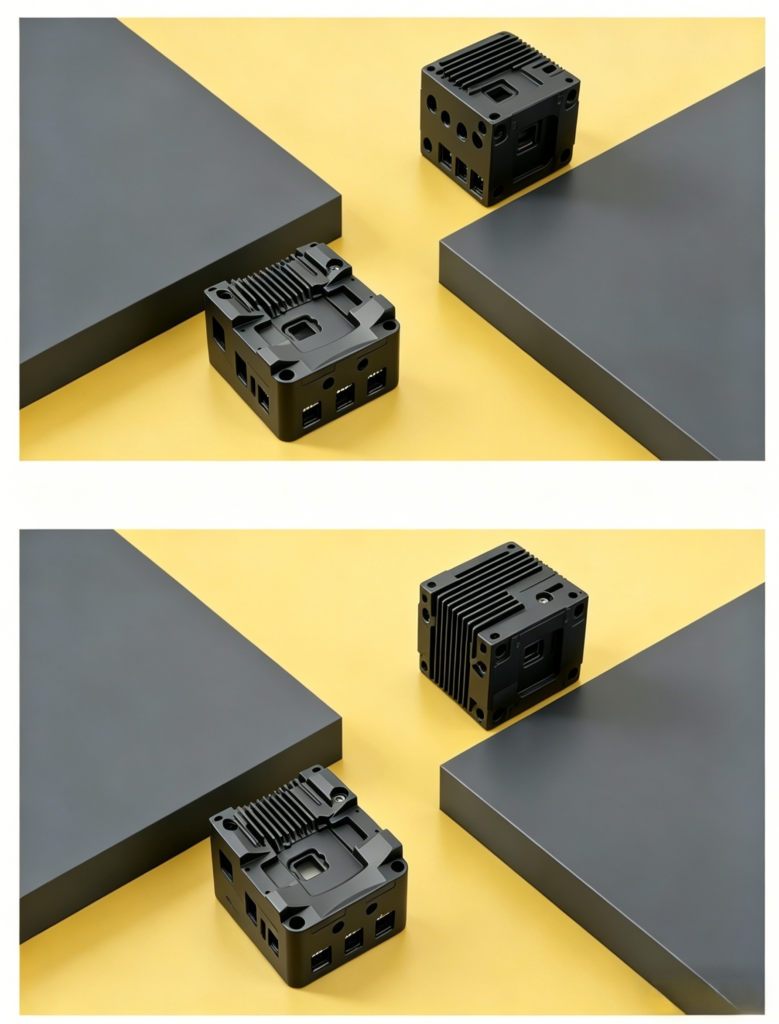
Electronic enclosures, heat sinks, LED lighting housings, connector shells, and power tool bodies are commonly produced as an aluminum die casting part.
Industrial Machinery:
Pump housings, hydraulic valve bodies, gearboxes, compressor components, and pneumatic fittings utilize the aluminum die casting part.
Medical Industry:
Surgical instrument handles, diagnostic equipment frames, imaging system components, and hospital bed parts are manufactured as an aluminum die casting part.
Aerospace Industry:
Avionics housings, connector shells, instrument cases, and structural brackets require the precision and light weight of an aluminum die casting part.
Consumer Products:
Power tool housings, kitchen appliance components, lighting fixtures, and sporting goods incorporate the aluminum die casting part
Excellent Use Case: Electric Vehicle Battery Housing
Background:
A leading electric vehicle manufacturer needed a lightweight, structurally rigid, and thermally efficient battery housing capable of protecting battery cells while dissipating heat effectively. Traditional steel fabrication resulted in excessive weight, reducing vehicle range.
Solution:
An aluminum die casting part was designed using A380 alloy with a thin-wall ribbed structure. The single-piece housing integrated mounting bosses, cooling channels, and cable routing features directly into the casting, eliminating multiple secondary operations.
Results:
- Weight Reduction: 45% lighter than the previous steel assembly
- Production Efficiency: Cycle time reduced from 15 minutes (fabricated) to 90 seconds (die cast)
- Thermal Performance: Integrated cooling channels lowered battery operating temperature by 12°C
- Cost Savings: 30% lower per-unit cost at annual volume of 100,000 units
- Quality: Achieved IP67 water resistance with no secondary sealing required
This case demonstrates how the aluminum die casting part delivers lightweight, high-strength, cost-effective solutions for demanding electric vehicle applications.
Conclusion:
The aluminum die casting part represents a cornerstone of modern manufacturing, enabling high-volume production of complex, lightweight, precision components across virtually every industry. By understanding the alloys, design features, quality considerations, and selection criteria outlined in this guide, the right aluminum die casting part can be specified for any application—from standard automotive components to custom engineered solutions requiring tight tolerances and specialized features.