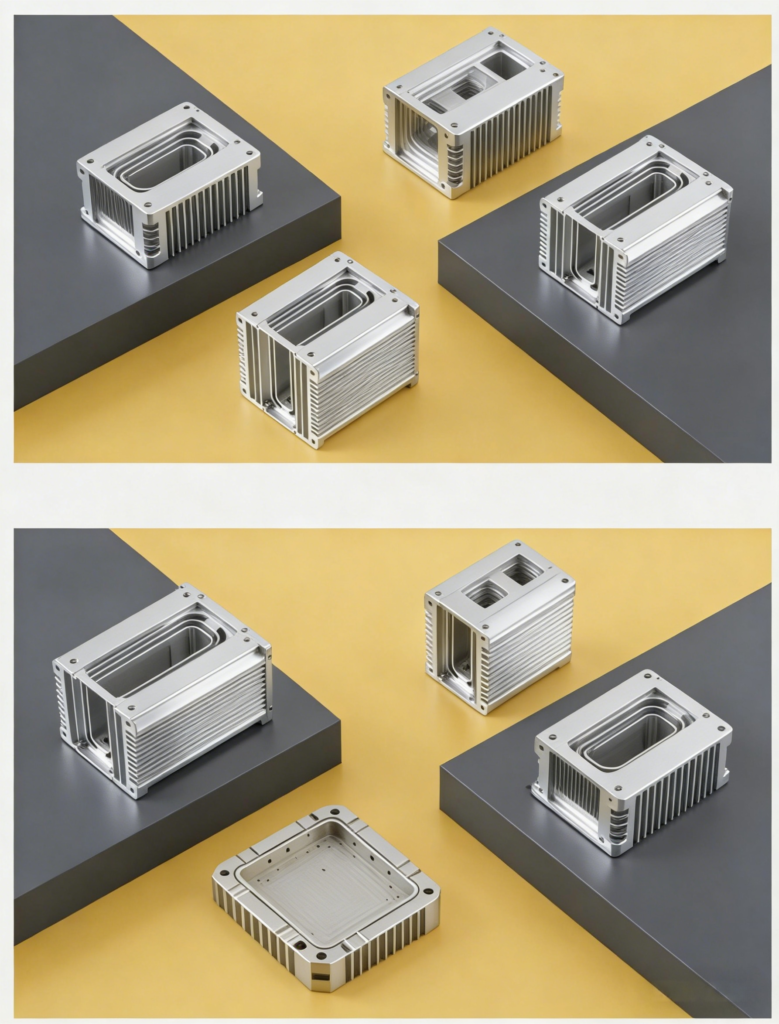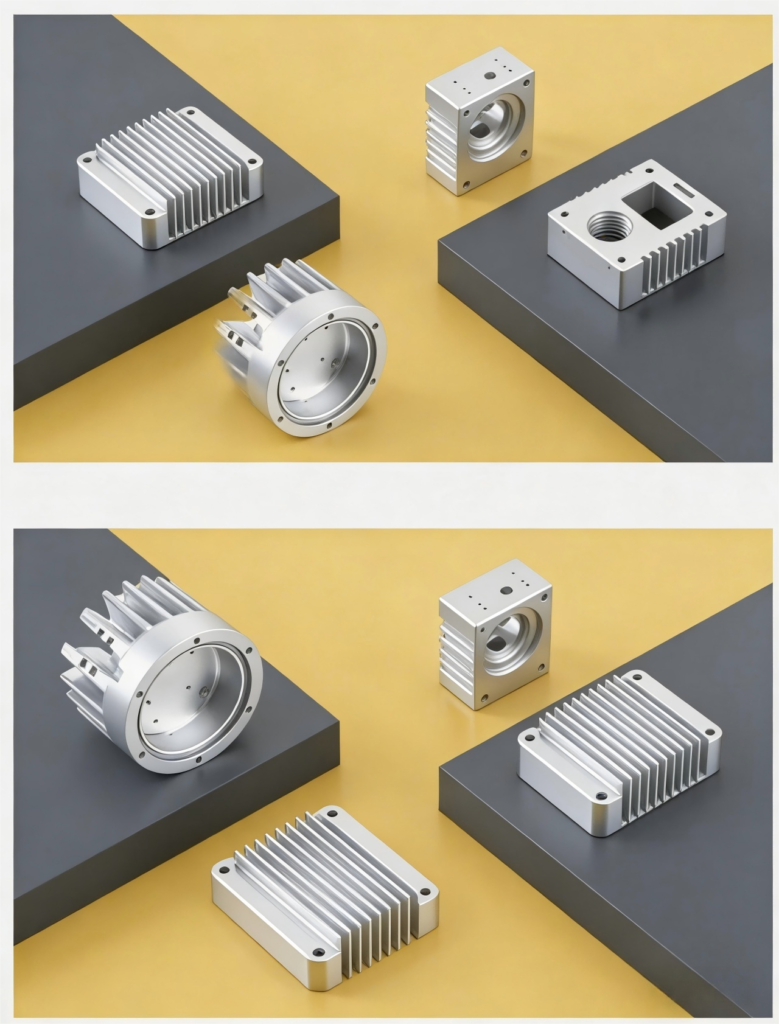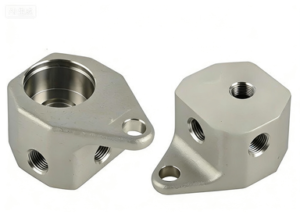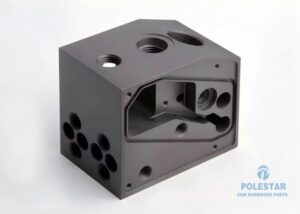
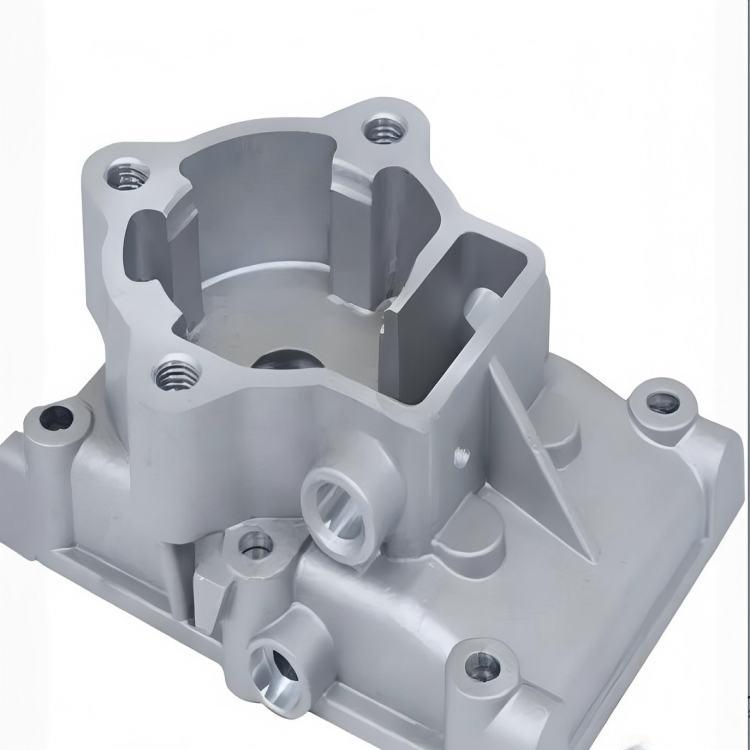
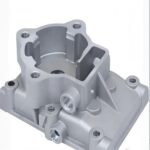
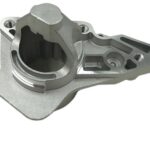
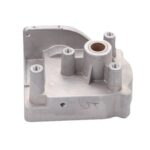
Guaranteed Aluminum Die Casting Housing 200mm Maximum Dimension Flawless Surface Finish Extreme Reliability
Request a Quote
Enter the quantity you need and add to your quote list for pricing inquiries.
Product Details
Precision engineered aluminum die casting housing offers excellent strength to weight ratio superior dimensional accuracy and outstanding thermal conductivity. Manufactured using high pressure die casting process for consistent quality and complex geometries. Ideal for automotive electronics industrial machinery and lighting applications where lightweight durability and heat dissipation are critical. Corrosion resistant surface finish available for enhanced performance in demanding environments.
What Is an Aluminum Die Casting Housing?
An aluminum die casting housing is a precision engineered enclosure or casing produced by forcing molten aluminum alloy into a steel mold cavity under high pressure. This manufacturing process, known as high pressure die casting (HPDC), allows for the creation of complex three dimensional shapes with tight dimensional tolerances, smooth surface finishes, and excellent part-to-part repeatability. Unlike sand casting or permanent mold casting, high pressure die casting offers superior production speeds and dimensional accuracy, making it the process of choice for medium to high volume production runs.
Aluminum die casting housings serve multiple critical functions in modern equipment. They act as protective enclosures for sensitive internal components such as printed circuit boards, sensors, motors, gears, connectors, and power supplies. Beyond simple protection, these housings provide mechanical support and structural rigidity, environmental sealing against moisture and dust, electromagnetic interference (EMI) and radio frequency interference (RFI) shielding, and thermal management through heat dissipation. By integrating multiple functions into a single component, aluminum die casting housings help reduce assembly time, lower overall system cost, and improve product reliability.
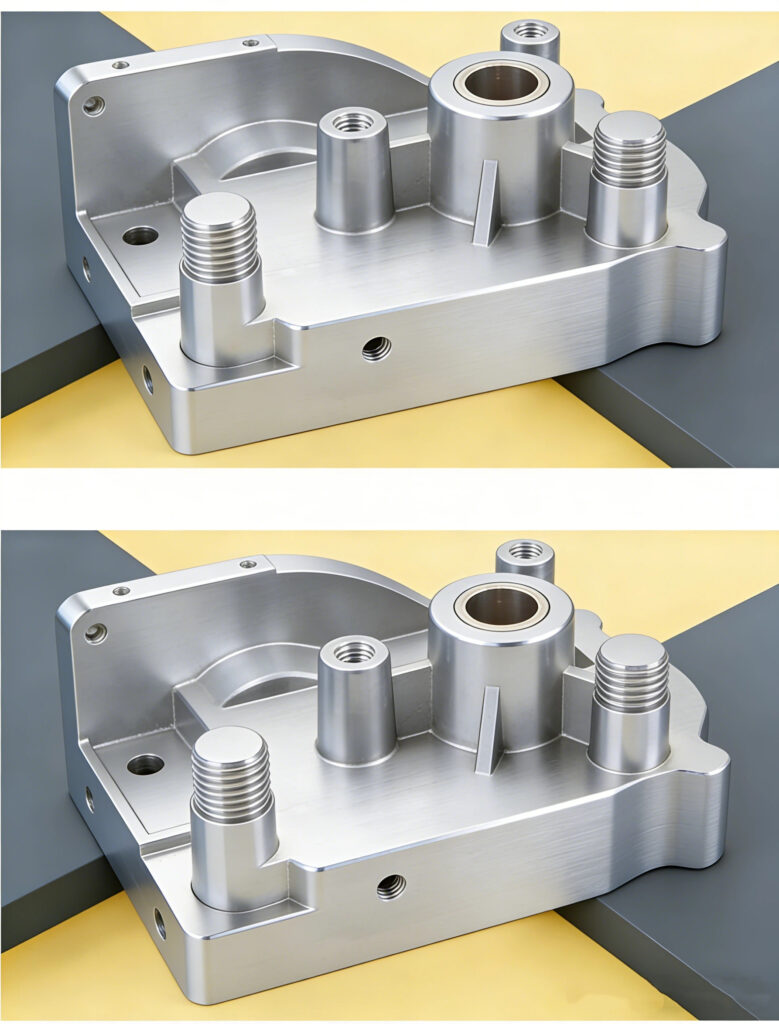
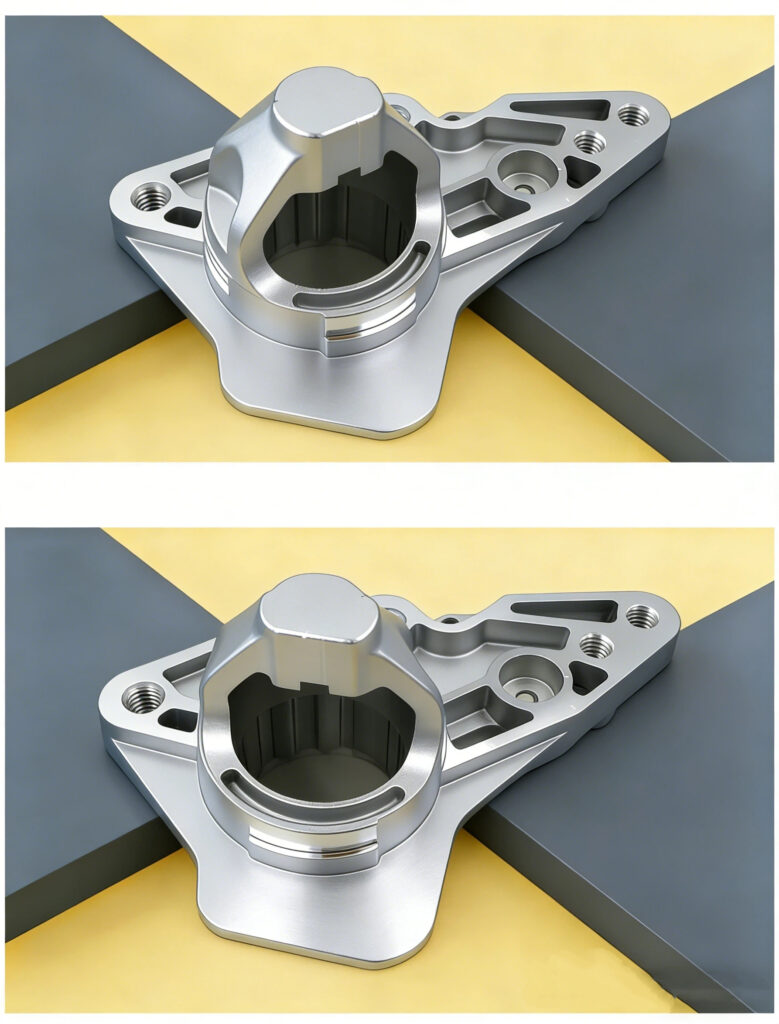
Key Advantages of Aluminum Die Casting Housings:
The widespread adoption of aluminum die casting housings across industries is driven by a compelling set of performance, manufacturing, and economic advantages.
Exceptional Strength-to-Weight Ratio:
Aluminum die casting housings offer high structural strength while remaining significantly lighter than steel or cast iron alternatives. Aluminum has a density of approximately 2.7 g/cm³, compared to 7.8 g/cm³ for steel and 7.2 g/cm³ for cast iron. This weight reduction is critical in automotive, aerospace, and portable electronic applications where every gram matters. Despite the lower density, properly designed aluminum die casting housings can achieve strength levels suitable for demanding structural applications.
Superior Thermal Conductivity:
Aluminum naturally dissipates heat more effectively than many other materials. With a thermal conductivity of approximately 96–160 W/m·K depending on the alloy, aluminum die cast housings act as efficient heat sinks, drawing heat away from internal components such as power transistors, processors, and LEDs. This passive cooling capability extends the operational life of sensitive electronics and may eliminate the need for active cooling components like fans, reducing system cost and improving reliability.
Complex Geometries:
The die casting process allows for intricate shapes including thin walls (typically 1–2 mm for small to medium housings), reinforcing ribs, mounting bosses, threaded holes, cooling fins, mounting flanges, and internal cavities. Many of these features would be difficult, expensive, or impossible to achieve with other manufacturing methods such as sheet metal fabrication or plastic injection molding. Integrating multiple features into a single casting reduces assembly time and eliminates separate components.
Tight Dimensional Tolerances:
High-pressure die casting produces housings with excellent dimensional accuracy. Typical tolerances range from ±0.05 mm for small features up to ±0.25 mm for larger dimensions, depending on size and complexity. This level of precision often eliminates the need for secondary machining operations on many surfaces, reducing production time and cost.
Excellent Surface Finish:
Die cast housings emerge from the mold with smooth surfaces ready for painting, powder coating, plating, or anodizing. Typical surface roughness (Ra) values range from 0.8 to 1.6 microns, providing an excellent base for decorative or protective coatings. In some applications, the as-cast surface finish is acceptable for visible surfaces, eliminating additional finishing operations.
High Production Efficiency:
Once the mold is created, die casting is a fast process capable of producing thousands of identical housings per day with minimal variation. Cycle times for small to medium housings typically range from 30 seconds to 2 minutes, depending on size and wall thickness. This high production efficiency directly reduces per-part cost at volume.
Corrosion Resistance:
Aluminum naturally forms a thin, adherent, and protective oxide layer when exposed to air. This native oxide provides good corrosion resistance in many environments. Additional surface treatments such as anodizing, powder coating, or chromate conversion further enhance corrosion resistance for harsh environments including marine, chemical, or outdoor applications.
EMI and RFI Shielding:
Aluminum die casting housings provide effective electromagnetic interference (EMI) and radio frequency interference (RFI) shielding, protecting sensitive electronics from external interference and preventing internal circuits from radiating emissions that could affect other equipment. Shielding effectiveness can exceed 60 dB at frequencies up to 1 GHz, making them suitable for most commercial and industrial applications.
Design Flexibility:
Die casting allows engineers to integrate multiple functions into a single housing. Mounting features, connector bosses, sealing grooves, and heat sink fins can all be cast as part of the same component, reducing the number of separate parts, simplifying assembly, and improving overall system reliability.
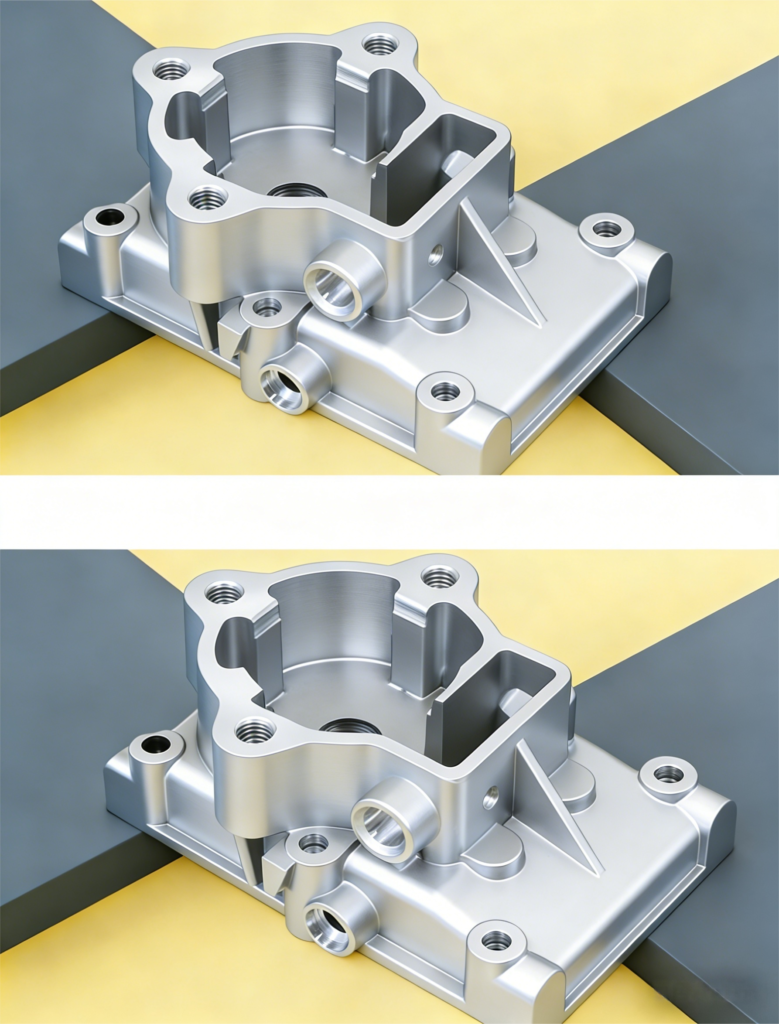
Key Applications Across Industries:
The versatility of aluminum die casting housings makes them suitable for a vast range of industries and applications:
Automotive Electronics:
Modern vehicles contain dozens of electronic control units, sensors, and modules, many of which are protected by aluminum die casting housings. Typical applications include engine control unit (ECU) housings, transmission control module enclosures, sensor housings for ABS, airbag, and parking assist systems, lighting control modules, battery management system housings for electric and hybrid vehicles, infotainment system enclosures, and power distribution module housings.
Industrial Automation:
Factory automation equipment requires durable, reliable enclosures that can withstand harsh industrial environments. Aluminum die casting housings are used for motor housings, gearbox enclosures, programmable logic controller (PLC) boxes, variable frequency drive (VFD) housings, power supply enclosures, actuator casings, robot controller housings, and human-machine interface (HMI) enclosures.
LED Lighting:
The LED lighting industry relies heavily on aluminum die casting housings for thermal management. Typical applications include LED driver housings, luminaire enclosures for street lights and high-bay fixtures, heat sink integrated housings, junction boxes for outdoor lighting, downlight housings, and floodlight enclosures.
Consumer Electronics:
Portable and stationary consumer electronics benefit from the lightweight and durability of aluminum die casting housings. Typical applications include laptop chassis and frames, tablet enclosures, audio equipment housings for amplifiers and receivers, power adapter enclosures, camera bodies, and smart home device housings.
Medical Devices:
Medical equipment requires housings that are durable, cleanable, and compatible with disinfection protocols. Aluminum die casting housings are used for diagnostic equipment enclosures, patient monitor housings, portable medical device casings, ultrasound machine enclosures, ventilator housings, and laboratory instrument enclosures.
Telecommunications:
Telecom infrastructure equipment requires robust, weather-resistant housings for outdoor deployment. Typical applications include base station enclosures, router and switch housings, signal amplifier casings, antenna housings, small-cell enclosures, and fiber optic termination boxes.
Renewable Energy:
Solar, wind, and energy storage systems require durable enclosures for power electronics. Aluminum die casting housings are used for solar inverter housings, charge controller enclosures, battery storage casings, wind turbine control enclosures, and power conversion system housings.
Surface Treatment Options:
Aluminum die casting housings can be enhanced with various surface treatments to improve corrosion resistance, appearance, wear resistance, or electrical conductivity:
Powder Coating:
This dry finishing process applies a free-flowing powder that is cured under heat to form a hard, durable finish. Powder coating offers excellent durability, a wide range of colors and textures (gloss, matte, textured), good chemical resistance, and uniform coverage even on complex shapes. Typical applications include industrial enclosures, outdoor housings, and consumer-visible products.
Anodizing:
An electrochemical process that converts the aluminum surface into a hard, durable, corrosion-resistant aluminum oxide layer. Anodizing can be clear or dyed in various colors. It offers excellent wear resistance, good corrosion protection, and a decorative appearance. However, anodizing is less effective on cast aluminum than on wrought aluminum due to variations in alloy composition and the presence of silicon. Typical applications include electronic housings and consumer products.
E-Coating (Electrophoretic Coating):
This process applies a uniform coating through electrical attraction. E-coating provides excellent coverage even on internal surfaces and complex geometries. It offers strong corrosion protection and a consistent finish. Typical applications include automotive under-hood components and industrial housings.
Chromate Conversion (Chemfilm or Alodine):
This chemical treatment creates a thin, conductive, corrosion-resistant conversion coating. Chromate conversion provides good corrosion resistance, maintains electrical conductivity (important for EMI grounding), and serves as an excellent base for paint adhesion. Typical applications include aerospace electronics and military equipment housings.
Polishing and Buffing:
Mechanical finishing processes that create a smooth, reflective surface. Polishing can produce a decorative, high-gloss appearance suitable for visible consumer products. Typical applications include cosmetic housings and visible architectural components.
Shot Blasting or Bead Blasting:
This process propels small media at high velocity against the housing surface, creating a uniform matte finish. Shot blasting improves paint adhesion, hides minor surface imperfections, and creates a consistent appearance. Typical applications include industrial housings and products requiring a uniform matte aesthetic.
Conclusion:
The aluminum die casting housing represents a remarkable convergence of material science, manufacturing engineering, and product design. Its unique combination of light weight, high strength, excellent thermal conductivity, electromagnetic shielding capability, and design flexibility makes it indispensable across a vast range of industries. Whether you are protecting sensitive electronics in an automotive engine compartment, managing heat in a high power LED luminaire, seeking to reduce weight in a portable medical device, or ensuring electromagnetic compatibility in a telecommunications system, aluminum die casting housings offer a proven, reliable, and cost effective solution.
By understanding the manufacturing process, material options, application requirements, design considerations, and quality factors outlined in this comprehensive guide, engineers, designers, and procurement professionals can make informed decisions that optimize performance, reduce costs, ensure reliability, and accelerate time to market.