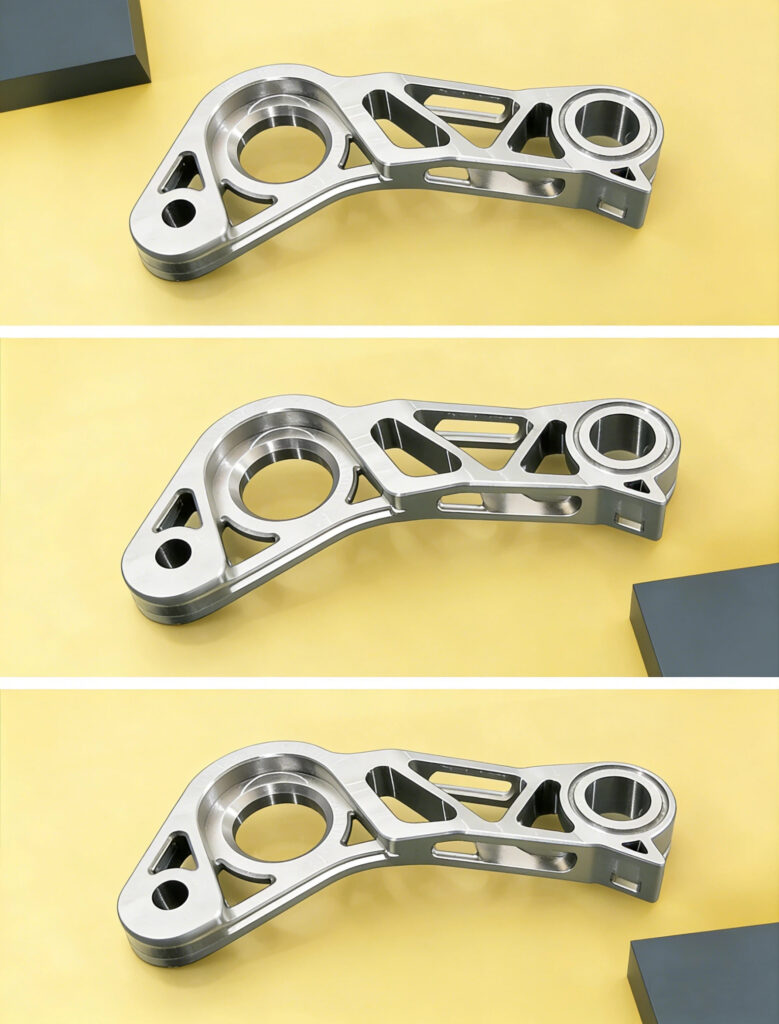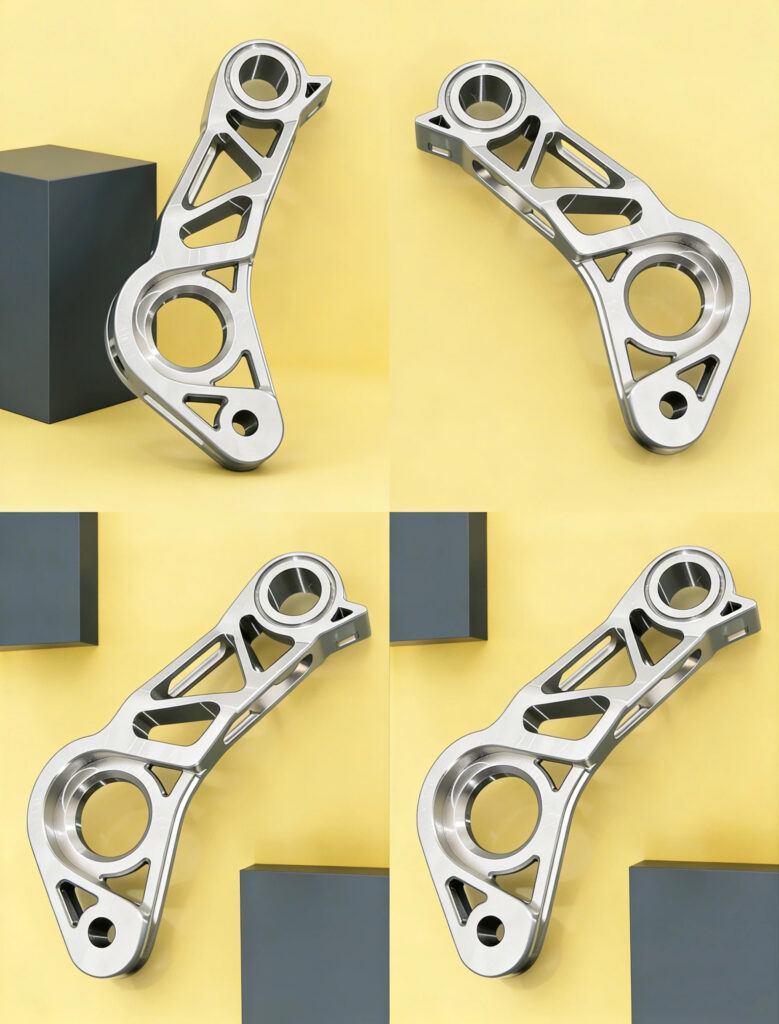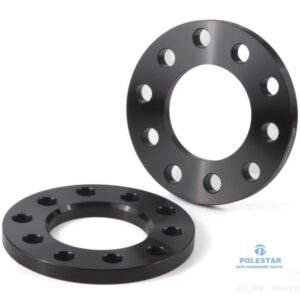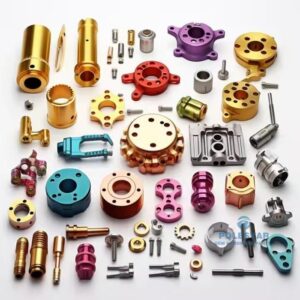
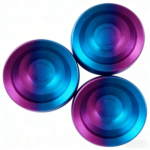
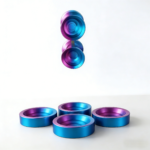
Stable Performance Versatile Custom Aluminum Component – Engineered for 10+ Industrial Applications
Request a Quote
Enter the quantity you need and add to your quote list for pricing inquiries.
Product Details
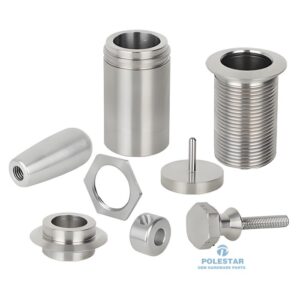
Bespoke Aluminum Component engineered precisely to your exact specifications. Choose from over 5000 custom configurations including size shape thread type surface finish and alloy grade. Each component is CNC machined and quality inspected to ensure consistent performance. Fast 7 day delivery available for prototype orders with seamless scaling from 1 unit to 10000 units. Ideal for automotive aerospace robotics medical devices and industrial equipment where reliability and precision matter most.
What Is an Aluminum Component?
An aluminum component is a part or piece manufactured from aluminum or aluminum alloy, designed to fulfill specific functions within a larger assembly or system. These components leverage the unique properties of aluminum including light weight, high strength to weight ratio, excellent corrosion resistance, good thermal and electrical conductivity, and exceptional machinability.
Aluminum components serve numerous critical functions across countless applications. They provide structural support while minimizing overall system weight. They dissipate heat efficiently in electronic and thermal management applications. They resist corrosion in harsh environments without requiring protective coatings. They conduct electricity effectively for power distribution and grounding. They offer aesthetic appeal with various surface finish options.
Available in thousands of shapes, sizes, and configurations, the aluminum component is fundamental to modern product design and manufacturing across virtually every industry.
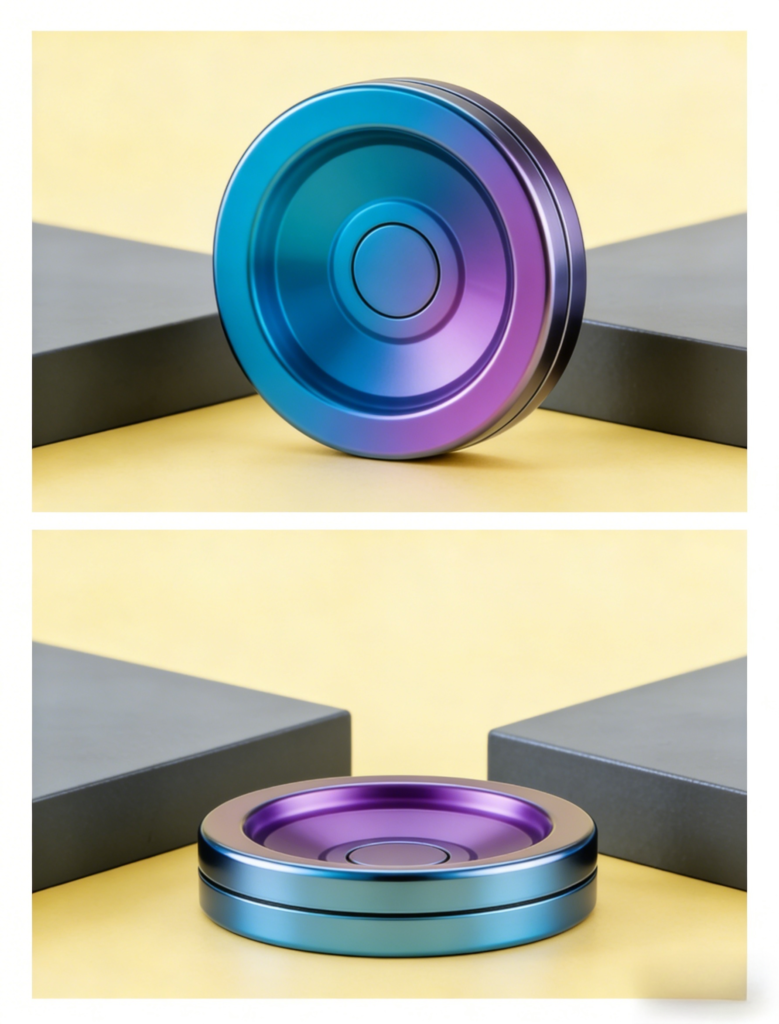
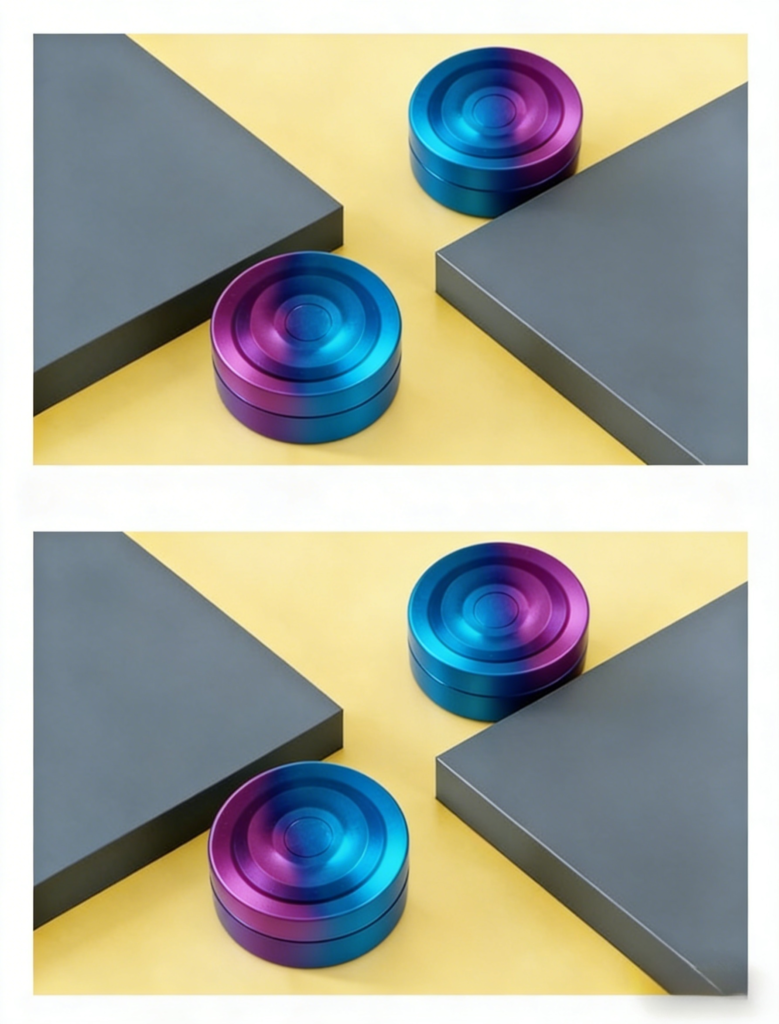
Material Properties of Aluminum:
Understanding the properties of aluminum is essential for specifying the right aluminum component for your application:
Light Weight: Aluminum weighs approximately one third as much as steel (2.70 g/cm³ vs 7.85 g/cm³). This property makes aluminum components ideal for weight sensitive applications including transportation, aerospace, and portable devices.
Strength to Weight Ratio: Aluminum alloys offer excellent strength relative to their weight. Heat treatable alloys like 7075 achieve tensile strengths comparable to mild steel at one third the weight.
Corrosion Resistance: Aluminum naturally forms a protective oxide layer that prevents further corrosion. This makes aluminum components suitable for outdoor, marine, and chemical environments without additional coatings.
Thermal Conductivity: Aluminum conducts heat approximately three times better than steel. This property makes aluminum components ideal for heat sinks, radiators, and thermal management applications.
Electrical Conductivity: Aluminum conducts electricity at about 62% of copper by volume but nearly 200% by weight, making it economical for power transmission components.
Machinability: Aluminum is easy to machine with standard equipment, allowing complex aluminum components to be produced quickly and cost effectively.
Common Aluminum Alloys for Components:
Different applications require different aluminum alloys for aluminum components:
6061 Aluminum: The most versatile and widely used alloy. Offers good strength, excellent corrosion resistance, and outstanding machinability. Suitable for structural components, machinery parts, marine hardware, and consumer products.
7075 Aluminum: High strength alloy comparable to many steels. Used in aerospace, high performance automotive, and demanding structural applications where maximum strength is required.
5052 Aluminum: Excellent corrosion resistance, especially in marine environments. Good formability. Ideal for chemical and marine components.
2024 Aluminum: High strength with good fatigue resistance. Used in aerospace and high stress applications. Lower corrosion resistance than 6061.
6063 Aluminum: Excellent extrudability with smooth surface finish. Commonly used for architectural components, frames, and decorative parts.
A356 Aluminum: Cast aluminum alloy with good strength and pressure tightness. Used for cast components including automotive wheels and pump housings.
Manufacturing Processes for Aluminum Components:
Quality aluminum components are produced through several precision manufacturing processes:
CNC Machining: Computer controlled milling, turning, and drilling produce precision aluminum components with tight tolerances. Ideal for complex geometries, low to medium volumes, and prototype to production quantities.
Extrusion: Aluminum is forced through a die to create continuous profiles with constant cross sections. Cost effective for high volume production of long parts such as frames, rails, and channels.
Die Casting: Molten aluminum is injected into steel molds under high pressure. Produces complex shapes with excellent dimensional accuracy. Ideal for high volume production of small to medium aluminum components.
Sand Casting: Aluminum is poured into sand molds. Suitable for larger components or lower volumes. Offers design flexibility for custom applications.
Forging: Aluminum is shaped under compressive force. Produces aluminum components with superior strength and grain structure. Ideal for high stress applications such as suspension components.
Sheet Metal Fabrication: Cutting, bending, and forming aluminum sheet into components. Suitable for enclosures, brackets, panels, and structural parts.
Key Applications Across Industries:
The versatility of the aluminum component makes it essential across numerous sectors:
Aerospace:
Aluminum components dominate aircraft structures due to their light weight and high strength. Applications include fuselage frames, wing ribs, seat tracks, control surfaces, landing gear components, and interior hardware.
Automotive:
Modern vehicles use aluminum components for weight reduction and fuel efficiency. Applications include engine blocks, cylinder heads, transmission housings, suspension arms, wheels, chassis components, heat exchangers, and body panels.
Electronics:
Aluminum components provide thermal management and electromagnetic shielding. Applications include heat sinks, electronic enclosures, chassis frames, LED housings, smartphone cases, and laptop bodies.
Medical Devices:
Aluminum components offer corrosion resistance and lightweight construction. Applications include surgical instruments, diagnostic equipment frames, hospital bed components, wheelchairs, and imaging system parts.
Industrial Machinery:
Aluminum components reduce machine weight while maintaining strength. Applications include robotic arms, conveyor components, machine guards, pump housings, valve bodies, and actuator parts.
Marine:
Corrosion resistant aluminum components withstand saltwater environments. Applications include boat hulls, deck hardware, railings, masts, and engine components.
Consumer Products:
Aluminum components provide durability and aesthetic appeal. Applications include bicycle frames, camping equipment, cookware, furniture, lighting fixtures, and sporting goods.
How to Select the Right Aluminum Component:
Choosing the appropriate aluminum component requires careful consideration of several factors:
Alloy Selection: 6061 for general purpose, 7075 for high strength, 5052 for marine environments, 6063 for extrusions, A356 for castings.
Manufacturing Process: CNC machining for precision and complexity, extrusion for long profiles, die casting for high volume small parts, fabrication for sheet components.
Dimensional Requirements: Specify lengths, widths, heights, diameters, hole sizes and locations, and tolerances such as ±0.005 inch for precision features.
Mechanical Properties: Consider tensile strength, yield strength, hardness, fatigue resistance, and impact resistance based on application demands.
Environmental Conditions: Consider exposure to moisture, chemicals, temperature extremes, and UV radiation.
Surface Finish: Machined finish for economy, anodized for corrosion protection and color, powder coated for durability, polished for aesthetics, or chem film for paint adhesion.
Volume Requirements: Low volumes suit CNC machining or fabrication. High volumes justify tooling for extrusion, die casting, or forging.
Customization Capabilities:
For applications requiring unique specifications, custom aluminum components offer tailored solutions. Customization options include:
Geometry: Specific shapes, contours, and features to match exact design requirements.
Dimensions: Precise lengths, widths, heights, diameters, and wall thicknesses.
Tolerances: Precision tolerances such as ±0.001 inch on critical dimensions.
Hole Patterns:
Custom hole sizes, spacing, and configurations including threaded or counterbored holes.
Surface Treatment: Anodizing in various colors, powder coating, chemical film, chromate conversion coating, or bright dip polishing.
Special Features: Threaded inserts, press fit bushings, alignment dowels, assembly markings, or serialization.
Volume Production: From prototype quantities to high volume manufacturing runs.
Quality Assurance:
Ensuring quality in aluminum components requires attention to several factors:
Dimensional Inspection: Verify critical dimensions using calipers, micrometers, CMM, or optical measurement.
Material Certification: Confirm alloy composition and temper with mill test reports.
Surface Finish Verification: Check anodizing thickness, color consistency, and surface defects.
Mechanical Testing: Verify tensile strength, hardness, or other properties for critical components.
Pressure Testing: For housings or fluid handling components, verify leak tightness.
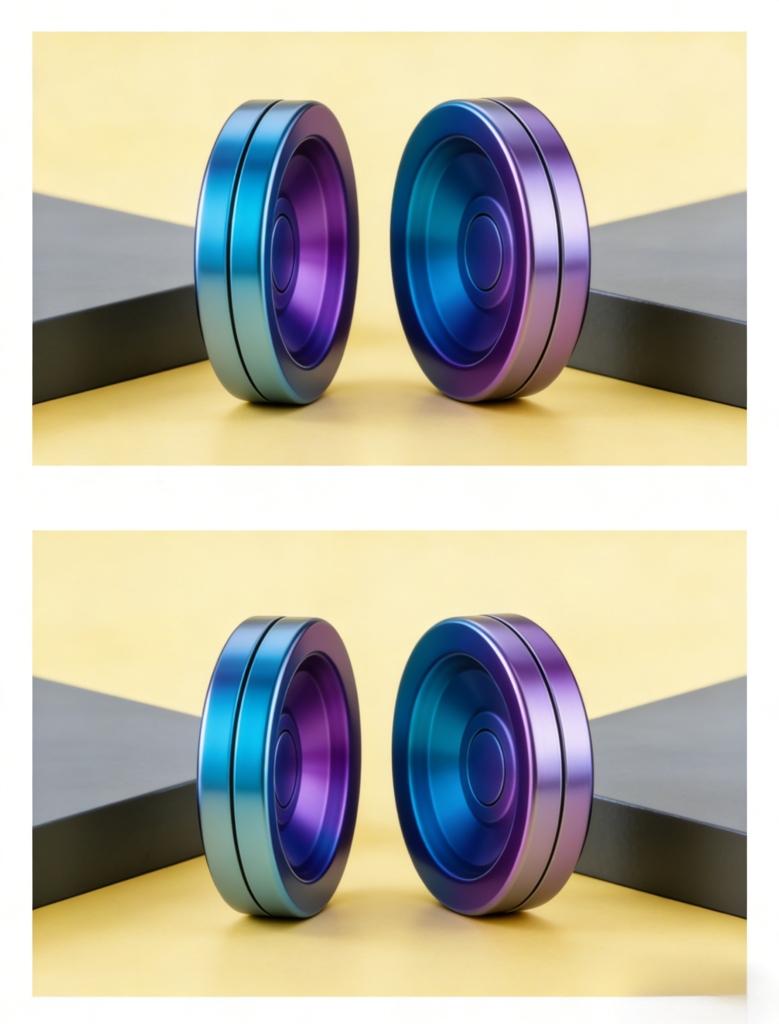
Surface Finishing Options:
Aluminum components can be finished in various ways:
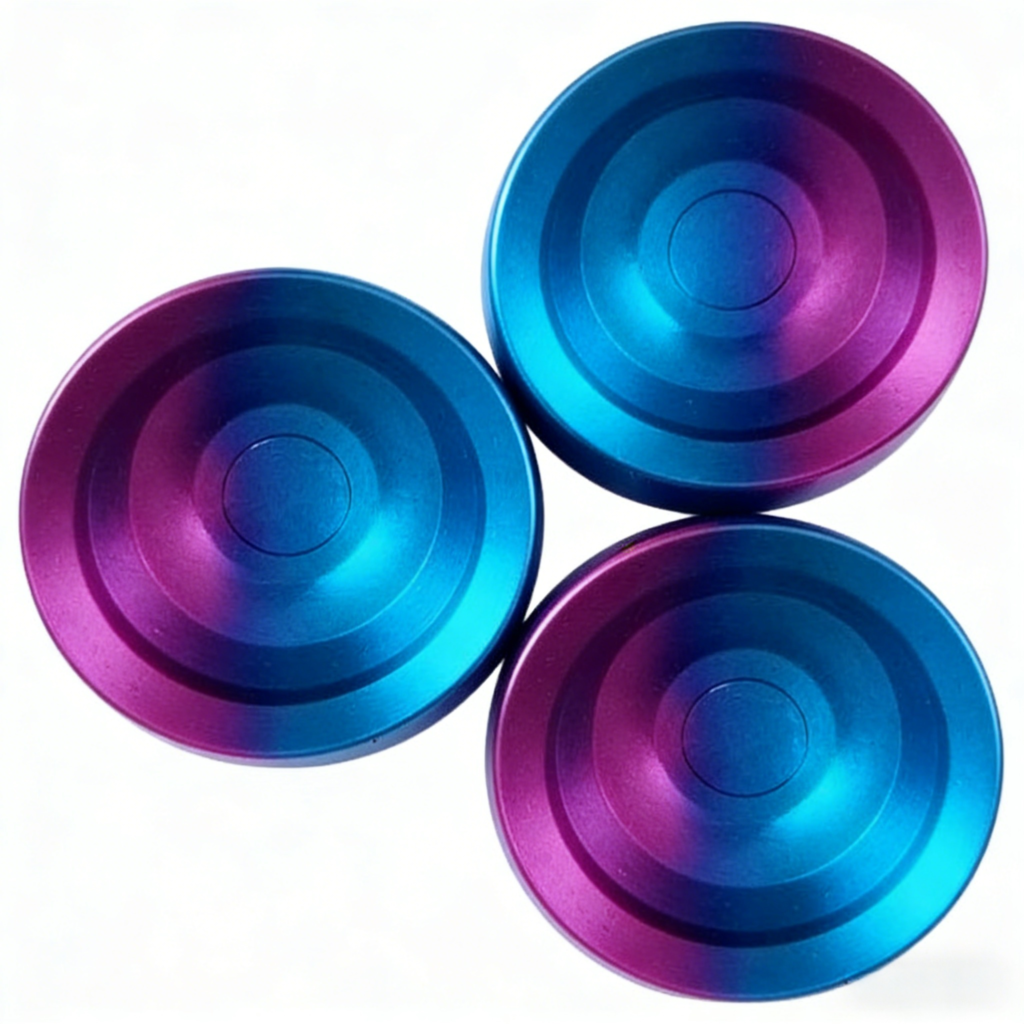
Anodizing: Electrochemical process that thickens the natural oxide layer. Provides excellent corrosion resistance and accepts dyes for color. Clear, black, and other colors available.
Powder Coating: Durable, decorative finish applied electrostatically and cured with heat. Wide color range. Excellent UV and chemical resistance.
Chemical Film (Alodine): Conversion coating that provides corrosion resistance and paint adhesion. Conductive option available.
Polishing: Mechanical process creating bright, reflective surface. Often followed by clear coating or anodizing.
Media Blasting: Creates uniform matte finish. Can be combined with anodizing.
As Machined: Economical finish with visible tool marks. Suitable for non cosmetic applications.
Common Failure Modes:
Understanding potential issues helps with preventive measures:
Corrosion: Galvanic corrosion when aluminum contacts dissimilar metals in wet environments. Use isolation washers or coatings.
Fatigue: Repeated cyclic loading can cause crack propagation. Use appropriate alloy and design for fatigue life.
Wear: Surface degradation from friction. Use hard anodizing or wear resistant alloys.
Stress Corrosion Cracking: Combination of tensile stress and corrosive environment. Avoid susceptible alloys and high residual stresses.
Future Trends:
Aluminum components continue to evolve with manufacturing technology:
Lightweighting: Advanced alloys and design optimization reduce weight while maintaining strength.
Additive Manufacturing: 3D printing of aluminum components for complex geometries and rapid prototyping.
Sustainable Production: Increased use of recycled aluminum and energy efficient manufacturing.
Advanced Coatings: New surface treatments for enhanced wear, corrosion, and friction properties.
Conclusion:
The aluminum component may appear to be a simple part, but its role in modern products and systems is profound. By combining light weight, strength, corrosion resistance, and design flexibility, this versatile material enables countless innovations across aerospace, automotive, electronics, medical, and industrial applications.
By understanding the alloys, manufacturing processes, and selection criteria outlined in this guide, you can confidently specify the right aluminum component for your application—whether a standard off the shelf product or a custom engineered solution.