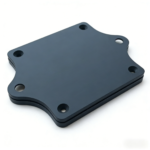
High Reliable 3 Thickness Grades Custom Adapter Plate Strict Tolerance Control for Zero Play Performance
Request a Quote
Enter the quantity you need and add to your quote list for pricing inquiries.
Product Details
High Reliable 3 Thickness Grades Custom Adapter Plate Strict Tolerance Control for Zero Play Performance
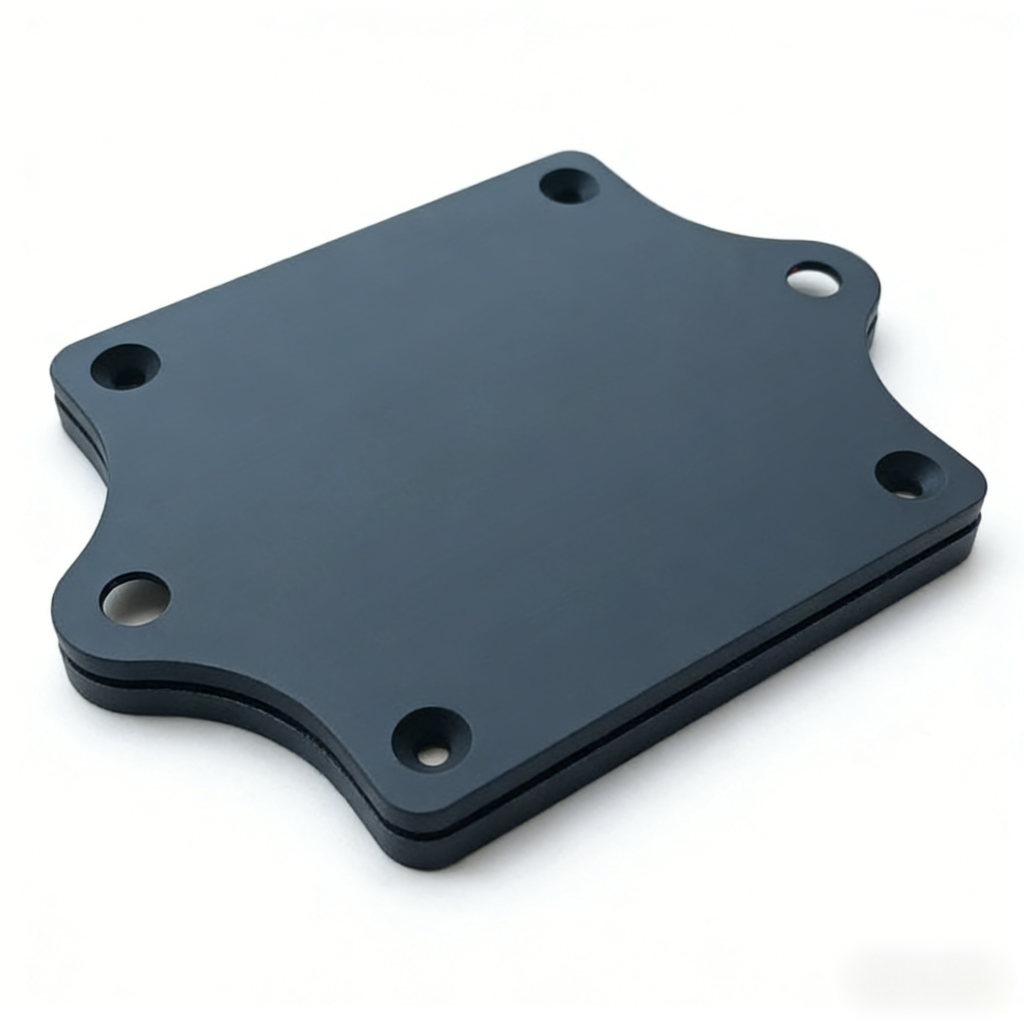
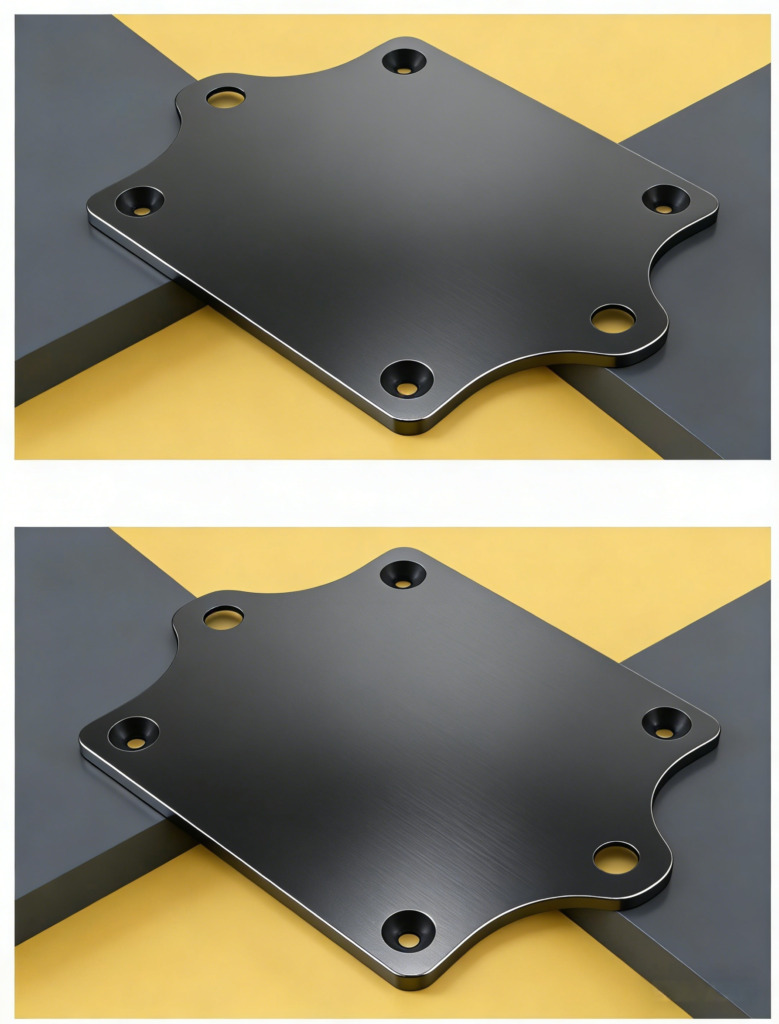
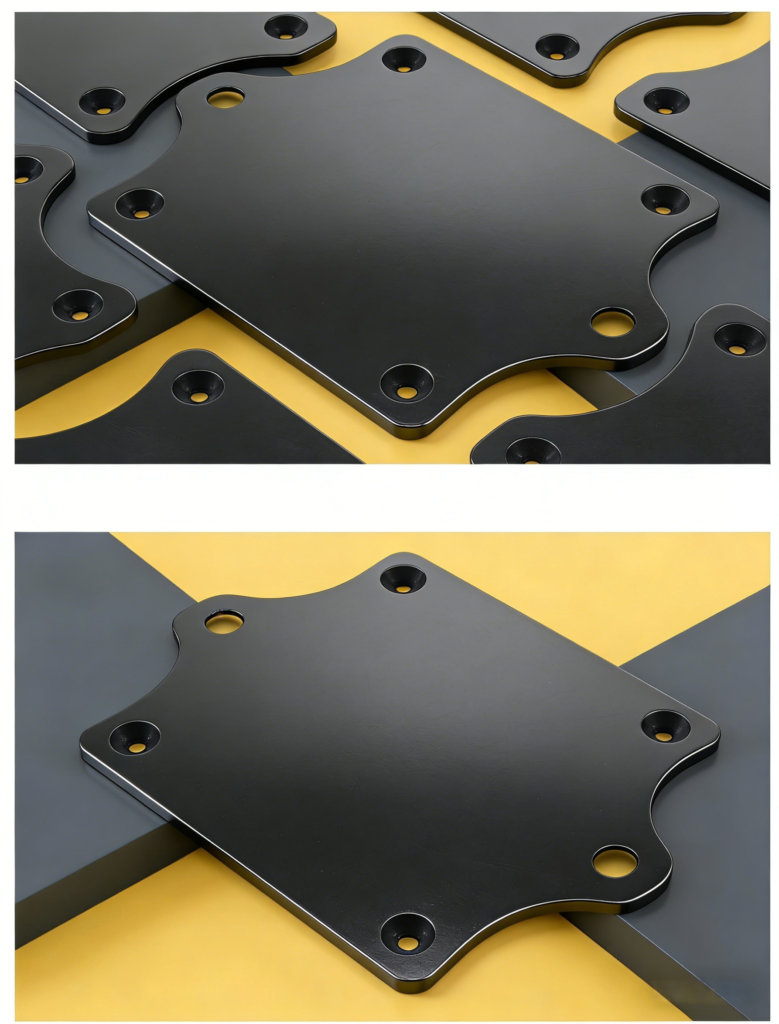
Precision-engineered adapter plate for seamless mounting conversion between different interfaces. Made from high-strength material for reliable industrial use. Fully customizable with ±0.02mm tolerance. Ideal for automation equipment, motor mounts, and modular system integrations. Available in multiple mounting hole patterns and surface finish options to suit diverse application requirements. Enhances installation flexibility while maintaining structural rigidity and alignment accuracy.
What Is an Adapter Plate?
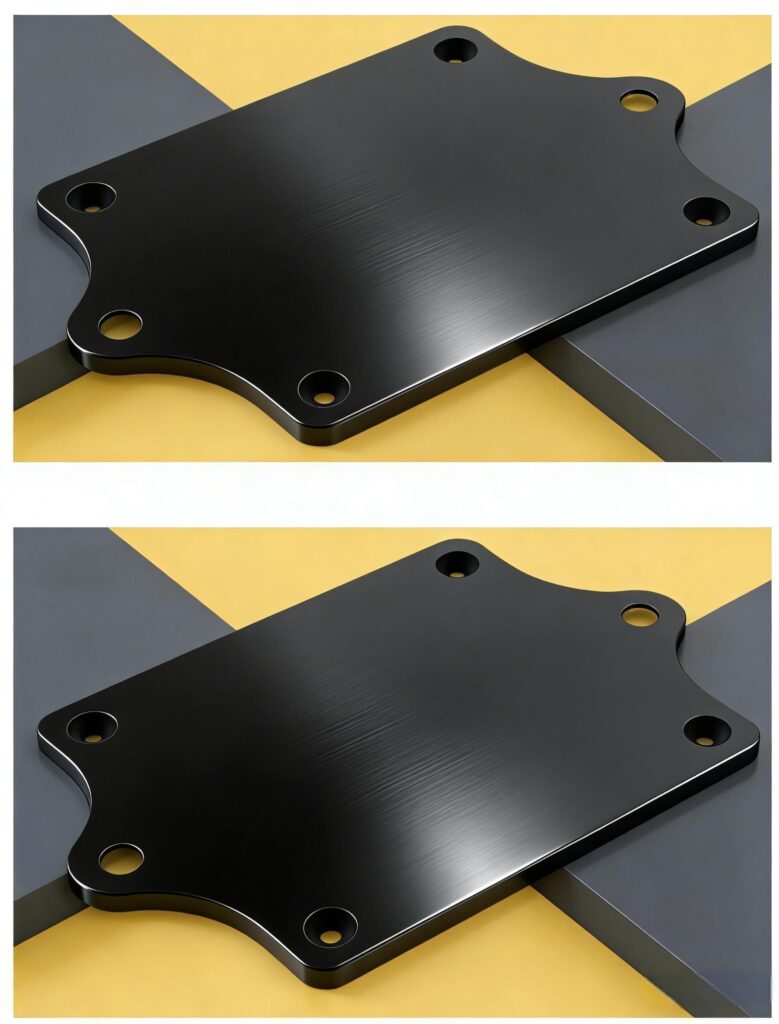
An adapter plate is a flat, precision-machined component used to connect two parts or assemblies with incompatible mounting interfaces. It features holes, threaded inserts, slots, or patterns on each face that match the respective components. By mounting between them, the plate translates one bolt pattern or geometry to another without modifying the original parts.
Adapter plates are widely used in automotive, industrial automation, robotics, aerospace, and HVAC systems. They enable flexibility, reduce custom machining costs, and simplify equipment integration.
Common Materials for Adapter Plates:
The choice of material directly affects strength, weight, corrosion resistance, and cost.
Aluminum:
Lightweight and corrosion-resistant, aluminum is ideal for applications where weight reduction matters. Alloys such as 6061-T6 offer good machinability and strength for most industrial and automotive uses.
Steel:
Carbon steel provides high strength and rigidity for heavy-load applications. It is commonly used in structural mounting, engine adapters, and industrial machinery. Zinc plating or powder coating adds corrosion protection.
Stainless Steel:
For harsh environments, stainless steel offers excellent corrosion and chemical resistance. It is preferred in food processing, marine, and medical applications where cleanliness and durability are critical.
Cast Iron:
Cast iron provides excellent vibration damping and rigidity, making it suitable for machine tool bases and heavy equipment mounting.
Plastic or Composite:
For lightweight, non-conductive, or low-load applications, engineered plastics like nylon, Delrin, or G10/FR4 offer a cost-effective solution.
Manufacturing Processes of Adapter Plates:
The precision of an adapter plate determines its performance. Common manufacturing methods include:
CNC Machining:
Computer-controlled milling and drilling ensure accurate hole placement, flatness, and surface finish. CNC machining is ideal for custom, low-to-medium volume production.
Laser Cutting:
For thin plates with simple geometries, laser cutting offers fast turnaround and low cost. It is commonly used for sheet metal adapter plates.
Waterjet Cutting:
Waterjet cutting handles thicker materials and does not create heat-affected zones, preserving material properties.
Stamping:
For high-volume production of simple designs, stamping provides consistent quality at low per-unit cost.
Key Advantages of Using Adapter Plates:
Adapter plates offer several benefits that make them indispensable in system integration:
Seamless Compatibility:
They resolve bolt pattern mismatches, allowing components from different brands or vintages to work together without modification.
Cost Savings:
Custom-machining expensive components is often avoided by using an affordable adapter plate.
Simplified Retrofitting:
Upgrading machinery with new motors, pumps, or controllers becomes straightforward with properly designed plates.
Reduced Downtime:
Pre-engineered plates speed up installation and replacement, minimizing equipment downtime.
Design Flexibility:
Engineers can prototype and iterate systems without committing to permanent modifications.
Vibration Isolation:
When combined with rubber or polyurethane bushings, adapter plates can dampen vibrations between connected components.
Key Applications Across Industries:
Automotive and Motorsports:
Adapter plates are common in engine swaps, transmission conversions, and brake system upgrades. For example, a plate may adapt a modern LS engine to an older vehicle’s transmission.
Industrial Automation:
Robotic arms, end effectors, linear actuators, and sensors often use adapter plates to mount to standardized tooling plates or machine frames.
Aerospace and Defense:
Adapter plates interface avionics, instrumentation, and structural components where strict tolerances and lightweight materials are required.
HVAC and Pump Systems:
Flange adapter plates connect pumps, motors, and compressors with mismatched bolt patterns or port configurations.
Marine and Offshore:
Corrosion-resistant stainless steel or aluminum plates mount navigation equipment, engines, and deck machinery.
Medical Equipment:
Adapter plates enable modular assembly of diagnostic devices, surgical robots, and imaging systems.
Renewable Energy:
Solar panel mounting systems and wind turbine components use adapter plates for structural attachment.
How to Select the Right Adapter Plate:
Choosing the appropriate adapter plate requires evaluation of several factors:
Load Requirements:
Consider static weight, dynamic forces, torque, and vibration. Steel or thick aluminum plates handle high loads; plastic suits light-duty applications.
Mounting Patterns:
Measure bolt hole diameters, spacing, and bolt circle diameters (BCD) on both components. The plate must accurately match both patterns.
Material and Environment:
Indoor industrial use may allow aluminum or steel. Outdoor, marine, or chemical environments require stainless steel or coated materials.
Thickness and Flatness:
Plate thickness must provide adequate strength without interfering with shaft lengths or bolt engagement. Flatness is critical for proper load distribution.
Tolerances:
Hole position tolerances typically range from ±0.1 mm to ±0.5 mm. Tight tolerances ensure easy assembly and proper alignment.
Corrosion Protection:
Specify anodizing, zinc plating, powder coating, or passivation based on environmental exposure.
Standard vs Custom Adapter Plates:
Standard Plates:
Pre-designed plates for common applications, such as NEMA motor mounts, servo motor adapters, or DIN rail brackets. They are cost-effective and readily available.
Custom Plates:
Designed for unique component combinations. Customization includes hole patterns, cutouts, counterbores, threaded holes, and special shapes. CNC machining offers unlimited design flexibility.
Installation Best Practices:
Proper installation ensures reliable performance:
- Clean Surfaces: Remove debris, oil, or old gasket material from all mating faces.
- Verify Alignment: Use dowel pins or shoulder bolts to ensure repeatable positioning.
- Use Correct Fasteners: Select bolts of proper grade, length, and thread engagement.
- Apply Torque Specs: Tighten fasteners in a crisscross pattern to even torque distribution.
- Check Runout: For rotating assemblies, verify concentricity and axial runout with a dial indicator.
Common Mistakes to Avoid:
- Ignoring Flatness: A warped plate causes uneven loading and bolt loosening.
- Oversized Holes: Excessive clearance reduces positioning accuracy.
- Wrong Material Selection: Using aluminum in high-wear or high-load applications may lead to premature failure.
- Incorrect Fastener Length: Bolts that are too short lack thread engagement; bolts that are too long may bottom out.
- No Corrosion Protection: Unprotected steel plates rust quickly in humid or outdoor environments.
Industry Trends and Innovations:
Lightweighting:
Aerospace and automotive demand for weight reduction drives the use of aluminum and composite adapter plates.
Modular Design:
Standardized bolt patterns and slot configurations allow adapter plates to serve multiple functions, reducing inventory.
Integrated Features:
Modern plates include cable routing channels, O-ring grooves for sealing, and integrated mounting bosses.
Digital Manufacturing:
Online configurators and instant quoting platforms enable rapid design and ordering of custom plates.
3D Printed Plates:
For prototypes or low-load applications, additively manufactured plates offer rapid iteration without tooling.
Conclusion:
The adapter plate is a small component with a big impact on system integration. Whether adapting a new motor to an old machine, mounting a sensor to a robotic arm, or completing an engine swap, the right plate ensures compatibility, reduces cost, and simplifies assembly. By carefully selecting material, thickness, tolerances, and finish, engineers can achieve reliable, long-lasting connections. With the growing availability of custom CNC machining services, obtaining precision adapter plates for any application has never been easier.