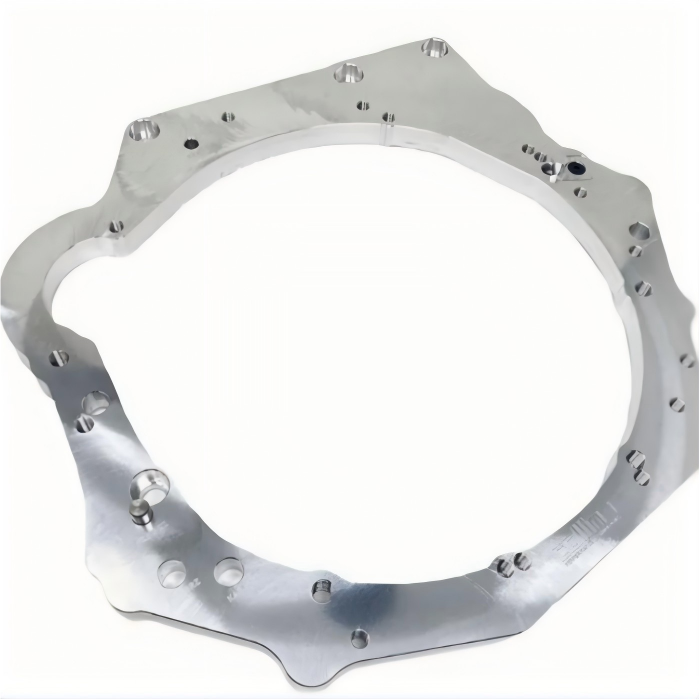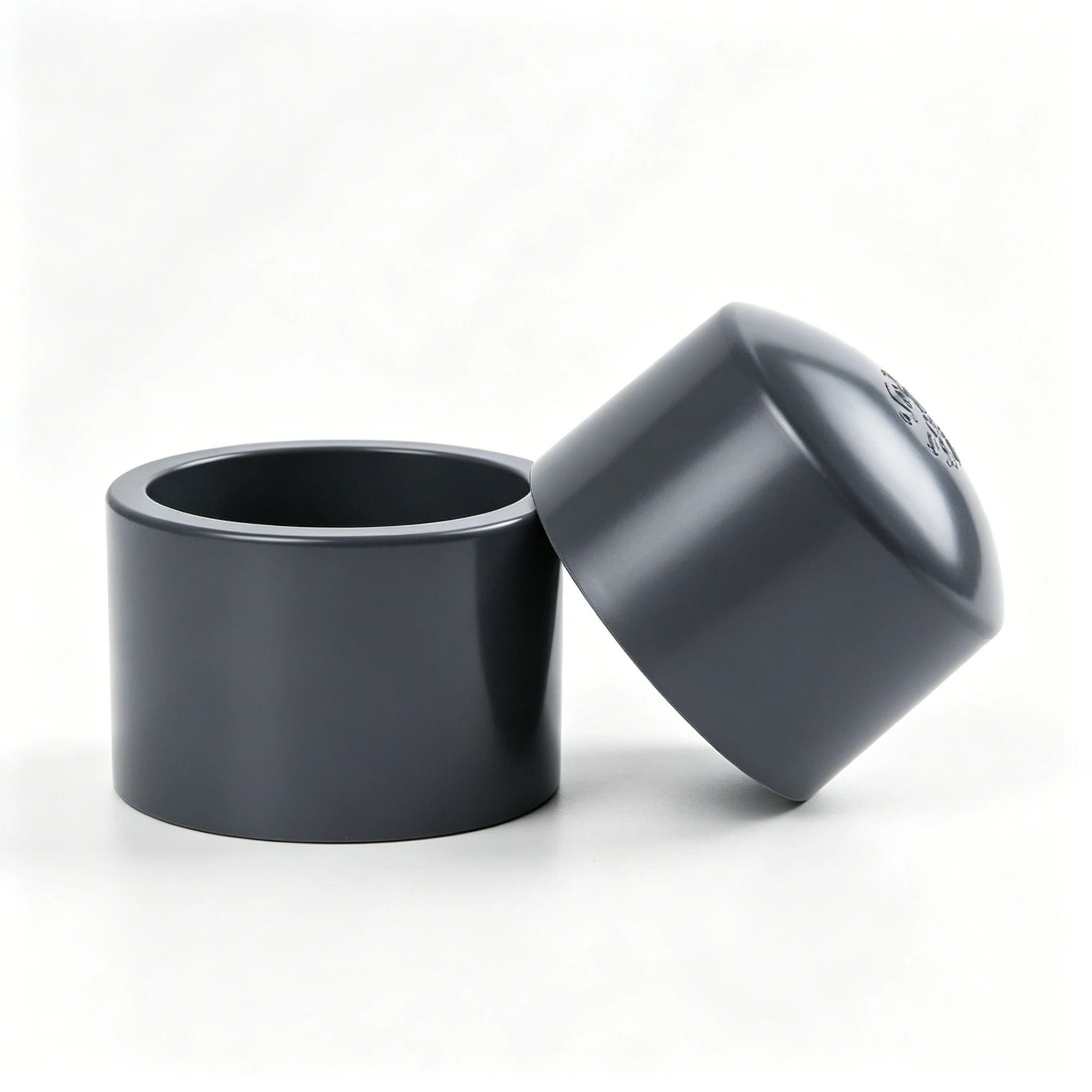
Precision CNC Machined Enclosure With Reliable Aluminum Enclosure CNC Machining Parts For Automotive Applications
Request a Quote
Enter the quantity you need and add to your quote list for pricing inquiries.
Product Details
CNC Machined Enclosure Overview:
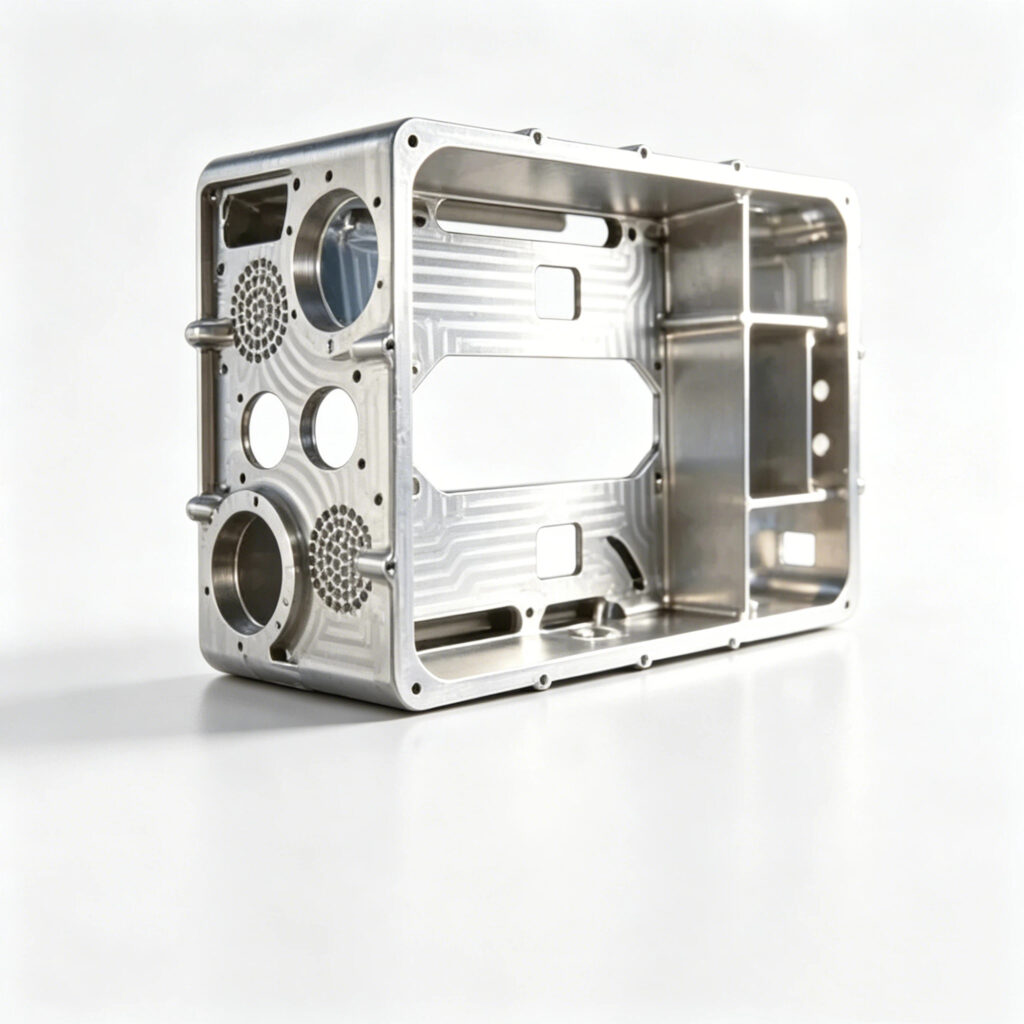
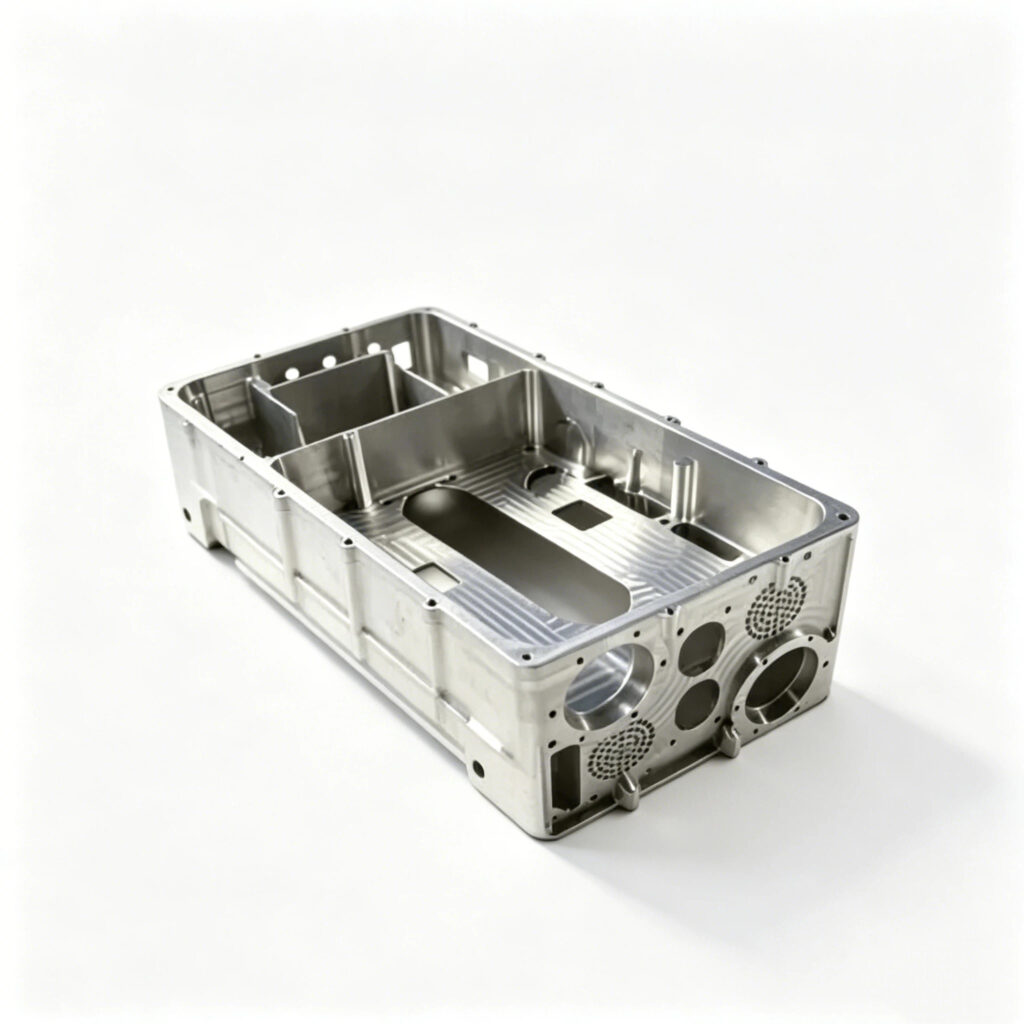
A CNC machined enclosure is a precision-engineered housing manufactured through computer numerical control milling and turning processes, designed to protect electronic, mechanical, or industrial components. It provides structural integrity, dimensional accuracy, and environmental shielding for demanding industrial applications such as automation systems, instrumentation, and control units.
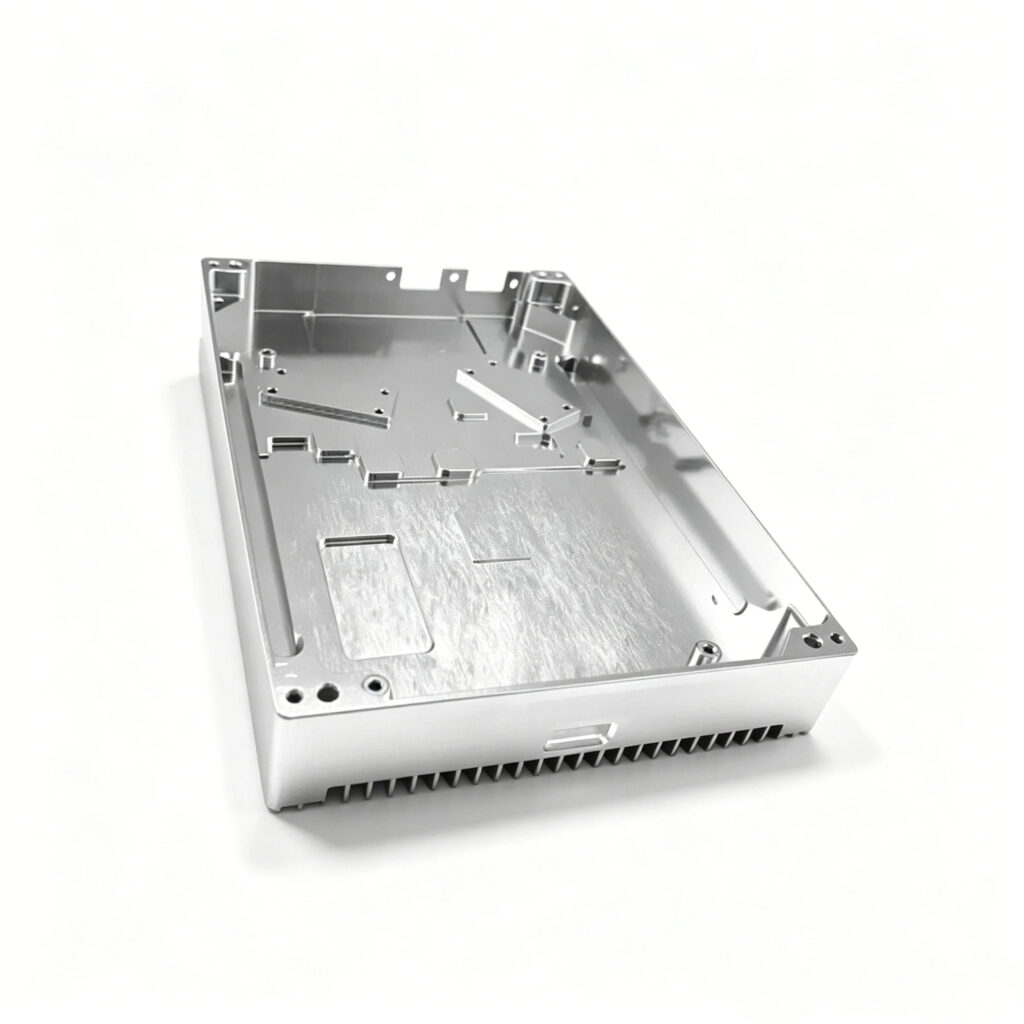
What materials are used for CNC machined enclosure?
CNC machined enclosures are commonly produced from high-performance metals and engineering plastics depending on application requirements. Aluminum alloys (such as 6061 and 7075) are widely used due to their excellent strength-to-weight ratio and corrosion resistance. Stainless steel is selected for harsh environments requiring higher durability and chemical resistance. Mild steel may be used for cost-sensitive structural applications, while engineering plastics such as polycarbonate or ABS are applied in lightweight or non-conductive enclosure designs. Material selection is typically driven by thermal management, mechanical load, and environmental exposure requirements.
CNC machined enclosure surface finishing:
Surface finishing enhances both performance and durability of CNC machined enclosures. Common finishing processes include anodizing (Type II and Type III hard anodizing) for aluminum, powder coating for corrosion resistance and aesthetic uniformity, and bead blasting for surface texture consistency. Stainless steel enclosures may undergo passivation or brushing to improve corrosion resistance. Additional treatments such as electroplating or laser engraving are used for branding, labeling, or functional marking requirements in industrial environments.
Application:
CNC machined enclosures are widely applied in industrial automation systems, electronic control panels, aerospace instrumentation, automotive electronic modules, medical diagnostic equipment, telecommunications infrastructure, and energy storage systems. They are also used in robotics, CNC machine controls, and outdoor IoT monitoring devices requiring high environmental protection and structural precision.
Product advantages:
CNC machined enclosures offer extremely tight tolerances, ensuring precise fitment of internal components. They provide excellent mechanical strength, vibration resistance, and thermal stability under continuous operation. Compared with stamped or die-cast housings, CNC machining enables flexible customization, rapid prototyping, and high design complexity. The process also ensures consistent repeatability for medium to low production volumes, making it highly suitable for industrial-grade applications requiring reliability and accuracy.
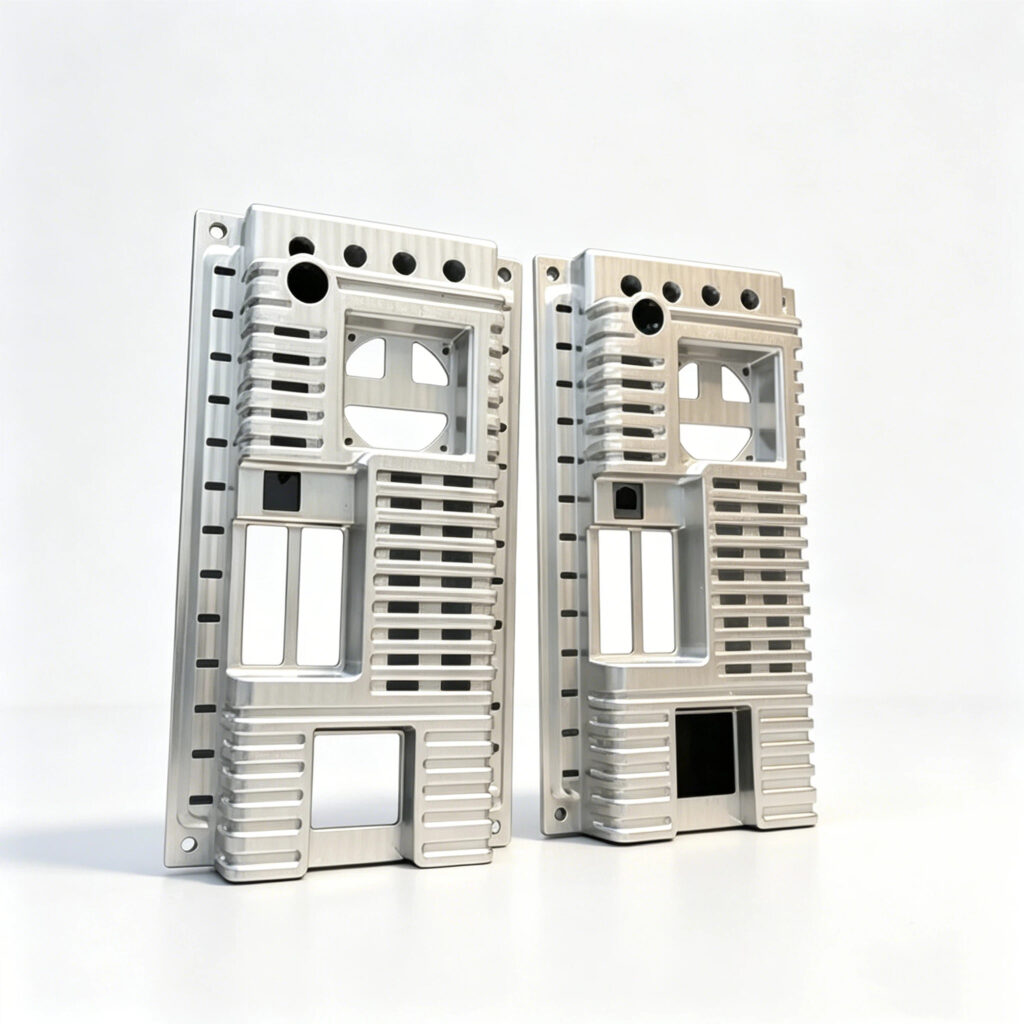
Case study: CNC machined enclosure for industrial control system
A North American automation equipment manufacturer required a robust enclosure for a PLC-based industrial control system operating in a high-vibration manufacturing environment. The initial design used a standard die-cast aluminum housing, which showed limitations in dimensional consistency and mounting alignment during system integration. After evaluation, a custom CNC machined aluminum enclosure (6061-T6) was selected to improve structural precision and assembly compatibility. The enclosure featured integrated internal mounting bosses, CNC-machined sealing grooves, and optimized wall thickness for heat dissipation. Surface treatment included black anodizing for corrosion resistance and industrial appearance consistency. After implementation, assembly alignment issues were significantly reduced, and internal component installation efficiency improved, resulting in smoother system integration and improved field reliability under continuous operation conditions.
Why choose us?
We specialize in precision CNC machining for industrial-grade enclosures with controlled tolerances and repeatable manufacturing processes. Our engineering team supports full DFM (Design for Manufacturability) analysis to optimize structure, weight, and assembly efficiency. We provide flexible production from prototypes to mid-volume manufacturing, ensuring stable lead times and consistent quality control. Each enclosure is inspected under dimensional and surface quality standards aligned with industrial procurement requirements.
FAQ:
1. What tolerance can CNC machined enclosures achieve?
Typical CNC machining tolerances range within ±0.01 mm to ±0.05 mm depending on part geometry, material, and machining complexity. Critical dimensions can be further controlled through secondary finishing and inspection processes to ensure proper fit and assembly accuracy.
2. Can CNC machined enclosures be customized for specific equipment?
Yes. CNC machining supports full customization including mounting features, internal partitions, sealing grooves, connector cutouts, and branding engravings. This flexibility makes it suitable for OEM and industrial integration applications.
3. What industries commonly use CNC machined enclosures?
They are widely used in automation, electronics, aerospace, medical devices, energy systems, and industrial control equipment. These industries require high precision, reliability, and environmental protection.
4. How does CNC machining compare to die casting for enclosures?
CNC machining provides higher dimensional accuracy, better surface quality, and greater design flexibility compared to die casting. It is especially advantageous for low-to-medium volume production and complex geometries requiring tight tolerances.