
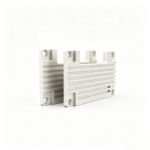
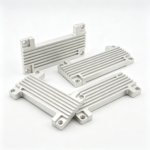
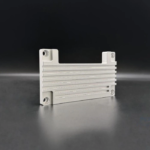
Compact Reliable Cooling Plate Electric 8mm Height Low Profile Liquid Cooler for Power Module
Request a Quote
Enter the quantity you need and add to your quote list for pricing inquiries.
Product Details
A Cooling Plate Electric is a thermal management device that actively or passively dissipates heat from electronic components such as IGBTs, MOSFETs, power modules, LEDs, and batteries. It typically integrates liquid cooling channels or is paired with a fan for forced convection. A Cooling Plate Electric is manufactured from aluminum or copper via extrusion, CNC machining, or brazing. Available in custom sizes, channel configurations, and thicknesses from 2mm to 20mm. Features include high thermal conductivity, low thermal resistance, and sealed leak-proof designs. A Cooling Plate Electric is suitable for electric vehicle batteries, inverters, power supplies, laser diodes, and industrial drives. Custom Cooling Plates Electric are available with specific flow rates, pressure drop requirements, and mounting hole patterns.
What Is a Cooling Plate Electric?
A cooling plate electric is a flat, thermally conductive device that removes heat from electronic components through conduction to an integrated liquid coolant channel or directly to ambient air. Unlike a simple heat sink, it can be liquid-cooled for high-power applications or fan-cooled for medium-power applications. It is typically mounted directly to heat-generating components using thermal interface material.
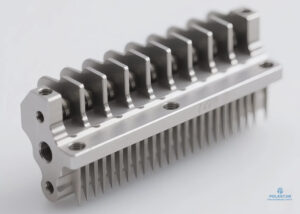
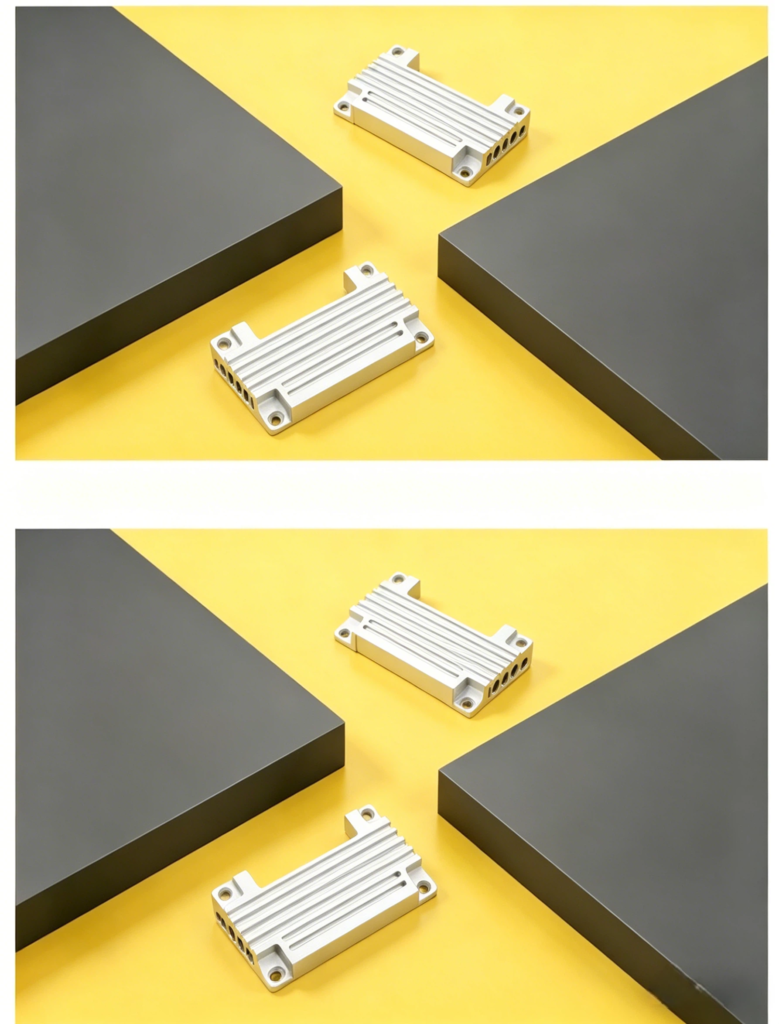
It is characterized by its flat mounting surface, integrated flow channels (for liquid versions), and high thermal conductivity. Typical features include a smooth, flat mounting surface for component attachment, internal liquid channels for coolant flow, inlet and outlet ports for hose connections (liquid type), fin arrays for air cooling (passive type), and threaded inserts or mounting holes for secure attachment. Thicknesses typically range from 2mm to 20mm, with custom sizes available. It prevents overheating, extends component life, and enables higher power densities.
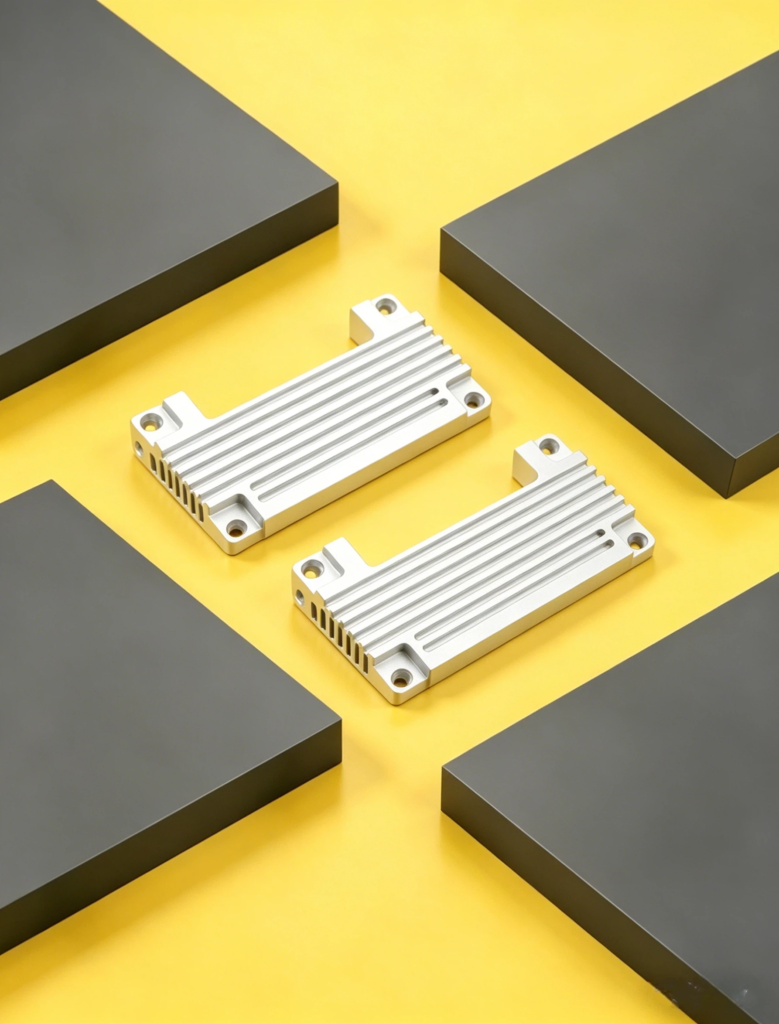
How Cooling Plate Electric Works:
The cooling plate electric operates on the principle of conduction and convection. Heat generated by electronic components conducts through the thermal interface material into the cooling plate base. For liquid-cooled versions, heat then transfers to the coolant flowing through internal channels. The coolant carries heat away to a remote radiator. For air-cooled versions, heat transfers to fin surfaces and dissipates into the ambient air, either by natural convection or forced airflow from a fan.
The cooling capacity of a cooling plate electric depends on flow rate, coolant temperature, channel geometry, and base material thermal conductivity. Advanced designs use turbulators or pin fins to enhance heat transfer.
Common Materials for Cooling Plate Electric:
Aluminum is the most common material for cooling plate electric production. Alloys 6061 and 6063 offer good thermal conductivity (200-220 W/m·K), lightweight construction, excellent machinability, and corrosion resistance. Suitable for most applications including EV batteries, inverters, and power supplies.
Copper provides superior thermal conductivity (approximately 400 W/m·K). Offers better heat spreading than aluminum. Heavier and more expensive. Suitable for high-power-density applications like laser diodes and high-end IGBT modules.
Aluminum-Copper Hybrid combines copper base for heat spreading with aluminum body for weight reduction. Suitable for applications requiring both high performance and reasonable weight.
Manufacturing Processes:
Extruded Cooling Plate features linear cooling channels created during extrusion. Most cost-effective for high-volume production. Suitable for applications with straight flow paths.
CNC Machined Cooling Plate has custom channels machined from solid billet. Allows complex channel geometries including serpentine and multi-pass designs. Suitable for prototypes and custom applications.
Brazed Cooling Plate is made by brazing a stamped channel plate to a base plate. Allows complex internal flow paths. Suitable for high-volume, high-performance applications.
Folded Fin Cooling Plate uses corrugated fins brazed between two plates. Highest surface area for compact designs. Suitable for aerospace and high-end electronics.
Types of Cooling Plate Electric:
Liquid Cooling Plate:
A cooling plate electric with internal channels for liquid coolant (water-glycol or dielectric fluid). Highest cooling capacity. Suitable for EV batteries, inverters, and high-power IGBTs.
Air Cooling Plate:
A cooling plate electric with integrated fins for air cooling. Lower cooling capacity than liquid type. Suitable for lower power applications or where liquid cooling is impractical.
Active Cooling Plate:
A cooling plate electric with integrated fan or thermoelectric cooler. Provides cooling independent of system airflow. Suitable for enclosed electronics.
Passive Cooling Plate:
A cooling plate electric relying on natural convection or conduction to a chassis. No moving parts. Suitable for low-power, low-cost applications.
Applications Across Industries:
Electric Vehicle Batteries:
Cooling plate electric is placed between battery cells or under battery modules to remove heat during fast charging and high-current discharge. Maintains cell temperature for safety and longevity.
EV Inverters and Converters:
Cooling plate electric mounts under power modules to dissipate heat from IGBTs and MOSFETs. Enables higher current output without overheating.
Industrial Drives:
Cooling plate electric cools power electronics in variable frequency drives and servo amplifiers. Improves reliability in continuous operation.
Power Supplies:
Cooling plate electric removes heat from switching transistors and diodes in high-power AC-DC and DC-DC converters.
Laser Diodes:
Cooling plate electric stabilizes laser diode temperature for consistent wavelength and output power. Copper plates provide rapid heat removal.
LED Lighting:
Cooling plate electric cools high-power LED arrays in stadium lights, automotive headlamps, and grow lights.
Excellent Case: EV Battery Pack Cooling
Background: An electric vehicle manufacturer needed to keep 400V battery cells below 40°C during fast charging. Without cooling, cells exceeded 55°C, reducing life and triggering thermal derating.
Solution: A cooling plate electric was designed using 6061 aluminum with 6mm thickness. The plate featured a serpentine channel with 8mm width and 4 passes. Coolant flowed at 10 LPM with 50/50 water-glycol.
Results:
- Cell Temperature: Maintained at 35°C during 2C charging
- Temperature Uniformity: ±2°C across all cells
- Thermal Resistance: 0.05°C/W at 10 LPM flow
- Pressure Drop: 1.2 psi within pump capability
- Reliability: 0 cooling-related failures after 100,000 miles
This case demonstrates how the cooling plate electric enables fast charging and extends battery life in electric vehicles.
Installation Best Practices:
Proper installation ensures the cooling plate electric performs reliably. Use thermal interface material between components and plate. Apply uniform mounting pressure to avoid component damage. For liquid plates, use quick-connect fittings for easy service. Purge air from coolant loops to prevent flow restriction. Monitor inlet temperature and flow rate during operation.
Conclusion:
The cooling plate electric represents a critical enabler for high-power electronics, providing efficient thermal management that ensures reliability, performance, and longevity. By understanding the types, materials, and selection criteria outlined in this guide, the right cooling plate electric can be selected for any application—from electric vehicle batteries to industrial