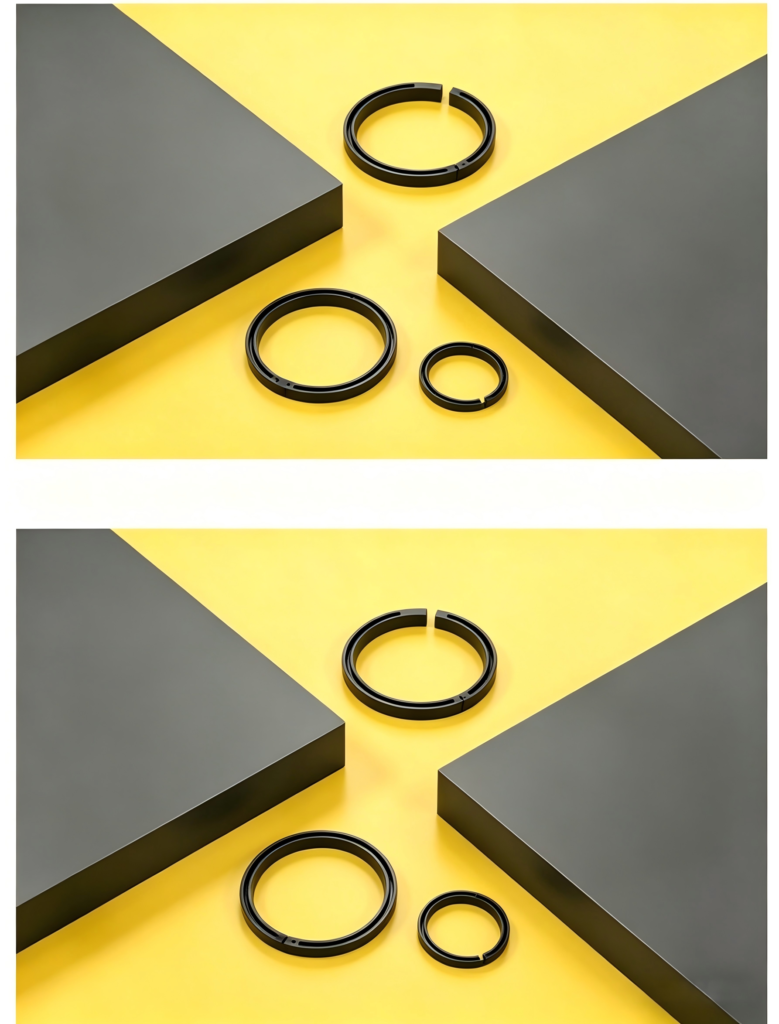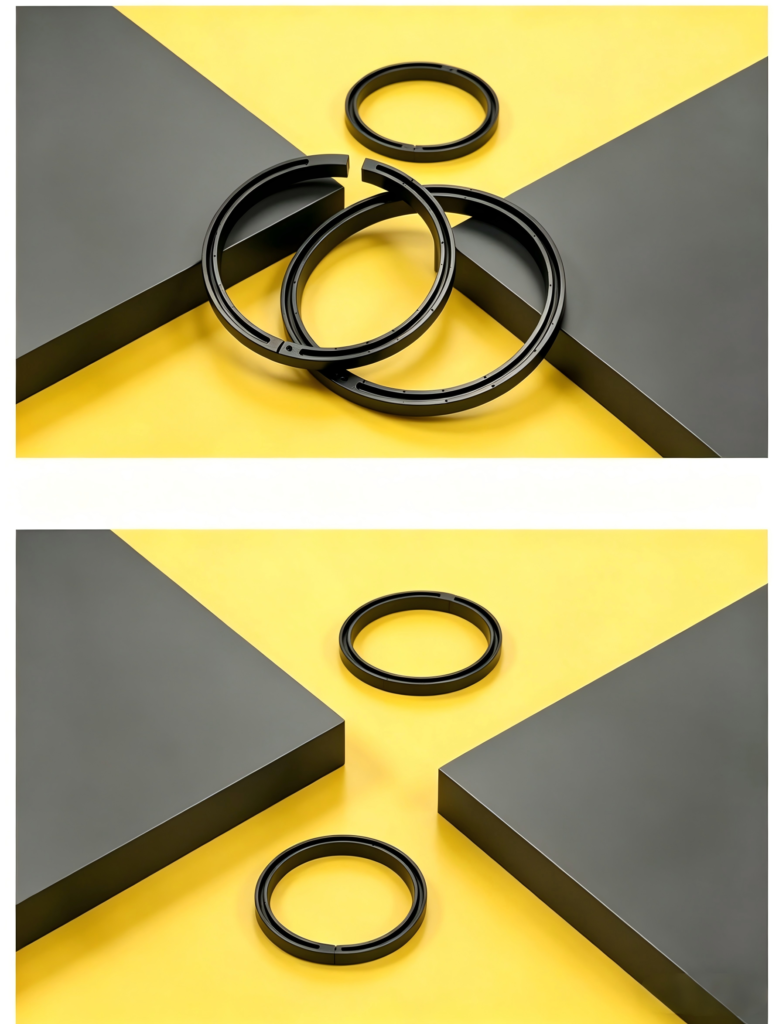
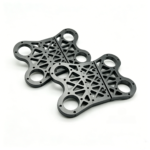
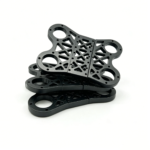
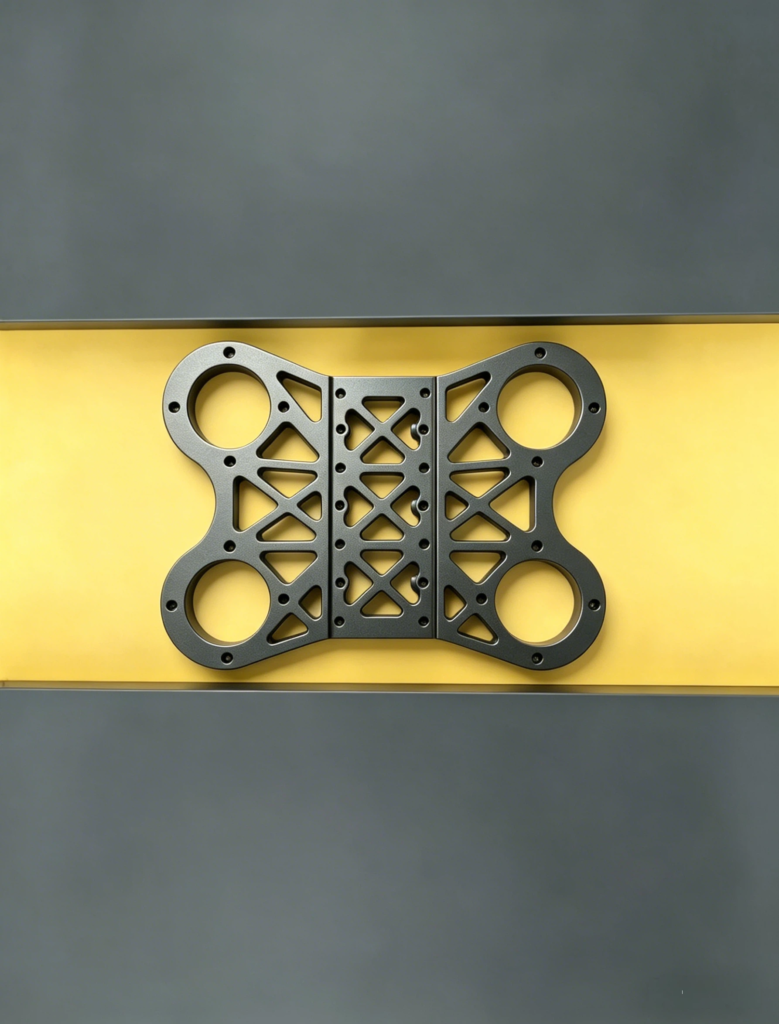
Custom-made Reliable Lightweight CNC Aluminum Plate 6mm Thickness 5052 Aluminum Milling Plate
Request a Quote
Enter the quantity you need and add to your quote list for pricing inquiries.
Product Details
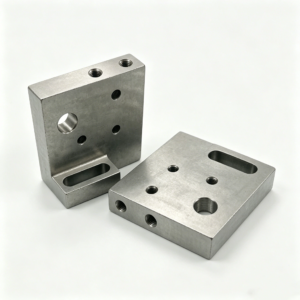
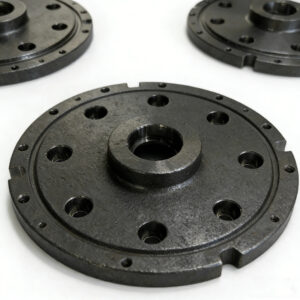
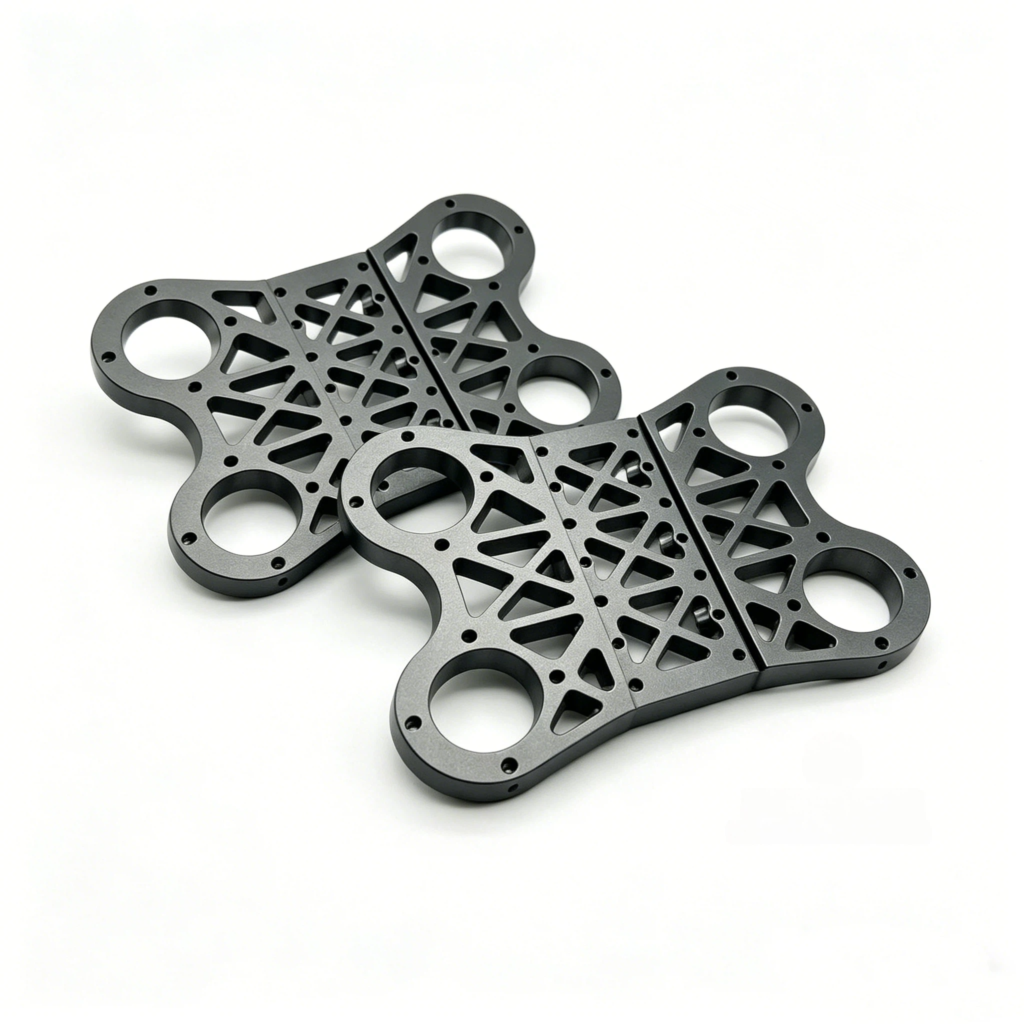
A CNC aluminum plate is a precision machined flat sheet or block of aluminum, cut and finished using computer-controlled milling equipment. It offers tight tolerances, smooth surfaces, and consistent flatness for industrial and engineering applications. Manufactured from 6061, 7075, 5052, 5083, or 2024 aluminum. Available in custom thicknesses from 1mm to 100mm, sizes up to 2000mm x 1000mm, and various finishes including mill finish, anodized, and powder coated. Features include ±0.05mm tolerance, excellent machinability, and high strength-to-weight ratio. Suitable for aerospace parts, automotive components, electronic enclosures, machine bases, jigs, and fixtures. Custom plates available with drilled holes, counterbores, and edge profiling.
What Is a CNC Aluminum Plate?
A CNC aluminum plate is a flat aluminum workpiece that has been machined on computer numerical control equipment to achieve precise dimensions, flatness, and surface finish. Unlike standard aluminum sheet, the CNC aluminum plate undergoes milling, facing, or grinding operations to meet exact customer specifications for thickness, parallelism, and surface quality.
The CNC aluminum plate is characterized by its tight dimensional tolerances, machined surfaces, and consistent flatness. Typical features include thickness tolerance of ±0.05mm or better, surface finish of Ra 1.6μm or smoother, parallel top and bottom surfaces, and edges that are cut square to the face. Thicknesses typically range from 1mm to 100mm, with plate sizes up to 2000mm x 1000mm. The CNC aluminum plate serves as the foundation for jigs, fixtures, machine bases, and precision components across countless industries.
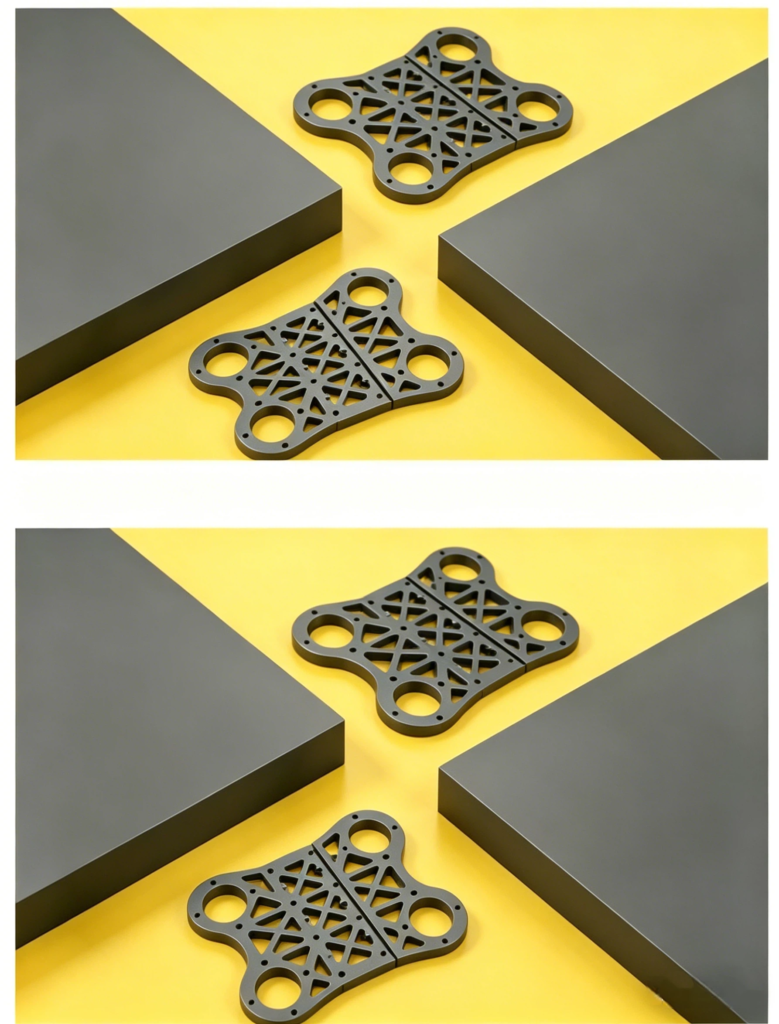
Common Aluminum Alloys for CNC Aluminum Plate:
6061 Aluminum is the most widely used alloy for CNC aluminum plate production. It offers excellent machinability, good strength, superior corrosion resistance, and weldability. Suitable for general purpose machining, jigs, fixtures, machine bases, and structural components.
7075 Aluminum provides the highest strength among common aluminum alloys, comparable to many steels. Offers excellent strength-to-weight ratio for demanding applications. Suitable for aerospace components, high-stress parts, and performance-critical applications.
5052 Aluminum offers excellent corrosion resistance, good formability, and moderate strength. Suitable for marine components, fuel tanks, and sheet metal applications.
5083 Aluminum provides superior corrosion resistance, especially in marine and saltwater environments. Excellent for marine components, cryogenic applications, and welded structures.
2024 Aluminum offers high strength and excellent fatigue resistance. Suitable for aircraft structures, wing tension members, and high-cycle applications.
MIC6 Cast Aluminum provides exceptional flatness and stability for tooling plates. Stress-relieved and warp-resistant. Ideal for CNC router tables, inspection plates, and fixture bases.
Manufacturing Process:
The production of a CNC aluminum plate follows a precise sequence. Raw aluminum plate is selected from mill stock. The plate is rough cut to approximate size. CNC milling machines face both sides to achieve parallel surfaces. The plate is machined to final thickness with multiple light passes. Edge profiling creates square or radiused edges. Holes are drilled, counterbored, or countersunk as required. Surface finishing including anodizing or powder coating is applied. Each CNC aluminum plate undergoes dimensional inspection, flatness verification, and surface finish measurement.
Surface Finishes:
Mill Finish is the raw surface as received from the mill. Economical option for non-cosmetic applications where surface appearance is not critical.
Anodized Finish provides hard, corrosion-resistant coating for CNC aluminum plate. Available in clear or black. Protects against wear and oxidation.
Powder Coated Finish offers durable, decorative coating. Wide color range available. Ideal for visible components requiring color matching.
Bead Blasted Finish creates uniform matte surface. Removes tool marks and prepares surface for anodizing.
Precision Ground Finish achieves extremely tight flatness and surface finish. Used for tooling plates and inspection surfaces.
Specifications:
| Parameter | Typical Range |
| Thickness | 1mm to 100mm |
| Width | Up to 2000mm |
| Length | Up to 1000mm |
| Thickness Tolerance | ±0.05mm to ±0.1mm |
| Flatness | 0.1mm per 300mm |
| Surface Finish | Ra 0.8μm to Ra 3.2μm |
| Alloy | 6061, 7075, 5052, 5083, 2024, MIC6 |
Applications Across Industries:
Aerospace:
CNC aluminum plate is machined into aircraft components, avionics housings, and structural brackets. 7075 alloy provides high strength-to-weight ratio critical for flight.
Automotive:
CNC aluminum plate is used for prototype parts, racing components, and custom brackets. Lightweight construction improves vehicle performance.
Electronics:
CNC aluminum plate serves as heat sinks, enclosures, and chassis plates. Thermal conductivity dissipates heat from electronic components.
Industrial Machinery:
CNC aluminum plate forms machine bases, mounting plates, and fixture tables. Flat, rigid surface ensures accurate machine operation.
Medical Devices:
CNC aluminum plate is machined into surgical instrument components and diagnostic equipment frames. Corrosion-resistant finishes meet sanitary requirements.
Tooling and Fixtures:
CNC aluminum plate is the standard material for jigs, fixtures, and workholding devices. Easy to machine and modify.
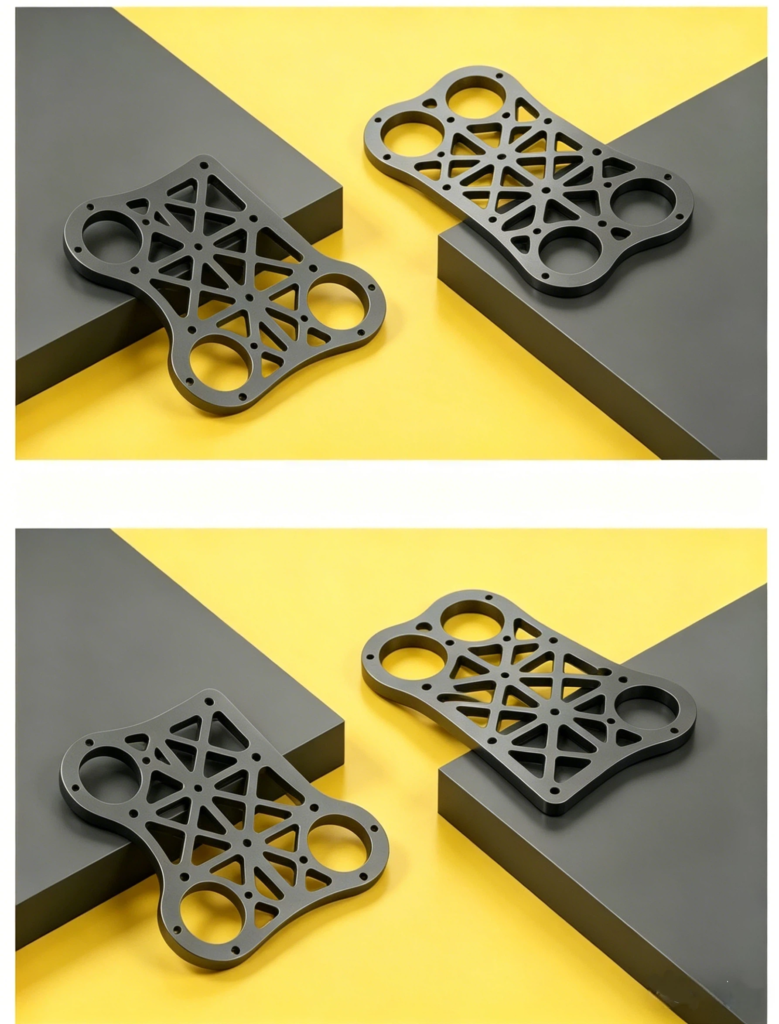
Excellent Case: CNC Router Table
Background: A CNC router manufacturer needed a flat, stable table surface for a large-format router. Standard aluminum sheet warped under load and lacked flatness.
Solution: A CNC aluminum plate was specified using 25mm thick MIC6 cast tooling plate. The plate was surface ground to ±0.05mm flatness and drilled with an array of threaded holes for workholding.
Results:
- Flatness: Maintained 0.1mm over 1200mm length
- Stability: No warping after 2 years of use
- Machinability: Tapped holes held threads through repeated use
- Weight: 40 percent lighter than steel equivalent
- Cost: 50 percent lower than custom cast iron table
This case demonstrates how the CNC aluminum plate provides an optimal machine table surface.
How to Select the Right CNC Aluminum Plate:
Choosing the appropriate CNC aluminum plate requires consideration of alloy based on strength, corrosion, and machinability needs. Thickness must be adequate for the load and span. Flatness tolerance must match application requirements. Surface finish affects corrosion resistance and appearance. Size must accommodate the machined part with material for clamping.
Quality Considerations:
Quality CNC aluminum plate undergoes material certification verifying alloy composition and temper. Dimensional inspection confirms thickness, length, and width. Flatness measurement using surface plate and indicator. Surface finish measurement using profilometer.
Conclusion:
The CNC aluminum plate represents a fundamental material for precision machining, tooling, and component manufacturing. By offering tight tolerances, excellent machinability, and consistent flatness, it enables accurate, reliable production across aerospace, automotive, electronics, and industrial applications. By understanding the alloys, specifications, and selection criteria outlined in this guide, the right CNC aluminum plate can be selected for any application.