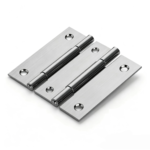
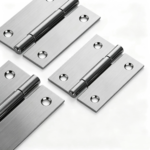
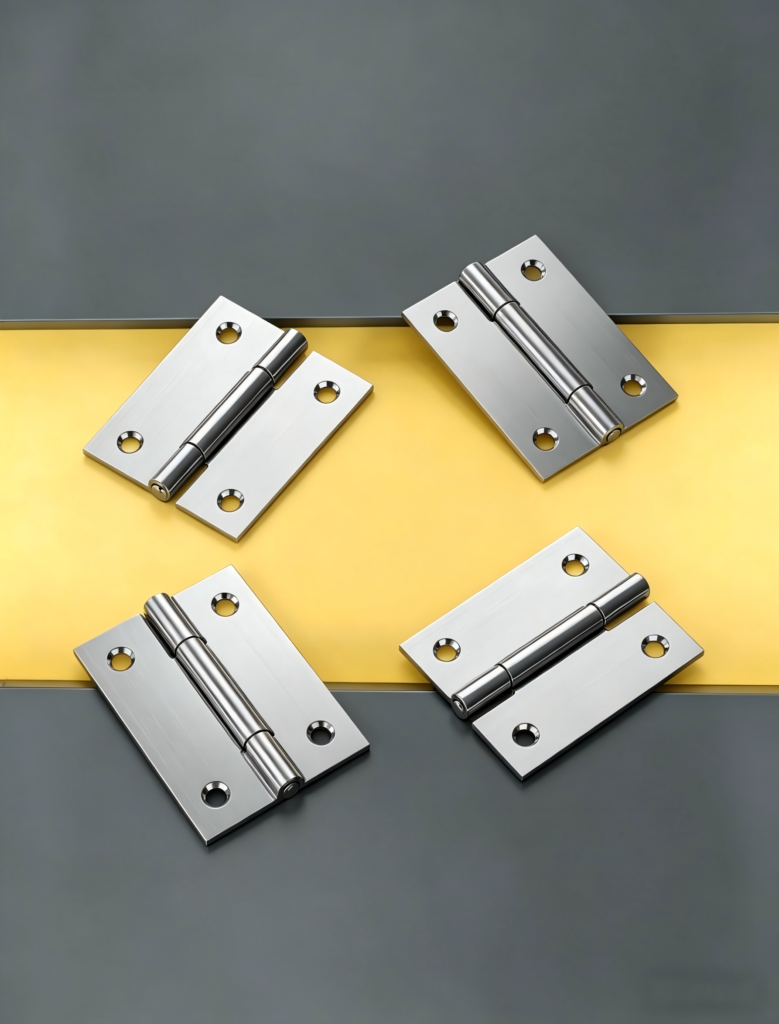
Beauty Rust Resistant Butt Hinge Cabinet 4 Inch Height 316 Stainless Steel Hinge
Request a Quote
Enter the quantity you need and add to your quote list for pricing inquiries.
Product Details
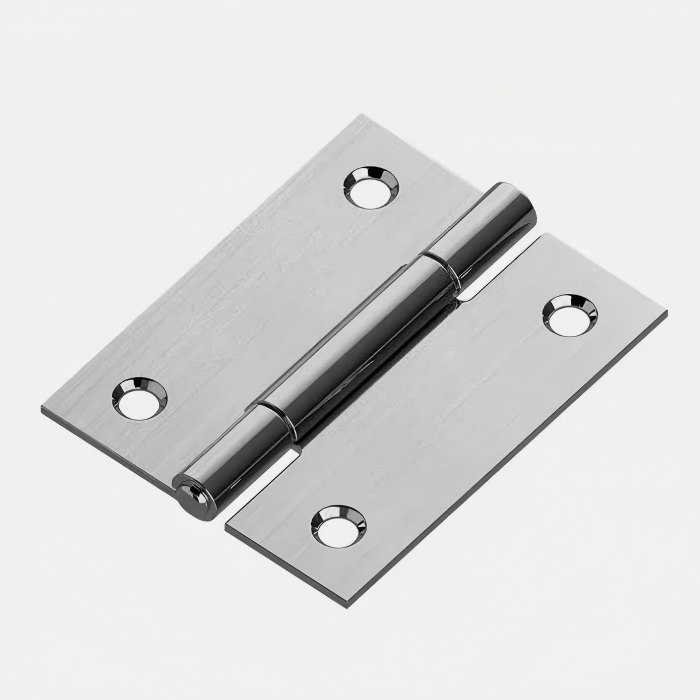
A butt hinge cabinet is a surface-mounted hinge consisting of two rectangular leaves joined by a central pin, designed for cabinet doors that mount flush with the frame. It provides smooth, durable operation for inset cabinet doors. Manufactured from steel, stainless steel, brass, or zinc alloy. Available in custom sizes from 2 to 6 inches in height, thicknesses from 1mm to 3mm, and finishes including polished brass, satin nickel, black powder coat, and antique bronze. Features include removable pins for easy door removal, ball bearing or plain bearing options, and corrosion resistant coatings. Suitable for kitchen cabinets, bathroom vanities, furniture, and commercial millwork. Custom hinges available with specific hole patterns and corner styles.
What Is a Butt Hinge Cabinet?
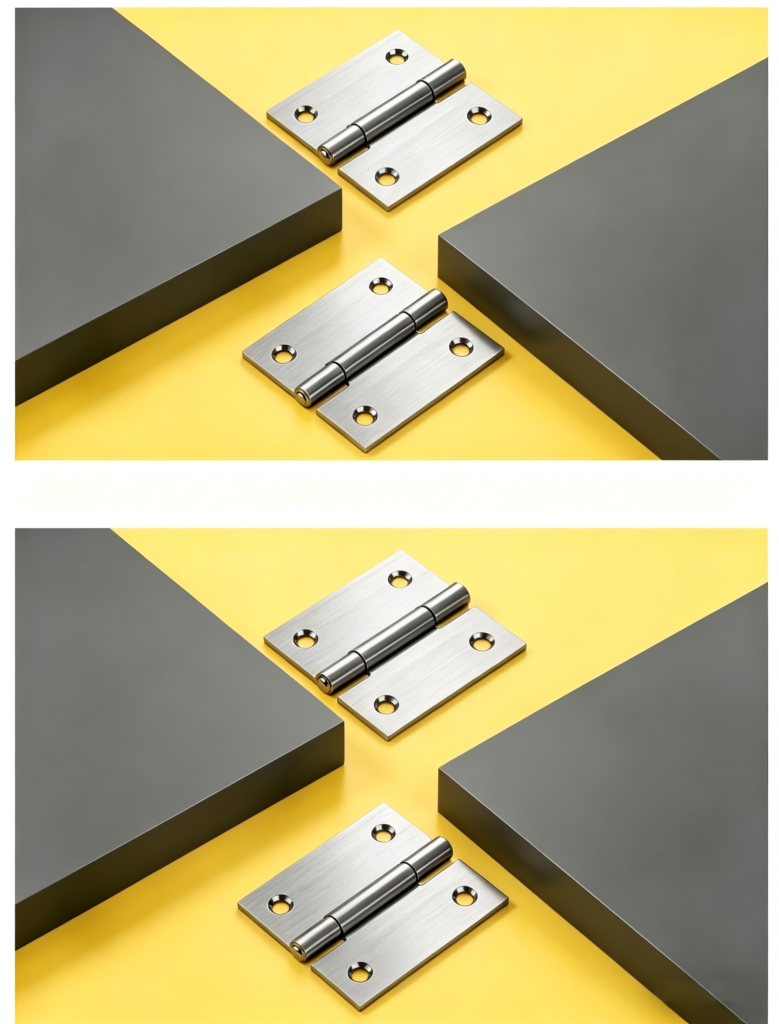
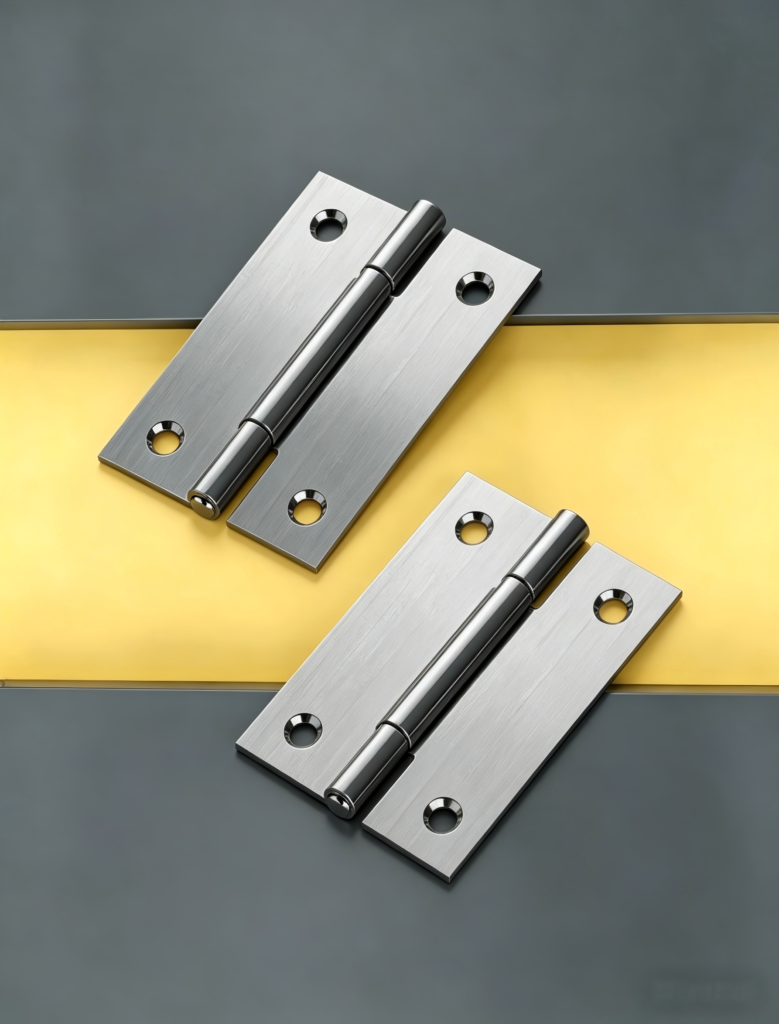
A butt hinge cabinet is a hinge type where two rectangular leaves (or flaps) are joined by a central pin, allowing the hinge to be mounted on the surface of both the cabinet frame and the door. Unlike concealed hinges that hide from view, the butt hinge cabinet remains visible, often serving as a decorative element. The term “butt” refers to the way the hinge leaves butt against each other when closed.
The butt hinge cabinet is characterized by its rectangular leaves, removable or fixed pin, and flush mounting design. Typical features include two leaves of equal size, a central pin that may be removable for door removal, screw holes for mounting, a square or rounded corner design, and a plain or ball bearing construction for smooth operation. Leaf heights typically range from 2 to 6 inches, with leaf widths from 1 to 2.5 inches and thicknesses from 1mm to 3mm. The butt hinge cabinet enables inset doors to open and close smoothly while maintaining proper alignment.
Common Materials for Butt Hinge Cabinet:
Steel is the most common material for butt hinge cabinet production. Zinc plating or powder coating provides corrosion resistance. Offers high strength and durability at economical cost. Suitable for most residential and commercial applications.
Stainless Steel provides superior corrosion resistance. Grades 304 and 316 resist rust in humid environments. Ideal for kitchens, bathrooms, and marine applications.
Brass offers classic appearance with good corrosion resistance. Solid brass hinges are durable and develop a natural patina over time. Suitable for fine furniture and traditional decor.
Zinc Alloy provides cost-effective alternative to solid brass with good corrosion resistance. Often plated to mimic brass or nickel finishes.
Types of Butt Hinge Cabinet:
Plain Bearing Butt Hinge:
Features metal-to-metal contact between knuckles. Simplest and most economical design. Suitable for light-duty applications and low-use cabinets.
Ball Bearing Butt Hinge:
Features ball bearings between knuckles for smooth, friction-free operation. Ideal for heavy doors and high-use cabinets. Provides longer life and quieter operation.
Removable Pin Butt Hinge:
Features a pin that can be removed to separate the hinge leaves. Allows easy door removal for painting, repair, or moving. Standard for most cabinet applications.
Fixed Pin Butt Hinge:
Features a pin that is permanently peened or capped. Leaves cannot be separated. Suitable for applications where door removal is not needed.
Square Corner Butt Hinge:
Features sharp, square corners on leaves. Traditional appearance for classic cabinetry.
Rounded Corner Butt Hinge:
Features radiused corners for safer, smoother appearance. Modern look for contemporary cabinets.
Finishes:
Polished Brass offers bright, gold appearance. Classic finish for traditional cabinetry. Requires periodic polishing to maintain shine.
Satin Nickel provides warm, silver-gray appearance. Brushed finish hides fingerprints. Popular for modern and transitional styles.
Oil Rubbed Bronze offers dark, aged appearance with copper undertones. Suitable for rustic and traditional decor.
Chrome Plated provides bright, silver appearance. Highly durable and easy to clean. Suitable for contemporary and commercial applications.
Black Powder Coated offers matte black finish. Durable and scratch resistant. Popular for modern and industrial styles.
Antique Brass provides aged brass appearance with darker patina. Suitable for restoration and vintage projects.
Applications Across Industries:
Kitchen Cabinets:
Butt hinge cabinet mounts inset doors on kitchen base and wall cabinets. Ball bearing hinges recommended for heavy door loads and daily use.
Bathroom Vanities:
Butt hinge cabinet used on bathroom cabinet doors. Stainless steel or brass resists humidity and moisture.
Fine Furniture:
Butt hinge cabinet used on furniture doors for desks, bookcases, and entertainment centers. Decorative finishes complement furniture style.
Commercial Millwork:
Butt hinge cabinet used in office cabinets, reception desks, and built-ins. Heavy duty steel hinges for commercial durability.
Restoration and Vintage:
Butt hinge cabinet replicates original hardware for antique furniture restoration. Solid brass with period-appropriate finish.
Excellent Case: Kitchen Cabinet Restoration:
Background: A homeowner was restoring 1950s kitchen cabinets with original inset doors. The original plain steel hinges were rusted, squeaky, and allowed door sagging.
Solution: Butt hinge cabinet with ball bearings and removable pins were selected. Stainless steel construction resisted future corrosion. 3-inch height matched original hinge footprint. Polished nickel finish complemented new cabinet paint.
Results:
- Operation: Smooth, silent door movement with ball bearings
- Corrosion Resistance: No rust after 2 years in kitchen environment
- Installation: Removable pins allowed hanging doors after painting
- Sagging: Eliminated door sag with rigid ball bearing hinge
- Appearance: Clean, period-appropriate finish
This case demonstrates how quality butt hinge cabinet hardware transforms cabinet operation and longevity.
How to Select the Right Butt Hinge Cabinet:
Choosing the appropriate butt hinge cabinet requires careful consideration of several factors. Door size and weight determine leaf height and bearing type, with larger doors needing taller hinges and ball bearings. Cabinet usage frequency determines whether plain or ball bearing hinges are needed. Environmental conditions influence material selection, with stainless steel for humid areas. Aesthetic requirements determine finish and corner style. Installation method determines whether removable pin hinges are needed for painting or service access.
Maintenance and Care:
Regular maintenance extends butt hinge cabinet life. Clean hinges with mild soap and water. Lubricate plain bearing hinges annually with light oil. Tighten loose screws promptly. Replace worn or bent hinges immediately.
Common Failure Modes:
Understanding potential failures helps with preventive maintenance. Screw loosening from door opening/closing cycles, prevented by using longer screws or thread-locking compound. Corrosion of steel hinges in humid environments, prevented by stainless steel or plated finishes. Pin wear from frequent use, prevented by ball bearing hinges. Leaf bending from overweight doors, prevented by proper hinge size selection.
Conclusion:
The butt hinge cabinet represents a classic, reliable hardware solution for inset cabinet doors, offering smooth operation, durability, and timeless appearance. By understanding the types, materials, and selection criteria outlined in this guide, the right butt hinge cabinet can be selected for any application—from kitchen cabinets to fine furniture restoration.