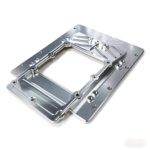
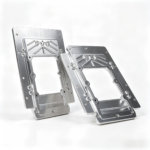
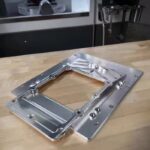
OEM Custom Perfect Milling Machine Fixture Plate 22mm Thickness Steel Custom Bolt Pattern
Request a Quote
Enter the quantity you need and add to your quote list for pricing inquiries.
Product Details
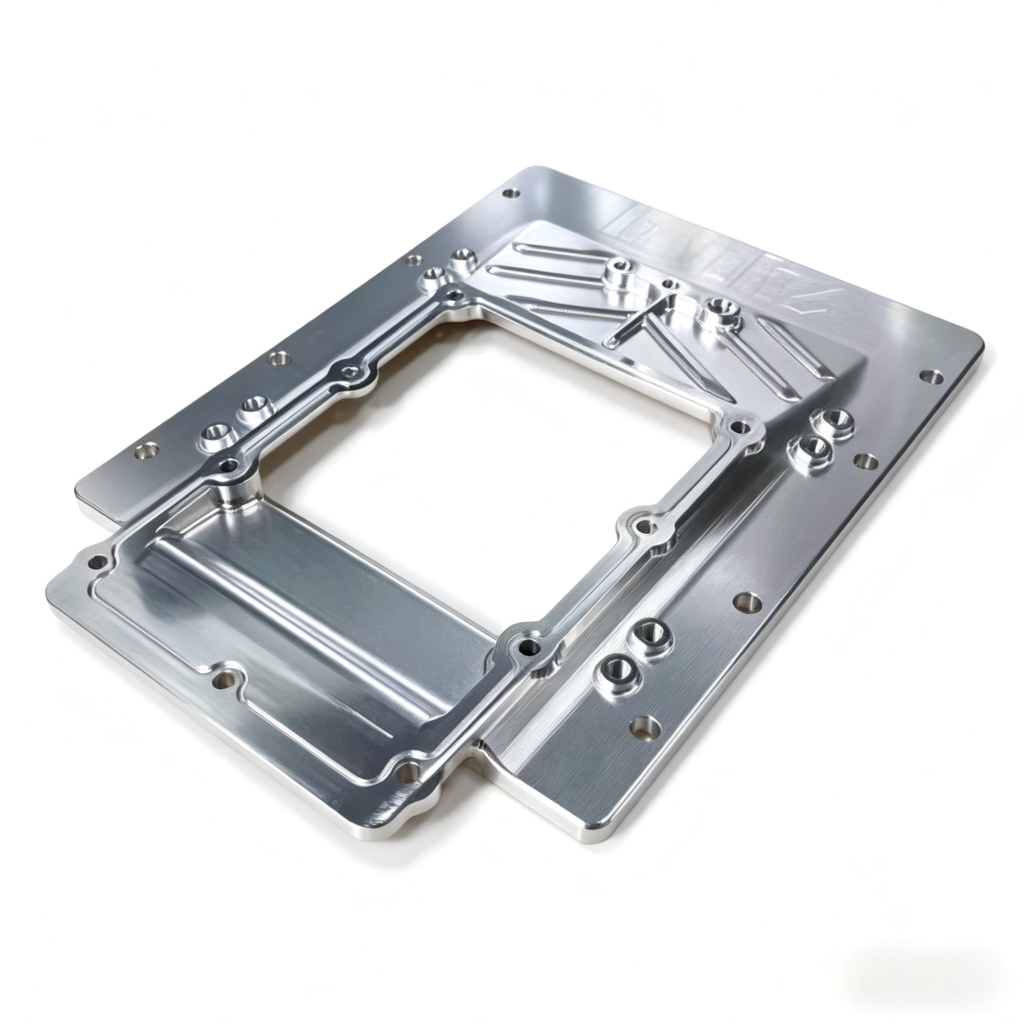
A milling machine fixture plate is a precision ground tooling plate that mounts on a mill table, providing a reusable modular workholding surface with grid-pattern holes or T-slots. It enables quick setup using clamps and vises without custom fixturing. Manufactured from cast iron, steel, or aluminum. Available in custom thicknesses and hole patterns. Features precision flatness and wear resistance. Suitable for CNC and manual milling, drilling, and tapping.
What Is a Milling Machine Fixture Plate?
A milling machine fixture plate is a precision ground plate that mounts permanently or semi-permanently to a milling machine table, providing a grid of holes, slots, or threaded openings for attaching clamps, stops, vises, and other workholding devices. Unlike soft jaws or custom fixtures made for a single part, the milling machine fixture plate offers a standardized, reusable interface that accommodates a wide variety of part shapes and sizes.
The milling machine fixture plate is characterized by its flat, precision ground surface, hardened construction, and modular hole patterns. Typical features include a surface flatness of 0.001 inch per foot, grid patterns of 1/2 inch, 1 inch, or 50mm spacing, threaded holes (1/4-20, 3/8-16, M6, M8, M10, or M12), T-slots for standard clamps, dowel pin holes for precise location, and hardened wear surfaces for long life. Milling machine fixture plate thickness typically ranges from 8mm to 40mm, with sizes from small 150mm x 150mm plates to large 1000mm x 500mm plates.
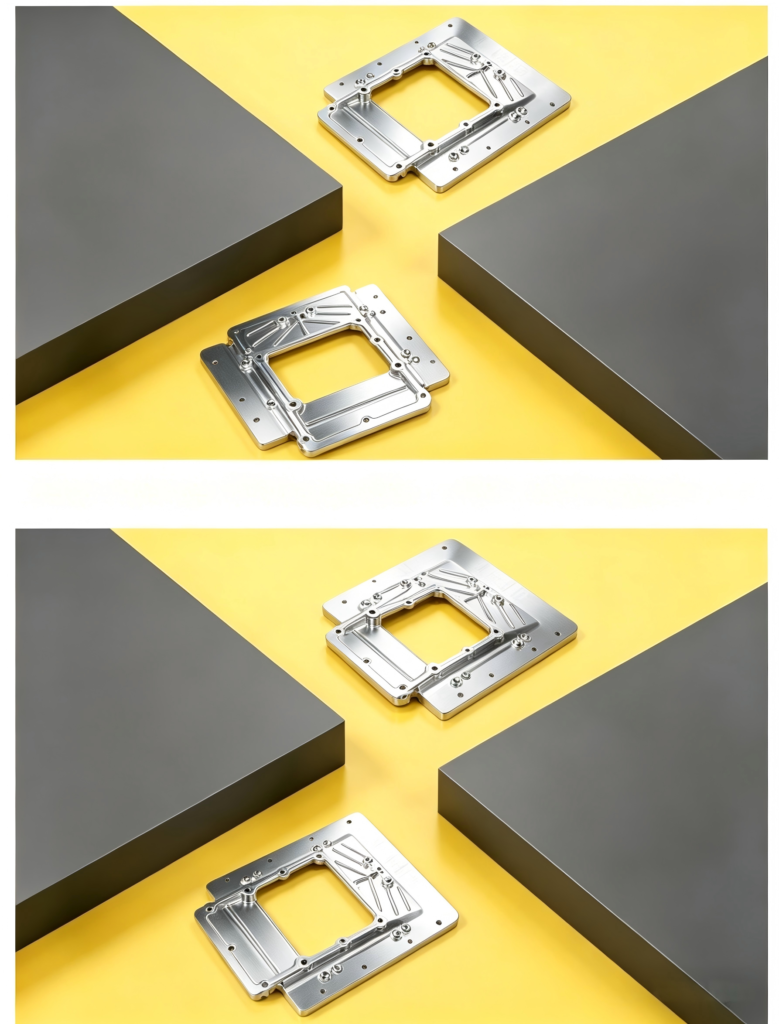
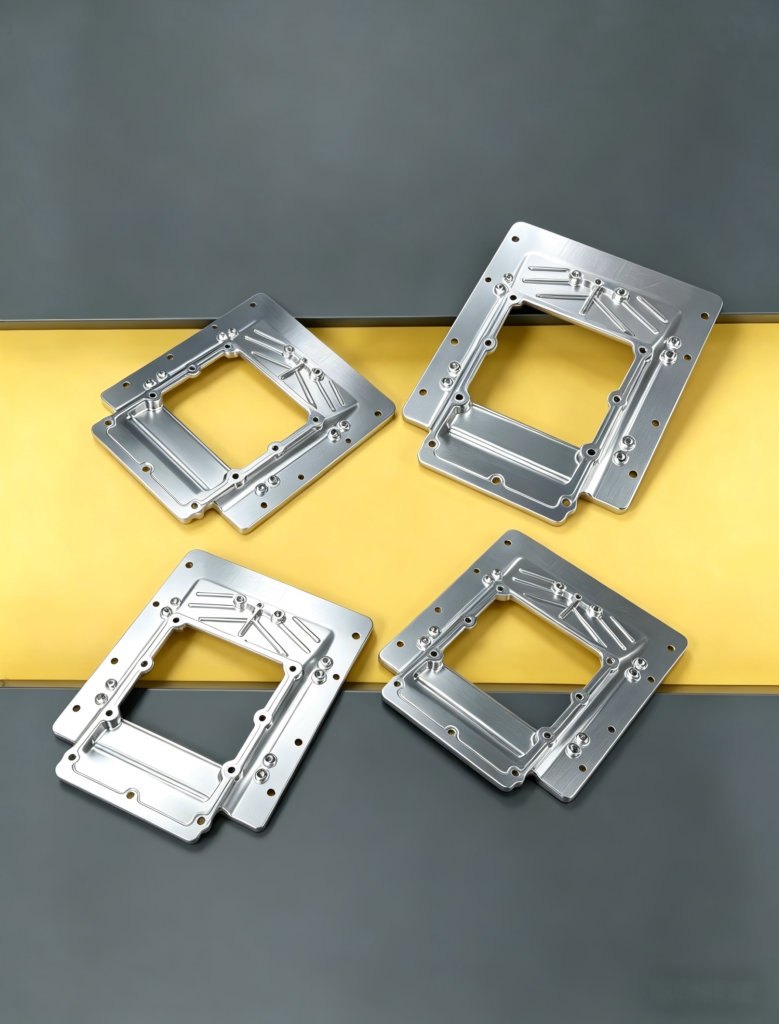
Manufacturing Process:
The production of a milling machine fixture plate follows a precise sequence of operations. Raw material—cast iron, steel, aluminum, or stainless steel—is selected based on strength, weight, and damping requirements. For cast iron plates, molten iron is poured into sand molds to create the rough blank.
The blank is then stress-relieved to prevent warping. CNC machining centers rough and finish mill all surfaces to achieve flatness. A precision grinding operation creates the final surface flatness of 0.001 inch per foot. The hole pattern is drilled, reamed, or milled using CNC drilling centers. Threaded holes are tapped to specification. T-slots are milled using T-slot cutters. Each milling machine fixture plate undergoes flatness inspection, hole location verification, and surface finish testing.
Common Materials for Milling Machine Fixture Plate:
Cast Iron is the traditional material for milling machine fixture plate production. It offers excellent vibration damping, good wear resistance, and dimensional stability. Cast iron milling machine fixture plates are standard for heavy-duty milling and large part workholding.
Steel provides maximum strength and hardness. Tool steel or 4140/4150 steel plates are heat treated to 40-50 HRC for wear resistance. Steel milling machine fixture plates are ideal for high-production environments and abrasive materials.
Aluminum offers lightweight construction and good machinability. 6061 or 7075 aluminum plates are often hard anodized for wear resistance. Aluminum milling machine fixture plates are popular for manual mills, smaller CNC mills, and applications where weight is a concern.
Stainless Steel provides corrosion resistance for medical, food, and marine applications. Stainless milling machine fixture plates resist rust and are easy to clean.
Types of Milling Machine Fixture Plates:
Grid Pattern Fixture Plate:
Features a grid of threaded holes or plain holes at regular intervals. Most common and versatile configuration. Available in 1/2 inch, 1 inch, or 50mm grid spacing. Suitable for general purpose workholding.
T-Slot Fixture Plate:
Features T-slots parallel to the table axis. Compatible with standard T-slot clamps and hold-down kits. Suitable for heavy clamping and larger parts.
Combination Fixture Plate:
Features both threaded holes and T-slots. Provides maximum flexibility for different clamping methods. Suitable for job shops and prototype work.
Modular Fixture Plate:
Features precision dowel holes and threaded holes in a standardized pattern. Compatible with modular fixturing components from brands like Mitee-Bite, Jergens, or Carr Lane. Suitable for quick changeover and repeatable setups.
Custom Fixture Plate:
Engineered to exact specifications including unique hole patterns, special thread sizes, cutouts for part clearance, and mounting configurations for specific machine tables.
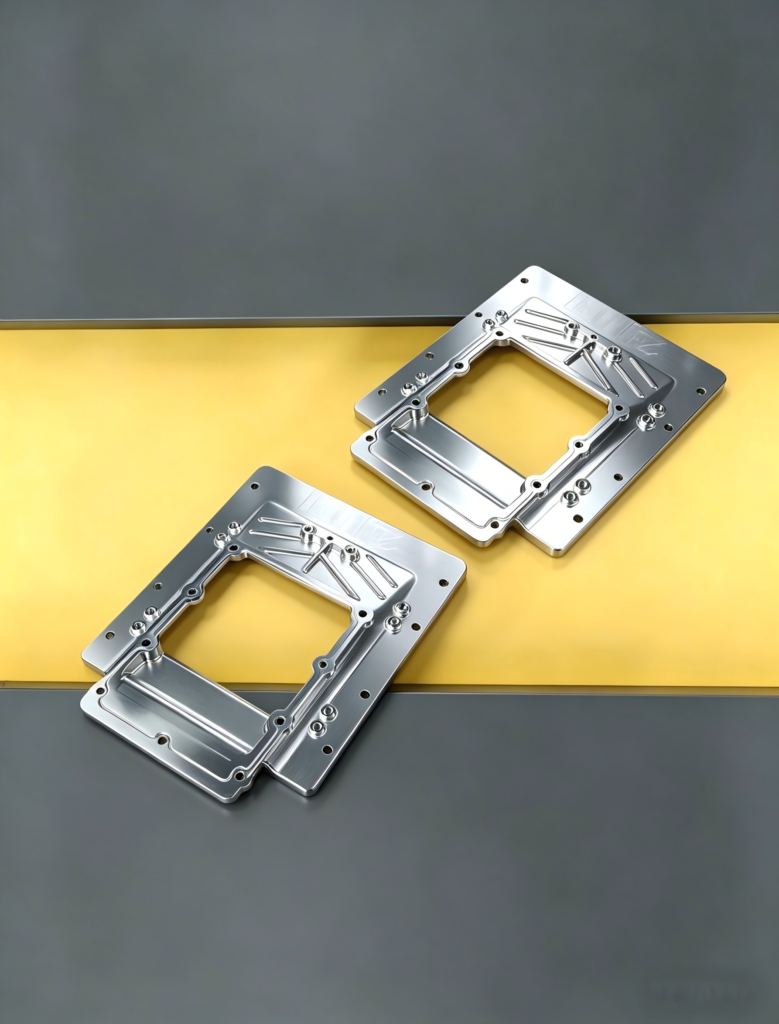
Applications Across Industries:
CNC Machining Centers:
Milling machine fixture plates mount vises, pneumatic clamps, and custom fixtures for production runs. Quick changeover between jobs reduces setup time from hours to minutes.
Manual Milling Machines:
Milling machine fixture plates provide a modular workholding surface on Bridgeport and similar mills. Eliminates need to clamp directly to the machine table.
Drilling and Tapping Operations:
Milling machine fixture plates hold drill jigs, tapping fixtures, and multiple parts for batch drilling. Grid pattern allows rapid repositioning.
Prototype and Job Shops:
Milling machine fixture plates accommodate constantly changing part geometries. Modular fixturing reduces the cost of custom soft jaws.
Educational Shops:
Milling machine fixture plates teach students proper workholding techniques. Protects expensive machine tables from drilling and clamping damage.
Excellent Case: Job Shop Setup Reduction
Background: A job shop was spending 45 minutes on average to set up each new part on their CNC mill. Custom soft jaws were made for each part, costing $50 in material and labor per setup.
Solution: A milling machine fixture plate with 1/2 inch grid of 1/4-20 threaded holes was installed on the mill table. Modular fixturing components including clamps, stops, and risers were used to hold parts without custom jaws.
Results:
- Setup Time: Reduced from 45 minutes to 10 minutes per job
- Soft Jaw Cost: Eliminated $50 per setup expense
- Flexibility: Accommodated parts from 1 inch to 12 inches without new tooling
- Table Protection: No direct clamping marks on the machine table
- Repeatability: ±0.001 inch locating accuracy using dowel pins
This case demonstrates how a milling machine fixture plate dramatically reduces setup time and eliminates soft jaw costs in job shop environments.
How to Select the Right Milling Machine Fixture Plate:
Choosing the appropriate milling machine fixture plate requires careful consideration of several factors. Machine table size determines maximum plate dimensions. Part size range determines required plate area. Clamping method dictates hole pattern (threaded holes vs T-slots). Cutting forces influence material selection, with cast iron for vibration damping and steel for maximum rigidity. Frequency of changeover affects whether a grid pattern or modular system is preferred. Budget balances cast iron vs aluminum vs steel options.
Conclusion:
The milling machine fixture plate represents a foundational investment for any machine shop, enabling rapid setup, repeatable positioning, and significant cost savings compared to custom fixturing. By providing a modular, reusable workholding surface, it transforms how parts are located and clamped. By understanding the materials, types, and selection criteria outlined in this guide, the right milling machine fixture plate can be selected for any application—from job shop prototyping to high-production CNC machining.