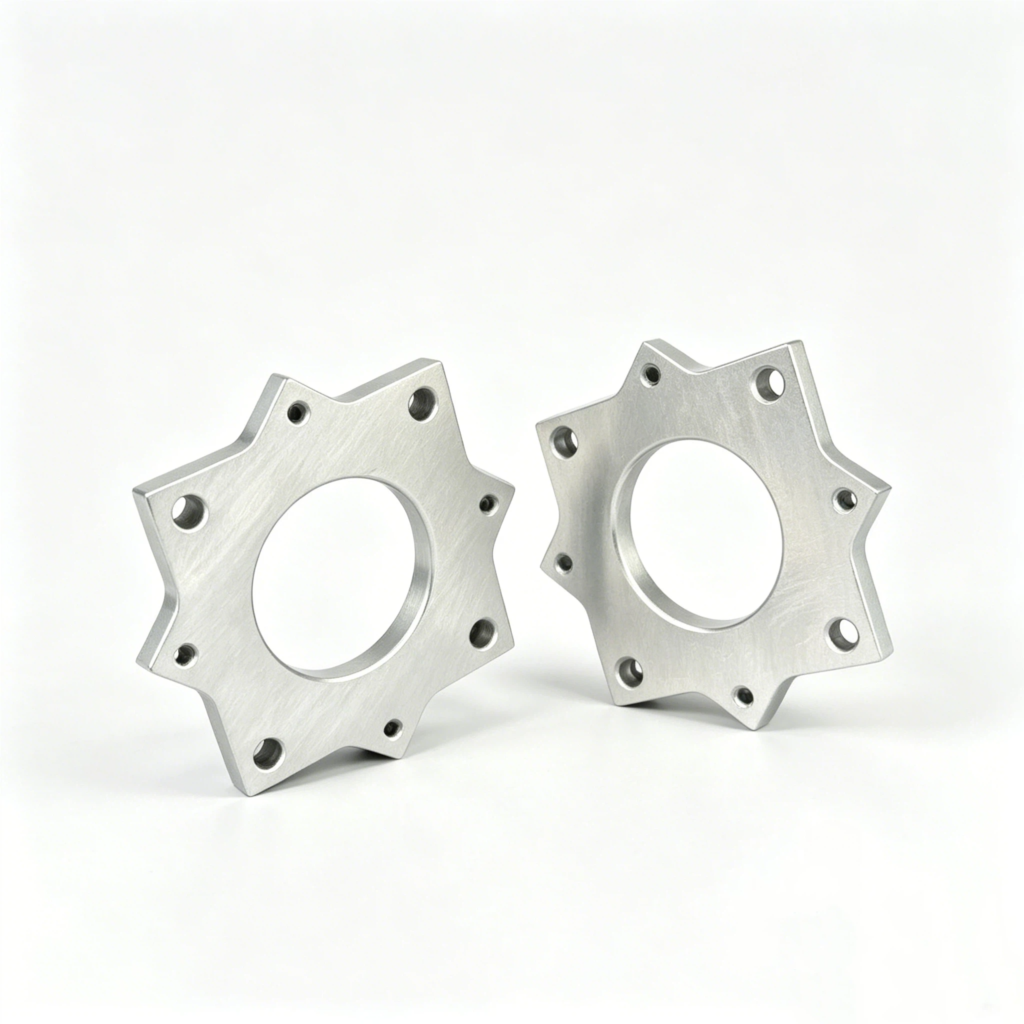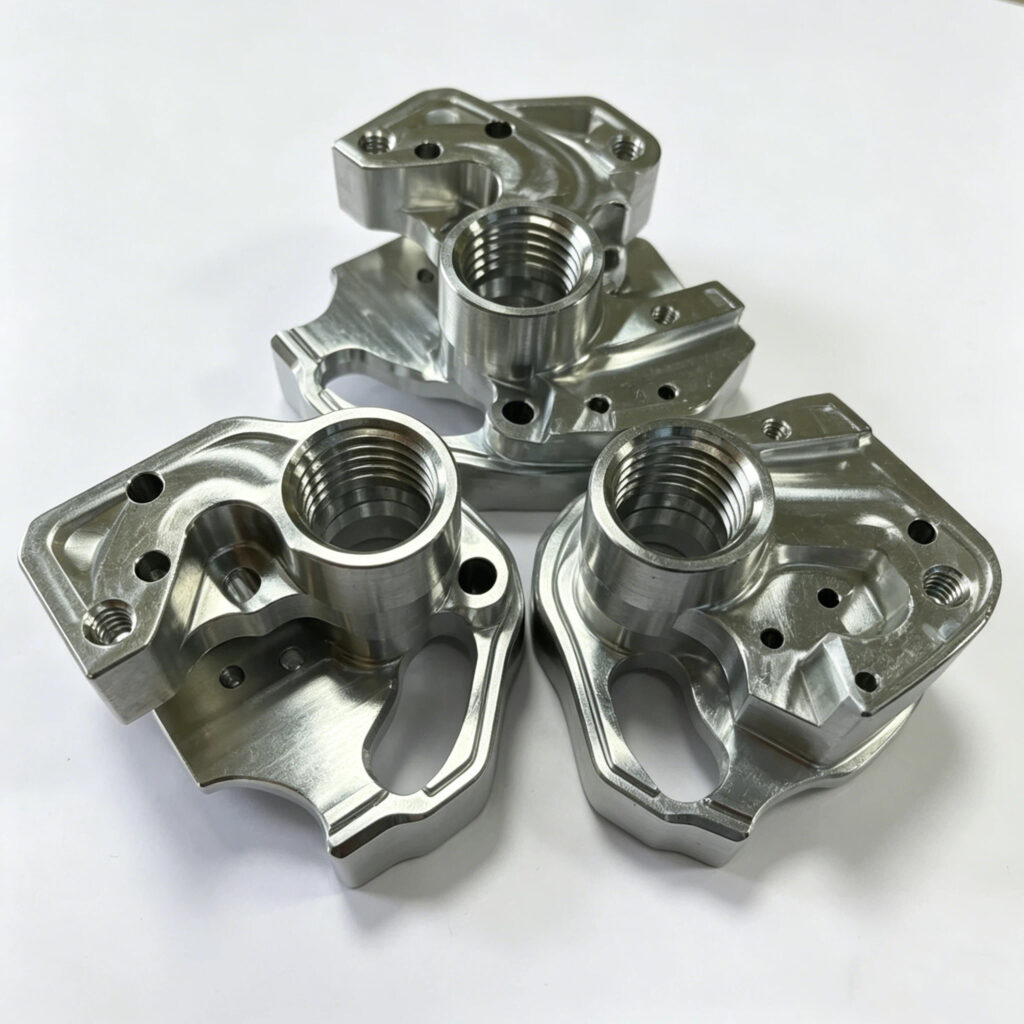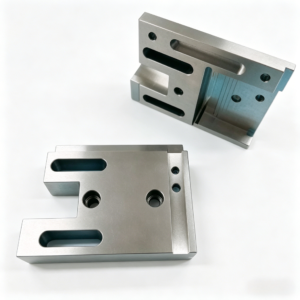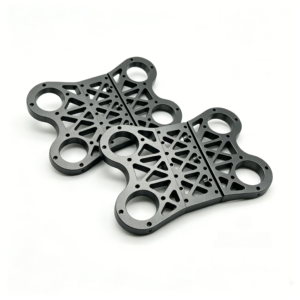

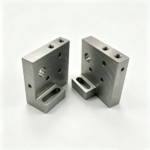
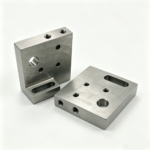
Precision Fixture Block Reliable 4-Hole Design for CNC Machining
Request a Quote
Enter the quantity you need and add to your quote list for pricing inquiries.
Product Details
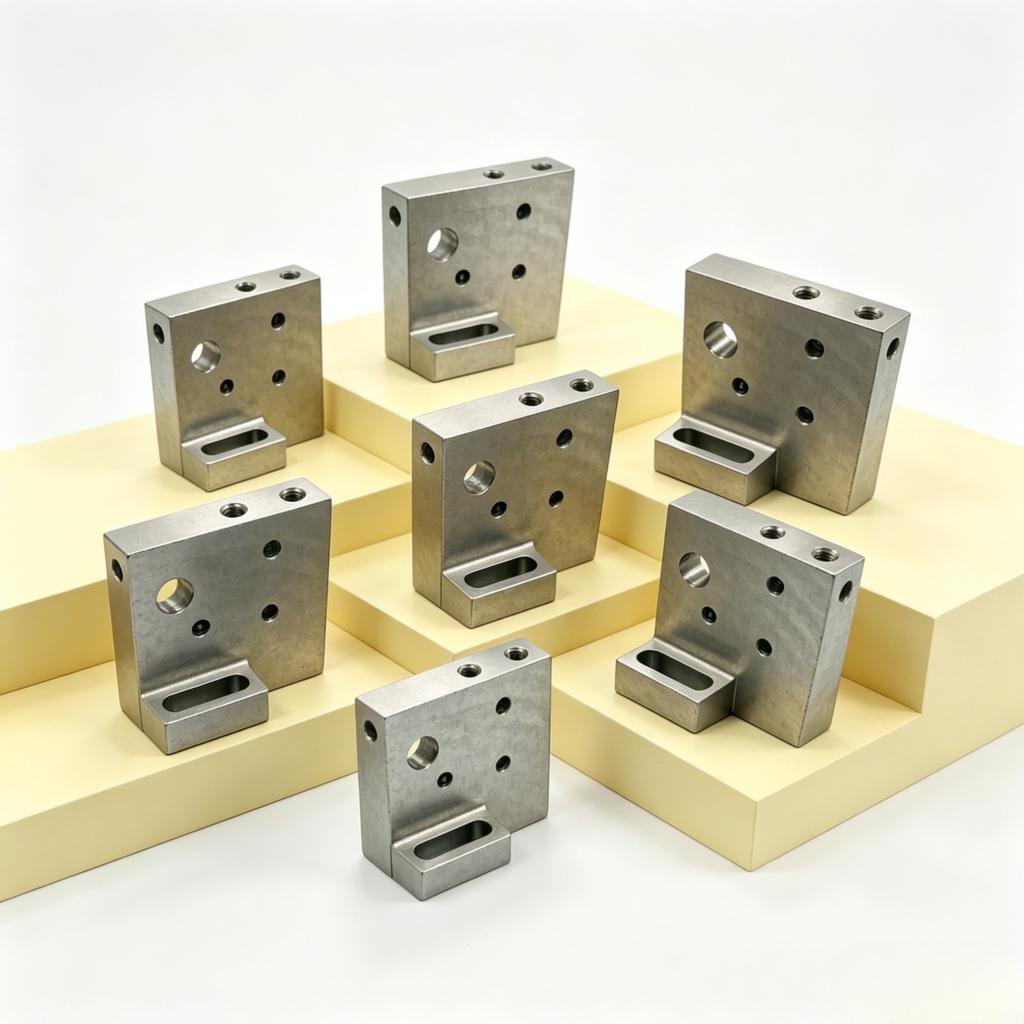
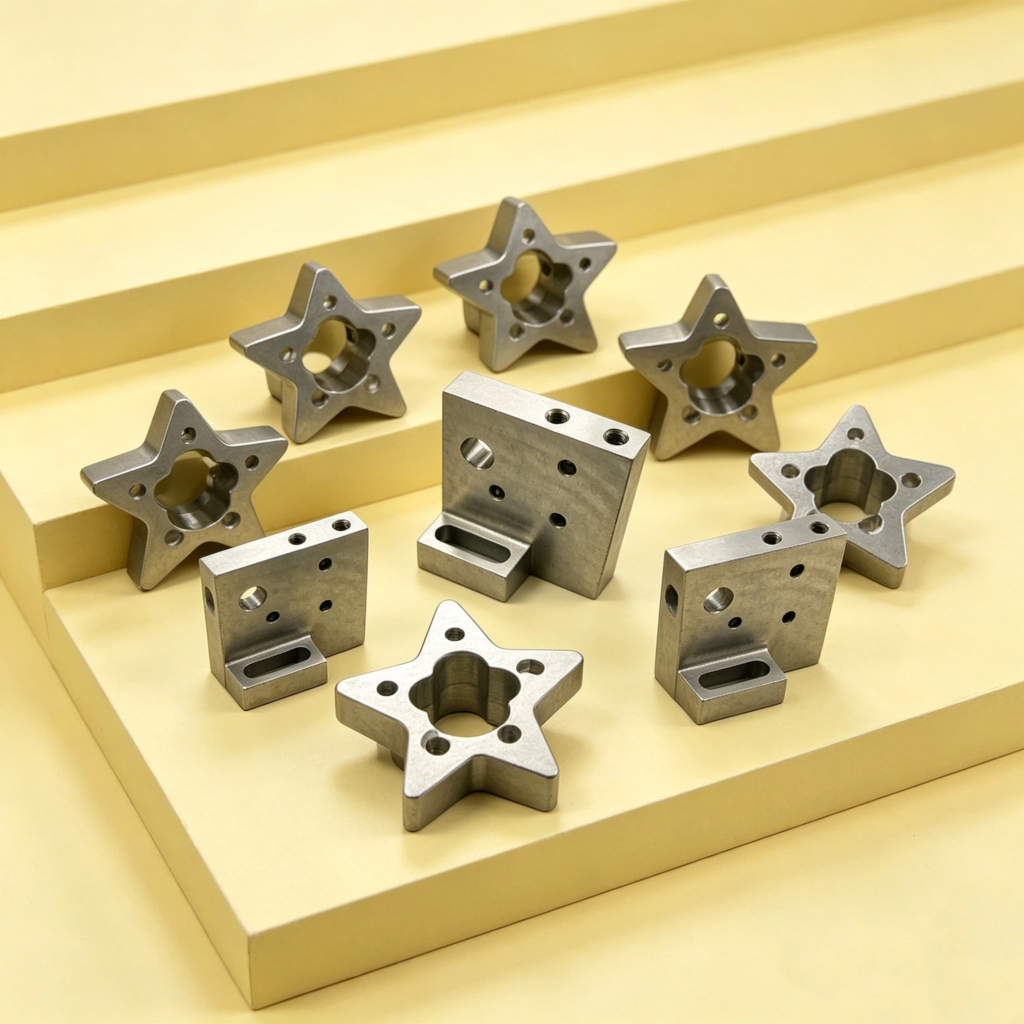
Fixture blocks are precision-engineered components used to support and secure workpieces during machining, welding, or assembly operations. These blocks ensure accurate alignment and stable positioning in various industrial applications. Typically made of high-strength materials and featuring customizable surfaces, fixture blocks enhance production efficiency and reduce errors.
What is a Fixture Block?
A fixture block is a precisely manufactured component used to support and secure workpieces during various manufacturing processes. It ensures that the workpiece remains fixed in place to prevent movement or vibration that could affect the quality of the finished product. Fixture blocks are integral parts of a fixture system, offering high precision and stability for machining, assembly, or welding tasks.
Materials of Fixture Blocks:
Fixture blocks are typically made from the following materials, each offering specific advantages depending on the application:
- Steel (e.g., ASTM A36): Known for its strength, steel is commonly used for high-stress applications requiring durability and precision.
- Cast Iron: Offers excellent vibration damping properties, making it ideal for heavy-duty applications requiring stability.
- Aluminum: Lightweight and resistant to corrosion, often used for less demanding applications.
- Tool Steel: Provides high hardness and wear resistance, suitable for precision machining in tough environments.
Surface Treatment of Fixture Blocks:
They undergo various surface treatments to enhance their performance and longevity in harsh environments:
- Black Oxide: Increases corrosion resistance and provides a durable finish for general-purpose applications.
- Nickel Plating: Adds corrosion resistance, particularly in humid or marine environments, making it suitable for aerospace and automotive industries.
- Hardening (Carburizing): Improves surface hardness, ideal for high-wear applications.
- Grinding: Precision grinding ensures flatness and accurate dimensional control, essential for high-precision operations.
Application Areas of Fixture Blocks:
Fixture blocks are widely used across industries where stability, precision, and durability are essential. Common applications include:
- Aerospace Manufacturing: Ensures high precision for parts like turbine blades, airframes, and other critical components.
- Automotive Industry: Used in the machining of engine blocks, transmission components, and suspension parts.
- Electronics Manufacturing: Provides accurate alignment during assembly and testing of electronic components.
- Tooling and Die Production: Fixture blocks are critical for tool and die machining, offering superior precision and stability.
- Marine Engineering: Used in the production and maintenance of ship and offshore structure components.
Advantages of Fixture Blocks:
The products provide a variety of benefits that enhance manufacturing efficiency and reduce errors:
- Increased Accuracy: Ensures precise positioning of workpieces, reducing the chances of dimensional errors.
- Enhanced Stability: Reduces vibrations and movement during the manufacturing process, improving part consistency.
- Durability: Made from high-quality materials, they are designed to withstand heavy use and harsh conditions.
- Customization: Can be tailored to specific application needs, providing flexible solutions for various industries.
- Cost-Effective: Improves production efficiency by reducing rework, downtime, and scrap.
Polestar Example Case:
Selection: A manufacturer in the automotive industry needed fixture blocks to hold large engine components during CNC milling. The goal was to achieve precise tolerances while reducing cycle time.
Result: The manufacturer selected cast iron this blocks with a nickel-plated finish. These blocks provided superior stability and vibration damping, which improved machining accuracy and reduced cycle time by 10%, resulting in increased production efficiency.
Why Choose Us?
- Quality Standards: Our fixture blocks are produced in compliance with international standards like ASTM A36, ISO 2768-m, and SAE J429 Grade 5, ensuring reliability and performance.
- Tailored Solutions: We offer custom block solutions that meet the specific needs of your operations, optimizing production outcomes.
- Expertise and Experience: With years of experience in industrial manufacturing, we understand the importance of quality and precision in fixture design.
- Proven Track Record: Our products are trusted across industries, with a focus on delivering high-quality solutions that improve efficiency and reduce operational costs.
- Competitive Pricing: We offer cost-effective blocks without sacrificing quality, ensuring excellent value for your investment.
Frequently Asked Questions:
1. What materials are commonly used for fixture blocks?
Fixture blocks are typically made from steel, cast iron, aluminum, and tool steel, depending on the application and load requirements.
2. Can fixture blocks be customized for specific applications?
Yes, they can be customized in terms of material, size, and surface treatment to meet specific requirements for precision and durability.