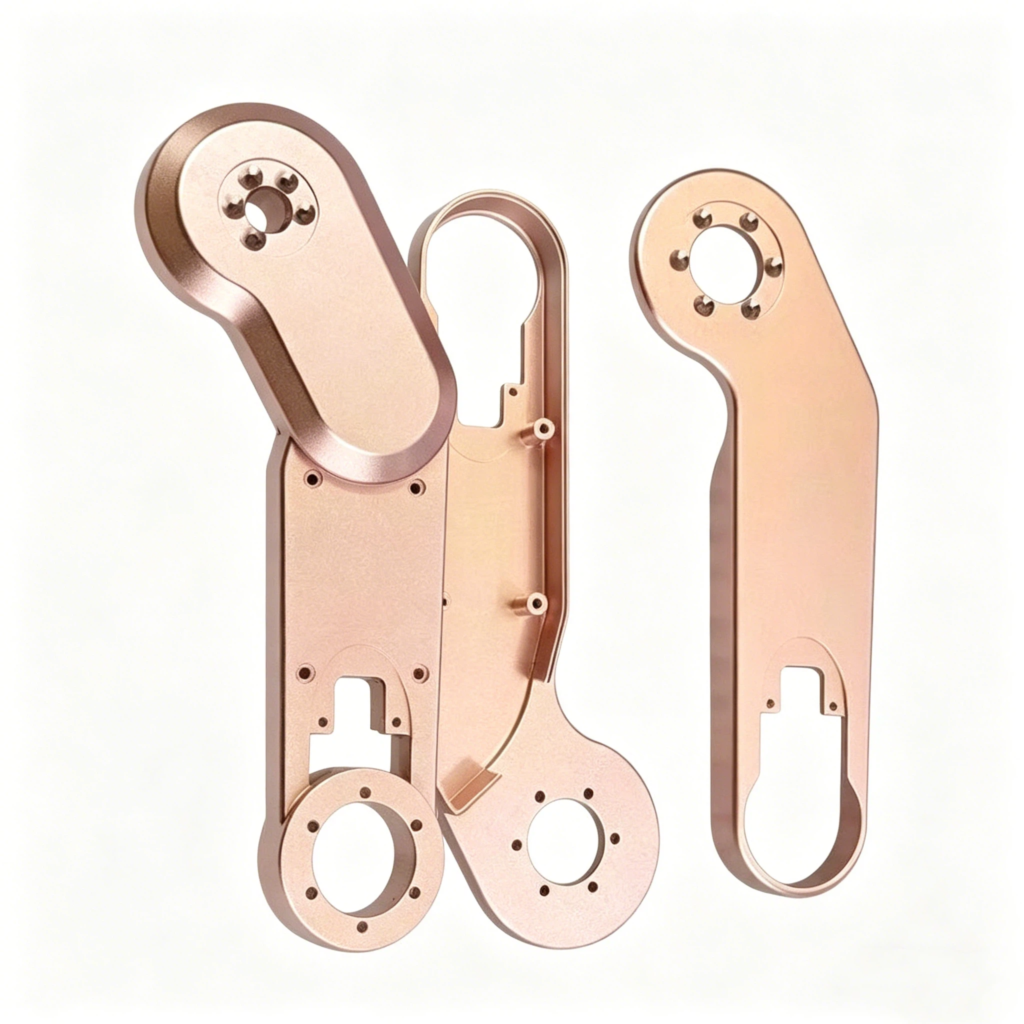
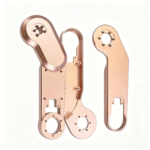
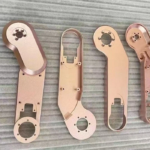
Universal High Quality Throttle Linkage Arm 3 Position Adjustable Corrosion Resistant Throttle Linkage Arm
Request a Quote
Enter the quantity you need and add to your quote list for pricing inquiries.
Product Details
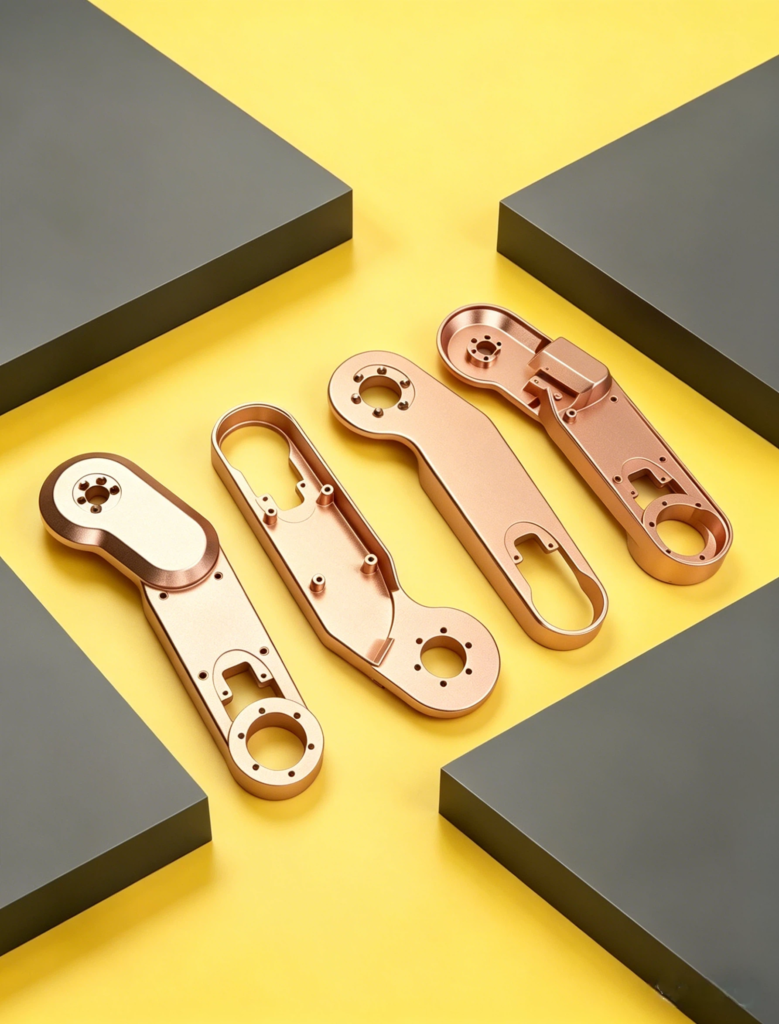
A throttle linkage arm is a mechanical connecting component that transmits motion from the throttle pedal or lever to the carburetor or throttle body, controlling engine speed and power output. It provides precise, responsive throttle control in vehicles and small engines. Manufactured from steel, stainless steel, aluminum, or billet aluminum. Available in custom lengths from 2 to 12 inches, various mounting hole patterns, and pivot configurations. Features include corrosion resistant coatings, adjustable lengths, and precision pivot points. Custom throttle linkage arms available with specific hole spacing, offsets, and finishes including zinc plating, anodizing, and chrome plating.
What Is a Throttle Linkage Arm?
A throttle linkage arm is a mechanical connecting component that transmits motion from the throttle pedal or lever to the carburetor or throttle body, controlling engine speed and power output. Unlike electronic throttle systems that use sensors and motors, the throttle linkage arm provides a direct mechanical connection, offering precise, responsive throttle control in vehicles, small engines, and industrial equipment.
It is characterized by its rigid construction, pivot points, and adjustable features. Typical components include an arm or lever that rotates around a pivot, rod ends or ball joints for connecting linkage rods, mounting holes or slots for attachment to the throttle shaft, and return spring attachment points for throttle closure. Lengths typically range from 2 to 12 inches, with various hole spacings and offset configurations. The throttle linkage arm translates driver input into engine response, making it critical for vehicle drivability and safety.
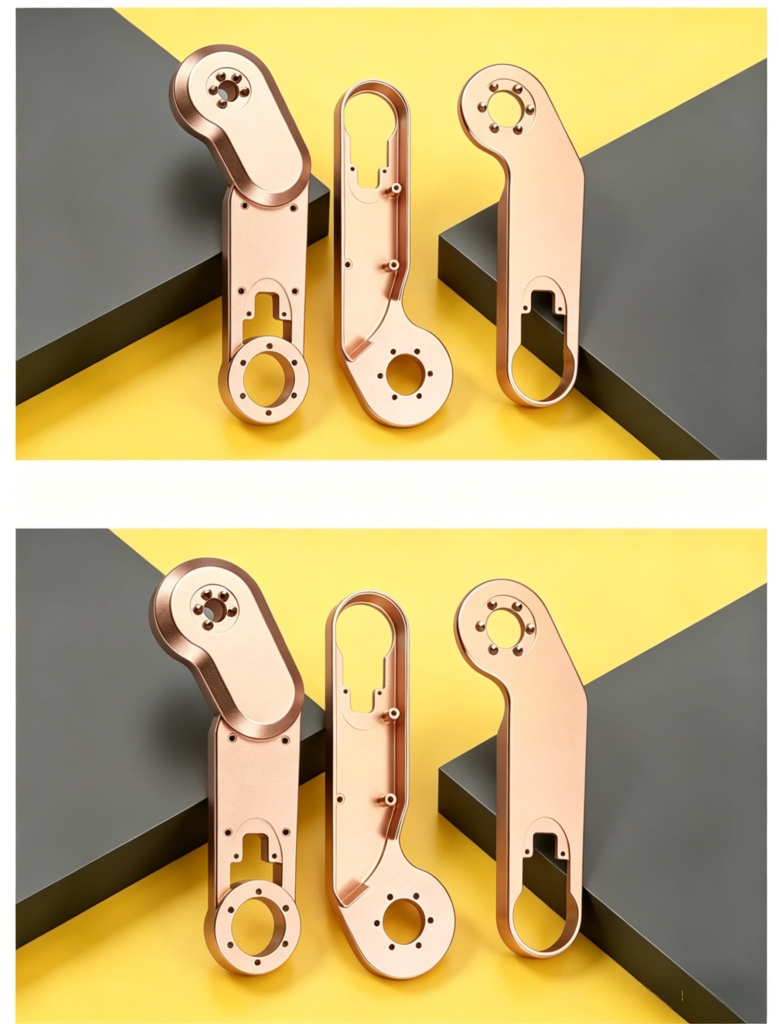
Common Materials for Throttle Linkage Arm:
Steel:
Carbon steel is the most common material for throttle linkage arm production. It offers high strength, excellent durability, and good wear resistance. Zinc plating provides corrosion protection. Suitable for most automotive, industrial, and small engine applications.
Stainless Steel:
Stainless steel provides superior corrosion resistance for marine, outdoor, and harsh environment applications. Suitable for boat engines, off-road vehicles, and equipment exposed to moisture.
Aluminum:
Aluminum is lightweight and naturally corrosion resistant. Billet aluminum offers a premium appearance for custom and performance applications. Suitable for racing, hot rods, and weight-sensitive installations.
Billet Aluminum:
CNC-machined billet aluminum provides precision tolerances, smooth finish, and aesthetic appeal. Suitable for show cars, performance builds, and custom engine installations.
Types of Throttle Linkage Arm:
Straight Throttle Linkage Arm:
Features a straight arm design with holes at each end. Simplest configuration for direct cable-to-carburetor connections. Suitable for most stock and mild performance applications.
Offset Throttle Linkage Arm:
Features a bent or offset design to clear obstacles or align with cable direction. Suitable for custom engine swaps, tight engine bays, and modified intake manifolds.
Adjustable Throttle Linkage Arm:
Includes multiple holes or slotted mounting points for adjusting throttle ratio. Allows fine-tuning of pedal feel and throttle response. Suitable for performance tuning and racing applications.
Bellcrank Throttle Linkage Arm:
Features an L-shaped or angled design that changes direction of motion. Used when cable or rod cannot align directly with throttle shaft. Suitable for custom fabrications and complex engine layouts.
Universal Throttle Linkage Arm:
Designed to fit multiple carburetor and throttle body brands with various hole patterns. Suitable for DIY builders and shops stocking one part for multiple applications.
Specifications:
Typical specifications for a throttle linkage arm include:
| Parameter | Typical Range |
| Length | 2 to 12 inches |
| Thickness | 1/8 to 1/4 inch (3mm to 6mm) |
| Hole Diameter | 1/4, 5/16, 3/8 inch (6mm, 8mm, 10mm) |
| Hole Count | 2 to 6 holes |
| Material | Steel, stainless steel, aluminum |
| Finish | Zinc plated, anodized, chrome, powder coated |
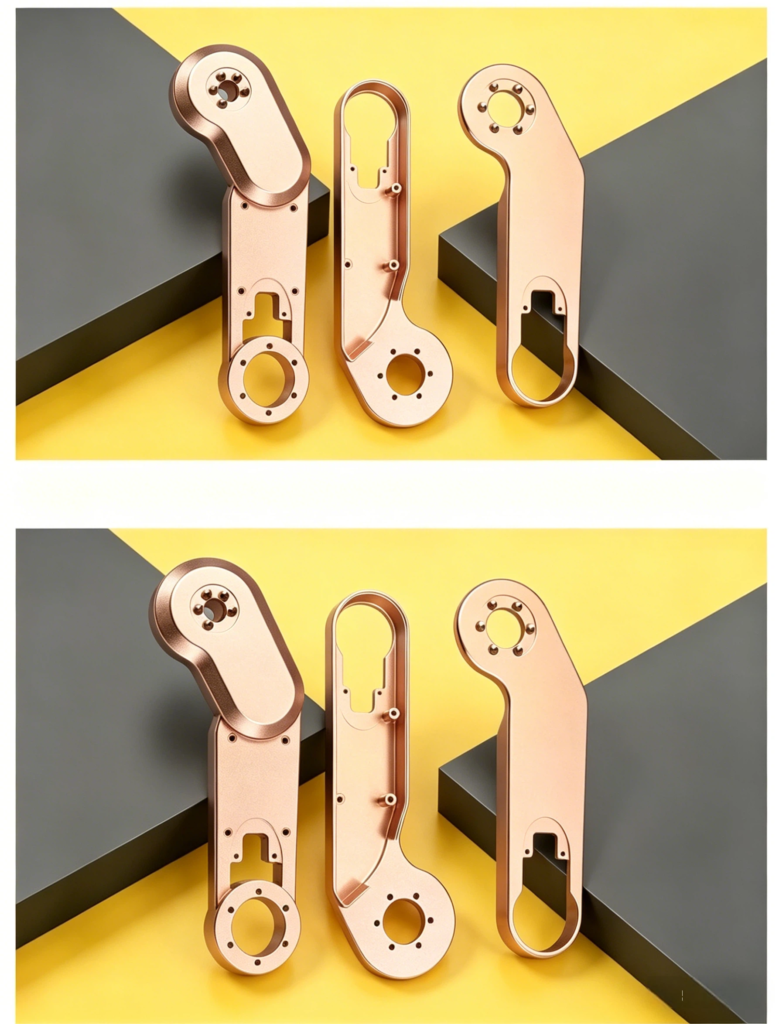
Applications:
Automotive Carbureted Engines:
Throttle linkage arm connects accelerator pedal to carburetor on classic cars, muscle cars, and custom builds. Works with Holley, Edelbrock, Carter, and Quadrajet carburetors.
Small Engines:
Throttle linkage arm controls engine speed on lawn mowers, generators, pressure washers, and go-karts. Simple, reliable design for outdoor power equipment.
Marine Engines:
Throttle linkage arm connects helm controls to carburetor or throttle body on inboard and outboard boat engines. Stainless steel construction resists saltwater corrosion.
Industrial Equipment:
Throttle linkage arm controls engine speed on forklifts, manlifts, compressors, and welders. Durable construction for daily industrial use.
Racing and Performance:
Throttle linkage arm with billet aluminum construction and adjustable ratios for drag racing, circle track, and off-road racing. Precision control for competitive applications.
Hot Rods and Custom Vehicles:
Throttle linkage arm with chrome or anodized finish for show-quality engine compartments. Universal designs fit engine swaps and custom fabrications.
Excellent Case: Classic Muscle Car Restoration
Background: A 1970 Chevrolet Chevelle owner was restoring the car but struggled with a sloppy, unresponsive throttle. The original stamped steel throttle arm was worn and had excessive play. Replacement parts were no longer available.
Solution: A custom throttle linkage arm was fabricated from 1/4 inch steel with zinc plating. The arm measured 5 inches length with five adjustment holes. It featured a 90-degree offset to clear the intake manifold and a return spring hole.
Results:
- Throttle Response: Crisp, immediate response with zero play
- Adjustability: Five holes allowed fine-tuning of pedal feel
- Appearance: Zinc plating matched engine compartment aesthetics
- Durability: Thicker material eliminated flex under heavy throttle
- Installation: Direct bolt-on using existing hardware
This case demonstrates how a properly designed throttle linkage arm restores throttle response and drivability in classic vehicles.
How to Select the Right Throttle Linkage Arm:
Choosing the appropriate throttle linkage arm requires careful consideration of several factors. Carburetor or throttle body brand determines mounting hole spacing and shaft diameter. Engine bay layout determines whether straight or offset arm is needed. Throttle cable type affects the required arm end fitting. Desired throttle response determines arm length and adjustment hole placement. Aesthetic preferences influence material and finish selection.
Installation Tips:
Proper installation ensures it performs reliably. Verify full throttle opening when pedal is fully depressed. Confirm throttle returns fully to closed position when pedal is released. Lubricate pivot points with light oil. Use lock washers or thread-locking compound on mounting hardware. Check for binding or interference through full pedal travel. Install return spring with adequate tension for positive closure.
Conclusion:
It represents a critical component for mechanical throttle control, providing direct, responsive engine speed management in vehicles, small engines, and industrial equipment. By understanding the types, materials, and selection criteria outlined in this guide, the right throttle linkage arm can be selected for any application—from classic car restoration to racing performance and industrial equipment.