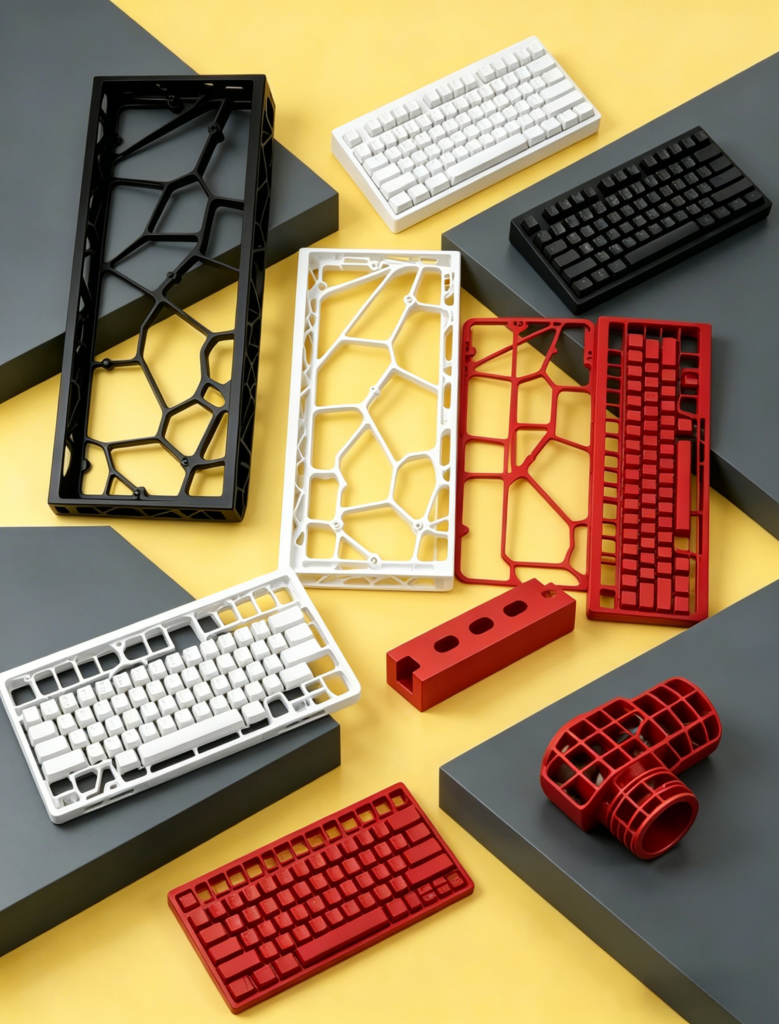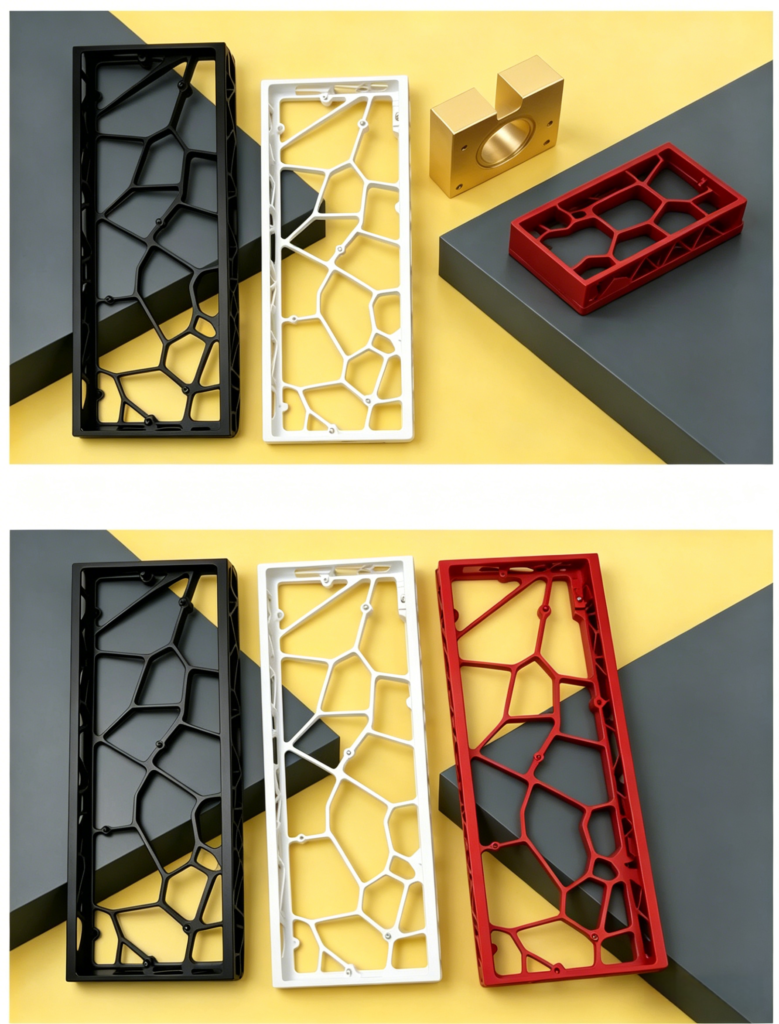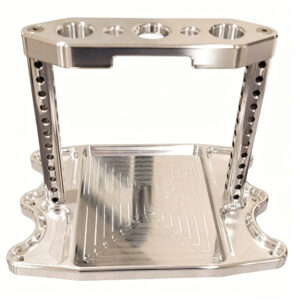
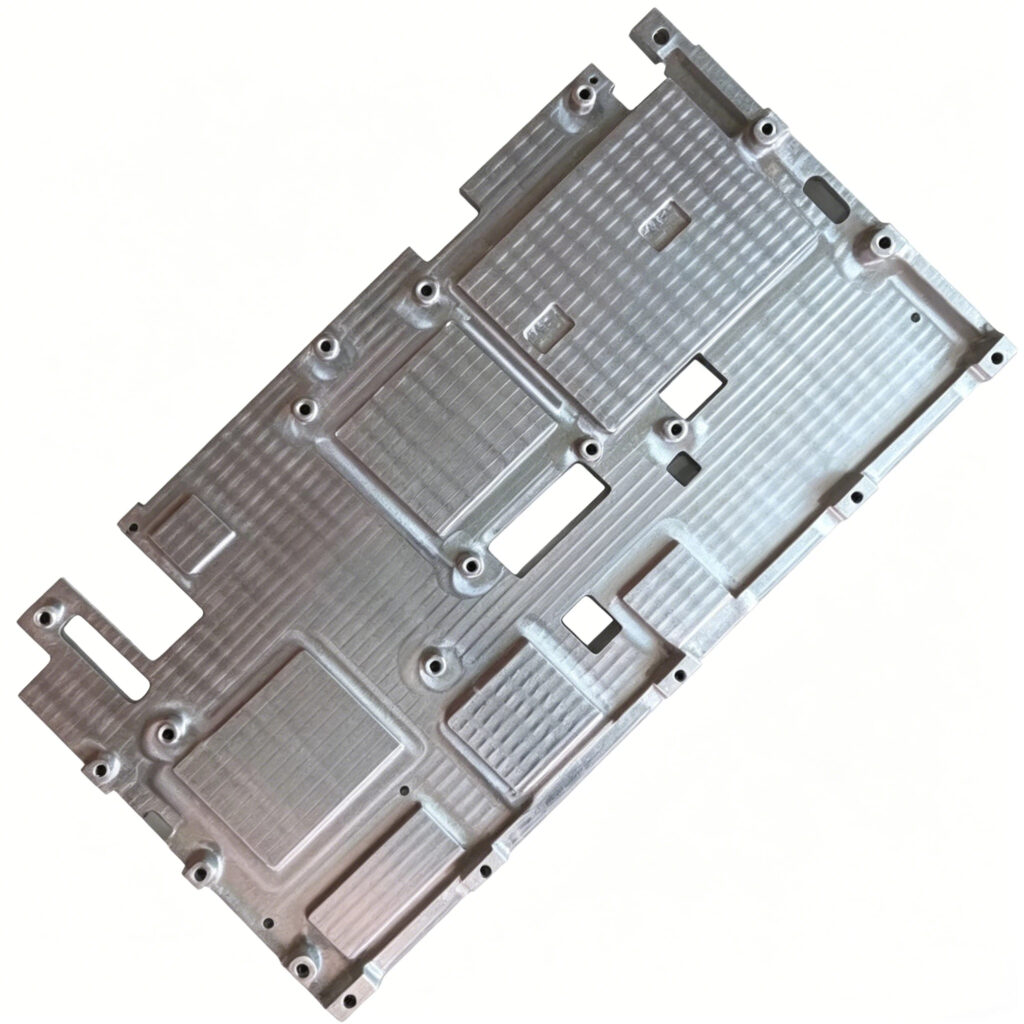
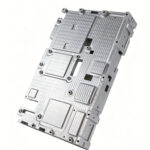
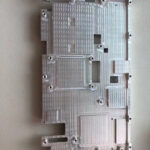
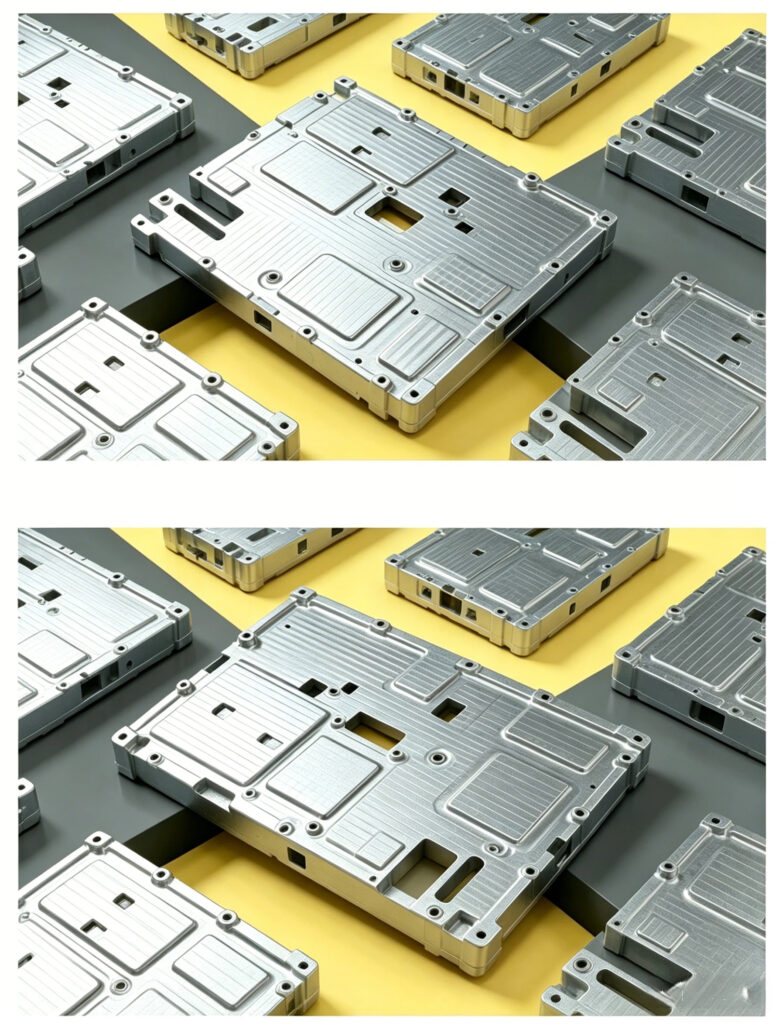
Fully Customizable Beauty Aluminum Substrate 1.6mm Thickness Precision Flat Aluminum Substrate
Request a Quote
Enter the quantity you need and add to your quote list for pricing inquiries.
Product Details
An aluminum substrate is a metal-core PCB base material with an aluminum backing layer, offering excellent thermal conductivity and electrical insulation. Manufactured with aluminum base, dielectric layer, and copper circuit layer. Available in custom thicknesses from 0.8mm to 3.2mm and copper weights from 1oz to 4oz. Features thermal conductivity up to 3W/m·K and high dielectric strength. Suitable for LED lighting, power electronics, and automotive modules. Custom substrates available with specific layer counts, thermal ratings, and surface finishes including ENIG and HASL.
What Is an Aluminum Substrate?
An aluminum substrate is a metal-core printed circuit board base material with an aluminum backing layer, designed to provide excellent thermal conductivity for heat dissipation while maintaining electrical insulation between the circuit layer and the metal base. Unlike traditional fiberglass PCBs, the aluminum substrate actively draws heat away from electronic components, making it essential for high-power applications.
It is characterized by its three-layer construction: an aluminum base plate for structural support and heat dissipation, a dielectric insulating layer that provides electrical isolation while conducting heat, and a copper circuit layer for electrical connections. Typical features include thermal conductivity from 1W/m·K to 3W/m·K, dielectric breakdown voltage exceeding 2,000V, thickness from 0.8mm to 3.2mm, copper weight from 1oz to 4oz, and excellent flatness for surface mount assembly. It significantly extends the life of high-power components by reducing operating temperatures.
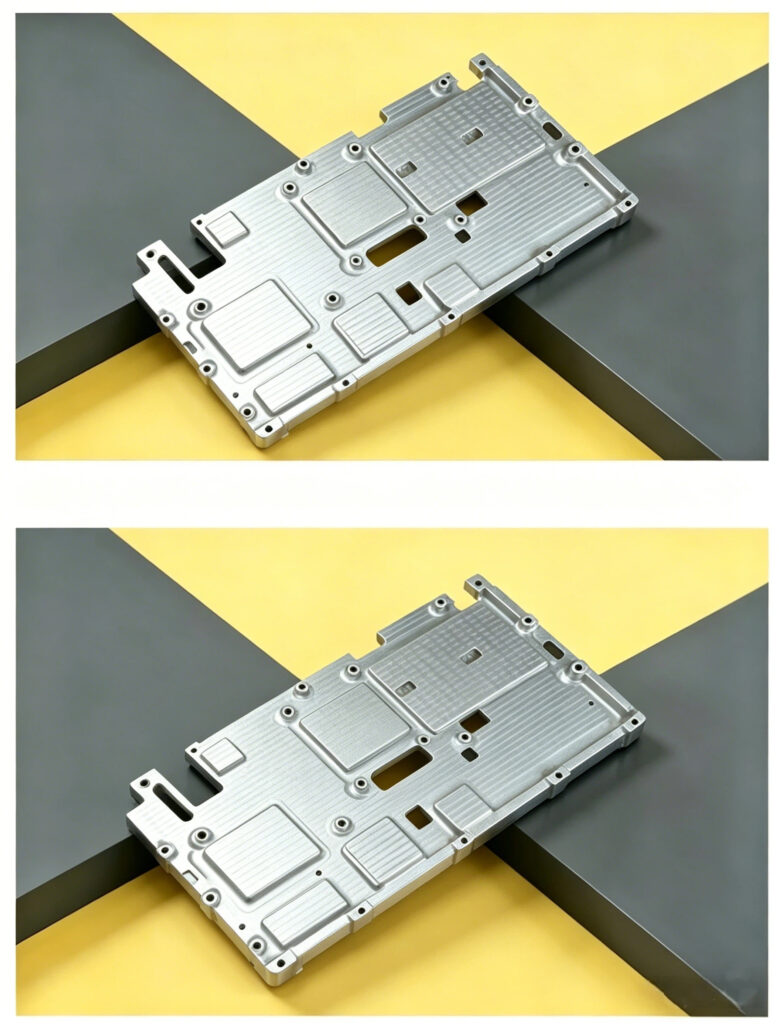
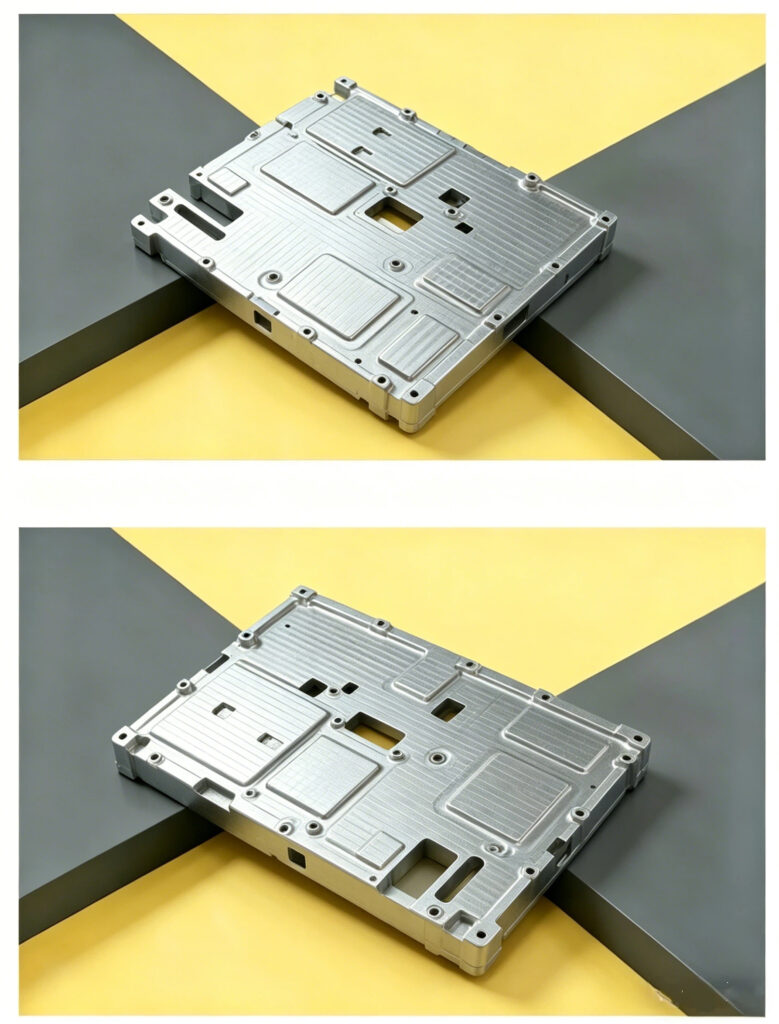
Manufacturing Process:
The production of an aluminum substrate follows a precise sequence of operations. Aluminum base plates are cut to size from high-grade aluminum alloy. The surface is cleaned and prepared for dielectric layer application. A thermally conductive dielectric material is applied to the aluminum base and cured at high temperature. Copper foil is laminated onto the dielectric layer under heat and pressure. Circuit patterns are printed and etched using photolithography processes. Solder mask and surface finish are applied to protect copper circuits. Each aluminum substrate undergoes electrical testing, thermal conductivity verification, and dimensional inspection.
Common Types of Aluminum Substrate:
Single-Sided Aluminum Substrate:
Features one copper circuit layer on top of the dielectric and aluminum base. Most common and cost-effective configuration. Suitable for LED lighting, power supplies, and automotive electronics where components mount on one side only.
Double-Sided Aluminum Substrate:
Features copper circuit layers on both sides of the aluminum core, connected by plated through holes. Offers higher circuit density for more complex applications. Suitable for power modules, motor drives, and DC-DC converters.
Multilayer Aluminum Substrate:
Combines multiple copper and dielectric layers on an aluminum base. Provides highest circuit density for complex, high-power applications. Suitable for aerospace electronics, high-end power systems, and industrial controls.
Through-Hole Aluminum Substrate:
Features plated through holes for mounting through-hole components. Combines thermal performance of aluminum with component mounting flexibility.
Flexible Aluminum Substrate:
Uses thin, bendable aluminum core for applications requiring curved or flexible mounting surfaces.
Applications Across Industries:
LED Lighting:
Aluminum substrates are essential in LED lighting applications, including high-bay lights, street lights, automotive headlights, and grow lights. LEDs generate significant heat that reduces light output and lifespan. The aluminum substrate conducts heat away from LED chips to a heatsink, maintaining junction temperatures within specifications and extending LED life from 10,000 to over 50,000 hours.
Power Electronics:
Aluminum substrates mount power semiconductors including MOSFETs, IGBTs, and diodes in power supplies, motor drives, battery management systems, and DC-DC converters. These components generate substantial heat that must be removed to prevent failure. The aluminum substrate provides both electrical connection and thermal management.
Automotive Electronics:
Aluminum substrates are used in electronic control units, LED headlamps, electric vehicle battery management systems, and engine control modules. Automotive applications demand reliability under vibration, temperature extremes, and moisture exposure.
Industrial Equipment:
Aluminum substrates serve in motor drives, welding equipment, industrial power supplies, and renewable energy inverters where high power density requires effective thermal management.
Aerospace and Defense:
Aluminum substrates provide reliable thermal management in avionics, radar systems, and power distribution units under demanding environmental conditions.
Excellent Case: High-Power LED Street Light:
Background: A street lighting manufacturer needed to produce 200W LED fixtures with a 10-year service life. Using standard FR4 PCBs resulted in LED junction temperatures exceeding 120°C, causing rapid light degradation and premature failure within 2 years.
Solution: An aluminum substrate was specified with 2.0W/m·K thermal conductivity, 1.6mm thickness, and 2oz copper weight. The substrate was direct-mounted to an extruded aluminum heatsink with thermal interface material.
Results:
- LED Junction Temperature: Reduced from 120°C to 85°C
- LED Life: Extended from 10,000 hours to over 80,000 hours
- Heat Dissipation: 40 percent improvement in thermal performance
- Reliability: Zero LED failures after 5 years of continuous outdoor operation
- Energy Efficiency: Maintained 80 percent light output at 50,000 hours
This case demonstrates how the aluminum substrate delivers critical thermal management for high-power LED applications.
Surface Finishes:
HASL provides good solderability at low cost but poor flatness for fine-pitch components. ENIG offers excellent flatness and corrosion resistance for fine-pitch SMT assembly. OSP provides low-cost, environmentally friendly protection for short shelf life. Immersion Silver offers good solderability and flatness for high-frequency applications.
Installation Best Practices:
Proper assembly ensures aluminum substrate reliability. Use stencils with proper aperture design for solder paste application. Ensure flatness of the substrate mounting surface. Apply thermal interface material between substrate and heatsink. Use appropriate reflow profile with slower ramp rates to accommodate thermal mass. Avoid excessive flexing which can crack the dielectric layer.
Common Failure Modes:
Understanding potential failures helps with quality control. Dielectric breakdown occurs from voltage spikes exceeding insulation rating. Delamination results from poor bonding between layers due to contamination or improper processing. Thermal fatigue causes cracking from repeated heating and cooling cycles. Copper trace lifting occurs from excessive current or poor adhesion.
Conclusion:
The aluminum substrate represents an essential solution for high-power electronic applications where heat dissipation is critical to component life and reliability. By providing a thermally conductive path from components to heatsinks while maintaining electrical isolation, it enables compact, high-power designs across LED lighting, power electronics, and automotive applications. By understanding the types, specifications, and selection criteria outlined in this guide, the right aluminum substrate can be selected for any application—from standard LED modules to custom engineered solutions for demanding power electronics.