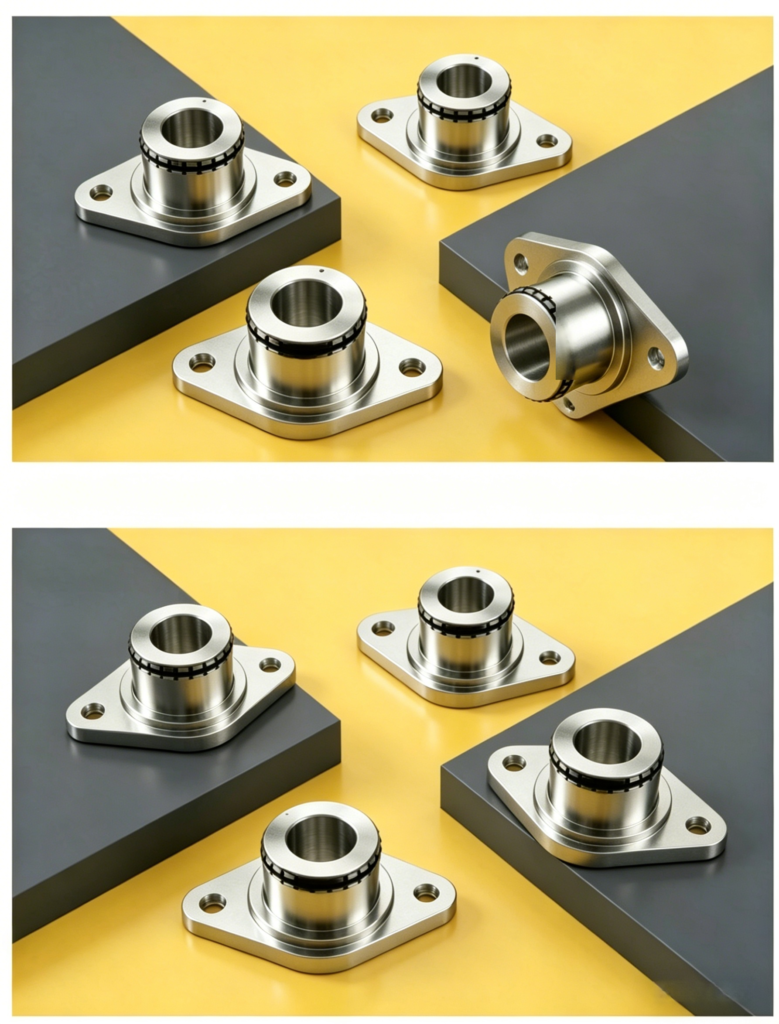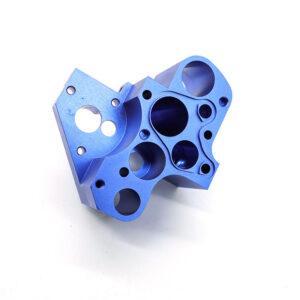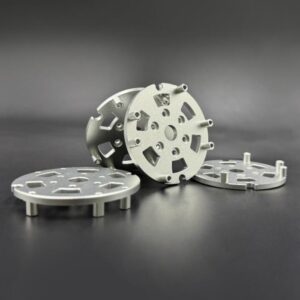
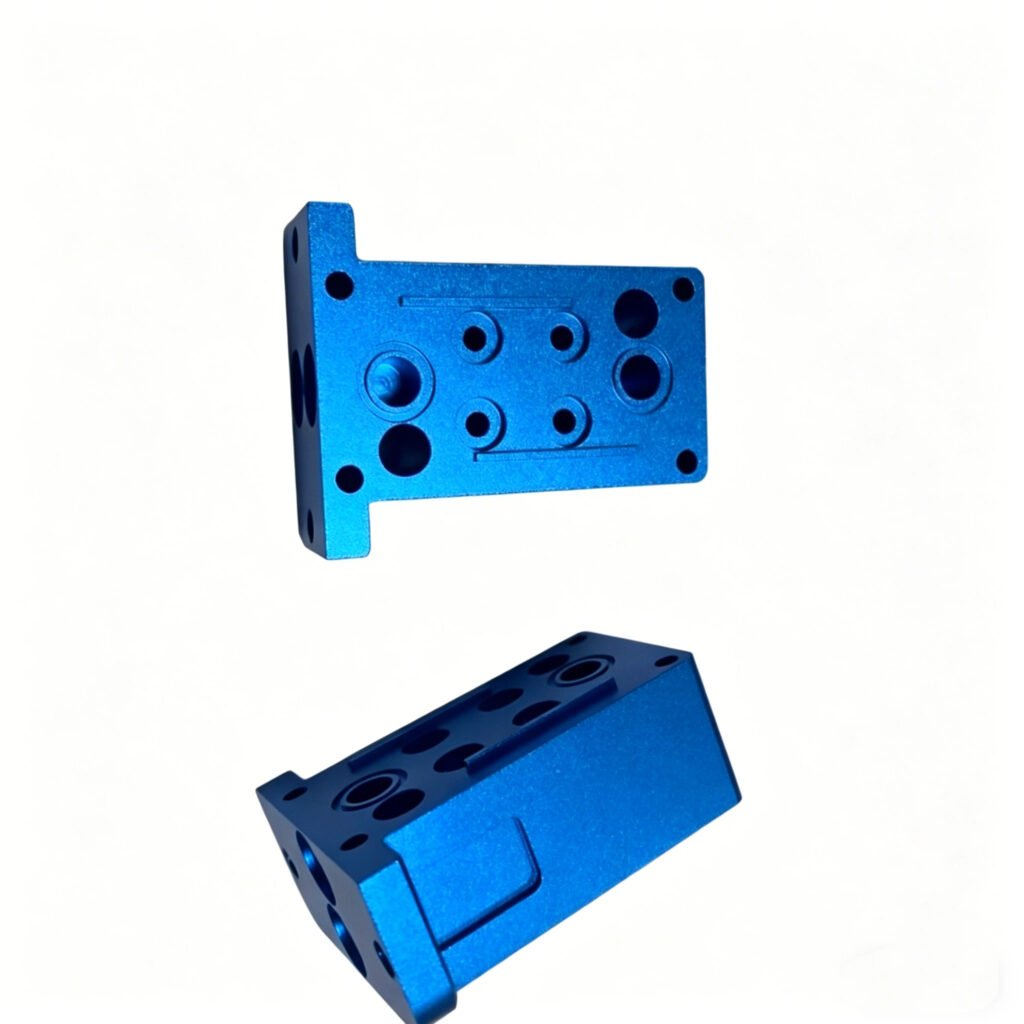
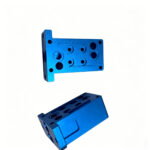
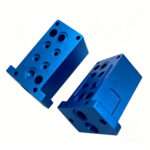

Custom Manufactured Reliable Solenoid Valve Manifold 10 Year Durability Powder Coated Manifold
Request a Quote
Enter the quantity you need and add to your quote list for pricing inquiries.
Product Details
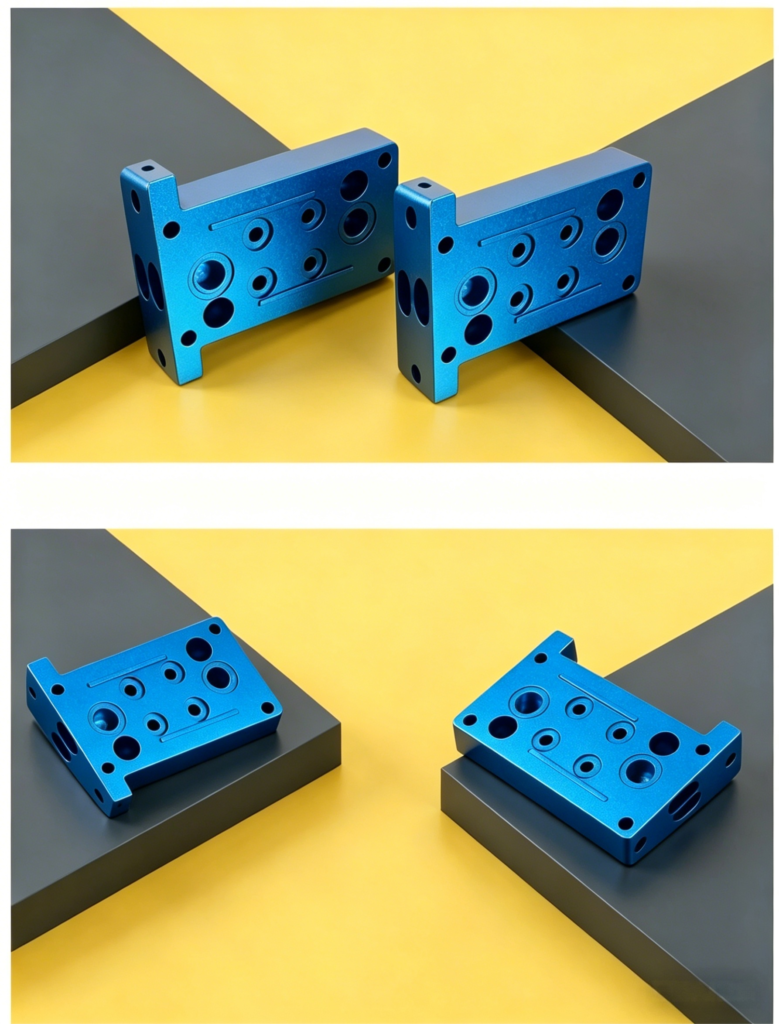
A solenoid valve manifold is a modular assembly that mounts multiple solenoid valves onto a common base with integrated fluid channels. It simplifies pneumatic or hydraulic systems by centralizing valve mounting and reducing external tubing. Manufactured from aluminum, stainless steel, or brass. Available in custom configurations with 2 to 20 stations, port sizes from M5 to 1/2 inch, and various wiring options. Features include common inlet and exhaust channels, individual valve ports, and mounting holes. Custom manifolds available with specific station counts, port sizes, and surface finishes including anodizing and passivation.
What Is a Solenoid Valve Manifold?
A solenoid valve manifold is a modular assembly that mounts multiple solenoid valves onto a common base with integrated fluid channels. The solenoid valve manifold simplifies pneumatic or hydraulic systems by centralizing valve mounting, reducing external tubing, minimizing potential leak points, and providing organized electrical connections. Instead of installing individual valves with separate piping, the solenoid valve manifold consolidates all components into a single, compact unit.
The solenoid valve manifold is characterized by its integrated flow channels, modular design, and space-saving configuration. Typical features include a common inlet port supplying fluid to all valves, individual outlet ports for each valve, shared exhaust channels, wiring channels or connectors for electrical integration, mounting holes for panel or machine attachment, and station-to-station sealing with gaskets or O-rings. Station counts typically range from 2 to 20, with port sizes from M5 to 1/2 inch. The solenoid valve manifold reduces assembly time, simplifies maintenance, and improves system reliability.
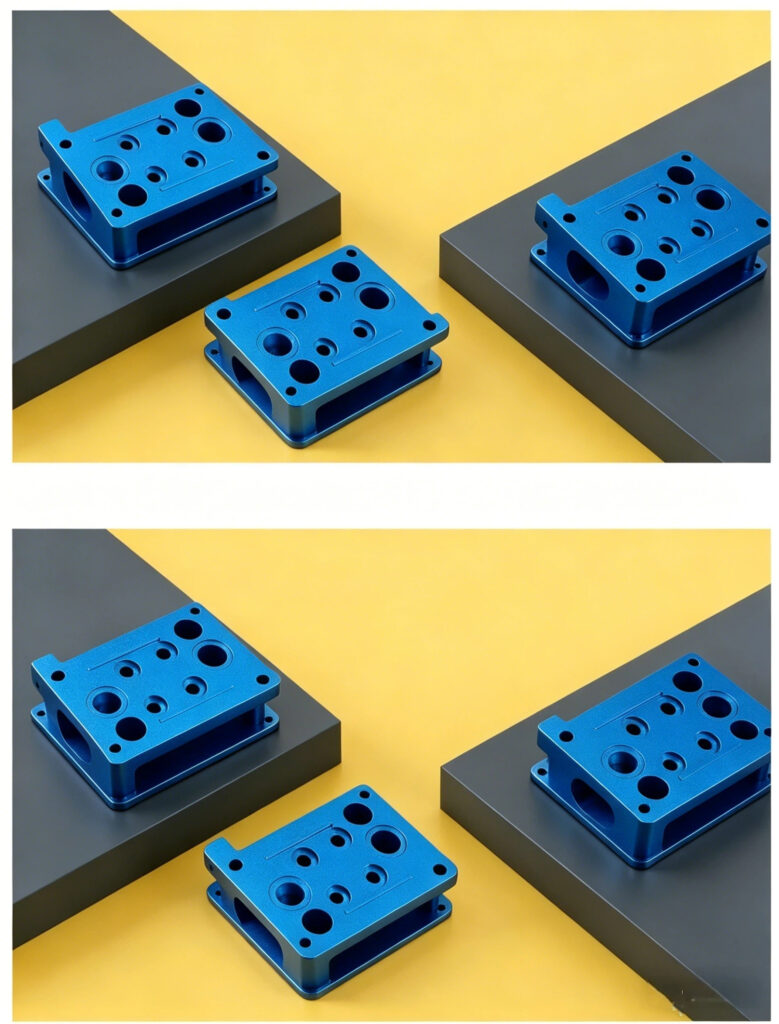
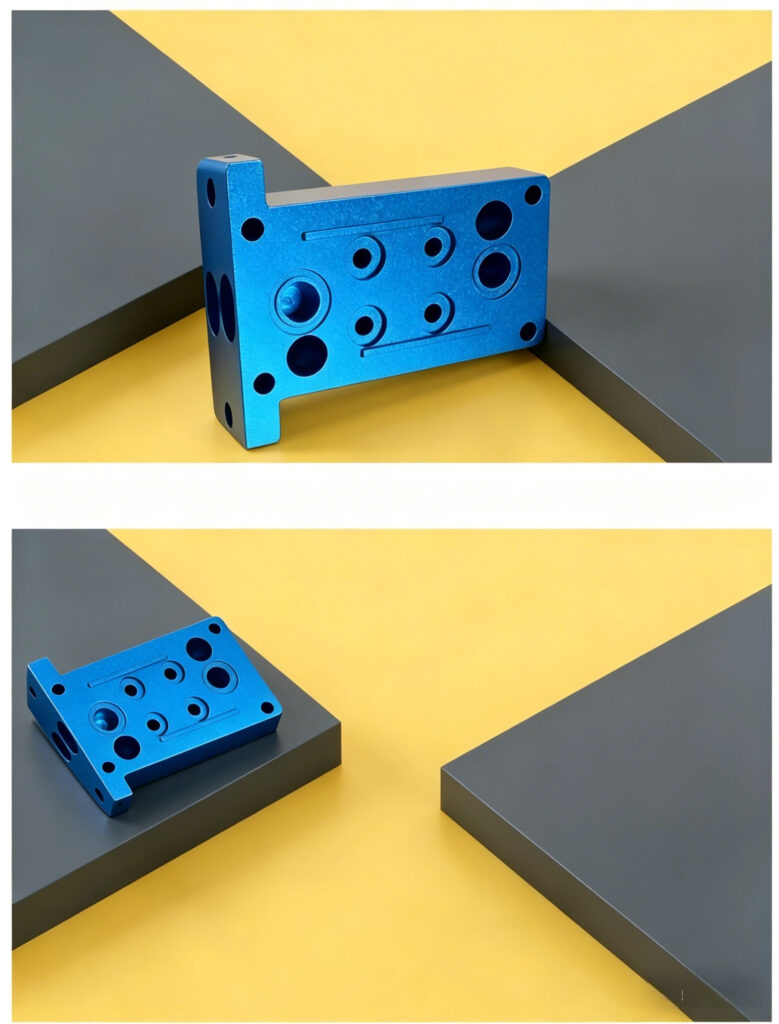
Common Materials for Solenoid Valve Manifold:
Aluminum:
Aluminum is the most common material for solenoid valve manifold production. Offers excellent machinability, lightweight construction, good corrosion resistance, and cost effectiveness. Anodizing provides enhanced wear and corrosion protection. Suitable for most industrial pneumatic applications.
Stainless Steel:
Stainless steel provides superior corrosion resistance and high strength. Suitable for harsh environments including marine, chemical processing, food and beverage, and pharmaceutical applications. Grades 303, 304, and 316 are common.
Brass:
Brass offers good corrosion resistance, excellent machinability, and compatibility with many fluids. Suitable for hydraulic applications, water systems, and instrumentation. Nickel plating is available for enhanced corrosion protection.
Polymer:
Engineering plastics offer lightweight, corrosion-proof, and cost-effective construction. Suitable for lower pressure applications and chemical resistance requirements.
Types of Solenoid Valve Manifolds:
Inline Manifold:
Features valves mounted in a straight line along the manifold body. Simplest design with easy access to all valves. Suitable for general industrial applications where space is not constrained.
Stackable Manifold:
Modular design where individual manifold sections are stacked and bolted together. Allows custom station counts by adding or removing sections. Suitable for systems requiring flexibility in valve quantity.
Compact Manifold:
Designed with closely spaced valves for minimal footprint. Suitable for applications with limited space such as portable equipment and machine tools.
High Flow Manifold:
Features larger internal passages and ports for high flow rate applications. Suitable for heavy-duty pneumatic systems and hydraulic applications.
Custom Manifold:
Engineered to exact specifications including unique station counts, port locations, flow path configurations, and mounting patterns.
Applications Across Industries:
Industrial Automation:
Solenoid valve manifolds are essential in automated manufacturing for controlling pneumatic actuators, cylinders, grippers, and blow-off nozzles. They centralize valve control, simplify wiring, and reduce installation time on assembly lines and robotic cells.
Packaging Machinery:
Solenoid valve manifolds control sealing jaws, film handling, product diverters, and carton forming mechanisms in packaging equipment. High cycle rates demand reliable, fast-acting valve assemblies.
Food and Beverage:
Stainless steel solenoid valve manifolds control ingredient dispensing, filling nozzles, cleaning systems, and product routing. Corrosion resistance and sanitary design are critical for washdown environments.
Medical and Pharmaceutical:
Solenoid valve manifolds regulate fluid flow in diagnostic equipment, drug delivery systems, and laboratory instruments. Compact size, precision flow control, and cleanability are essential.
Automotive Manufacturing:
Paint shops, assembly lines, and test stands use solenoid valve manifolds to control pneumatic tools, paint sprayers, and fixture clamps. High reliability and fast response are required.
Water Treatment:
Solenoid valve manifolds control chemical dosing pumps, filter backwash cycles, and sample collection systems. Corrosion-resistant materials withstand aggressive chemicals.
Excellent Case: Automated Assembly Line
Background: An automotive parts manufacturer needed to control 24 pneumatic cylinders on an assembly line. Individual valves with separate tubing and wiring created a complex, difficult-to-maintain system with over 100 tube fittings and potential leak points.
Solution: A custom solenoid valve manifold was designed with 12 stations, each controlling two cylinders (24 total outputs). The manifold featured common inlet and exhaust, individual pressure regulators, and a pre-wired multi-pin electrical connector.
Results:
- Installation Time: Reduced from 2 days to 4 hours
- Leak Points: Reduced from over 100 to just 6 connections
- Panel Space: Reduced by 70 percent
- Maintenance: Valve replacement time reduced from 30 minutes to 5 minutes
- Reliability: Zero leak-related downtime in 12 months of operation
This case demonstrates how the solenoid valve manifold simplifies complex pneumatic systems while improving reliability and maintainability.
Installation Best Practices:
Proper installation ensures the solenoid valve manifold performs reliably. Mount the manifold on a flat, rigid surface to prevent distortion. Apply correct torque to mounting bolts, avoiding over-tightening which can warp the manifold. Connect the common inlet to a filtered, regulated air supply. Install fittings with appropriate sealant, avoiding PTFE tape on tapered threads. Wire valves according to the schematic, using proper strain relief for cables. Test each valve individually after installation to verify correct operation.
Maintenance and Troubleshooting:
Regular maintenance extends solenoid valve manifold life. Inspect for leaks using soap solution or electronic leak detectors. Clean or replace inlet filter elements regularly. Verify voltage at each valve coil if valves fail to actuate. Check for debris in valve seats if valves leak or fail to seal. Replace worn O-rings or gaskets between manifold sections.
Conclusion:
The solenoid valve manifold represents an efficient, reliable solution for controlling multiple fluid power circuits in a compact footprint. By centralizing valve mounting, integrating flow paths, and simplifying connections, it reduces installation time, minimizes leak points, and improves system reliability. By understanding the materials, types, and selection criteria outlined in this guide, the right solenoid valve manifold can be selected for any application—from standard industrial automation to custom engineered solutions for demanding environments.