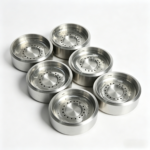
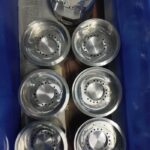
Beauty Custom Piston Crown 2 Piece Design High Strength Forged Aluminum Alloy Piston Crown for Diesel Engines
Request a Quote
Enter the quantity you need and add to your quote list for pricing inquiries.
Product Details
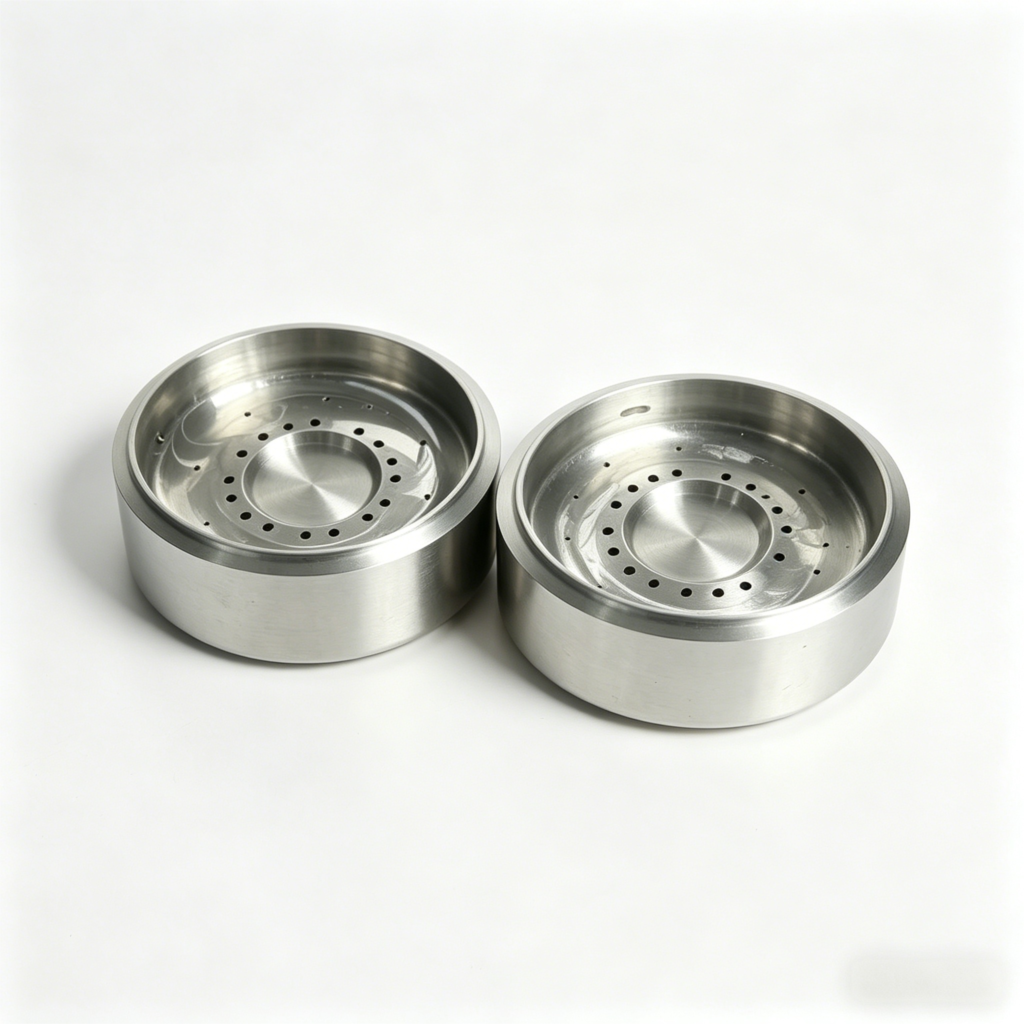
The piston crown is the top portion of a piston that faces the combustion chamber in an internal combustion engine. It withstands extreme temperatures, high pressures, and rapid cyclic loading. Manufactured from forged aluminum, steel, Inconel, or titanium. Features include combustion bowl, valve pockets, ring grooves, and optional cooling gallery. Suitable for automotive, diesel, racing, marine, and industrial engines. Custom piston crowns available with specific bowl geometries, valve pocket depths, and thermal barrier coatings.
What Is a Piston Crown?
A piston crown is the top portion of a piston that faces the combustion chamber in an internal combustion engine. It is subjected to extreme temperatures, high pressures, and rapid cyclic loading, making it one of the most demanding components in any engine. It directly experiences combustion forces and transfers them through the piston body to the connecting rod.
It is characterized by its complex geometry designed to optimize combustion efficiency, control flame propagation, and manage thermal loads. Typical features of a piston crown include combustion bowl or recess shapes that direct fuel spray and air mixing, valve pockets that provide clearance for engine valves, ring grooves that accommodate piston rings for sealing, and cooling galleries or channels for oil circulation. Materials range from aluminum alloys for standard applications to forged steel, Inconel, and titanium for high-performance and heavy-duty engines.
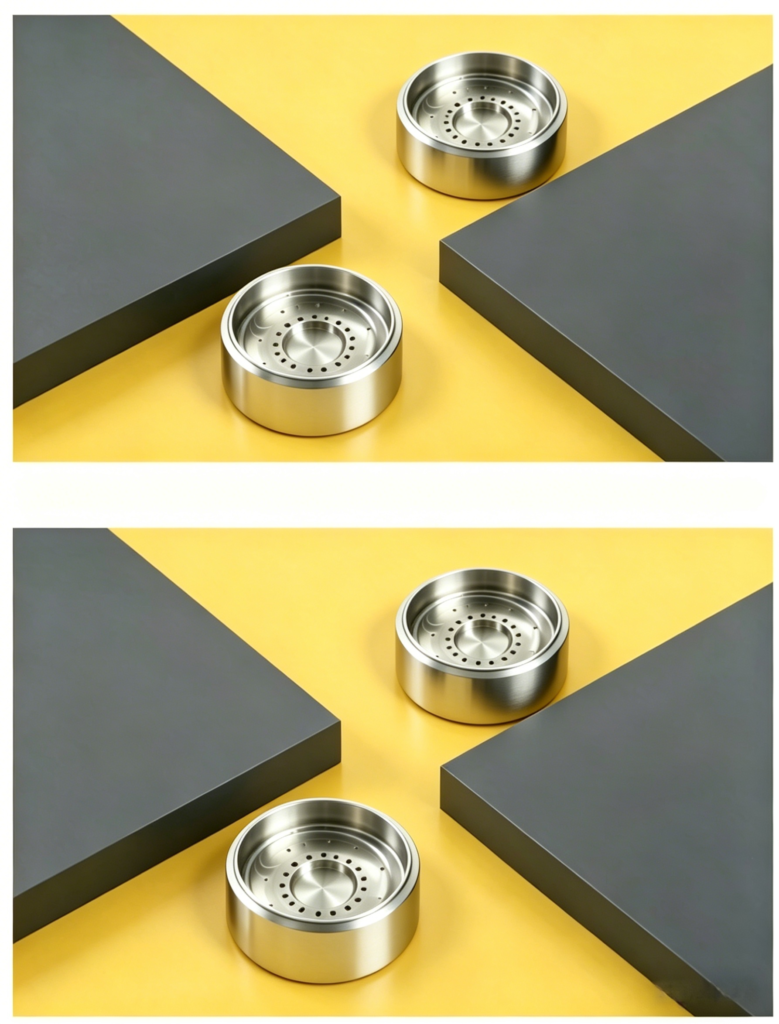
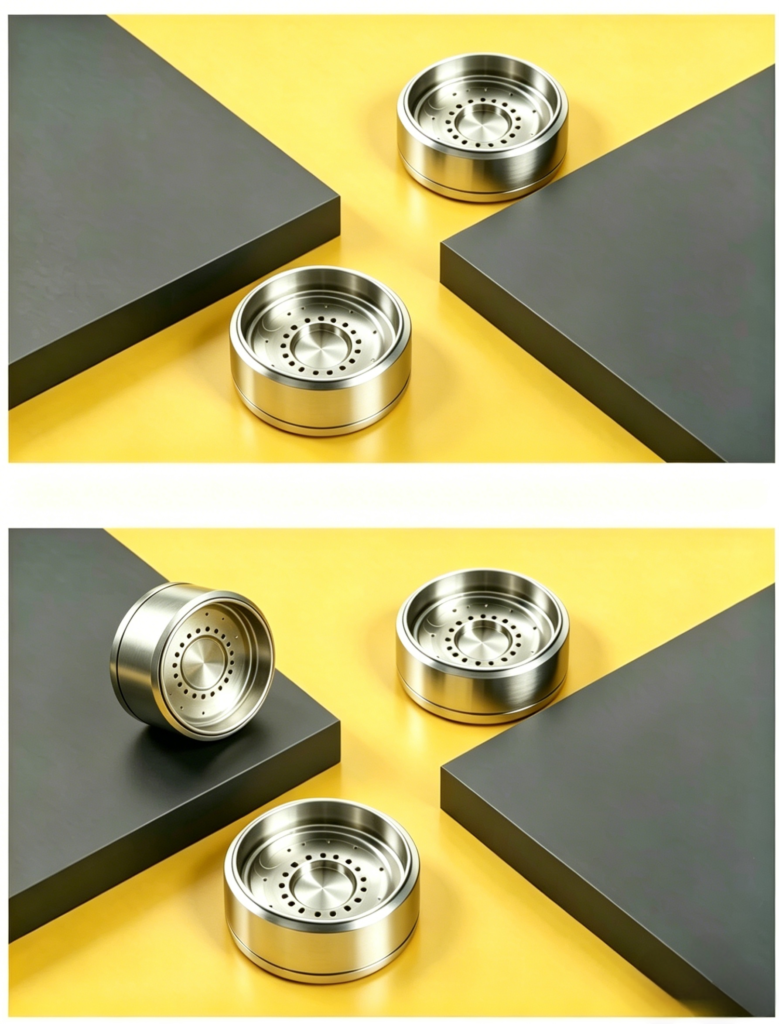
Common Materials for Piston Crown:
A4032 Aluminum Alloy:
A high-silicon aluminum alloy offering excellent wear resistance, good high-temperature strength, and low thermal expansion. Suitable for most automotive and light-duty diesel engines.
A2618 Aluminum Alloy:
A forged aluminum alloy with superior high-temperature strength. Ideal for high-performance gasoline engines, turbocharged applications, and racing engines.
4032 Forged Aluminum:
Provides excellent combination of strength, wear resistance, and thermal conductivity. Commonly used in modern automotive pistons.
Steel (4140 or 4340):
Forged steel offers exceptional strength for high-boost diesel engines and heavy-duty applications. Resists cracking under extreme mechanical and thermal loads.
Inconel 718:
A nickel-based superalloy with outstanding high-temperature strength and oxidation resistance. Used in extreme applications including racing, marine, and aerospace engines.
Titanium Alloy:
Ultra-lightweight with excellent strength-to-weight ratio. Used in high-end racing and performance applications where weight reduction is critical.
Specifications:
Typical specifications for a piston crown include:
| Parameter | Typical Range |
| Diameter | 50 mm to 200 mm (2 to 8 inches) |
| Compression Height | 30 mm to 100 mm |
| Number of Ring Grooves | 2 to 4 grooves |
| Valve Pocket Depth | 1 mm to 5 mm |
| Combustion Bowl Volume | 5 cc to 80 cc |
| Material | A4032, A2618, steel, Inconel, titanium |
| Dimensional Tolerance | ±0.001 to ±0.005 inches |
| Surface Finish | Ra 0.4 to 1.6 μm |
Applications Across Industries:
The piston crown is essential across numerous engine applications:
Automotive Gasoline Engines:
Piston crowns in passenger car engines are typically forged aluminum with optimized combustion bowl shapes for efficiency and power. Applications include naturally aspirated, turbocharged, and direct injection engines.
Diesel Engines:
Piston crowns in diesel engines feature deep combustion bowls for fuel-air mixing. Steel pistons or aluminum with cooling galleries are common in heavy-duty diesel applications.
High-Performance and Racing:
Racing engines use specialized piston crowns made from forged aluminum, steel, or titanium. Features include thermal barrier coatings, optimized ring groove placement, and lightweight construction.
Marine Engines:
Piston crowns in marine engines must withstand continuous high-load operation. Corrosion-resistant materials and robust cooling features are essential.
Industrial Engines:
Generator sets, compressors, and pumps use piston crowns designed for long service life and reliability. Steel or heavy-duty aluminum constructions are typical.
Aerospace Engines:
Aircraft piston engines require piston crowns with exceptional reliability and heat resistance. Forged aluminum or steel with specialized coatings are used.
Excellent Use Case: High-Performance Diesel Racing Engine:
Background:
A diesel racing team needed a piston crown capable of withstanding extreme cylinder pressures exceeding 250 bar while maintaining reliability throughout a racing season. Standard aluminum pistons experienced cracking after limited running time.
Solution:
A forged steel piston crown was designed with an optimized combustion bowl geometry, integrated cooling gallery for oil circulation, and ceramic thermal barrier coating on the crown surface. The piston featured reinforced ring groove area and improved valve pocket design.
Results:
- Strength Increase: Withstood cylinder pressures up to 300 bar without failure
- Temperature Reduction: Cooling gallery lowered crown temperature by 80°C
- Service Life: Extended from 500 racing miles to over 3,000 miles
- Performance: 15% increase in power output due to optimized combustion
- Reliability: Zero piston-related failures throughout racing season
This case demonstrates how the piston crown delivers exceptional strength, thermal management, and reliability for demanding high-performance diesel applications.
How to Select the Right Piston Crown:
Choosing the appropriate piston crown requires careful consideration of several factors:
Engine Type:
Gasoline, diesel, or alternative fuel engines have different combustion characteristics and load profiles.
Power Output:
Higher power outputs require stronger materials such as forged steel or Inconel rather than cast aluminum.
Operating Temperature:
Peak combustion temperatures determine whether aluminum, steel, or superalloys are required.
Boost Pressure:
Turbocharged or supercharged engines produce higher cylinder pressures requiring stronger piston crown designs.
Engine Speed:
Higher RPM applications benefit from lighter materials such as forged aluminum or titanium.
Duty Cycle:
Continuous high-load operation demands more robust cooling features and stronger materials.
Installation Best Practices:
Proper installation ensures the piston crown performs reliably:
Verify Clearance:
Measure piston-to-cylinder wall clearance according to manufacturer specifications. Insufficient clearance causes seizure.
Check Ring Gap:
Verify piston ring end gaps are within specified range. Excessive gap causes blow-by; insufficient gap causes ring breakage.
Lubricate During Assembly:
Apply clean engine oil to piston rings, ring grooves, and cylinder walls before installation.
Use Proper Tools:
Use piston ring compressor tools to avoid damaging the piston crown or rings during installation.
Torque Connecting Rod Bolts:
Follow manufacturer torque specifications for connecting rod bolts using a calibrated torque wrench.
Conclusion:
The piston crown represents one of the most critical and demanding components in any internal combustion engine, directly experiencing combustion forces, extreme temperatures, and rapid cyclic loading. By understanding the materials, design features, and selection criteria outlined in this guide, the right piston crown can be specified for any application—from standard automotive engines to custom engineered solutions for racing, marine, and industrial power generation.