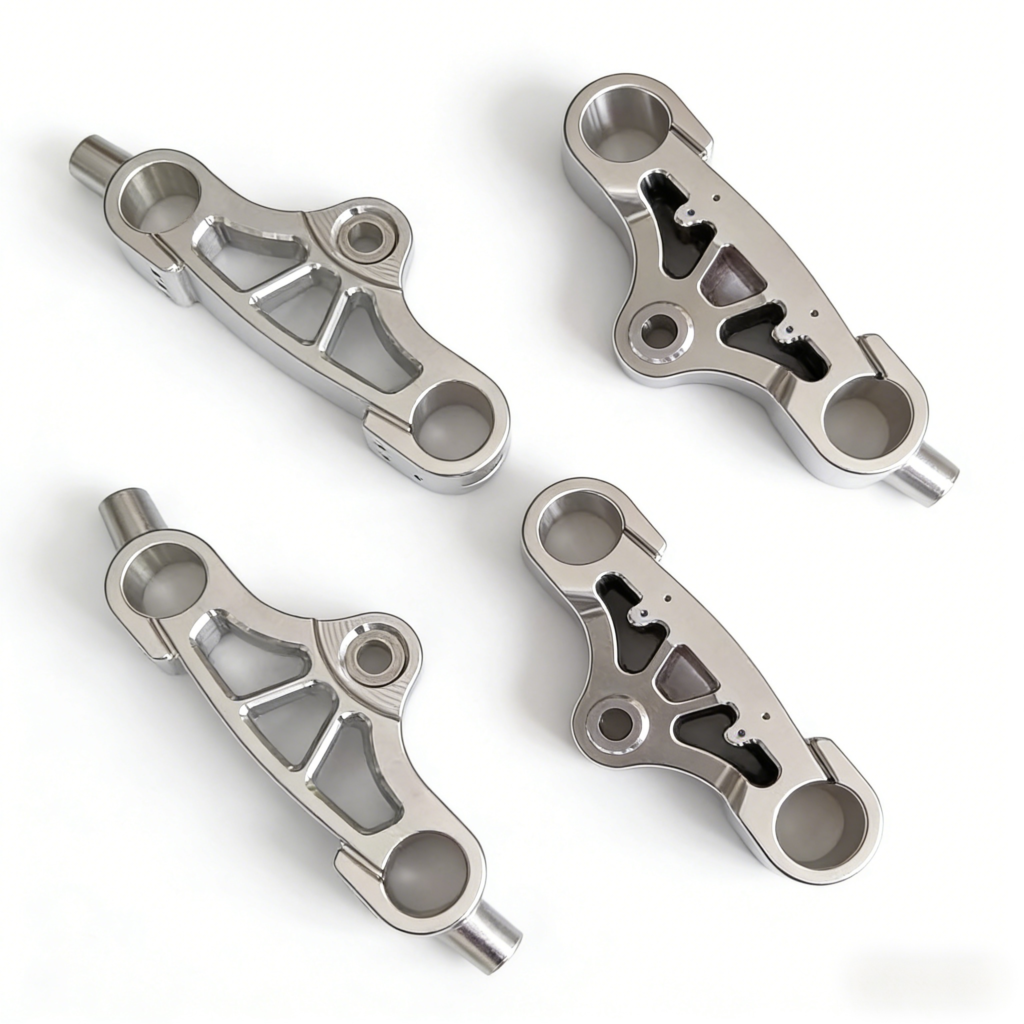
Personalized Top Triple Clamp 10 Year Durability CNC Billet Clamp for Custom Chopper Builds
Request a Quote
Enter the quantity you need and add to your quote list for pricing inquiries.
Product Details
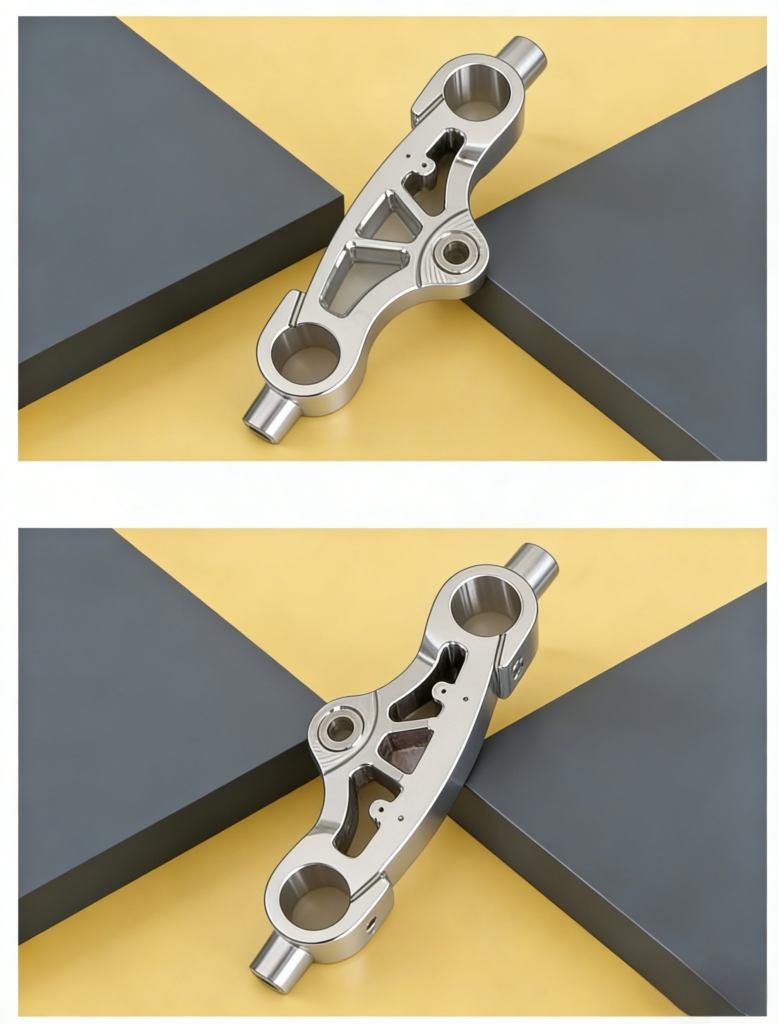
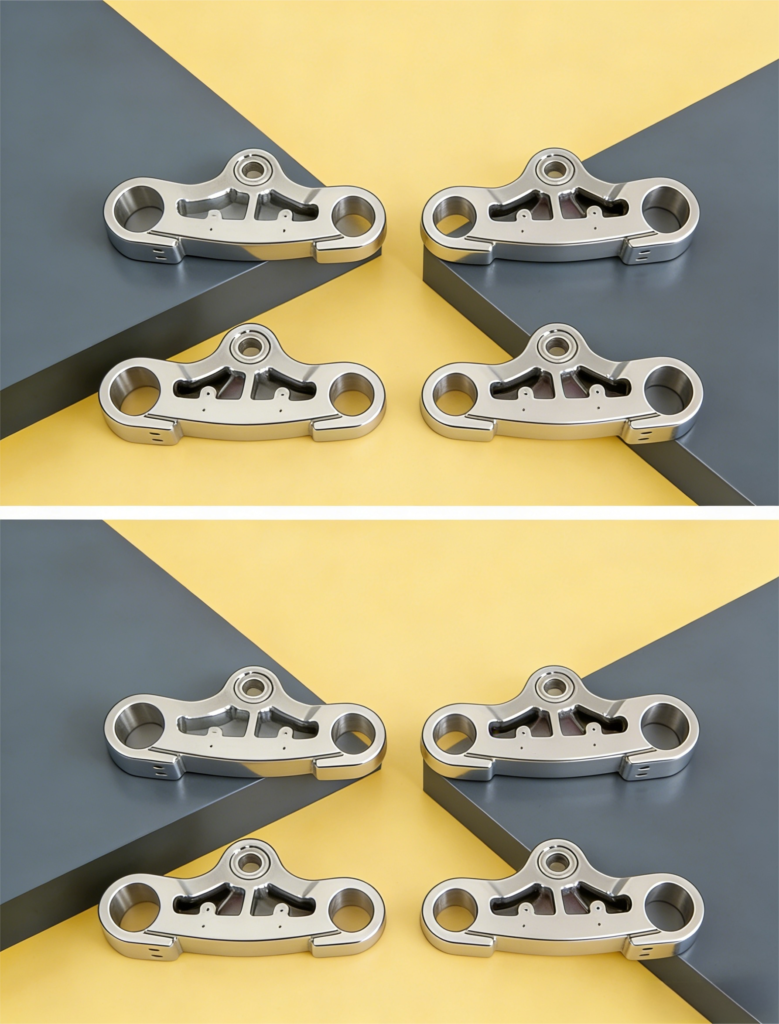
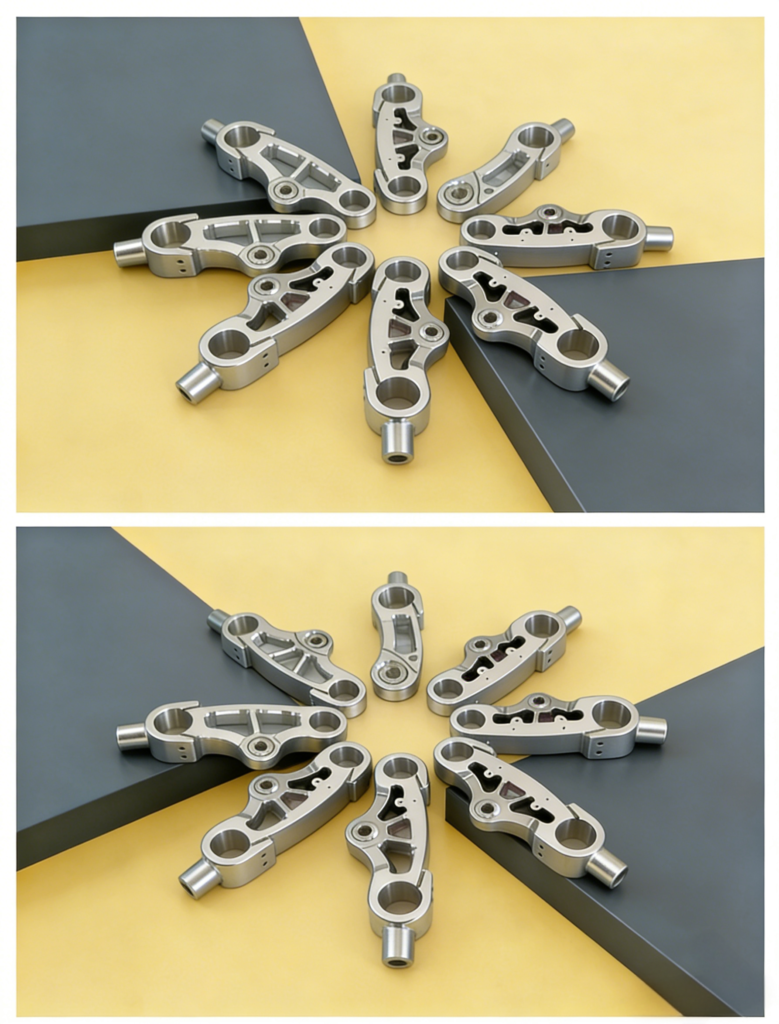
The top triple clamp is a precision steering component that connects the motorcycle fork tubes to the frame steering stem. It secures the front suspension assembly and provides mounting points for handlebars. Manufactured from high strength aluminum alloy with CNC machining for accurate fork bore alignment. Available in custom configurations with specific offsets, rise heights, and handlebar mounting patterns. Suitable for sport bikes, dirt bikes, cruisers, and custom motorcycle builds. Custom clamps can be engineered with tight tolerances for perfect fitment and improved handling characteristics.
What Is a Top Triple Clamp?
A top triple clamp is a steering component that sits atop the motorcycle fork assembly, clamping the upper portion of both fork tubes while connecting to the steering stem. Along with the lower triple clamp, it forms the triple tree assembly that allows the front wheel to pivot for steering.
This component performs several critical functions. It securely clamps both fork tubes to prevent rotation or vertical movement. It connects the fork assembly to the steering stem for directional control. It provides a mounting platform for handlebars or clip ons. It maintains precise fork tube spacing and alignment. It transfers steering inputs from the handlebars to the front wheel.
Available in various configurations for different motorcycle types, the top triple clamp is fundamental to motorcycle front end performance and safety.
How a Top Triple Clamp Works:
The operation of a top triple clamp is based on precise clamping force and geometric alignment. The clamp features two fork bores that receive the upper portion of each fork tube. Pinch bolts tighten around the tubes, securing them in place. The central steering stem bore accepts the steering stem, which passes through the frame head tube to the lower triple clamp.
When the rider turns the handlebars, the top triple clamp rotates the steering stem, which turns the lower triple clamp and the attached front wheel. The rigid connection between both fork tubes ensures they move together as a unit, maintaining proper wheel alignment throughout the steering range.
Several critical factors affect performance. Clamping force determines how securely the fork tubes are held. Bore alignment affects fork parallelism and smooth operation. Material strength influences stiffness and weight. Offset dimension affects steering geometry and handling characteristics.
For optimal performance, the top triple clamp must be manufactured with precise bore diameters, accurate bolt hole locations, and appropriate material properties.
Types of Top Triple Clamps:
Standard OEM Top Triple Clamp:
Original equipment clamps designed for specific motorcycle models. Typically cast aluminum or steel, offering reliable performance for street riding.
Adjustable Offset Top Triple Clamp:
Features interchangeable inserts or adjustable mounting positions to change fork offset. Allows fine tuning of steering geometry for racing or custom applications.
Racing Top Triple Clamp:
Lightweight design with aggressive styling, often featuring recessed hardware and integrated steering stops. Popular on sport bikes and race builds.
Handlebar Mount Top Triple Clamp:
Integrated handlebar mounting bosses for traditional handlebars. Common on cruisers, adventure bikes, and dual sport motorcycles.
Clip On Top Triple Clamp:
Smooth top surface designed for clip on handlebars that clamp directly to the fork tubes. Standard on sport bikes and cafe racers.
Custom Top Triple Clamp:
Engineered to exact specifications for unique applications including custom frames, fork swaps, and one-off builds.
Materials and Manufacturing:
The performance and longevity of a top triple clamp are heavily influenced by material selection:
Cast Aluminum:
Common on OEM applications. Offers good strength to weight ratio at economical cost. A356 aluminum is typical.
Billet Aluminum:
Premium material for performance and custom clamps. CNC machined from 6061 or 7075 aluminum for superior strength, precision tolerances, and aesthetic appearance.
Forged Aluminum:
Stronger than cast with better grain structure. Used on high performance OEM and aftermarket clamps.
Steel:
Heavy but extremely strong. Found on some cruisers, vintage bikes, and heavy duty applications.
Carbon Fiber:
Ultra lightweight for racing applications. Requires aluminum inserts at clamping surfaces.
Manufacturing Processes:
CNC machining for precision tolerances and custom work, casting for economical high volume production, forging for maximum strength, and anodizing or powder coating for surface finish and corrosion protection.
Key Applications Across Motorcycle Types:
The versatility of the top triple clamp makes it essential across all motorcycle categories:
Sport Bikes:
Lightweight billet clamps with aggressive styling and clip on handlebar compatibility. Offset adjustment allows fine tuning of steering response.
Dirt Bikes:
Durable clamps with rubber mounted handlebar risers to absorb vibration and impact. Often feature integrated odometer or computer mounts.
Cruisers:
Wide clamps with traditional handlebar mounting. Chrome or polished finishes for aesthetic appeal.
Adventure Bikes:
Robust clamps with accessory mounting points for GPS, phones, or navigation devices.
Cafe Racers:
Sleek, minimalist designs for clip on handlebars. Often feature top mounted steering damper mounts.
Custom Builds:
Unique designs tailored to specific frames, fork swaps, or aesthetic preferences.
How to Select the Right Top Triple Clamp:
Choosing the appropriate top triple clamp requires careful consideration of several factors:
Fork Tube Diameter:
The fork bores must match the exact outer diameter of your fork tubes. Common sizes include 41mm, 43mm, 49mm, 50mm, and 54mm.
Steering Stem Compatibility:
The stem bore and nut must match your steering stem thread size and design.
Offset Requirement:
Offset affects steering trail and handling. Stock offset is typically 25mm to 35mm. Adjustable clamps allow fine tuning.
Handlebar Type:
Determine whether you need traditional handlebar mounts or clip on compatibility.
Material Selection:
Billet aluminum for strength and appearance, cast aluminum for economy, steel for heavy duty applications.
Riding Style:
Street riding requires durability and comfort. Racing demands light weight and adjustability. Off road needs impact resistance and vibration damping.
Customization Needs:
For fork swaps or custom frames, custom clamps can be engineered to specific dimensions and bolt patterns.
Customization Capabilities:
For applications requiring unique specifications, custom top triple clamps offer tailored solutions. Customization options include:
Fork Bore Diameter:
Specific sizes to match non-standard fork tubes with tolerances such as ±0.001 inch.
Offset Dimension:
Custom offset for specific steering geometry requirements.
Handlebar Mounting:
Traditional 1 inch or 1-1/8 inch handlebar mounts, or clip on compatible smooth top design.
Riser Height:
Specific handlebar rise for rider ergonomics and clearance.
Accessory Mounts:
Integrated mounting points for steering dampers, GPS devices, or instrument clusters.
Surface Finish:
Anodizing in various colors, powder coating, or polished bare aluminum.
To optimize for SEO and help users find the right product, it is important to categorize the different types available:
Standard OEM Top Triple Clamp: Original equipment clamps designed for specific motorcycle models. Typically cast aluminum or steel, offering reliable performance for street riding.
Adjustable Offset Top Triple Clamp: Features interchangeable inserts or adjustable mounting positions to change fork offset. Allows fine tuning of steering geometry for racing or custom applications.
Racing Top Triple Clamp: Lightweight design with aggressive styling, often featuring recessed hardware and integrated steering stops. Popular on sport bikes and race builds.
Handlebar Mount Top Triple Clamp: Integrated handlebar mounting bosses for traditional handlebars. Common on cruisers, adventure bikes, and dual sport motorcycles.
Clip On Top Triple Clamp: Smooth top surface designed for clip on handlebars that clamp directly to the fork tubes. Standard on sport bikes and cafe racers.
Custom Top Triple Clamp: Engineered to exact specifications for unique applications including custom frames, fork swaps, and one off builds.
Installation Best Practices:
Proper installation ensures the top triple clamp performs reliably:
Clean All Surfaces: Remove dirt and debris from fork tubes and steering stem before installation.
Use Proper Torque: Follow manufacturer specifications for pinch bolt torque. Over tightening can deform fork tubes or strip threads.
Tighten Evenly: Alternate between pinch bolts when tightening to ensure even clamping pressure.
Maintain Fork Alignment: Ensure fork tubes are at equal height above the top clamp for proper chassis geometry.
Verify Steering Movement: After installation, turn handlebars lock to lock to verify smooth operation without binding.
Maintenance and Troubleshooting:
Regular attention to the top triple clamp prevents steering issues:
Check Bolt Tightness: Periodically verify pinch bolt torque, especially after initial installation and break in.
Inspect for Cracks: Check cast clamps for cracks that could lead to catastrophic failure.
Lubricate Steering Bearings: Access steering head bearings through the top clamp for periodic lubrication.
Verify Fork Tube Position: Ensure fork tubes remain at equal height and haven’t slipped in the clamps.
Common Failure Modes:
Understanding potential failure points helps with preventive maintenance:
Pinch Bolt Stripping: Over tightening damages threads. Use a torque wrench and replace damaged bolts.
Clamp Cracking: Excessive clamping force or manufacturing defects can cause cracks.
Fork Tube Slippage: Insufficient clamping allows fork tubes to slide up or rotate.
Corrosion: Unprotected steel or poor quality aluminum clamps can corrode, especially in wet climates.
Performance Upgrades:
Upgrading the top triple clamp can transform motorcycle handling:
Reduced Offset: Decreases trail for quicker steering response, popular for track day and racing use.
Increased Offset: Increases trail for more straight line stability, useful for high speed riding.
Lightweight Materials: Billet aluminum reduces unsprung weight for improved suspension action.
Adjustable Offset: Allows fine tuning of steering characteristics for different tracks or riding conditions.
Future Trends:
The top triple clamp continues to evolve with motorcycle technology:
Integrated Electronics: Clamps with built in display mounts or sensor integration.
Advanced Materials: Increased use of carbon fiber and magnesium for weight reduction.
Modular Designs: Interchangeable components for easy offset and handlebar changes.
Additive Manufacturing: 3D printed clamps for custom and low volume applications.
Conclusion:
The top triple clamp may appear to be a simple component, but its role in motorcycle handling and safety is profound. By securely connecting the fork tubes to the steering stem, this essential part ensures precise steering control, stable front suspension performance, and rider comfort.
By understanding the types, materials, and selection criteria outlined in this guide, you can confidently choose the right top triple clamp for your motorcycle—whether a standard replacement part or a custom engineered design for unique requirements.