Ultimate Titanium CNC Machining Beautiful Anodizing Chemical Resistant
Request a Quote
Enter the quantity you need and add to your quote list for pricing inquiries.
Product Details
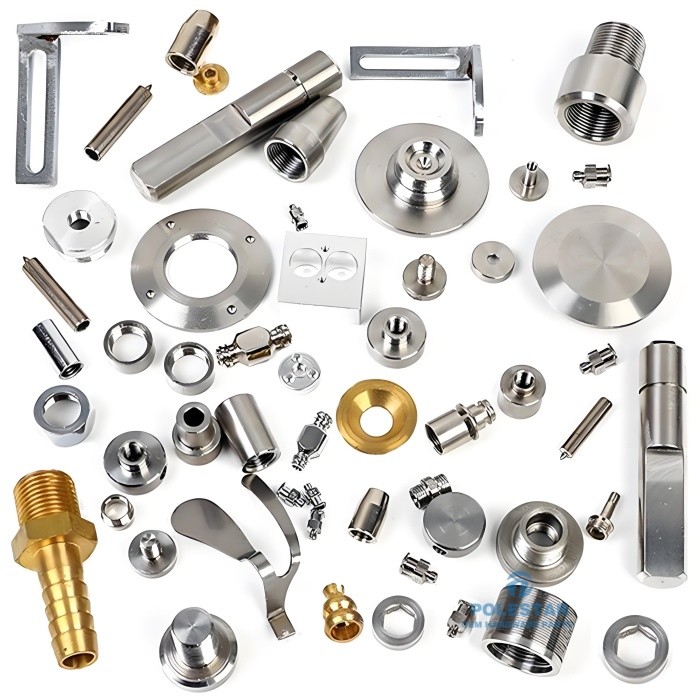
Titanium CNC machining is the precision subtractive manufacturing process of creating complex components from titanium alloys using computer-controlled mills, lathes, and multi-axis equipment. It delivers high-strength, lightweight parts with exceptional corrosion resistance for demanding applications.
What Is Titanium CNC Machining?
Titanium CNC machining involves the precision removal of material from titanium workpieces using automated cutting tools guided by CAD/CAM software. Unlike machining of aluminum or steel, titanium CNC machining requires specialized tooling, rigid fixturing, and controlled cutting parameters due to titanium’s low thermal conductivity and high work-hardening tendency. MRO buyers evaluate titanium CNC machining capabilities based on achievable tolerances (±0.005 mm), surface finish (Ra 0.4–1.6 µm), and certification to AS9100 or ISO 13485 for aerospace and medical applications.
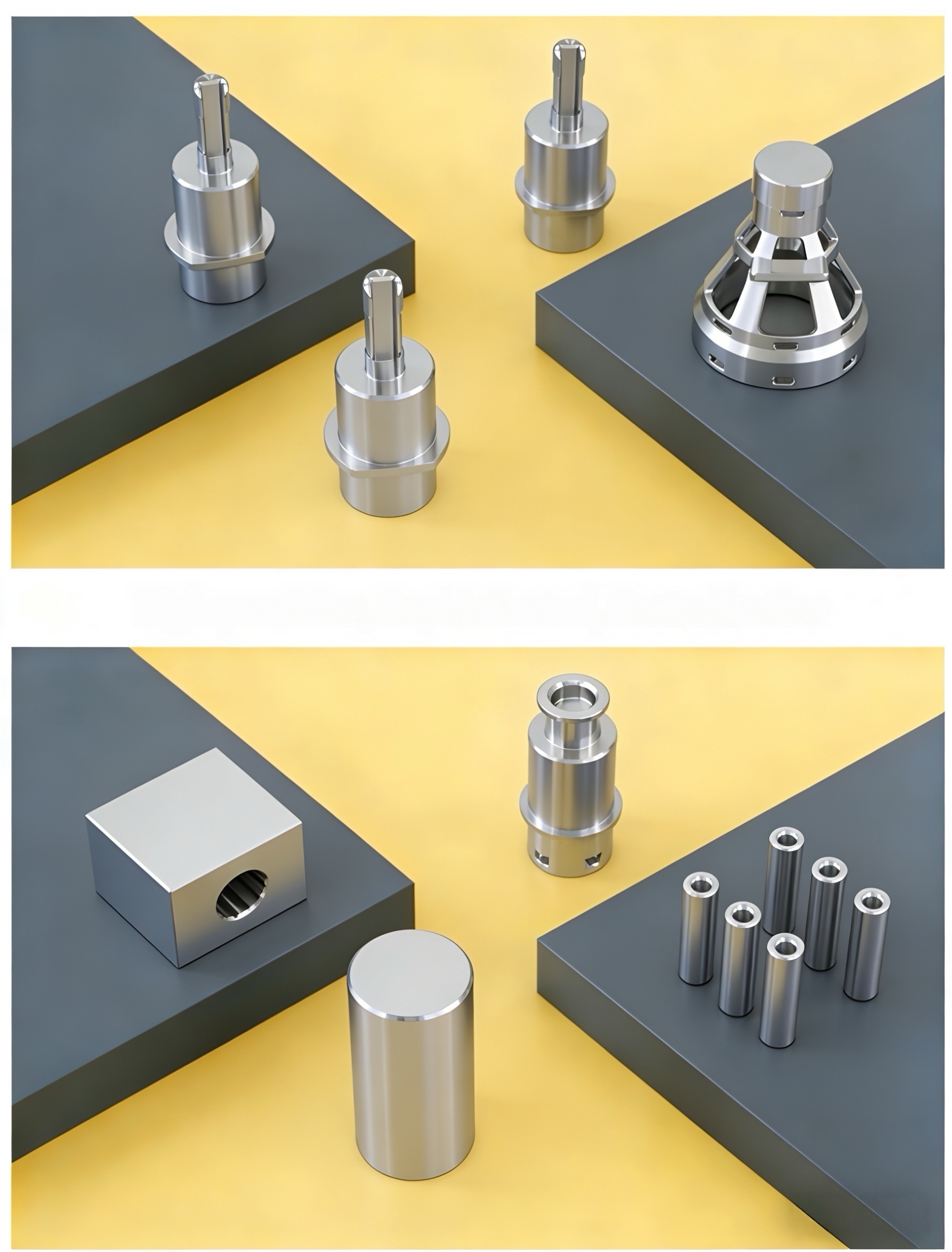
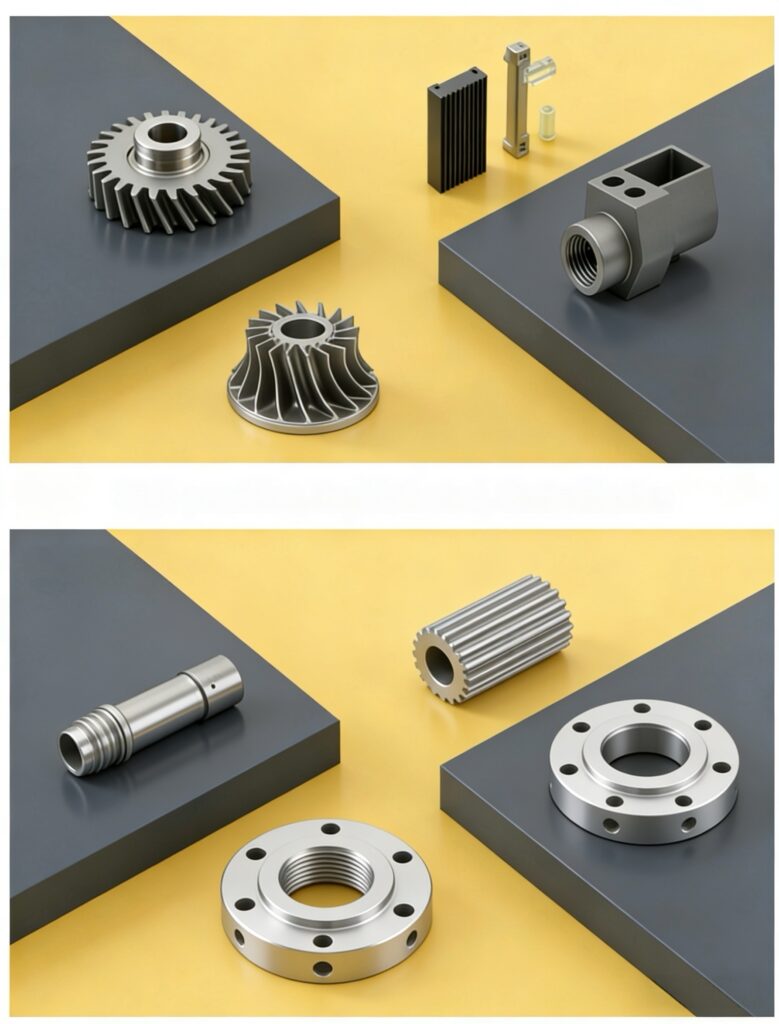
Material:
| Alloy | Property | Key Data |
| Grade 2 (CP Titanium) | Corrosion Resistance | Commercially Pure, Chemical Processing |
| Grade 5 (Ti-6Al-4V) | Strength | 1,100 MPa Tensile, Aerospace Standard |
| Grade 23 (Ti-6Al-4V ELI) | Fracture Toughness | Medical Grade, Implant Applications |
| Grade 9 (Ti-3Al-2.5V) | Formability | Hydraulic Tubing, Bicycle Components |
| Grade 12 (Ti-0.3Mo-0.8Ni) | Crevice Corrosion | Heat Exchangers, Marine |
| Grade 7 (Ti-0.15Pd) | Acid Resistance | Chemical Processing Vessels |
Surface Treatment:
| Treatment | Standard | Key Data |
| Bead Blasting | SSPC-SP10 | 1.5–3.0µm Ra, Matte Uniform Finish |
| Electropolishing | ASTM B912 | Ra 0.2–0.4µm, Oxide Layer Removal |
| Anodizing (Type I-III) | ASTM B265 | 5–50µm, Color Identification, Wear Resistance |
| Passivation | ASTM A967 | Oxide Layer Enhancement, Corrosion Resistance |
| PVD Coating (TiN, TiAlN) | AMS 2482 | 2–5µm, Hardness 2,000–3,000 HV |
| Chemical Etching | Marking/Identification | Batch Traceability |
| Bulk Finishing | Tumbling/Centrifugal | Edge Break, Surface Deburring |
Applications:
| Sector | Key Requirement | Typical Spec |
| Aerospace | High Strength-to-Weight Ratio | Ti-6Al-4V, 1,100 MPa Tensile |
| Medical Implants | Biocompatibility, Osseointegration | Grade 23 ELI, ISO 13485 |
| Chemical Processing | Corrosion Resistance | Grade 2, Grade 7, ASME BPE |
| Marine | Crevice Corrosion Resistance | Grade 12, 500+ hrs Salt Spray |
| Motorsports | Lightweight, High Fatigue Strength | Grade 5, 6Al-4V, 4,500+ psi Fatigue |
| Oil & Gas | Sour Service Resistance | NACE MR0175, Grade 5/29 |
Case Study: Titanium CNC Machining for Aerospace Actuator Housing
Challenge: An aerospace OEM required 850 titanium actuator housings annually for commercial aircraft flight control systems. The existing forging with secondary machining exhibited 14% scrap rate due to inconsistent wall thickness and high cycle times (6.5 hours per part). Weight reduction targets demanded 25% mass reduction from prior steel designs while maintaining 850 MPa minimum tensile strength.
Solution: A titanium CNC machining solution was developed using Ti-6Al-4V (Grade 5) billet with 5-axis CNC machining. The titanium CNC machining process incorporated:
Material Selection: Ti-6Al-4V annealed bar, ASTM B348 certified, providing 1,100 MPa tensile strength with 8.8 g/cm³ density—45% lighter than alloy steel
5-Axis Machining: Single-setup machining on DMG MORI 5-axis mill, reducing fixturing errors and achieving ±0.02 mm tolerance on 48 critical features
Tooling Strategy: Carbide end mills with TiAlN PVD coating, 35–55 m/min cutting speeds, achieving 2,500 mm³/min material removal rate with 4x tool life improvement over uncoated tools
Surface Finish: Bead blasted finish (2.5 µm Ra) followed by passivation per ASTM A967, achieving 500+ hours salt spray resistance
Inspection: 100% CMM inspection with CpK > 1.33 on all critical dimensions
Results (12 months, 850 parts):
Scrap rate: 14% → 2.5%
Cycle time: 6.5 hours → 3.2 hours per part
Weight reduction: 45% vs. steel predecessor
Tooling cost per part: $78 → $22 (TiAlN-coated tools)
First-pass yield: 72% → 94%
Total cost reduction: 38% despite titanium material premium
The titanium CNC machining program enabled the OEM to achieve aircraft weight targets while reducing supply chain lead time from 18 weeks to 8 weeks.
Why Choose Our Titanium CNC Machining?
- Process Expertise: Our titanium CNC machining specialists understand the unique challenges of titanium—low thermal conductivity, high work-hardening, and tool wear. We employ optimized toolpaths (trochoidal milling, high-efficiency machining) that reduce cycle times by 40–60% while extending tool life 3–5x.
- Certified Quality: Every titanium CNC machining project operates under AS9100D (aerospace) and ISO 13485 (medical) quality systems. Material certifications (EN 10204 3.1) and full dimensional inspection reports accompany every shipment.
- Advanced Equipment: 5-axis machining centers with 1,200 psi through-spindle coolant enable aggressive material removal rates on titanium while maintaining ±0.005 mm tolerances on complex geometries.
- Surface Treatment Integration: We offer in-house or qualified vendor finishing—bead blasting, anodizing, passivation, and PVD coating—ensuring single-source accountability for your titanium CNC machining project.
- Proven Track Record: Over 50 aerospace and medical programs completed with 99.6% on-time delivery and 0.8% average defect rate across 25,000+ titanium CNC machined components.