Custom Automatic Air Vent Valve High Pressure Quick Vent Valve
Request a Quote
Enter the quantity you need and add to your quote list for pricing inquiries.
Product Details
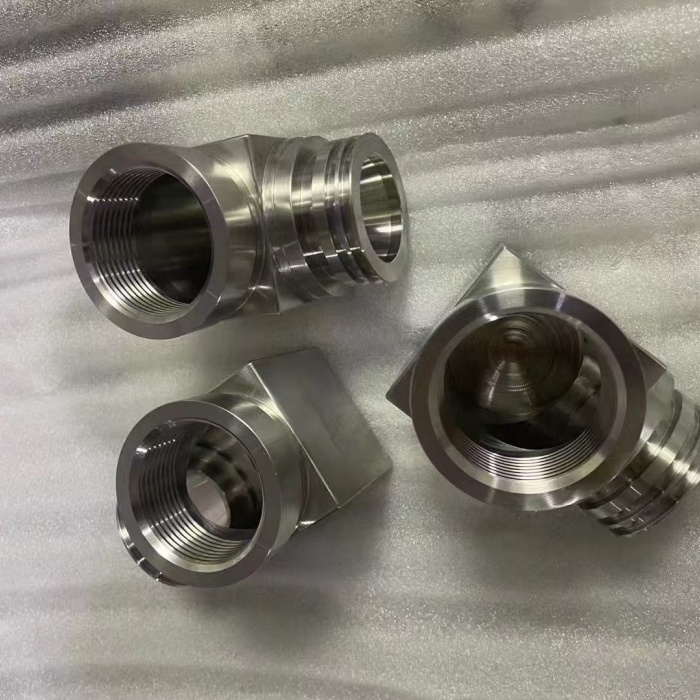
Air vent valves are automatic or manual devices installed at high points in hydronic heating and cooling systems to release trapped air. By eliminating air pockets, they prevent corrosion, reduce noise, maintain system pressure, and ensure optimal heat transfer efficiency across residential, commercial, and industrial applications.
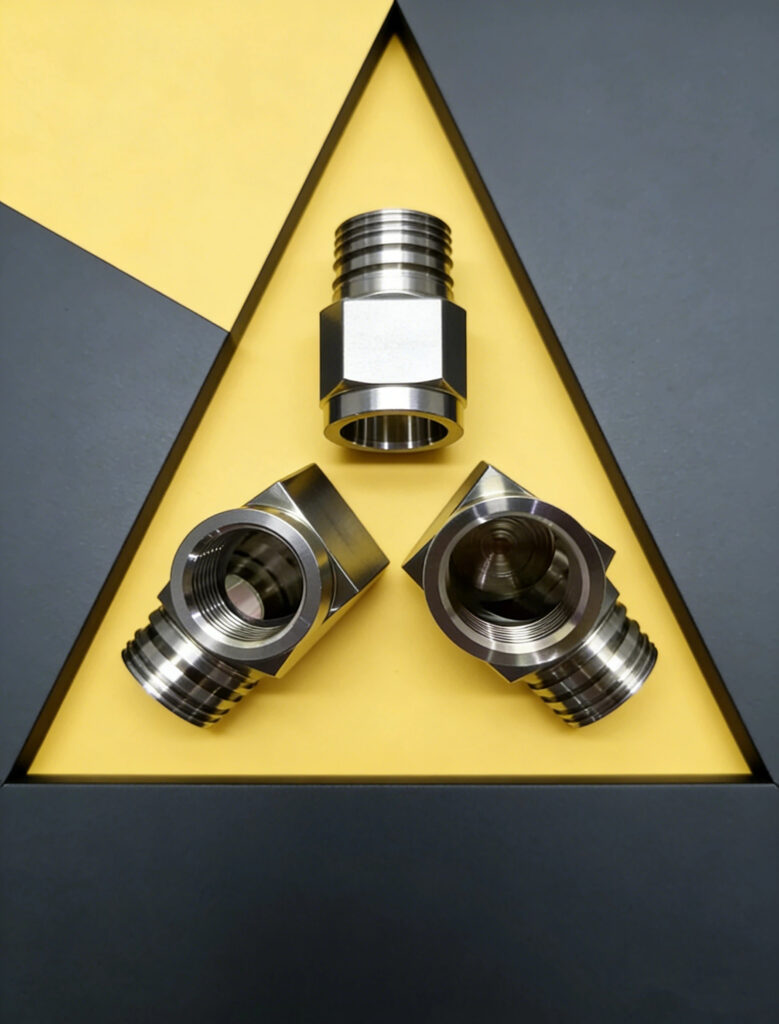
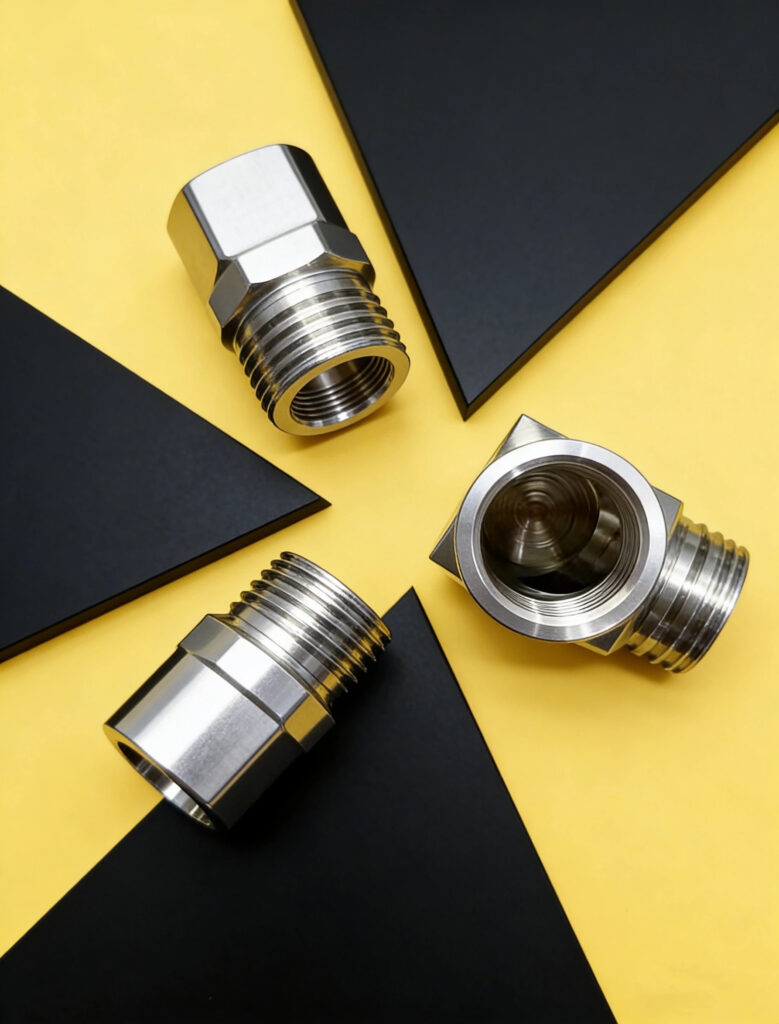
What is an Air Vent Valve?
An air vent valve is a precision component designed to automatically or manually release accumulated air from closed-loop hydronic systems, including boilers, radiators, chillers, and solar thermal circuits. Trapped air reduces heat transfer efficiency, causes system noise (gurgling or banging), accelerates corrosion, and can lead to pump cavitation. Automatic air vents utilize float mechanisms or thermostatic elements to open when air accumulates and seal when fluid returns, preventing water loss. Manual vents require user intervention via screw or knob operation. Typical working pressures range from 35 psi to 150 psi, with temperature ratings up to 250°F (120°C). These devices conform to standards such as BS EN 1074-4 and carry WRAS approval for closed-circuit applications.
Material Specifications:
Body & Cover: Brass (CW617N, CC754S) — the most common material offering excellent corrosion resistance, high strength, and machinability for precision components. Cast iron is used for heavy-duty industrial steam systems up to 260°C.
Internal Components: Stainless steel (grade 302/1.4310) for springs, providing durability and corrosion resistance. Polyamide (PA6 GF30%) and acetal for floats, pistons, and lever systems — lightweight and chemically resistant.
Seals & Gaskets: EPDM (ethylene propylene diene monomer) peroxide for O-rings, offering excellent heat and weather resistance. PTFE (polytetrafluoroethylene) for gaskets, providing low friction and high chemical resistance. NBR (nitrile butadiene rubber) for seat gaskets, offering good oil and abrasion resistance.
Optional Materials: Stainless steel (304/316) for marine, food processing, and high-humidity environments requiring exceptional corrosion resistance. Polymer composites for cost-effective residential applications with temperatures up to 95°C.
Surface Finishes:
As-Machined: Standard finish on brass bodies; provides functional surface with visible tool marks. Suitable for enclosed system components where cosmetics are secondary.
Passivation: Chemical treatment for stainless steel components that removes free iron and enhances the natural chromium oxide layer, critical for marine and food-grade applications.
Powder Coating: Electrostatic polymer applied to cast iron bodies; thickness 60-100 µm. Provides corrosion protection and color coding (yellow bodies are common for identification).
Nickel Plating: Electroplated finish on brass components for enhanced corrosion resistance and uniform appearance; thickness 5-15 µm.
EPDM/PTFE Encapsulation: Rubber or fluoropolymer coatings on sealing surfaces ensure leak-tight performance across temperature ranges from -10°C to +120°C.
Applications:
| Application Area | System Type | Key Requirements | Typical Valve Type |
| Residential Heating | Hydronic boilers, radiators, underfloor heating | 35-75 psi, 240°F; manual or automatic venting; compact size | Float-type; manual radiator vent |
| Commercial HVAC | Office buildings, hotels, healthcare facilities | 150 psi, 250°F; BMS integration; high reliability | Differential (thermostatic); automatic float |
| Industrial Facilities | Heat exchangers, chillers, process heating | 150-300 psi, 300°F+; rugged construction; corrosion resistance | Pressure-operated; cast iron; stainless steel |
| Solar Thermal Systems | Collector loops, heat transfer fluid lines | High-temperature glycol; UV exposure; elevation venting | High-temp automatic; brass construction |
| District Heating | Municipal heating networks | Extended pipe runs; continuous operation; remote monitoring | Heavy-duty automatic; pressure-rated PN10/PN16 |
| Marine & Offshore | Shipboard heating, coastal facilities | Saltwater exposure; vibration resistance | 316 stainless steel; corrosion-resistant design |
Best Practice Application Example:
Scenario: Automatic air vent valve in commercial office building HVAC system.
A 12-story commercial office building with a centralized hydronic heating system experiences uneven heating, persistent gurgling noises in upper-floor radiators, and increased boiler cycling. The facility manager reports that 14 of 22 automatic air vents (brass float-type, installed 8 years ago) have failed—stuck closed due to mineral buildup from hard water. System efficiency has dropped by an estimated 18%, with tenant complaints increasing monthly.
Solution:
The MRO team specifies upgraded automatic air vent valves with improved serviceability features:
Component Specifications:
Valve Type: D2004 automatic air vent with integral shut-off valve (WRAS approved)
Body Material: Air vent valve with Brass CW617N / CC754S
Internal Float: Polypropylene with stainless steel spring (grade 302)
Seals: EPDM perox O-rings; PTFE gasket
Connections: 1/2″ BSP parallel threaded
Pressure Rating: PN10 (10 bar / 150 psi maximum)
Temperature Range: -10°C to +110°C (14°F to 230°F)
Dimensions: 46 x 70.5 mm; weight 0.146 kg per unit
Expected Service Life: 20 years per manufacturer
Results:
System efficiency restored: Heating uniformity improved by 95%; boiler cycling reduced by 40%
Noise elimination: No tenant complaints reported 6 months post-installation
Serviceability: Shut-off valves enable individual vent replacement without draining entire zones
Energy savings: Estimated 15% reduction in natural gas consumption ($7,200 annually)
Maintenance reduction: Annual inspection schedule eliminates emergency service calls (saved $3,500/year)
ROI achieved within 9 months
Product Advantages:
Automatic operation: An air vent valve Eliminates manual bleeding; reduces maintenance labor
Air-only venting: Precision float mechanisms release air without water loss, maintaining system pressure
Corrosion-resistant construction: Brass bodies with EPDM/PTFE seals ensure longevity in aggressive water conditions
Wide temperature/pressure range: Operates reliably from -10°C to +120°C, up to 150 psi
Compact design: Standardized thread sizes (1/8″ to 3/4″) fit existing radiator and pipe configurations
WRAS approval: Certified for closed-circuit use, meeting UK and international potable water standards
Why Choose Us?
ISO 9001-certified manufacturing with full material traceability
WRAS-approved air vent valve for hydronic heating and potable water systems
20-year expected service life on brass automatic air vent valves
Integral shut-off valve options available for maintenance-free replacement
Technical support for system sizing and installation best practices