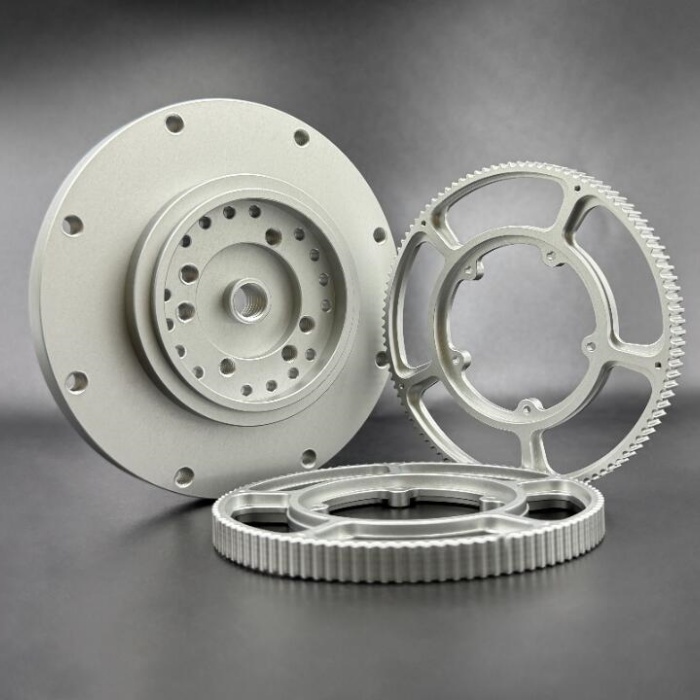
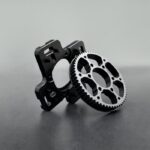
Reliable Toothed Belt Pulley 10mm to 60mm Bore Options Precision Machined Flawless Power Transfer
Request a Quote
Enter the quantity you need and add to your quote list for pricing inquiries.
Product Details
Precision engineered toothed belt pulley delivers zero slip operation and efficient power transmission. Manufactured from high grade materials for superior durability and long service life. Available in multiple sizes tooth profiles and bore configurations to suit diverse applications from automation to industrial machinery. The positive engagement design ensures reliable synchronization under high torque and high speed conditions. Ideal for CNC machines 3D printers conveyor systems and robotics.
What Is a Toothed Belt Pulley?
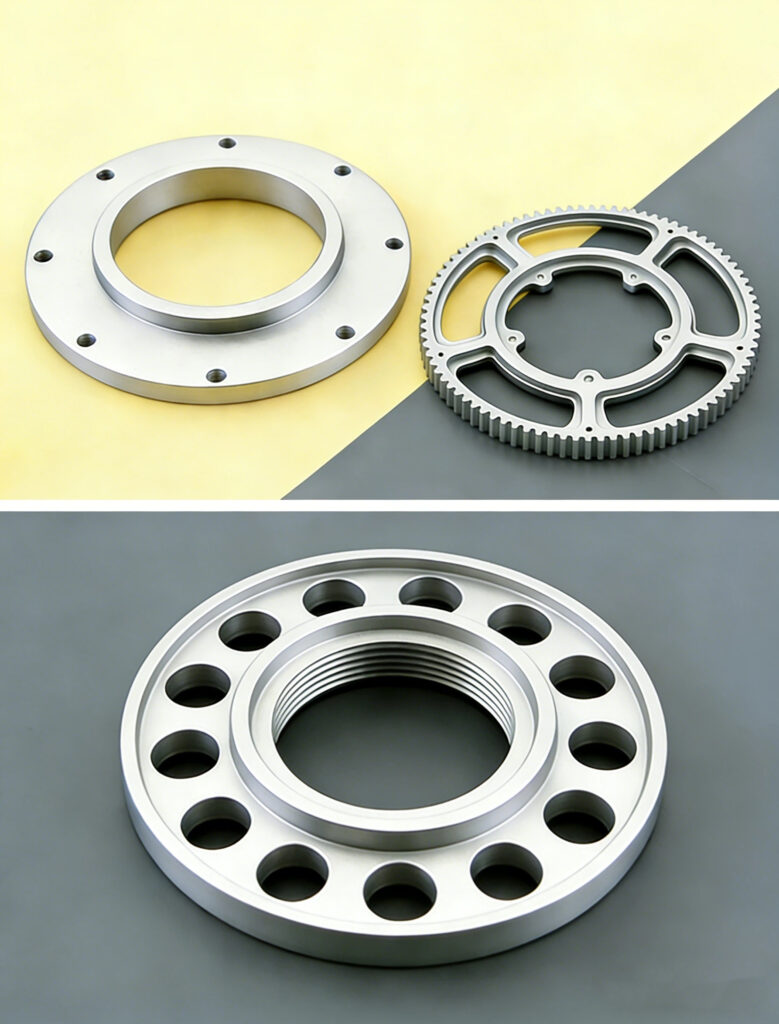
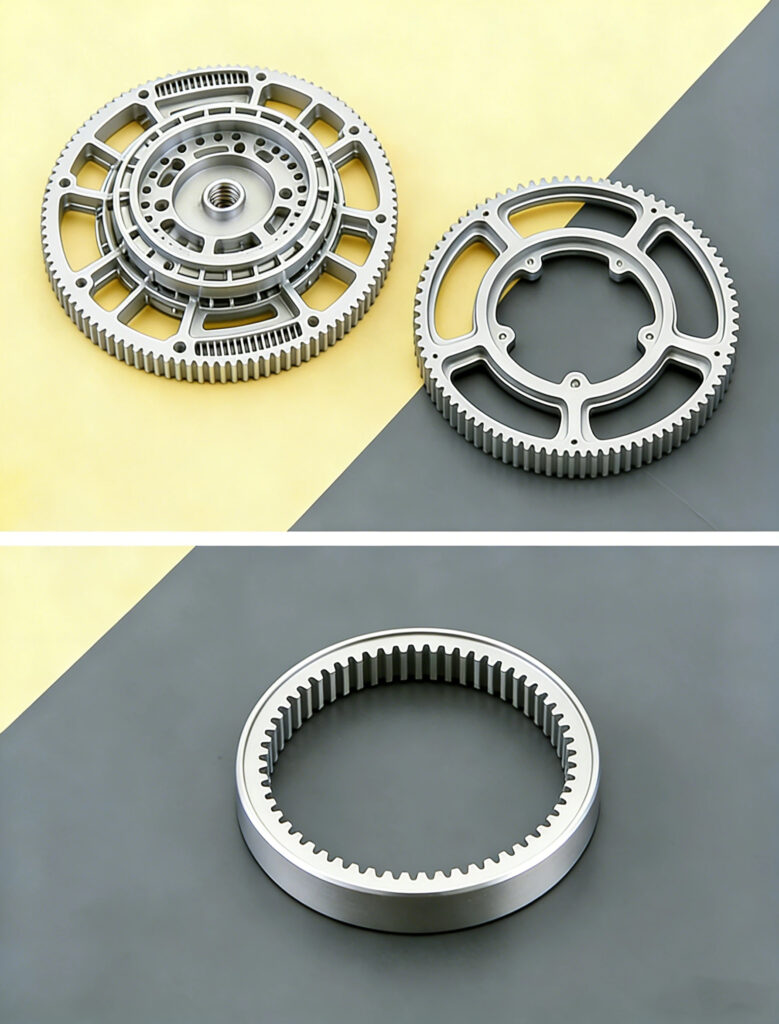
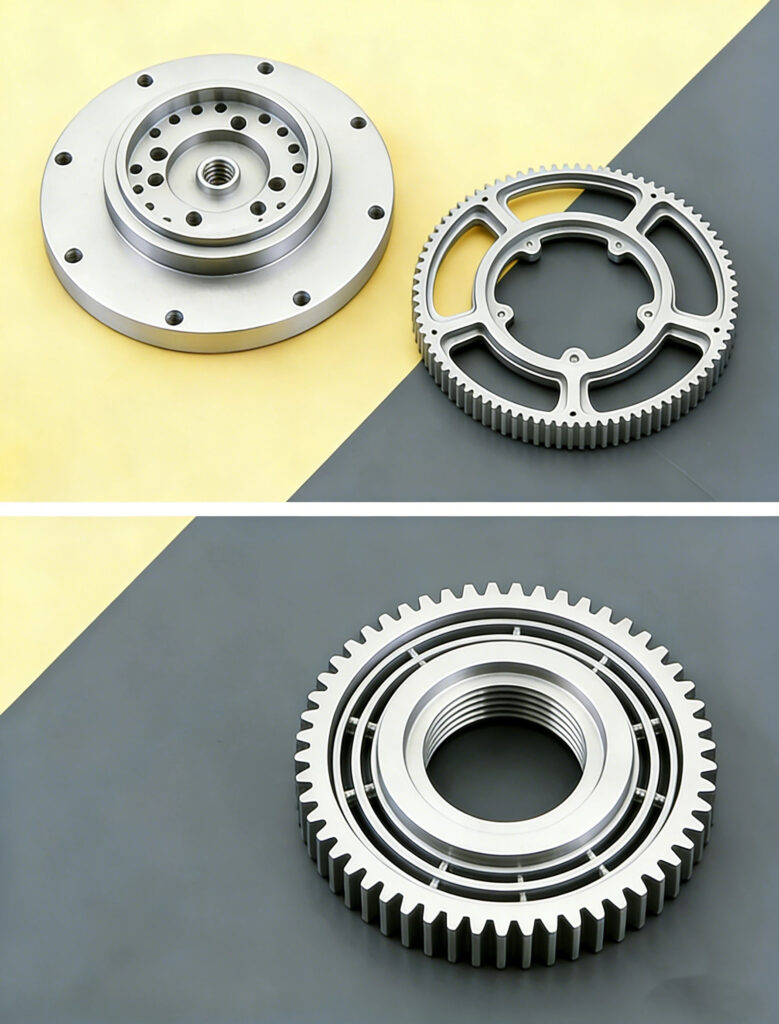
A toothed belt pulley, also referred to as a timing belt pulley or synchronous pulley, is a mechanical component specifically designed to transmit rotational motion and power between parallel shafts using a toothed belt. Unlike traditional V‑belt or flat belt systems that rely entirely on friction to transfer power, toothed belt pulleys feature precisely machined teeth that engage with matching teeth on the belt. This positive engagement mechanism eliminates the possibility of slippage, ensuring accurate synchronization between the driving and driven shafts even under fluctuating loads or high‑speed conditions.
Toothed belt pulleys are typically manufactured from high‑grade materials such as carbon steel, stainless steel, aluminum alloys, or cast iron. They are available in a vast range of sizes, tooth profiles, bore configurations, and flange arrangements to suit diverse industrial applications—from lightweight automation equipment to heavy‑duty industrial machinery.
Key Benefits of Toothed Belt Pulleys:
The widespread adoption of toothed belt pulleys across industries is driven by a compelling set of performance and operational benefits:
Zero Slip Operation: The interlocking tooth design guarantees that the belt and pulley move in perfect unison. This eliminates the risk of slippage, which is critical for applications requiring precise timing and positioning, such as CNC axes, robotic joints, and automotive timing systems.
High Power Transmission Efficiency: With no frictional losses associated with slip and minimal flexing losses, toothed belt systems achieve efficiency rates of up to 98%, making them one of the most efficient methods of power transmission available.
Constant Speed Ratio: The positive engagement ensures that the rotational speed ratio between the driving and driven pulleys remains constant, regardless of load fluctuations, torque spikes, or changes in operating conditions.
Low Maintenance Requirements: Unlike chain drives that require regular lubrication and tension adjustments, toothed belt pulleys operate cleanly with minimal maintenance. They do not require frequent re‑tensioning as V‑belt systems do, reducing downtime and labor costs.
Compact Design: Toothed belt pulleys allow for compact drive layouts with smaller center distances compared to chain or gear systems, reducing the overall footprint of machinery and enabling more space‑efficient designs.
Quiet Operation: When properly designed, aligned, and tensioned, toothed belt drives operate with significantly less noise compared to chain drives or gear systems, contributing to a better working environment.
No Lubrication Required: Toothed belt systems run dry, eliminating the need for lubricants. This is particularly advantageous in industries such as food processing, pharmaceuticals, and cleanroom environments where contamination must be avoided.
Long Service Life: High‑quality toothed belt pulleys manufactured from durable materials with appropriate surface treatments can provide years of reliable service, even in demanding operating conditions.
Common Tooth Profiles and Their Applications:
Toothed belt pulleys are available in several standardized tooth profiles, each engineered for specific load requirements, speed ranges, and application types. Selecting the correct profile is critical to system performance.
| Tooth Profile | Description | Typical Applications |
| HTD (High Torque Drive) | Curved tooth design that distributes stress evenly, allowing for higher torque transmission and reduced wear. Available in pitches such as 3M, 5M, 8M, and 14M. | Industrial machinery, CNC machines, conveyor systems, high torque servo drives |
| T Series | Trapezoidal tooth profile with metric pitch (T2.5, T5, T10). Commonly used in European and Asian automation equipment. | Office equipment, light automation, packaging machinery |
| AT Series | Improved version of the T series with optimized tooth geometry for higher load capacity and better stress distribution. | Automation systems, servo drives, precision positioning |
| XL Series | Light duty trapezoidal profile with 0.200 inch pitch. Widely used in hobbyist and light industrial applications. | 3D printers, small robotics, engraving machines, hobbyist equipment |
| L Series | Medium duty trapezoidal profile with 0.375 inch pitch. | Printers, copiers, light conveyor systems |
| H Series | Heavy duty trapezoidal profile with 0.500 inch pitch. | Machine tools, automotive timing drives, industrial equipment |
| Metric Pitch (MXL, XL, L, H) | Imperial system profiles widely used in North American applications. | Various industrial and consumer applications |
Material Selection for Toothed Belt Pulleys:
The choice of material for a toothed belt pulley directly impacts its strength, wear resistance, weight, and suitability for specific environments. Common materials include:
Steel (Carbon Steel, Alloy Steel):
- Advantages: Highest strength and wear resistance, excellent durability under high loads, cost‑effective for high‑volume applications.
- Applications: Heavy‑duty industrial machinery, automotive timing systems, high‑torque drives.
- Surface Treatments: Black oxide, zinc plating, or phosphate coating for corrosion resistance.
Stainless Steel:
- Advantages: Superior corrosion resistance, suitable for food processing, medical, and marine environments.
- Applications: Pharmaceutical equipment, food processing machinery, outdoor or washdown applications.
Aluminum Alloy:
- Advantages: Lightweight, excellent corrosion resistance, good machinability, ideal for high‑speed applications where inertia must be minimized.
- Applications: 3D printers, robotics, high‑speed automation, aerospace components.
- Surface Treatments: Anodizing for enhanced wear resistance and corrosion protection.
Cast Iron:
- Advantages: Excellent damping properties that reduce vibration, good wear resistance, cost‑effective for larger diameters.
- Applications: Heavy industrial machinery, large conveyor systems, agricultural equipment.
Plastic / Polymer:
- Advantages: Lightweight, corrosion‑proof, electrically insulating, low noise.
- Applications: Light‑duty applications, office equipment, consumer products.
Applications Across Industries:
The versatility of toothed belt pulleys makes them suitable for a vast range of industries and applications:
- CNC Machining: Used in axes drives for precise positioning of cutting tools and workpieces. HTD and AT profiles are common due to their high torque capacity and accuracy.
- 3D Printing: Critical for moving the print head and build platform with high accuracy. XL and GT2 profiles are widely used in FDM and resin printers.
- Automotive: Timing belt systems in internal combustion engines rely on toothed pulleys for camshaft‑crankshaft synchronization. HTD and trapezoidal profiles are standard.
- Robotics: Enables precise joint movement and end‑effector control. Lightweight aluminum pulleys with AT or HTD profiles are commonly used.
- Packaging Machinery: Ensures consistent product handling and synchronization of multiple stations. Toothed belt drives provide the precise indexing required for high‑speed packaging lines.
- Conveyor Systems: Provides accurate indexing and product positioning in assembly lines, sorting systems, and material handling equipment.
- Medical Equipment: Used in imaging devices, laboratory automation, and diagnostic equipment where precision, cleanliness, and reliability are paramount.
- Textile Machinery: Maintains consistent tension and synchronization in weaving, spinning, and knitting equipment.
- Agricultural Equipment: Heavy‑duty cast iron or steel pulleys are used in harvesters, balers, and other farm machinery where durability and reliability are critical.
Installation and Maintenance Best Practices:
To maximize the performance and lifespan of your toothed belt pulley system, follow these best practices:
Proper Alignment:
Misalignment is the leading cause of premature belt and pulley wear. Use laser alignment tools, straightedges, or precision levels to verify parallel and angular alignment. Misalignment can cause uneven tooth wear, belt tracking issues, and excessive bearing loads.
Correct Tension:
Over‑tensioning increases bearing loads, reduces belt life, and can cause shaft deflection. Under‑tensioning can lead to tooth jumping and loss of synchronization. Follow manufacturer tension specifications and use tension gauges for accuracy.
Regular Inspection:
Inspect pulleys and belts periodically for signs of wear. Look for:
- Tooth deformation or cracking
- Uneven wear patterns
- Flange damage
- Belt fraying or cracking
- Unusual noise during operation
Keep Clean:
Debris accumulation can accelerate wear and cause belt tracking issues. In dusty environments, consider using protective covers or enclosures. For food or medical applications, ensure materials and designs allow for proper cleaning.
Use Genuine Components:
Mixing pulleys and belts from different manufacturers can lead to compatibility issues, improper engagement, and reduced performance. Always use components that meet the same specifications and quality standards.
Replace Worn Components Promptly:
Worn pulleys can damage new belts and vice versa. When replacing a belt, inspect the pulley teeth for wear. If the pulley shows significant wear, replace it simultaneously with the belt.
Why Choose High‑Quality Toothed Belt Pulleys?
Investing in precision‑engineered toothed belt pulleys from reputable manufacturers yields tangible benefits:
- Reduced Downtime: Reliable components minimize unexpected failures and production interruptions, directly impacting operational efficiency.
- Lower Total Cost of Ownership: Superior durability reduces replacement frequency, maintenance costs, and spare parts inventory.
- Improved Product Quality: Precise motion control leads to higher accuracy, consistency, and quality in end products.
- Enhanced Safety: Properly designed and maintained pulley systems reduce the risk of mechanical failure and associated hazards.
- Longer Equipment Life: Quality components reduce stress on bearings, shafts, and other drive train components, extending overall machine life.
Conclusion:
The toothed belt pulley is far more than a simple mechanical component—it is a cornerstone of modern power transmission and motion control. Its ability to deliver zero‑slip operation, exceptional efficiency, and precise synchronization makes it indispensable across industries ranging from heavy manufacturing to precision medical technology. By understanding the various tooth profiles, materials, selection criteria, and best practices for installation and maintenance, engineers, designers, and maintenance professionals can optimize their systems for maximum performance, reliability, and longevity.
Whether you are replacing a worn component, upgrading an existing system, or designing a new drive from the ground up, choosing the right toothed belt pulley is a decision that directly impacts operational success. With the right knowledge and quality components, you can achieve drive systems that deliver consistent, reliable performance for years to come.