Elite Vacuum Hose Connector 100 Percent Leak Proof Seal ±0.01mm Dimensional Tolerance
Request a Quote
Enter the quantity you need and add to your quote list for pricing inquiries.
Product Details
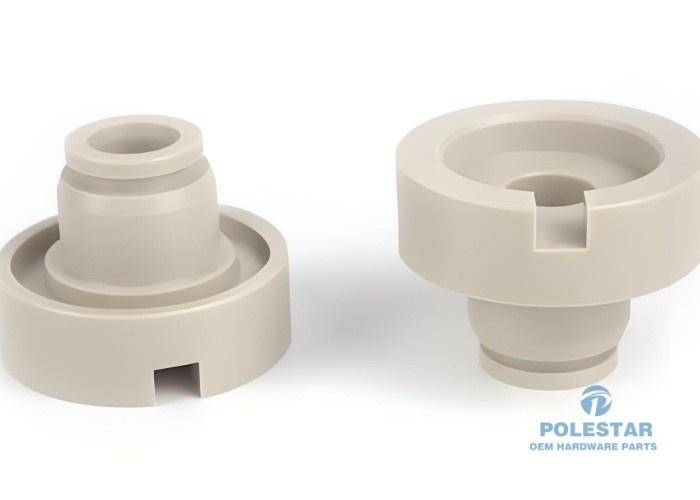
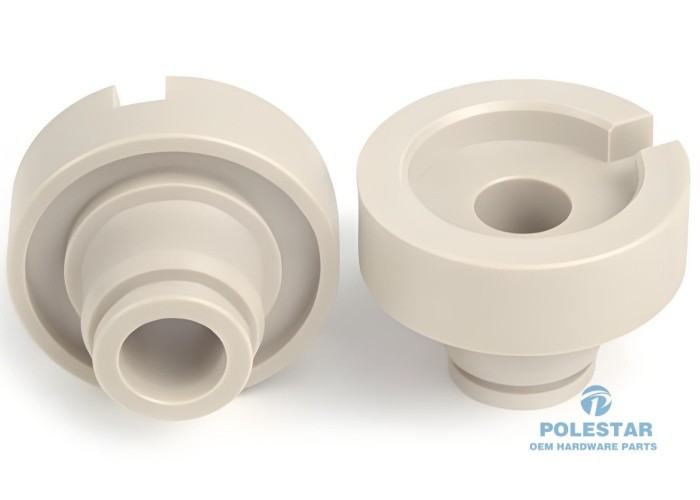
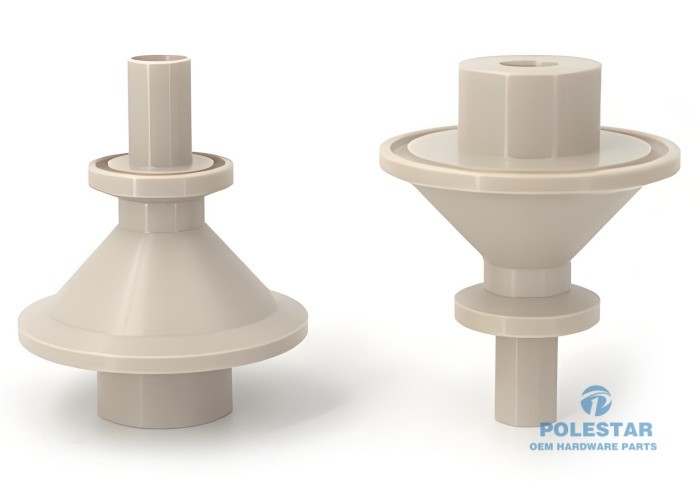
A vacuum hose connector is a precision-engineered fitting designed to establish secure, leak-proof connections between vacuum hoses, tubing, and system components. Manufactured from materials such as brass, stainless steel, aluminum, and engineered plastics, these connectors offer excellent durability, corrosion resistance, and compatibility with a wide range of fluids and gases. Available in various configurations including barbed fittings, quick-disconnect couplings, threaded adapters, and push-to-connect styles, vacuum hose connectors are designed to meet specific pressure requirements and flow characteristics. Precision machining ensures tight tolerances and reliable sealing, making them essential for applications in automotive systems, medical devices, laboratory equipment, industrial vacuum systems, and pneumatic machinery. From standard designs to fully custom solutions, vacuum hose connectors deliver consistent performance and dependable connections.
What Is a Vacuum Hose Connector?
A vacuum hose connector is a precision-engineered fitting designed to create secure, leak-proof connections between vacuum hoses, tubing, and system components. Unlike standard hose fittings, vacuum connectors are specifically designed to withstand the unique demands of vacuum environments, including negative pressure, potential collapse forces, and the need for absolute sealing integrity.
These connectors serve as the interface between flexible hoses and rigid system components such as pumps, valves, chambers, and manifolds. The quality of these connections directly impacts system performance, affecting everything from ultimate vacuum levels to pump-down times and overall system reliability.
Key Performance Characteristics:
The effectiveness of a vacuum hose connector is determined by several critical characteristics that define its ability to maintain system integrity.
Leak-Proof Sealing:
The most fundamental requirement for any vacuum connector is the ability to maintain a reliable seal under negative pressure. High-quality connectors achieve leak rates as low as 1×10⁻⁶ atm·cc/sec or better, ensuring that system vacuum levels are maintained without degradation.
Pressure Rating:
Vacuum connectors must withstand both the negative pressure of vacuum conditions and, in many applications, positive pressure during system venting or purge cycles. Quality connectors are rated for specific pressure ranges, ensuring safe operation across all operating conditions.
Material Compatibility:
The materials used in vacuum connectors must be compatible with the fluids, gases, and environmental conditions they will encounter. This includes resistance to corrosion, chemical attack, and outgassing that could contaminate sensitive vacuum processes.
Dimensional Precision:
Tight manufacturing tolerances ensure that connectors mate properly with hoses and system components. Precision machining achieves the exact dimensions required for reliable sealing and proper fit.
Temperature Range:
Vacuum connectors must maintain sealing integrity across the operating temperature range of the system. High-quality connectors are designed to perform reliably from cryogenic temperatures to elevated thermal conditions.
Materials Used in Vacuum Hose Connectors:
The choice of material significantly impacts the performance, durability, and application suitability of vacuum hose connectors.
Brass Vacuum Hose Connectors:
Brass is one of the most widely used materials for vacuum connectors due to its excellent machinability, good corrosion resistance, and cost-effectiveness. Brass connectors are commonly used in automotive, pneumatic, and general industrial applications where moderate corrosion resistance is sufficient. They offer reliable sealing and durability at competitive price points.
Stainless Steel Vacuum Hose Connectors:
For demanding applications requiring superior corrosion resistance, high strength, and cleanliness, stainless steel is the material of choice. Stainless steel vacuum connectors are essential in medical devices, pharmaceutical processing, food and beverage equipment, and semiconductor manufacturing where contamination cannot be tolerated. Common grades include 303, 304, and 316 stainless steel.
Aluminum Vacuum Hose Connectors:
Lightweight and corrosion-resistant, aluminum vacuum connectors are ideal for applications where weight reduction is important. They are commonly used in aerospace, automotive, and portable equipment applications. Aluminum connectors offer good thermal conductivity and can be anodized for enhanced surface protection.
Plastic and Engineered Polymer Vacuum Connectors:
For applications requiring electrical insulation, chemical resistance, or lightweight construction, plastic vacuum connectors provide excellent solutions. Materials such as nylon, polypropylene, PTFE, PEEK, and acetal offer specific properties including chemical resistance, low friction, and biocompatibility. Plastic connectors are widely used in laboratory, medical, and chemical processing applications.
Types of Vacuum Hose Connectors:
Vacuum hose connectors are available in a variety of configurations to meet different connection requirements and application needs.
Barbed Vacuum Hose Connectors:
Barbed fittings are the most common type of vacuum hose connector. They feature one or more raised ridges that grip the inner diameter of the hose, creating a secure mechanical connection. When combined with a hose clamp, barbed connectors provide reliable sealing even under vacuum conditions. They are available in straight, elbow, tee, and cross configurations.
Quick-Disconnect Vacuum Couplings:
Quick-disconnect couplings allow for rapid connection and disconnection of vacuum lines without tools. These connectors are ideal for applications requiring frequent hose changes, such as laboratory equipment, portable vacuum systems, and maintenance-intensive installations. They typically feature automatic shut-off valves to prevent fluid loss when disconnected.
Push-to-Connect Vacuum Fittings:
Push-to-connect fittings, also known as instant fittings, allow for simple insertion of tubing without tools. A release mechanism enables easy disconnection when needed. These fittings are popular in pneumatic and low-vacuum applications where installation speed and ease of use are priorities.
Threaded Vacuum Adapters:
Threaded adapters provide a connection between hoses and system components with threaded ports. Available in various thread standards including NPT, BSPT, and metric threads, these connectors ensure compatibility with a wide range of equipment. Threaded connections offer secure, permanent installation for critical applications.
Hose-to-Pipe Vacuum Connectors:
These connectors transition between flexible hoses and rigid pipe systems, providing a reliable interface between different connection types. They are essential in complex vacuum systems where multiple connection methods are employed.
Applications Across Industries:
Vacuum hose connectors serve critical functions across a diverse range of industries and applications.
Automotive and Transportation:
Automotive vacuum systems rely on connectors for brake boosters, emission control systems, HVAC controls, and engine management. Reliable vacuum connections are essential for vehicle safety and performance.
Medical and Healthcare:
Medical vacuum systems are used in surgical suction, wound drainage, respiratory therapy, and laboratory analysis. Vacuum hose connectors for medical applications must meet stringent requirements for cleanliness, biocompatibility, and reliability.
Industrial Manufacturing:
Industrial vacuum systems are employed in material handling, packaging, pick-and-place operations, and contamination control. Durable connectors capable of withstanding demanding industrial environments are essential.
Laboratory and Research:
Laboratory vacuum systems are used in filtration, distillation, degassing, and sample preparation. Precision connectors with minimal outgassing and chemical resistance are critical for accurate experimental results.
Food and Beverage Processing:
Vacuum systems in food processing are used for packaging, material handling, and dehydration. Connectors must meet food safety standards and resist corrosion from cleaning agents and food products.
Semiconductor and Electronics:
High and ultra-high vacuum systems in semiconductor manufacturing require connectors with extremely low outgassing and exceptional cleanliness. Stainless steel and specialized materials are typically specified.
Manufacturing Processes for Vacuum Hose Connectors:
The quality and precision of vacuum hose connectors depend on advanced manufacturing processes that ensure consistent performance.
CNC Machining:
Computer Numerical Control machining provides the precision required for tight-tolerance vacuum connectors. CNC turning, milling, and multi-axis machining produce complex geometries with exceptional accuracy. This process is ideal for both prototype development and high-volume production.
Precision Threading:
Threaded vacuum connectors require precise thread forms to ensure proper mating and sealing. High-quality threading processes achieve the exact specifications required for leak-free connections.
Surface Finishing:
Surface treatments such as passivation, plating, and anodizing enhance corrosion resistance and improve appearance. These finishes also contribute to sealing performance by providing consistent surface characteristics.
Leak Testing:
Every vacuum connector should be verified for sealing integrity. Helium leak testing provides the highest sensitivity, detecting even microscopic leaks that could compromise system performance.
Custom Vacuum Hose Connector Solutions:
Standard vacuum hose connectors cannot always meet the specific requirements of every application. Custom solutions offer the flexibility to optimize performance for unique design parameters.
Custom Configurations:
Unique connection requirements often demand custom configurations. Custom designs accommodate specific space constraints, orientation requirements, and integration needs.
Special Materials:
Applications with unique chemical, temperature, or cleanliness requirements may need connectors manufactured from specialized materials. Custom material selection ensures compatibility with demanding operating conditions.
Integrated Features:
Custom vacuum connectors can incorporate features such as mounting flanges, threaded ports, sensor ports, and quick-release mechanisms that simplify system integration.
OEM and Private Label:
For equipment manufacturers, custom vacuum connectors can be designed to exact specifications and branded with company identification.
Quality Assurance and Certification:
For applications where vacuum system reliability is critical, quality assurance is paramount.
- ISO 9001 Certification: Manufacturers with ISO 9001 certification demonstrate commitment to consistent quality, documented processes, and continuous improvement.
- Leak Testing Certification: Comprehensive leak testing with documented results provides confidence in the sealing integrity of every connector.
- Material Traceability: Full material traceability ensures that the specified materials are used and provides documentation for regulated applications.
- Dimensional Inspection: Precision measurement equipment verifies that every connector meets specified dimensional requirements.
Selecting the Right Vacuum Hose Connector Partner:
Choosing the right manufacturing partner for vacuum hose connectors is essential for achieving reliable system performance.
- Technical Expertise: A knowledgeable partner understands the unique demands of vacuum applications and can provide guidance on material selection, configuration, and installation.
- Design Support: Early engagement with a manufacturing partner allows for design optimization that improves performance and reduces cost.
- Quality Systems: Comprehensive quality systems ensure consistent production and documented traceability.
- Scalable Manufacturing: Capabilities ranging from prototyping to high-volume production ensure seamless transition from development to full-scale manufacturing.
Conclusion:
Vacuum hose connectors are essential components that play a critical role in the performance and reliability of vacuum systems across countless applications. From simple barbed fittings to complex custom configurations, these precision-engineered connectors provide the secure, leak-free connections that vacuum systems demand.
Whether your application requires standard connectors or fully custom solutions, partnering with an experienced manufacturer ensures that your vacuum hose connectors deliver the performance, reliability, and quality your systems require.